
Araceae
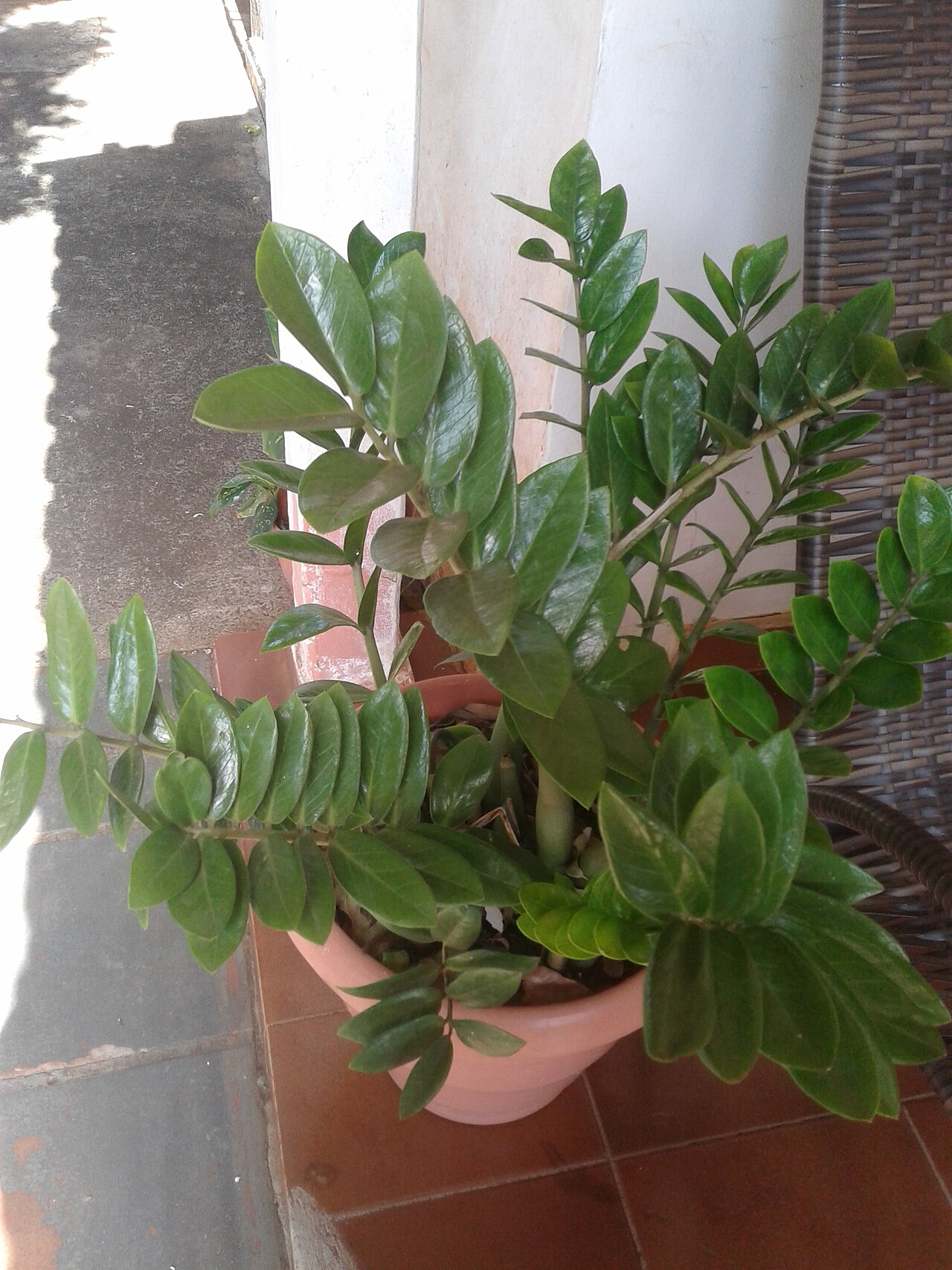
ZZ plant
Zamioculcas zamiifolia
- Family
- Araceae
- Genus
- Zamioculcas
Pets and kids
- CatsNot sure
- DogsNot sure
- KidsMildly toxic
Why
Cats: Not sure
We found no reliable source on this plant for cats, so we don't call it safe. Keep it out of reach until you have checked with your vet.
Dogs: Not sure
We found no reliable source on this plant for dogs, so we don't call it safe. Keep it out of reach until you have checked with your vet.
Kids: Mildly toxic
Mildly toxic to young children. Toxic principle: calcium oxalate.
Signs: vomiting, diarrhea.
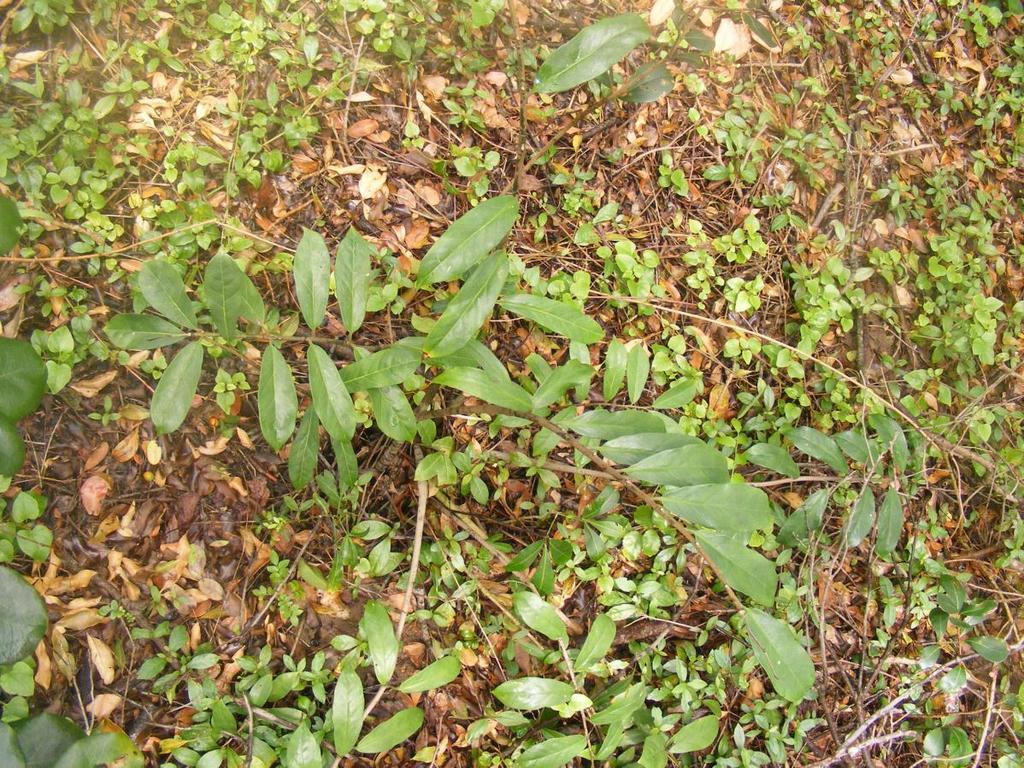
Is yours looking unwell? Scan your plant — free
Is ZZ plant safe for cats, dogs and kids?
Is ZZ plant safe for cats?
We found no reliable source on this plant for cats, so we don't call it safe. Keep it out of reach until you have checked with your vet.
Is ZZ plant safe for dogs?
We found no reliable source on this plant for dogs, so we don't call it safe. Keep it out of reach until you have checked with your vet.
Is ZZ plant safe for kids?
No. Our sources call ZZ plant mildly toxic to young children. Toxic principle: calcium oxalate. Signs: vomiting, diarrhea.
Ate some? Call your vet or the ASPCA Animal Poison Control Center at (888) 426-4435 (a fee may apply). For a child, call Poison Help at 1-800-222-1222 (US). If they are struggling to breathe or collapse, call 911. Don't give anything by mouth unless a vet or poison expert tells you to.
See all cat-safe plants, dog-safe plants and child-safe plants.
How to care for ZZ plant
Water thoroughly only after the potting mix has completely dried out, and place the plant in moderate to bright indirect light.
Light
ZZ plants thrive in moderate to bright, indirect sunlight indoors, though they tolerate lower light levels like interior offices. Direct sunlight can scorch and yellow the foliage. In deep shade, stems grow leggy and elongation slows down noticeably.
- Position the plant in bright, filtered light several feet away from intense sun-facing windows.
- Move the plant into stronger indirect light if stems become stretched and growth stalls.
- Shield the glossy leaflets from harsh afternoon rays to prevent pale, bleached burn patches.
Sources: Zamioculcas zamiifolia (Aroid Palm, Emerald Palm, Eternity Plant, Zanzibar Gem, Zuzu Plant, ZZ Plant) | North Carolina Extension Gardener Plant Toolbox · ZZ Plant (Zamioculcas zamiifolia): Indoor Care, Growing Tips & Plant Guide | Home & Garden Information Center
Watering
Because swollen underground rhizomes store substantial moisture, allow the entire potting medium to dry out before watering again. Check moisture by feeling lightness in the pot and ensuring soil deep down is completely dry. Water thoroughly until liquid flows freely from the drainage holes, then discard standing runoff. Needs decrease markedly during winter dormancy or in darker conditions.
- Wait until the container feels noticeably light and the soil is bone-dry from top to bottom.
- Water far less often during winter months and in low-light locations.
- Empty drip saucers promptly after drenching so the rhizomes never sit in standing water.
Soil and potting
ZZ plants require a loose, sharply draining potting substrate to keep root systems aerated and prevent decay. A blend combining houseplant potting mix, perlite, and coarse sand mimics their native arid conditions. Always use a container with unobstructed drainage holes at the base.
- Incorporate perlite or coarse sand to create an airy, free-draining potting mixture.
- Ensure pots feature bottom drain holes so surplus water escapes immediately.
- Unglazed porous containers help excess root-zone moisture evaporate more rapidly than plastic.
Sources: ZZ Plant (Zamioculcas zamiifolia): Indoor Care, Growing Tips & Plant Guide | Home & Garden Information Center · Florida Foliage House Plant Care: ZZ Plant1 - Ask IFAS
Humidity and temperature
ZZ plants adapt well to typical indoor household humidity and require no misting. They prefer warm temperatures ranging between 65°F and 90°F (18°C to 32°C). Keep them away from chilly window drafts, air conditioning vents, and sudden cold snaps below 50°F (10°C).
- Keep room temperatures comfortably warm and above 60°F year-round.
- Position the plant away from drafty exterior doors, air-conditioner blasts, and heating registers.
- Normal household air provides sufficient ambient humidity without requiring supplemental misting.
Sources: Florida Foliage House Plant Care: ZZ Plant1 - Ask IFAS · ZZ Plant (Zamioculcas zamiifolia): Indoor Care, Growing Tips & Plant Guide | Home & Garden Information Center
Feeding
Because the plant grows at an inherently leisurely pace, nutrient demands are low. Apply a balanced liquid houseplant fertiliser diluted to half strength once or twice during the active spring and summer months. Cease feeding completely during autumn and winter when vegetative growth ceases.
- Feed only once or twice a year during the warm spring and summer growing period.
- Dilute a balanced liquid houseplant fertiliser to half strength to prevent chemical root burn.
- Never apply fertiliser to bone-dry soil or throughout the dormant autumn and winter months.
Repotting
ZZ plants grow slowly and prefer slightly snug, root-bound potting conditions. Repot only every two to three years in spring when roots or rhizomes visibly distort plastic pots or push against the rim. Select a new container only one to two inches wider than the previous pot.
- Repot in spring just as active seasonal growth begins to emerge.
- Choose a new pot only one to two inches larger in diameter to avoid excess moisture retention.
- Handle root tubers gently during transplantation to avoid snapping the fleshy rhizomes.
Source: Florida Foliage House Plant Care: ZZ Plant1 - Ask IFAS
Propagation
Propagation is achieved by dividing mature rhizomes or rooting individual leaf cuttings. To divide, unpot a mature clump in spring and slice through connecting rhizomes using a sanitized knife, keeping stems attached to each section. For leaf propagation, insert individual leaflets upright into moist, sandy substrate until tubers form.
- Divide clustered rhizomes during spring repotting for instant, well-developed new plants.
- Insert detached leaflets stem-end down into moist, gritty medium to develop subterranean tubers.
- Be patient with leaf cuttings, which can take several months to establish root nodules.
Leaves and common problems
The ZZ plant is exceptionally hardy and remarkably resistant to most diseases and indoor insect pests. Nearly all household issues stem from overwatering, poor drainage, or cold exposures. Maintaining dry conditions and proper light prevents practically every common ailment.
- Inspect the undersides of leaves periodically for occasional sap-sucking pests.
- Avoid frequent watering cycles to eliminate the primary cause of plant decline.
root rot
You see: Yellowing leaves, mushy rhizomes, soft brown stem bases, and foul-smelling potting soil.
Do: Unpot the plant immediately, trim off blackened mushy roots, let healthy rhizomes air dry, and repot in fresh, dry soil.
yellow leaves
You see: Lower foliage turning pale yellow and dropping while stems feel soft and limp.
Do: Hold off watering until the soil dries out completely, and check that the container drainage holes are clear.
leaf scorch
You see: Crispy brown patches, bleached surfaces, or curled edges on leaflets facing the window.
Do: Move the container back from intense direct sunlight to a location receiving bright, filtered light.
leggy growth
You see: Elongated, thin stems arching excessively with wide gaps between leaflets.
Do: Relocate the plant to an area receiving brighter indirect light or supplement with an indoor grow light.
You see: Small cottony white tufts clustered in leaf axils and along stems, accompanied by sticky residue.
Do: Dab pests off using a cotton swab dipped in rubbing alcohol, or spray foliage thoroughly with insecticidal soap.
Sources: ZZ Plant (Zamioculcas zamiifolia): Indoor Care, Growing Tips & Plant Guide | Home & Garden Information Center · Florida Foliage House Plant Care: ZZ Plant1 - Ask IFAS
Is it safe for pets and children?
Cats, dogs and young children: see our checked verdict and its sources, or open it in the pet-safety checker.
Handling safely
- Wear protective gloves when dividing or pruning, as plant sap can cause irritation on sensitive skin.
- Sanitize shears and knives before and after making propagation cuts to avoid spreading pathogens.
- When applying insecticidal soap for pest control, follow label directions carefully and store sprays out of reach of children and pets.
Written from 4 cited sources, mostly university extension services and botanical gardens, and checked by a reviewer before publishing (October 27, 2026).
Common names
By language (25)
- Arabic
- زاميوكولكاس
- Cantonese
- 金錢樹
- Catalan
- Zamioculcas
- Chinese
- 美鐵芋, 雪铁芋
- Croatian
- Zamijokulkas
- Czech
- Kulkas zamiolistý, Zamiokulkas
- English
- ZZ plant, Eternity plant
- Esperanto
- Zamiokulko
- Finnish
- Palmuvehka
- Hebrew
- זמיה
- Indonesian
- Samiyo
- Japanese
- ザミオクルカス
- Kazakh
- Замиокулькас
- Korean
- 금전초
- Latvian
- Zamiokulka
- Lithuanian
- Zamiokulkas
- Macedonian
- Замија
- Malay
- Zamioculcas
- Persian
- زامیفولیا
- Polish
- Zamiokulkas zamiolistny
- Portuguese
- Zamioculcas
- Russian
- Замиокулькас замиелистный, Долларовое дерево, Замиокулькас, Замиокулькас ланцетовидный, Замиокулькас Лоддиджеса, Каладиум замиелистный
- Swedish
- Garderobsblomma
- Turkish
- Zamia, Zz bitkisi
- Uzbek
- Zamioculcas
Synonyms
- Caladium zamiifolium G.Lodd.
- Zamioculcas lanceolata Peter
- Zamioculcas loddigesii Schott
Plant problems
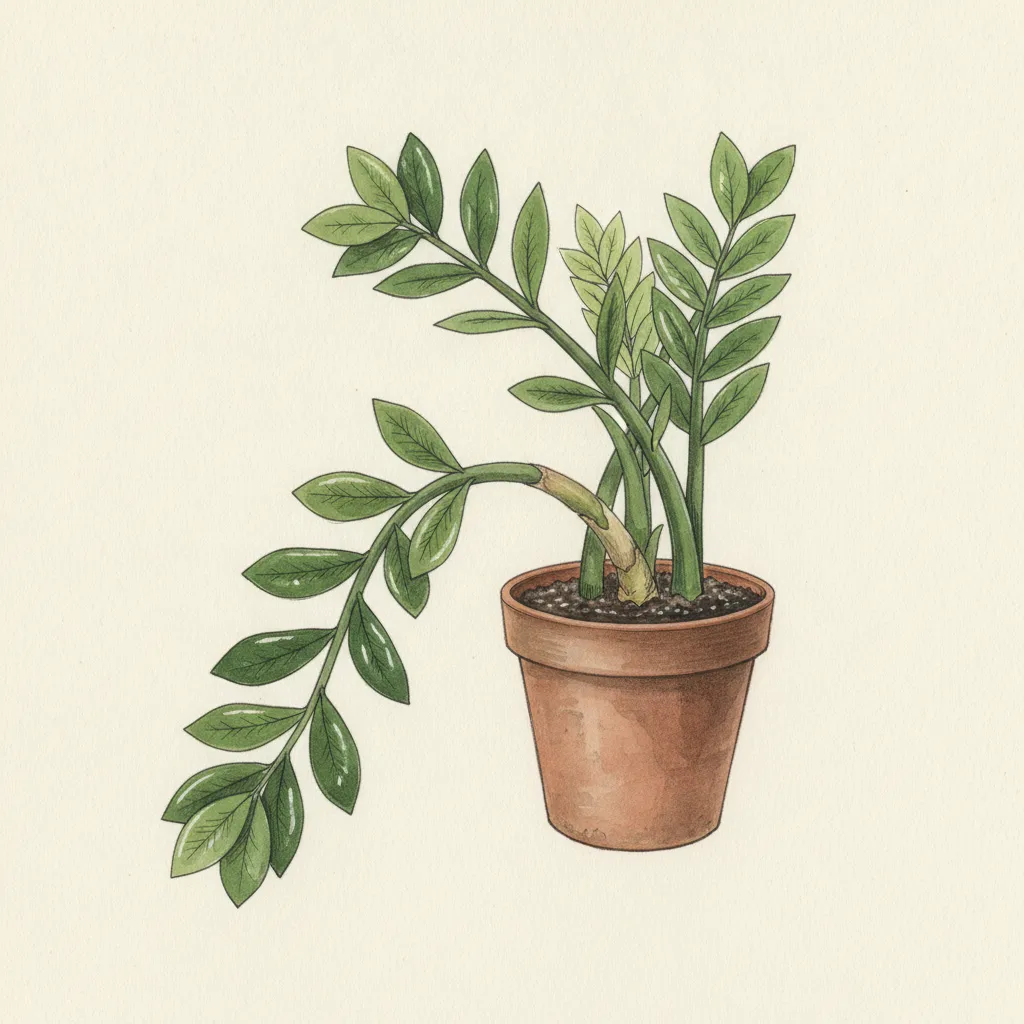
Photos
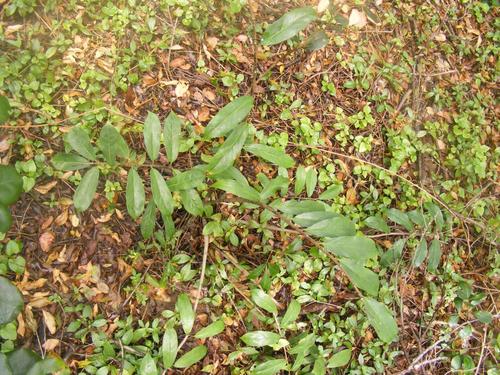
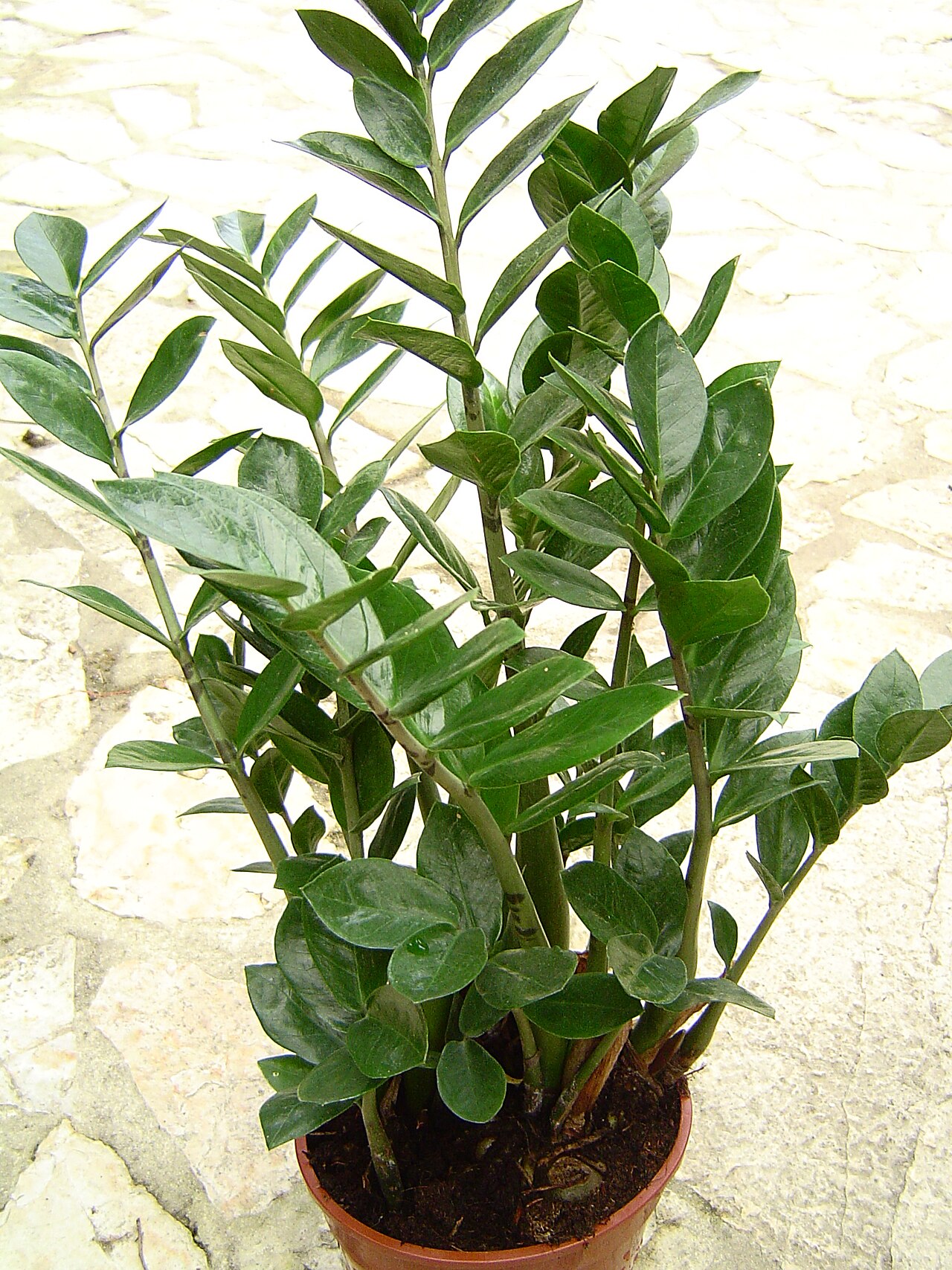
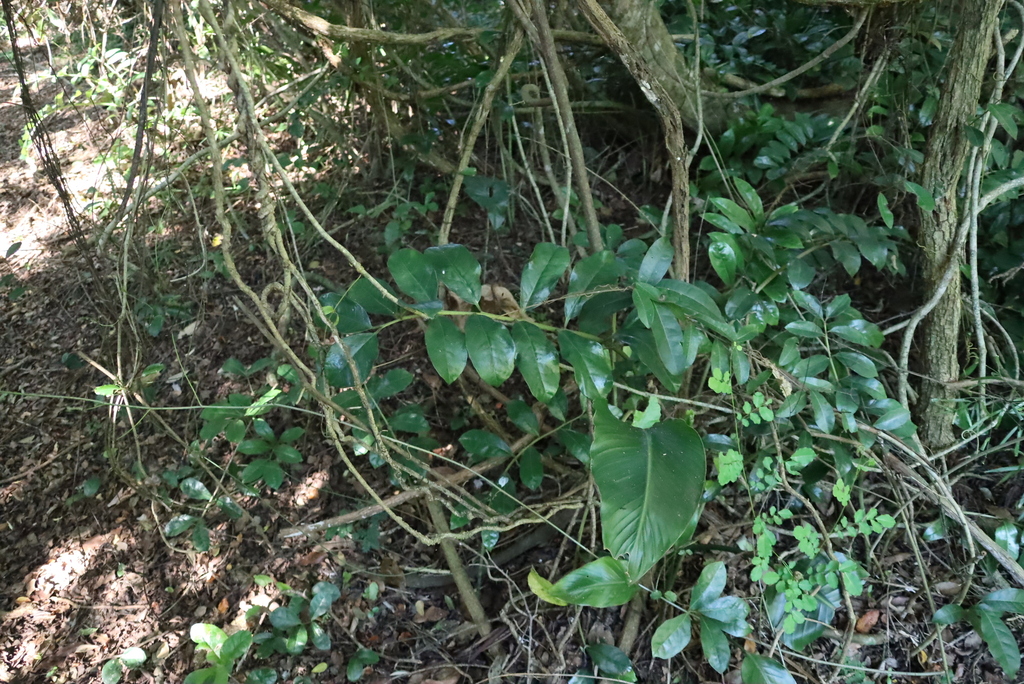
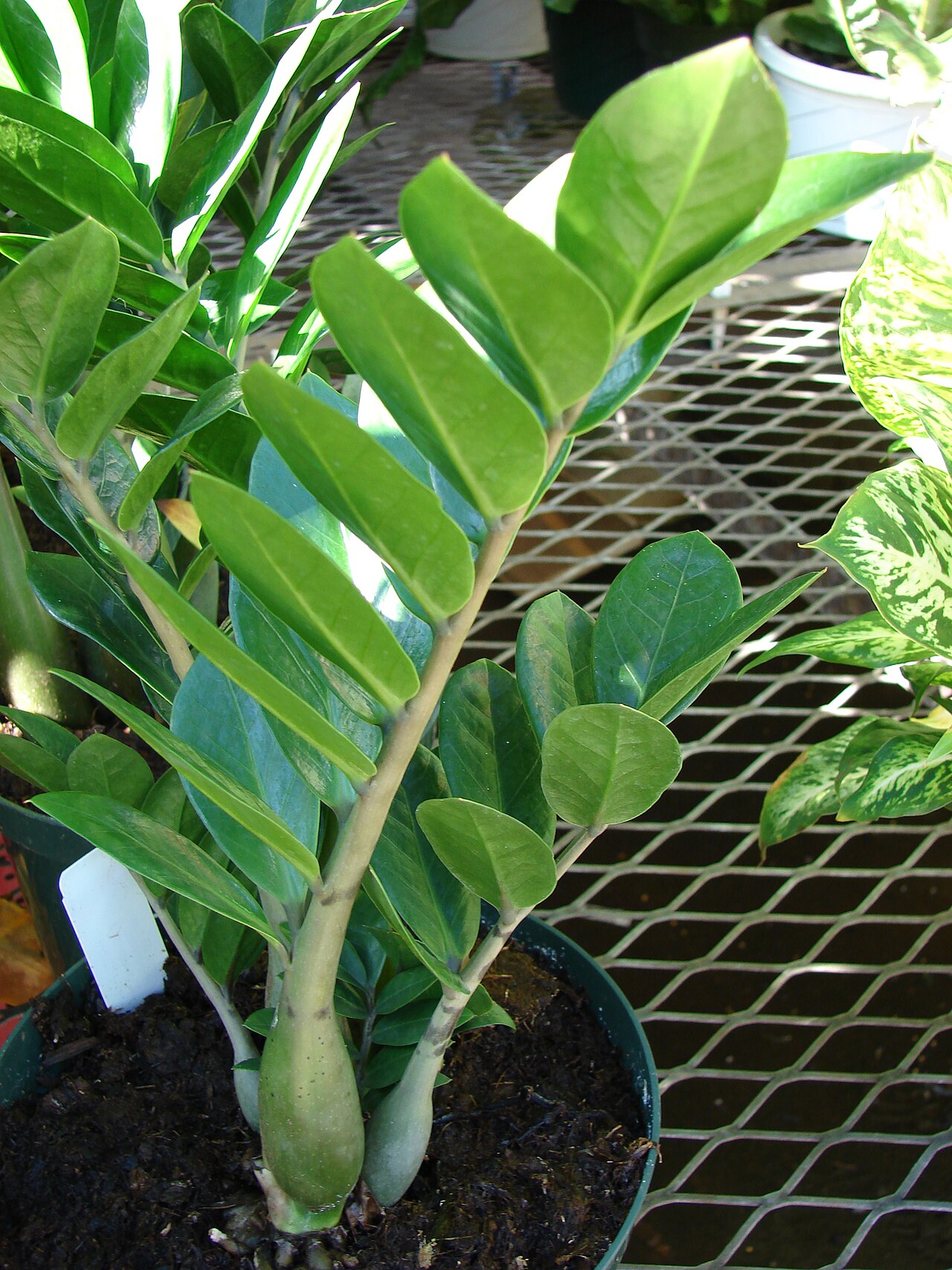
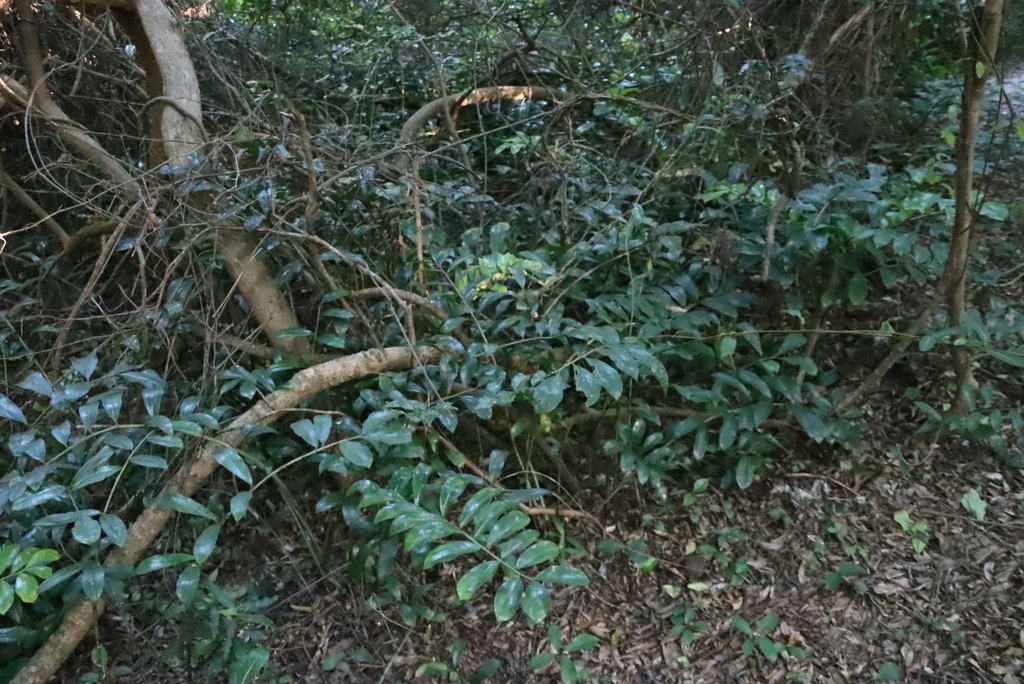
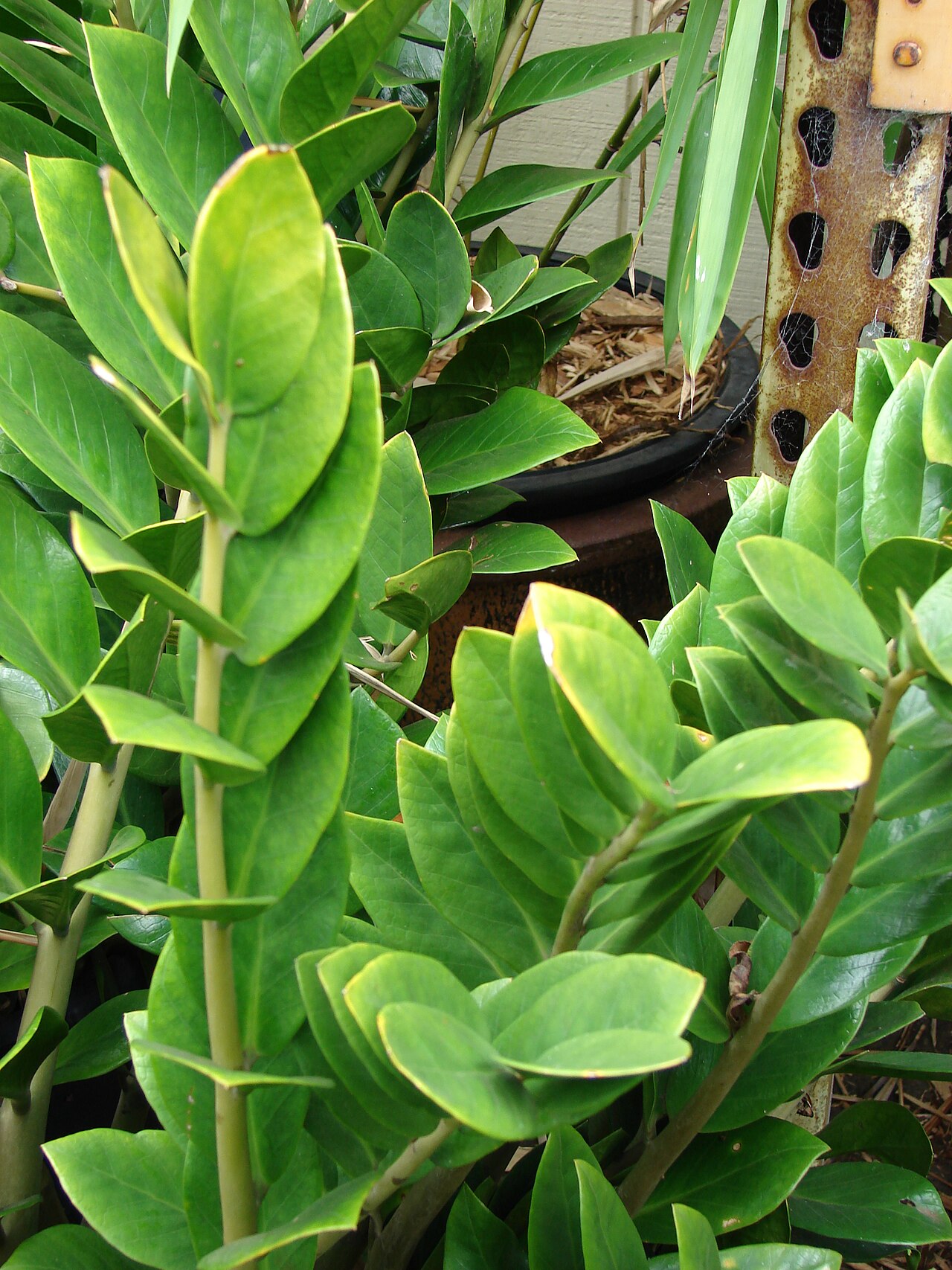
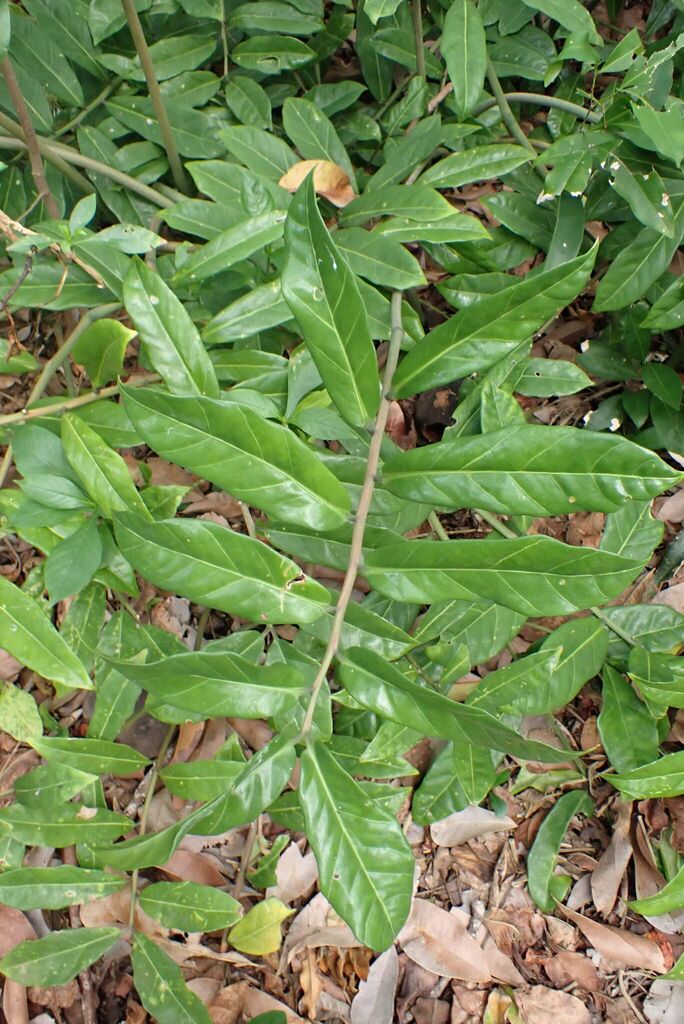
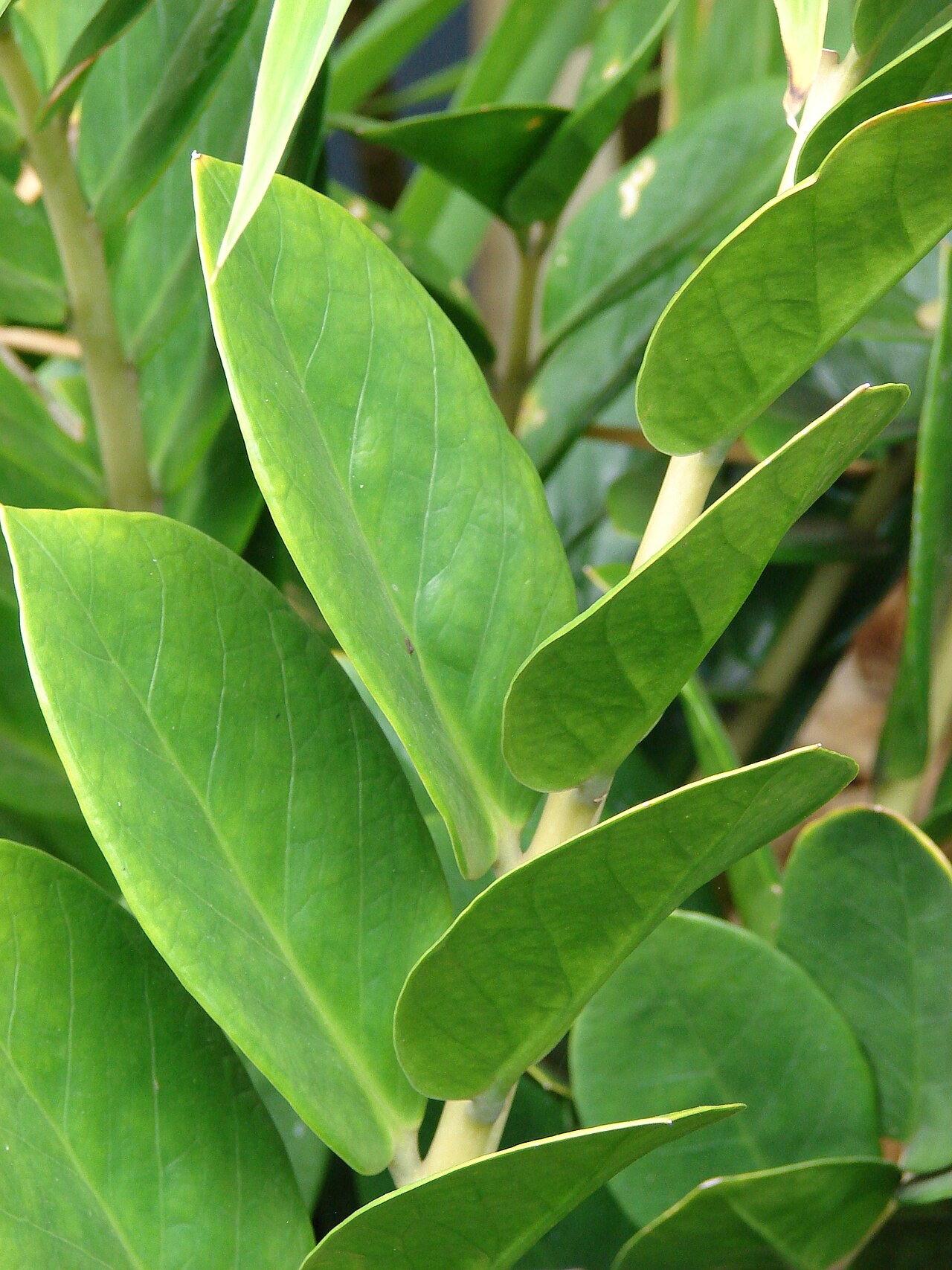
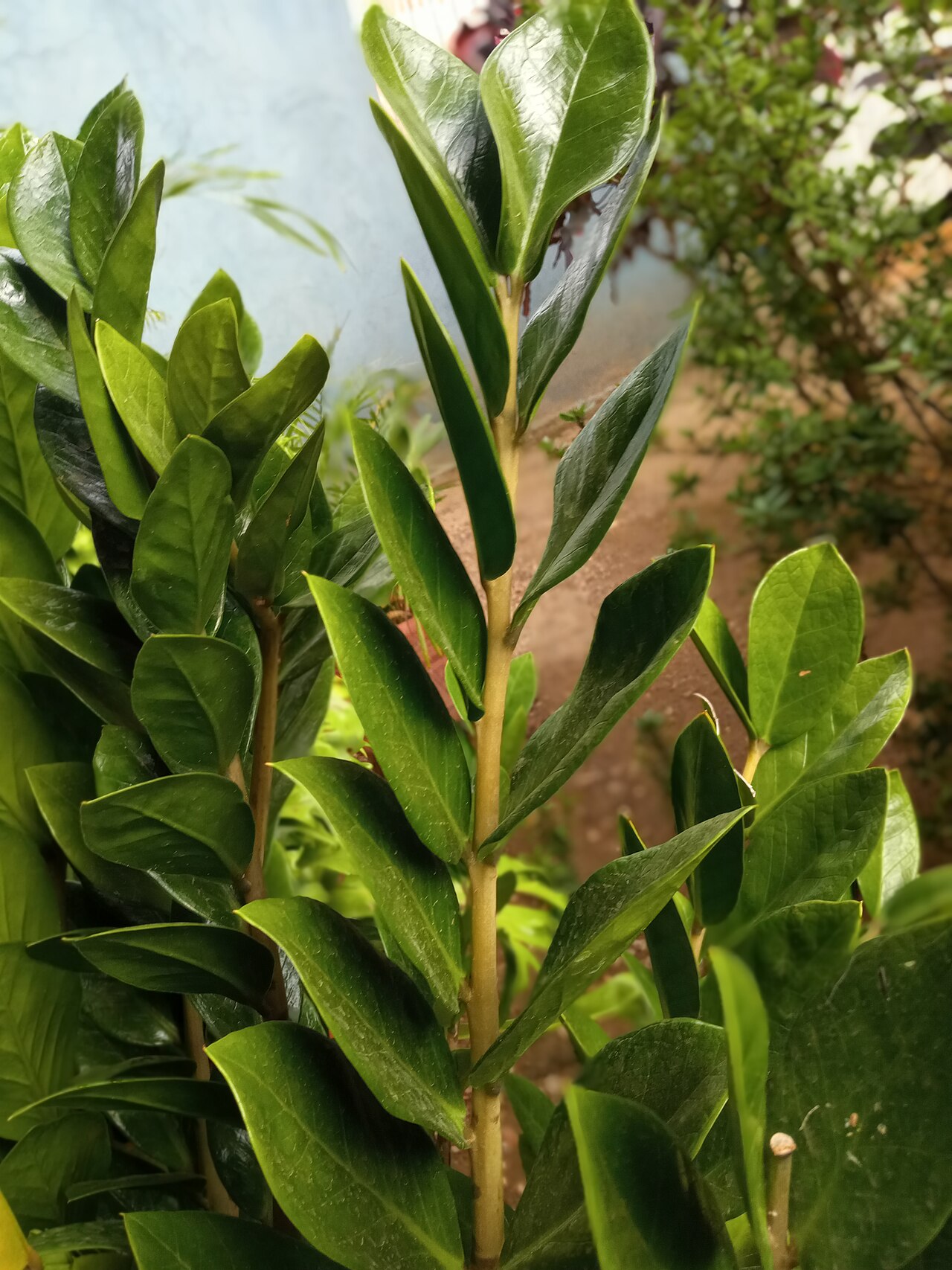
LeavesPhoto: Andrew Deacon, CC0, from iNaturalist 
LeavesPhoto: Martin Tlustos, CC0, from iNaturalist 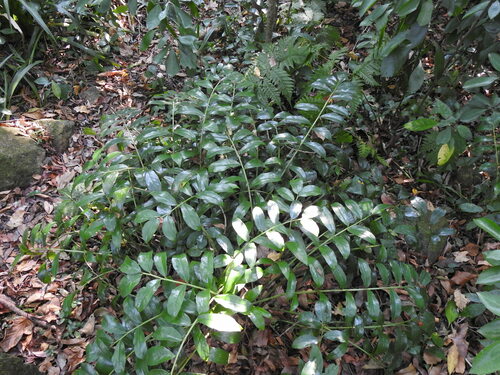
LeavesPhoto: katuchka, CC BY 4.0, from iNaturalist 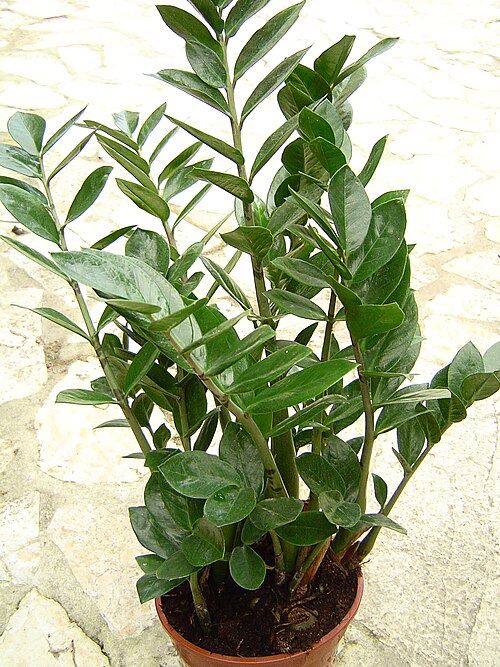
Photo: User:WeFt, CC BY-SA 3.0, from Wikimedia Commons 
Photo: Tony Rebelo, CC BY-SA 4.0, from iNaturalist 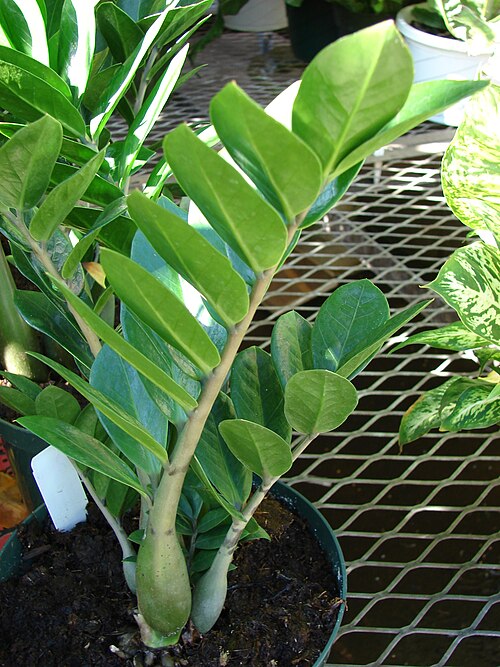
Photo: Forest & Kim Starr, CC BY 3.0, from Wikimedia Commons 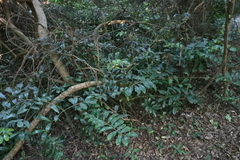
Photo: Tony Rebelo, CC BY-SA 4.0, from iNaturalist 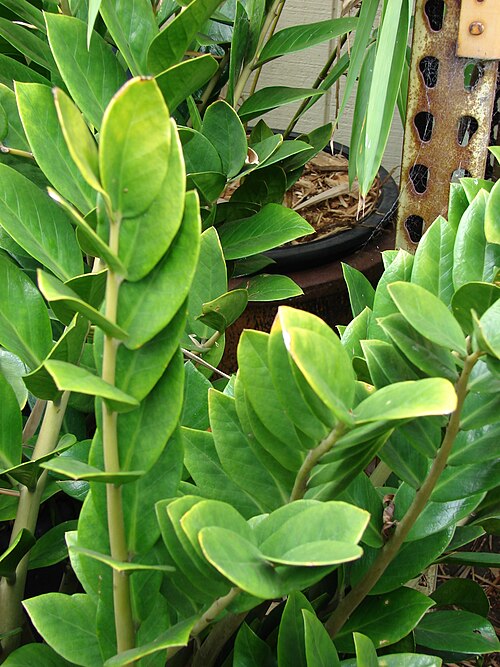
Photo: Forest & Kim Starr, CC BY 3.0, from Wikimedia Commons 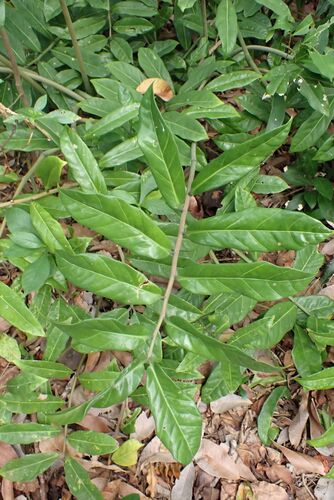
Photo: Andrew Deacon, CC0, from iNaturalist 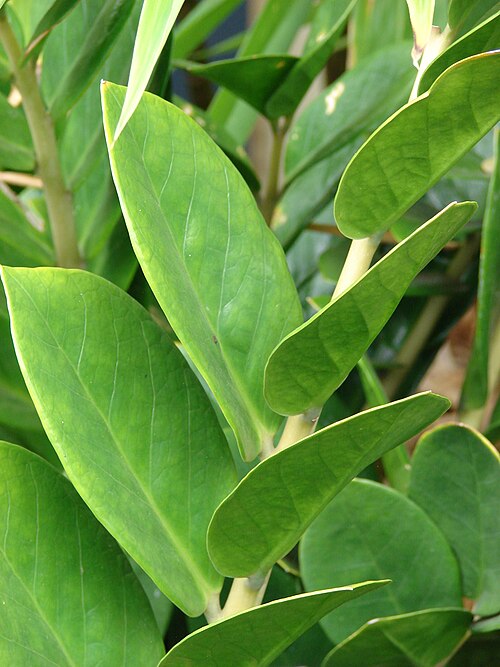
Photo: Forest & Kim Starr, CC BY 3.0, from Wikimedia Commons 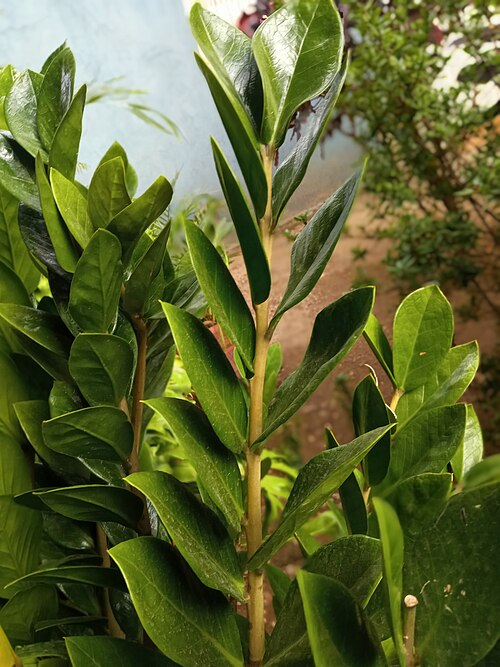
Photo: Muago, CC0, from Wikimedia Commons 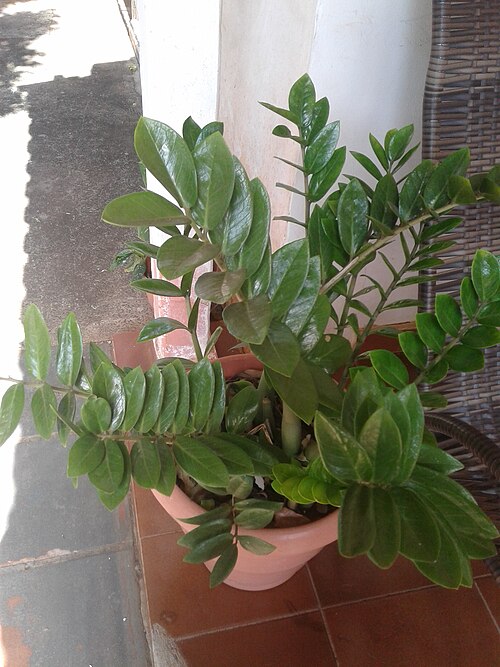
Photo: O fungo azul, CC0, from Wikimedia Commons
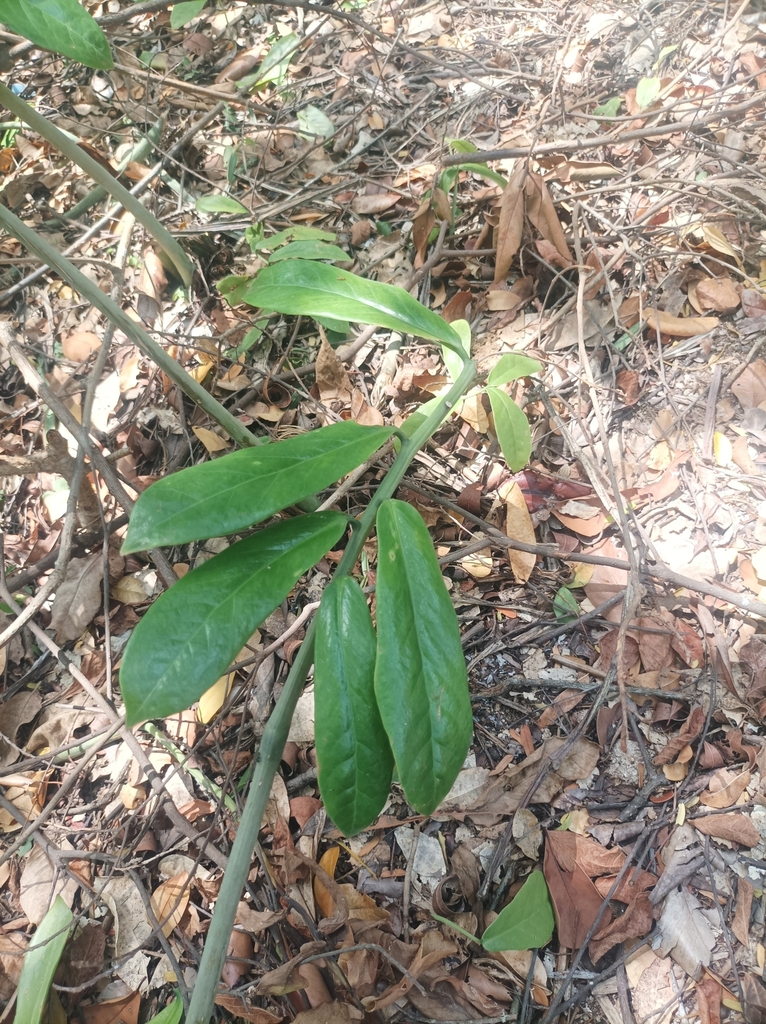
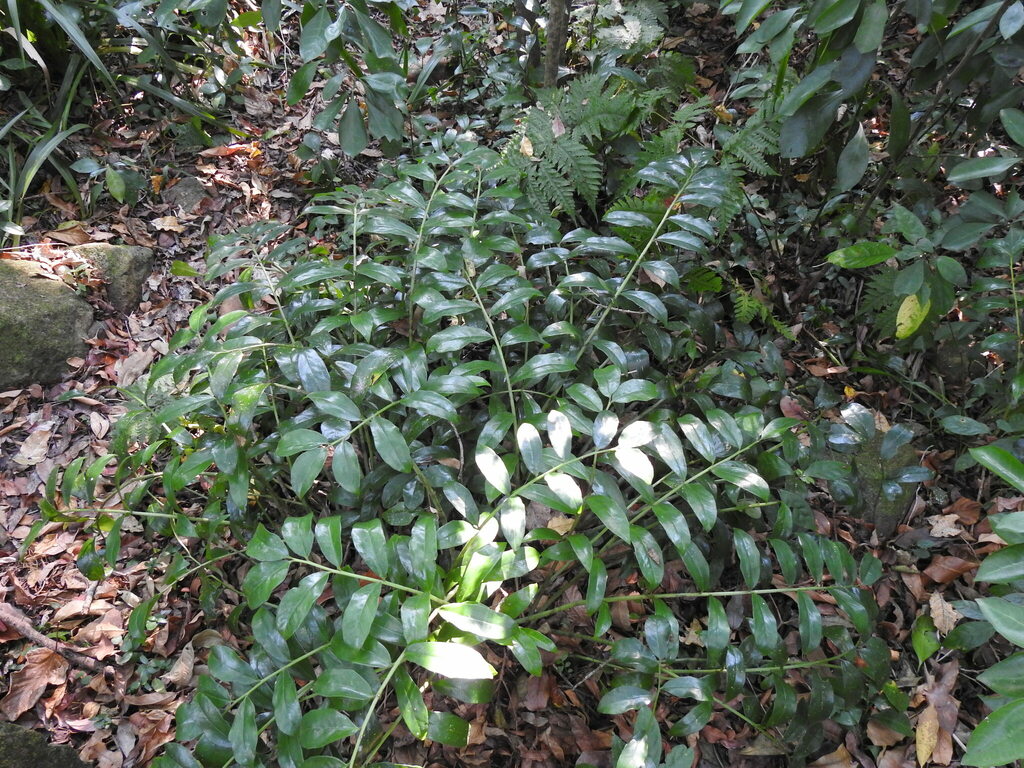
Sources: classification, synonyms from World Flora Online Plant List (2026-06, CC0 1.0); common names, popularity from Wikidata (2026-10-26, CC0 1.0); common names from SimplePlant editors (2026-10-26, CC0 1.0). About our plant data.