
Araceae
Swiss cheese plant
Monstera deliciosa
- Family
- Araceae
- Genus
- Monstera
Pets and kids
- CatsMildly toxic
- DogsMildly toxic
- KidsMildly toxic
Why
Cats: Mildly toxic
Mildly toxic to cats. Toxic principle: insoluble calcium oxalates.
Signs: oral irritation, mouth burning, excessive drooling, vomiting, difficulty swallowing.
- Toxic and Non-toxic Plants: Swiss Cheese Plant - ASPCA ASPCA Animal Poison Control
Dogs: Mildly toxic
Mildly toxic to dogs. Toxic principle: insoluble calcium oxalates.
Signs: oral irritation, mouth burning, excessive drooling, vomiting, difficulty swallowing.
- Toxic and Non-toxic Plants: Swiss Cheese Plant - ASPCA ASPCA Animal Poison Control
Kids: Mildly toxic
Mildly toxic to young children. Toxic principle: calcium oxalate crystals.
Signs: oral irritation, burning mouth pain, throat swelling, stomach upset, skin irritation.
- Toxic Plants (by common name) - UC Agriculture and Natural Resources University or extension
- Monstera as a Houseplant - Penn State Extension University or extension
Ate some? Call your vet or the ASPCA Animal Poison Control Center at (888) 426-4435 (a fee may apply). For a child, call Poison Help at 1-800-222-1222 (US). If they are struggling to breathe or collapse, call 911. Don't give anything by mouth unless a vet or poison expert tells you to.
Is yours looking unwell? Scan your plant — free
How to care for Swiss cheese plant
Give your Swiss cheese plant bright indirect light, water thoroughly only when the top few inches of chunky potting mix have dried, and provide a sturdy support for its climbing stems.
Light
Monstera deliciosa thrives indoors in bright, indirect light near an east- or west-facing window, or positioned slightly back from a south-facing window. Harsh, direct sun scorches the foliage, leaving bleached or papery brown burn marks. In insufficient light, the plant grows leggy with elongated, weak stems, and juvenile leaves fail to develop their characteristic splits and holes.
- Filter strong midday sunlight with a sheer curtain to prevent foliage burn.
- Wipe dust off the broad leaves periodically so they can absorb light effectively.
- Rotate the pot a quarter turn every few weeks to keep growth balanced and upright.
- Move the plant to a brighter spot if newly unfurled leaves consistently lack fenestrations.
Sources: Monstera as a Houseplant · How to grow Swiss cheese plants / RHS Growing Guide
Watering
Water thoroughly only after the top one to two inches—or the top quarter—of the potting mix feels completely dry to the touch. Gauge moisture by inserting a finger deep into the soil or lifting the pot, which feels notably light when dry. Drench the root ball until water drains freely from the base, then promptly empty the collection tray. Reduce watering frequency in autumn and winter as lower light and cooler temperatures slow growth.
- Never leave the pot standing in runoff water, as saturated roots quickly suffocate and rot.
- Determine watering by checking soil dryness rather than adhering to a strict calendar routine.
- Check that the soil is genuinely dry before assuming wilting foliage indicates thirst.
- Use room-temperature water or rainwater to hydrate the root system without chilling it.
Sources: Monstera as a Houseplant · How to grow Swiss cheese plants / RHS Growing Guide · Monstera deliciosa (Ceriman, Cutleaf Philodendron, Hurricane Plant, Mexican Breadfruit, Split-leaf Philodendron, Swiss Cheese Plant) | North Carolina Extension Gardener Plant Toolbox
Soil and potting
Provide an open, highly porous potting medium that retains moderate moisture while facilitating rapid drainage and root aeration. A commercial potting compost should be amended with coarse orchid bark, perlite, and charcoal to maintain coarse structure and prevent compaction. Always use a container with unobstructed bottom drainage holes to allow surplus moisture to escape. Sturdy terracotta or heavy ceramic containers work best to prevent mature, top-heavy vines from tipping.
- Mix coarse orchid bark and perlite into standard potting soil to ensure continuous root airflow.
- Select a heavy ceramic or terracotta container to counterbalance large climbing foliage.
- Verify that drainage holes remain clear and free of compacted debris.
Sources: Monstera as a Houseplant · How to grow Swiss cheese plants / RHS Growing Guide
Humidity and temperature
Keep Monstera in a warm room between 60°F and 85°F (18°C to 25°C), protecting it from cold window drafts and air conditioning. As a native of tropical rainforest understories, it thrives when ambient humidity stays above 50 percent. When indoor heating dries the air, run a room humidifier or place the pot on a tray of wet pebbles. Position the plant well away from active heating radiators and forced-air vents, which cause dry, crispy leaf margins.
- Operate a cool-mist humidifier nearby during winter months to keep relative humidity above 50 percent.
- Place the pot over a tray of damp gravel, ensuring the container base rests above the water line.
- Keep the foliage away from exterior doors and cold windowpanes during freezing winter weather.
Sources: Monstera as a Houseplant · Monstera deliciosa (Ceriman, Cutleaf Philodendron, Hurricane Plant, Mexican Breadfruit, Split-leaf Philodendron, Swiss Cheese Plant) | North Carolina Extension Gardener Plant Toolbox · How to grow Swiss cheese plants / RHS Growing Guide
Feeding
Feed your Monstera with a balanced liquid houseplant fertiliser diluted to half strength every two to four weeks from spring through early autumn. Suspend or drastically reduce feeding through late autumn and winter when growth naturally slows. Always apply liquid fertilizer to damp potting soil rather than bone-dry roots to avoid root burn. Rinse the root zone with clear water occasionally to flush away excess mineral salts.
- Dilute balanced liquid fertiliser to half strength to supply gentle nutrients without salt buildup.
- Never apply fertiliser to a bone-dry root ball; water lightly beforehand to prevent root damage.
- Stop fertilising in autumn and winter when cooler days slow active vegetative development.
Sources: How to grow Swiss cheese plants / RHS Growing Guide · Monstera as a Houseplant
Repotting
Repot your Swiss cheese plant every two to three years in spring when active seasonal growth resumes. Signs that repotting is necessary include roots emerging from drainage holes, water draining instantly through dense root coils, and top-heavy instability. Select a replacement container that is only one to two inches (a few centimetres) larger in diameter than the current pot. Avoid oversized pots, as excess potting mix remains soggy too long and increases the risk of root rot.
- Repot in early spring so roots settle quickly during the peak growing season.
- Size up by only one to two inches in container diameter to prevent waterlogged soil.
- Insert a sturdy moss pole or trellis into the new pot before adding fresh mix to secure climbing stems.
- Direct long aerial roots into the fresh potting mix during repotting.
Sources: How to grow Swiss cheese plants / RHS Growing Guide · Monstera deliciosa (Ceriman, Cutleaf Philodendron, Hurricane Plant, Mexican Breadfruit, Split-leaf Philodendron, Swiss Cheese Plant) | North Carolina Extension Gardener Plant Toolbox
Propagation
Propagate Monstera deliciosa during spring or summer using stem cuttings or air layering. Take a stem cutting that includes at least one healthy leaf, a distinct node, and ideally an aerial root, slicing an inch below the node. Suspend the node in a container of clean water in bright indirect light, or plant it directly into a moist, porous rooting medium. Once robust secondary roots form after several weeks, pot the new cutting into a standard well-draining potting blend.
- Ensure the cutting contains an intact node, as individual leaves without stem tissue cannot form new growth.
- Refresh standing water every few days to keep it clean and oxygenated while rooting.
- Maintain warmth and bright indirect light around new cuttings to encourage rapid root establishment.
Sources: How to grow Swiss cheese plants / RHS Growing Guide · Monstera as a Houseplant · Monstera deliciosa (Ceriman, Cutleaf Philodendron, Hurricane Plant, Mexican Breadfruit, Split-leaf Philodendron, Swiss Cheese Plant) | North Carolina Extension Gardener Plant Toolbox
Leaves and common problems
Most cultural problems on Monstera deliciosa stem from saturated soil, dry ambient air, or poor lighting rather than infectious disease. Heavy, waterlogged soil frequently causes root rot and widespread leaf yellowing. Very dry indoor air and drafts cause brown, crispy edges on the foliage. Common sap-sucking indoor insects can also colonise the leaves and require routine observation.
- Examine leaf undersides and stem crevices routinely for early pest activity.
- Verify soil moisture before troubleshooting yellow foliage to avoid mistaking overwatering for thirst.
- Wipe foliage clean monthly with a damp cloth to remove dust and discourage pests.
Root rot
You see: Yellowing lower leaves, drooping stems, and a sour odor from constantly wet potting soil.
Do: Remove the plant, trim away brown mushy roots, repot into fresh chunky mix, and let the soil surface dry before watering.
You see: Fine webbing beneath leaf joints accompanied by pale speckling across leaf blades.
Do: Isolate the plant, wipe foliage with a damp cloth, spray with insecticidal soap following label directions, and raise humidity.
Leaf scorch
You see: Crispy, bleached, or dark brown patches appearing on foliage facing direct midday sun.
Do: Move the plant back from the window or diffuse strong sunlight with a sheer curtain.
Lack of fenestrations
You see: New leaves unfurl small, solid, and without characteristic holes or margin splits.
Do: Gradually relocate the plant into brighter indirect light and attach climbing stems to a vertical moss pole.
Brown crispy leaf tips
You see: Dry, brittle leaf margins and curling edges, especially during winter heating.
Do: Move the plant away from radiators or heat vents, and increase ambient moisture using a humidifier or pebble tray.
Scale insects
You see: Small brown oval bumps clustered along stems and leaf veins, often leaving sticky honeydew.
Do: Rub pests off using a cotton swab dipped in rubbing alcohol, then wash the foliage with insecticidal soap.
Sources: Monstera as a Houseplant · How to grow Swiss cheese plants / RHS Growing Guide
Is it safe for pets and children?
Cats, dogs and young children: see our checked verdict and its sources, or open it in the pet-safety checker.
Handling safely
- Wear protective gardening gloves when cutting stems, repotting, or handling sap to avoid skin irritation.
- Disinfect shears or knives before and after use, and store all sharp pruning tools safely away from children and pets.
- When applying treatments such as insecticidal soap, follow all package directions carefully and keep sprays stored out of reach of children and pets.
Written from 3 cited sources, mostly university extension services and botanical gardens, and checked by a reviewer before publishing (October 27, 2026).
Common names
By language (11)
- Arabic
- بردروم
- Bangla
- সিংহের থাবা
- Chinese
- 電信蘭, 龜背芋
- English
- Swiss cheese plant, Tarovine, Fruit salad plant, Split-leaf philodendron
- Estonian
- Monstera
- Finnish
- Filodendron, Pikkupeikonlehti
- French
- Cériman, Fruit délicieux, Fruit à pain mexicain
- Japanese
- モンステラ・デリシオサ
- Portuguese
- Bambu do brejo, Bambu-do-brejo, Banana do brejo, Banana do mato, Banana-do-brejo, Banana-do-mato, Costela de Adão
- Russian
- Монстера привлекательная
- Spanish
- Balazo, Ceriman, Cerimán, Costilla de Adan, Costilla de Adán, Filodendron, Mano de tigre, Pinanona
Synonyms
- Monstera borsigiana K.Koch
- Monstera borsigiana Engl.
- Monstera deliciosa var. borsigiana (K.Koch) Engl.
- Monstera deliciosa var. sierrana G.S.Bunting
- Monstera lennea K.Koch
- Monstera lenneana K.Koch
- Philodendron anatomicum Kunth & C.D.Bouché
- Philodendron fenestratum Linden
- Philodendron pertusum Kunth & C.D.Bouché
- Tornelia fragrans Gutierrez ex Schott
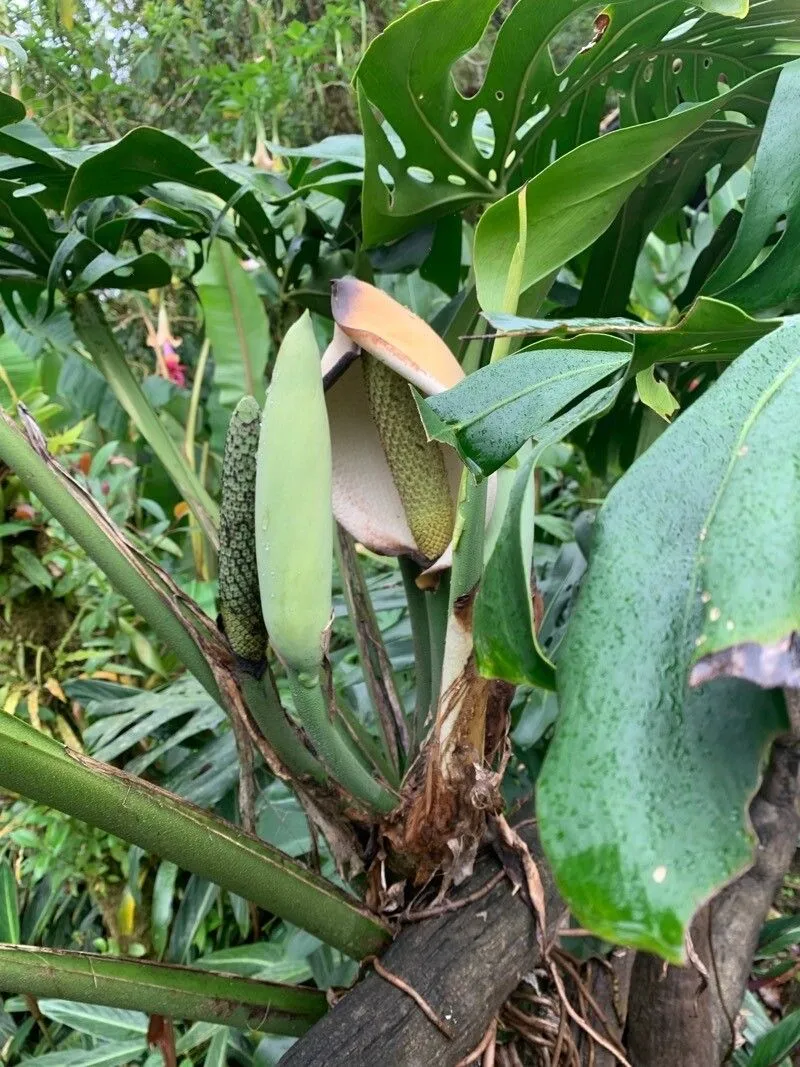
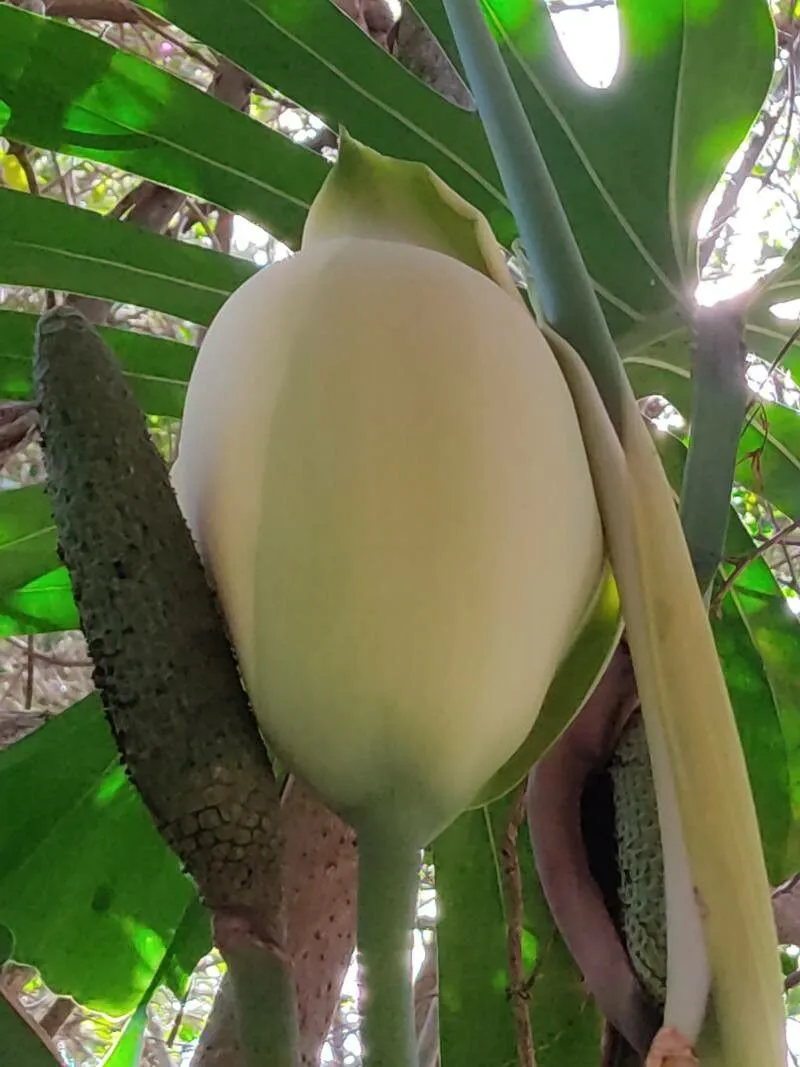
Flowers
- In flower
- January to October (from 359 flowering iNaturalist observations worldwide)
Characteristics
- Growth habit
- Forb/herb, Vine
- Lifespan
- Perennial
- In the US and Canada
- Lower 48 states: introduced, Puerto Rico: introduced, U.S. Virgin Islands: introduced
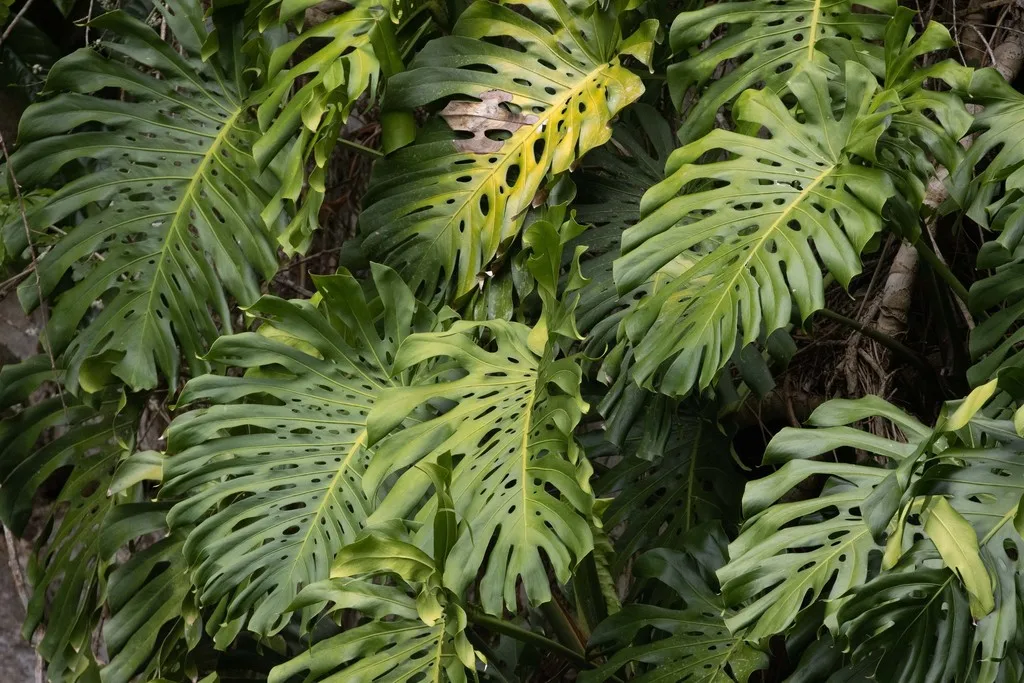
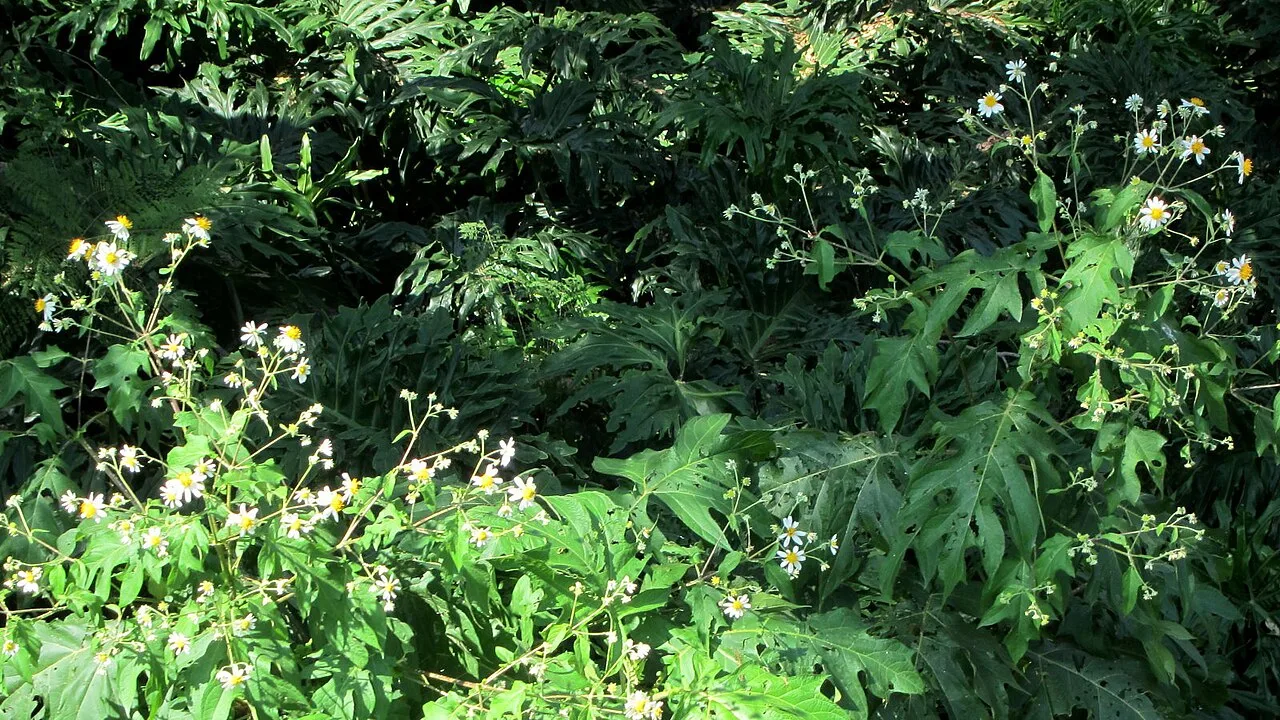
Photos
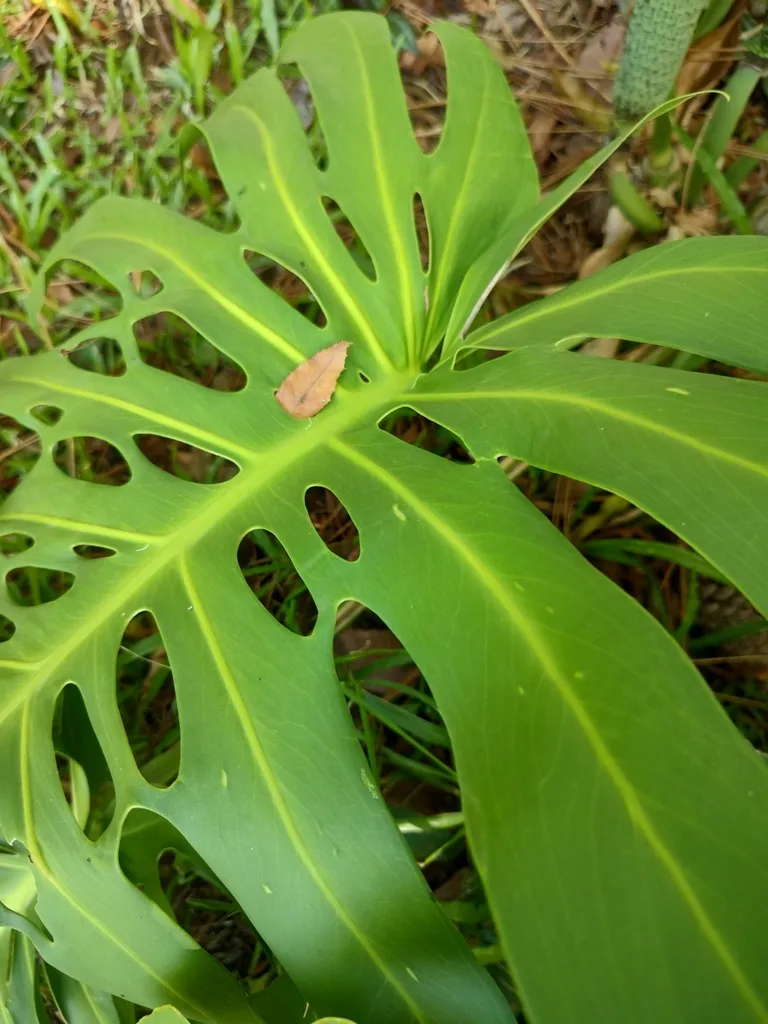
FlowerPhoto: André Nogueira Thomas, CC BY 4.0, from iNaturalist 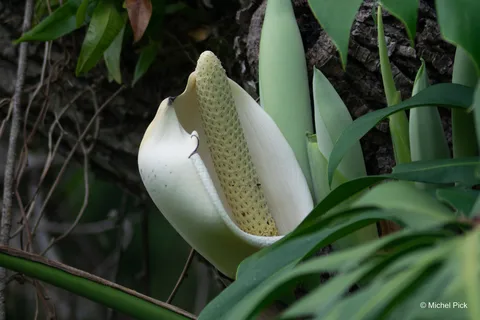
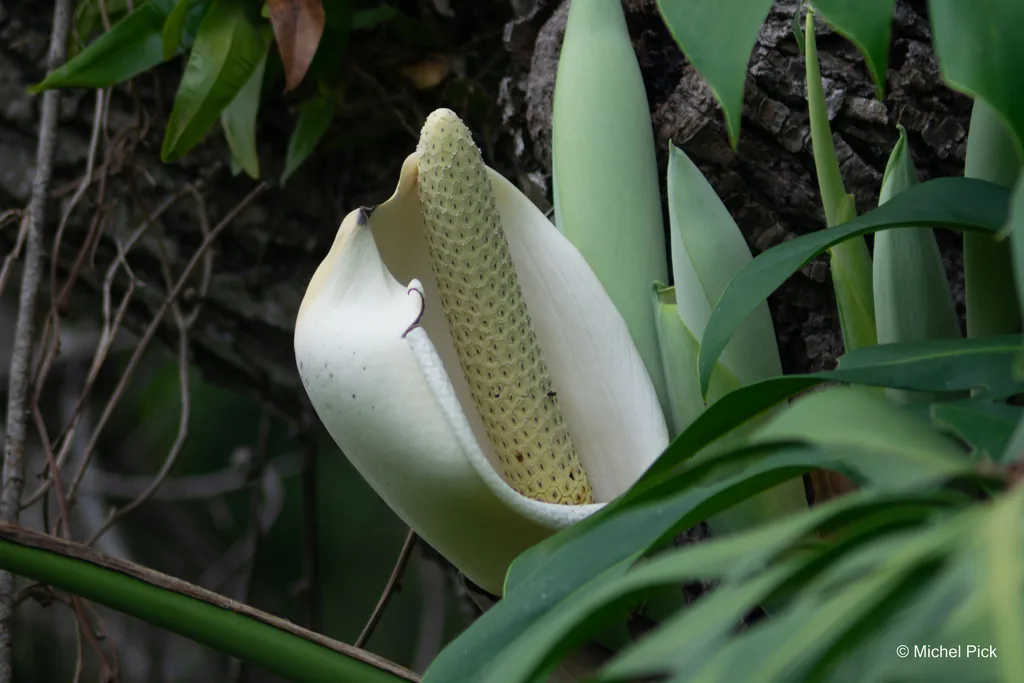
FlowerPhoto: Michel Pick, CC BY 4.0, from iNaturalist 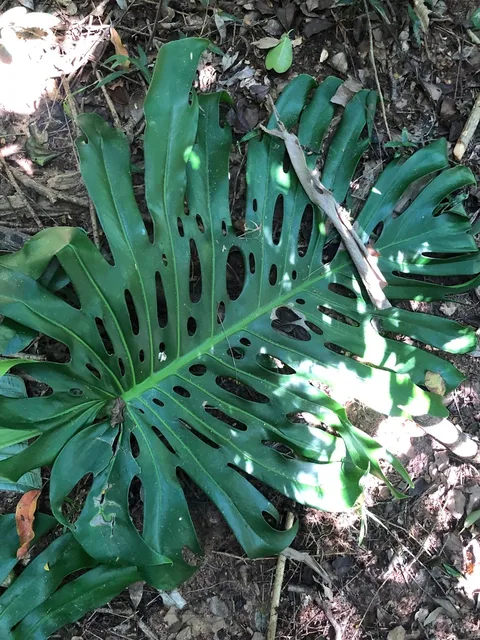
FlowerPhoto: Sunčana Bradley, CC BY 4.0, from iNaturalist 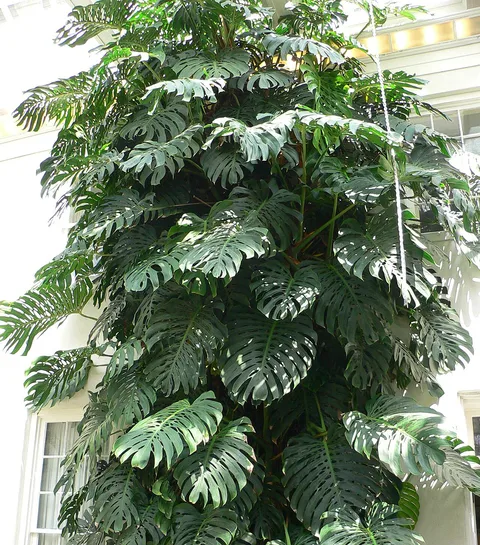
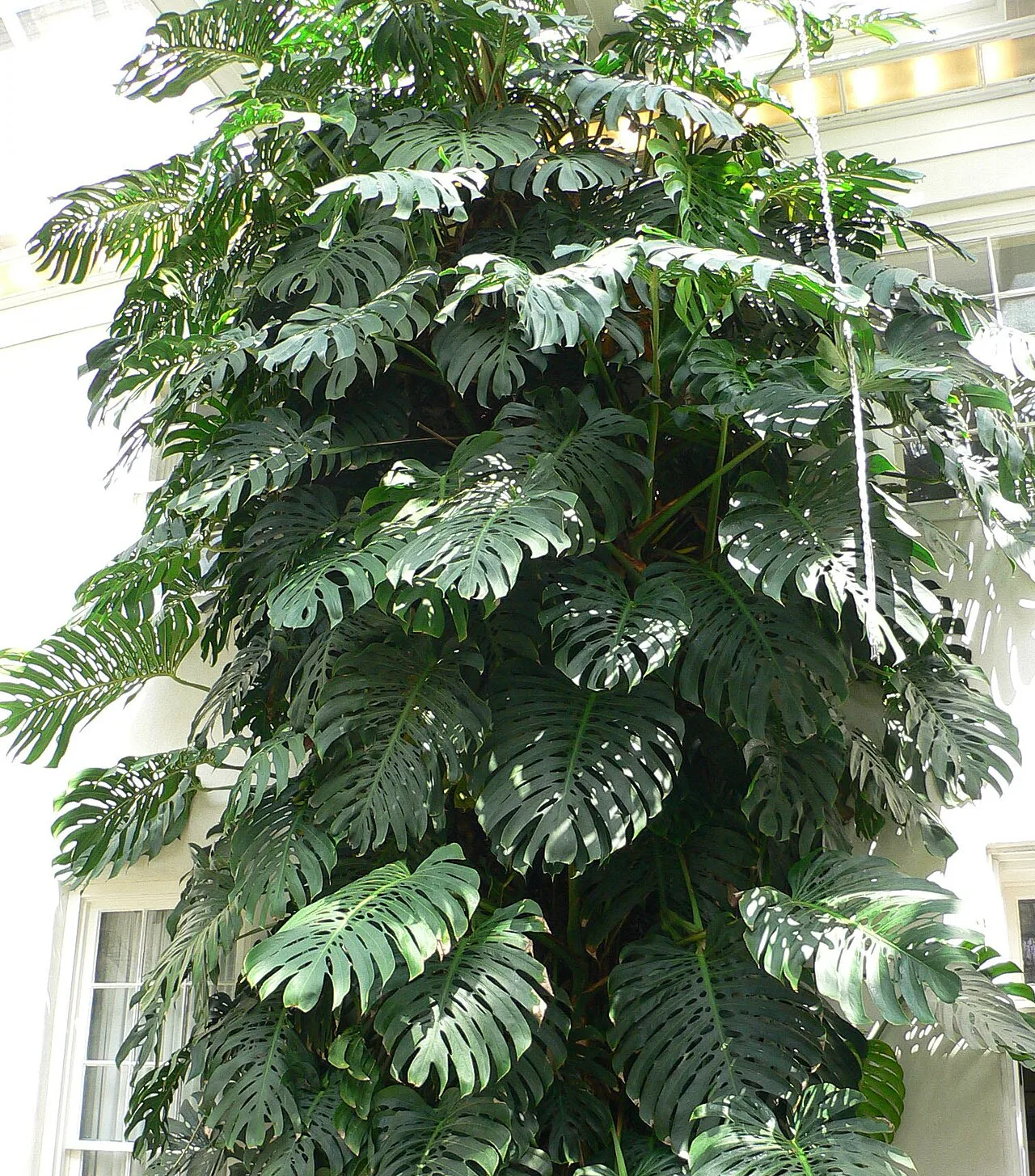
Photo: Wikimedia Commons contributor, CC BY-SA 3.0, from Wikimedia Commons 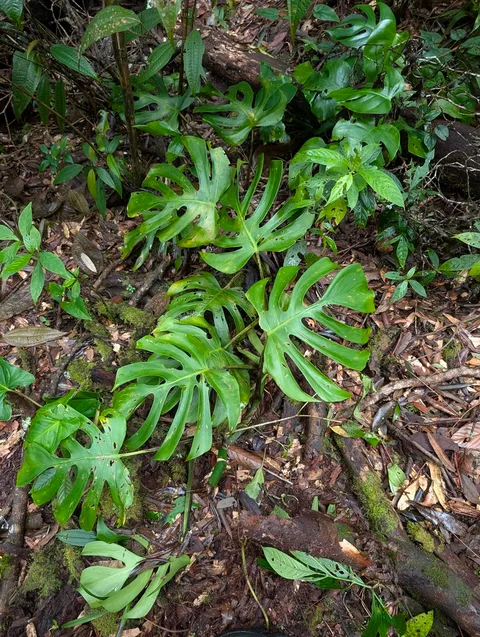
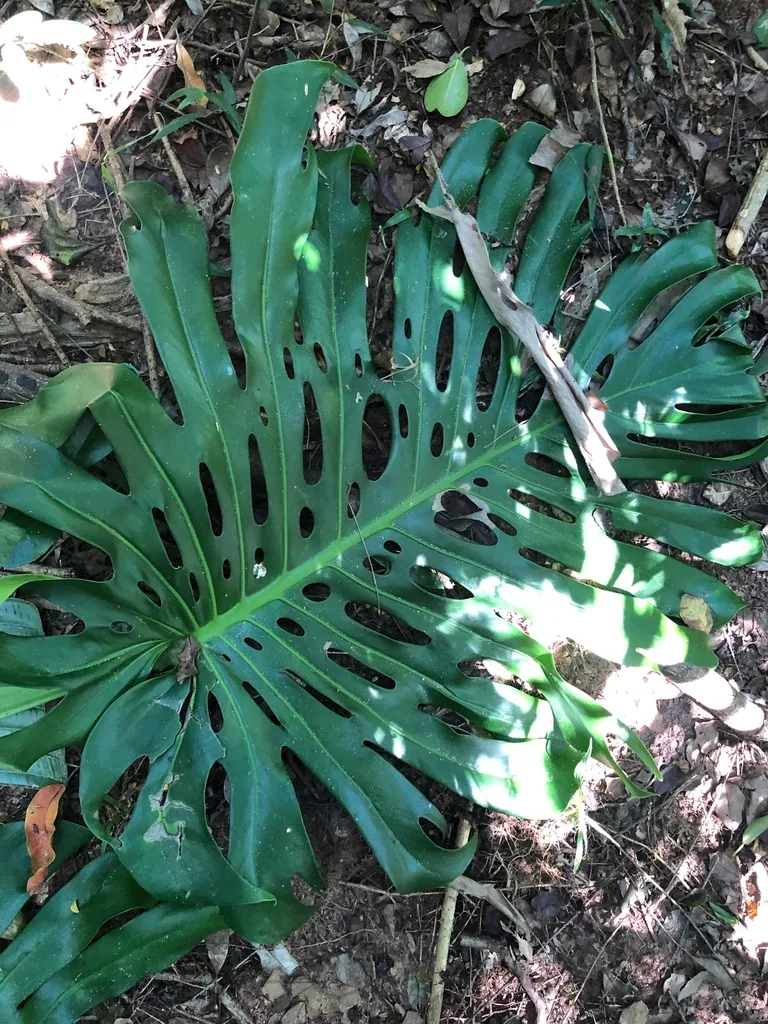
Photo: Trevor Van Loon, CC BY 4.0, from iNaturalist 
Photo: Daniel Capilla, CC BY-SA 4.0, from Wikimedia Commons 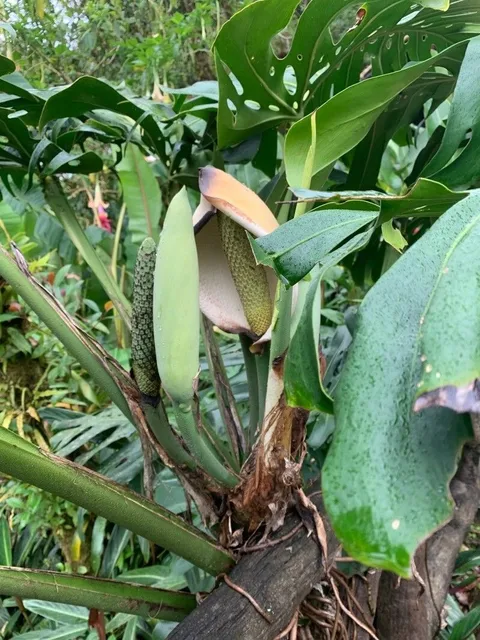
Photo: plant gal, CC BY-SA 4.0, from Pl@ntNet via GBIF 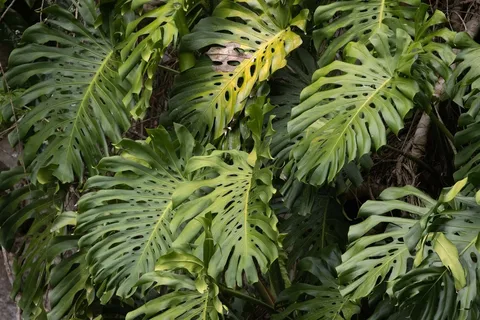
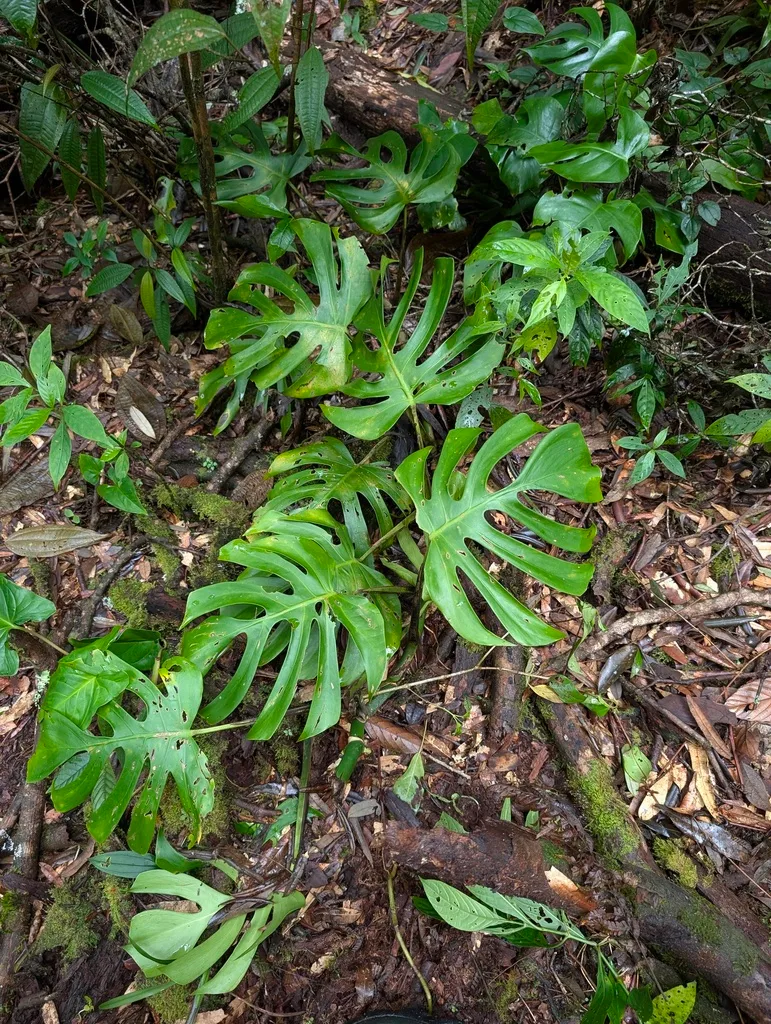
Photo: avocat, CC BY 4.0, from iNaturalist 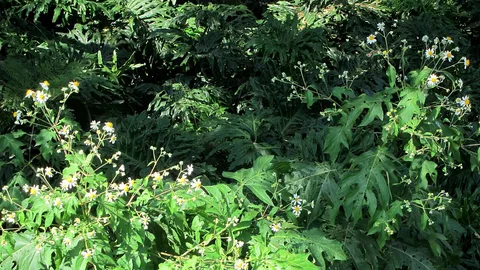
Photo: cultivar413 from Fallbrook, California, CC BY 2.0, from Wikimedia Commons 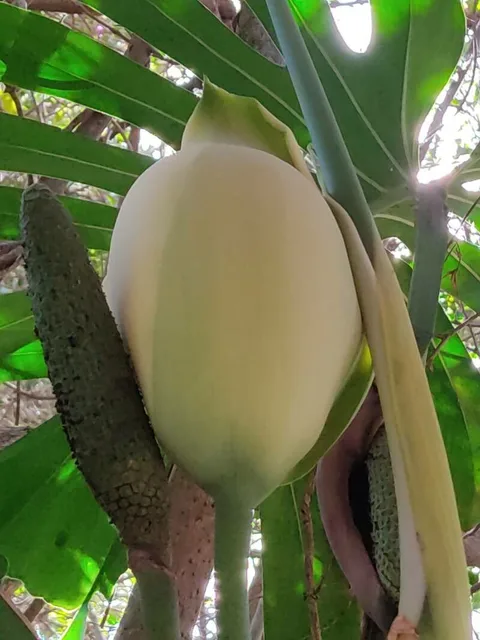
Photo: Eduardo Hernández, CC BY-SA 4.0, from Pl@ntNet via GBIF 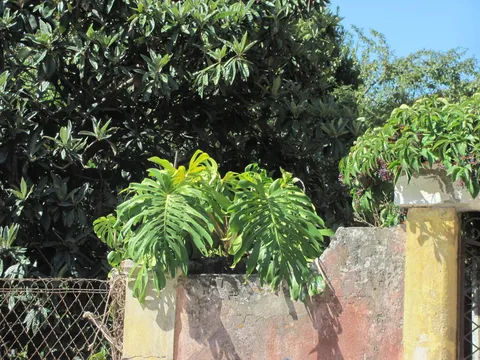
Photo: zebedeugalinha, CC BY 4.0, from iNaturalist 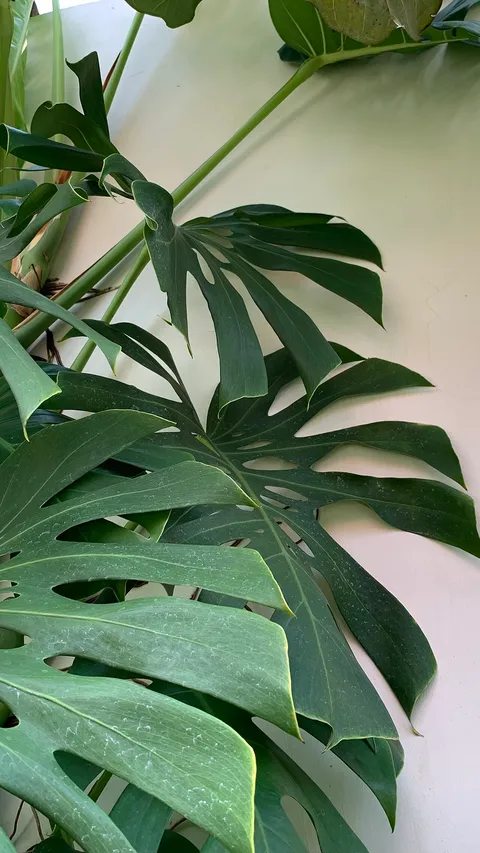
Photo: Aqilla Rahmi, CC BY 4.0, from Wikimedia Commons

More in Monstera
- Swiss cheese vineMonstera adansoniiAraceae
- Monstera obliquaAraceae
- Monstera dubiaAraceae
- Monstera tuberculataAraceae
- Monstera acuminataAraceae
- Monstera epipremnoidesAraceae
- Monstera siltepecanaAraceae
- Monstera tenuisAraceae
- Monstera acacoyaguensisAraceae
- Monstera buseyiAraceae
- Monstera glaucescensAraceae
- Monstera gracilisAraceae
Sources: classification, synonyms from World Flora Online Plant List (2026-06, CC0 1.0); common names, popularity from Wikidata (2026-10-26, CC0 1.0); common names, US characteristics from USDA PLANTS Database (2025-05-29, CC0 1.0); common names from SimplePlant editors (2026-10-26, CC0 1.0). About our plant data.