
Marantaceae
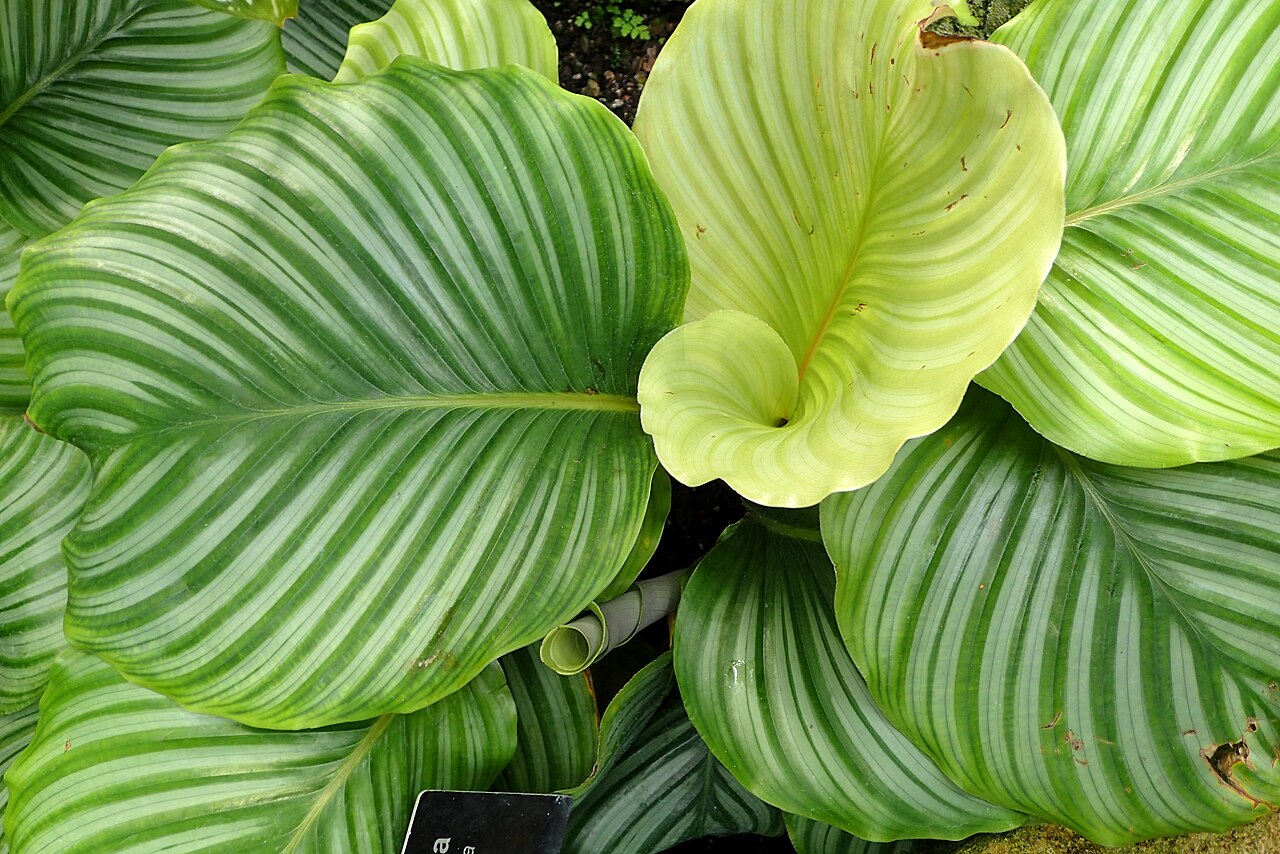
Calathea orbifolia
Goeppertia orbifolia
- Family
- Marantaceae
- Genus
- Goeppertia
Pets and kids
- CatsSafe
- DogsSafe
- KidsNot sure
Why
Cats: Safe
Sources below say it is non-toxic to cats. Any plant can upset a stomach if a lot is eaten.
- Goeppertia orbifolia | North Carolina Extension Gardener Plant Toolbox University or extension
Dogs: Safe
Sources below say it is non-toxic to dogs. Any plant can upset a stomach if a lot is eaten.
- Goeppertia orbifolia | North Carolina Extension Gardener Plant Toolbox University or extension
Kids: Not sure
We found no reliable source on this plant for young children, so we don't call it safe. Keep it out of reach until you have checked with a doctor or poison control.
Is yours looking unwell? Scan your plant — free
Is Calathea orbifolia safe for cats, dogs and kids?
Is Calathea orbifolia safe for cats?
Our sources call Calathea orbifolia non-toxic to cats. Any plant can upset a stomach if a lot is eaten.
- Goeppertia orbifolia | North Carolina Extension Gardener Plant Toolbox University or extension
Is Calathea orbifolia safe for dogs?
Our sources call Calathea orbifolia non-toxic to dogs. Any plant can upset a stomach if a lot is eaten.
- Goeppertia orbifolia | North Carolina Extension Gardener Plant Toolbox University or extension
Is Calathea orbifolia safe for kids?
We found no reliable source on this plant for young children, so we don't call it safe. Keep it out of reach until you have checked with a doctor or poison control.
Ate some? Call your vet or the ASPCA Animal Poison Control Center at (888) 426-4435 (a fee may apply). For a child, call Poison Help at 1-800-222-1222 (US). If they are struggling to breathe or collapse, call 911. Don't give anything by mouth unless a vet or poison expert tells you to.
See all cat-safe plants, dog-safe plants and child-safe plants.
Similar names and close relatives
A shared name doesn't mean a shared answer: check the exact plant.
- Goeppertia makoyana Goeppertia makoyanasame genusCats: Safe; Dogs: Safe; Kids: Safe
How to care for Calathea orbifolia
Place your Calathea orbifolia in warm, humid conditions with bright indirect light, keeping the soil consistently damp using distilled water or rainwater.
Light
Position Goeppertia orbifolia in bright, indirect light or gentle partial shade where direct sun cannot reach the foliage. Direct sun exposure quickly bleaches the striped patterns and scorches the tender leaf blades. Insufficient lighting causes the silver-green coloration to fade and slows overall growth.
- Keep the plant near an east-facing window or set back several feet from a south-facing window with sheer curtains.
- Gently wipe the broad leaves with a damp cloth on a regular basis to clear away dust that impedes photosynthesis.
Source: Goeppertia orbifolia | North Carolina Extension Gardener Plant Toolbox
Watering
Keep the potting mix evenly and consistently moist, never letting it become waterlogged or completely dry out. Gauge soil moisture by feeling the top inch of the medium and noting when the pot feels noticeably lighter. Thirsty foliage tends to curl inward along the leaf edges, while constantly soggy substrate causes yellowing and root decay. Water more frequently during active summer growth and reduce intake during darker winter months.
- Irrigate with distilled water or gathered rainwater, as fluoride in ordinary tap water causes brown leaf tips.
- Direct water into the potting mix rather than splashing the foliage to reduce the chance of fungal spotting.
- Always empty the drip saucer after watering so the roots never rest in standing water.
Source: Goeppertia orbifolia | North Carolina Extension Gardener Plant Toolbox
Soil and potting
Use a light, airy, well-draining potting compost that retains moisture without packing down tightly. A blend of peat-free potting compost enriched with perlite and fine orchid bark provides the ideal structure. Always pot this plant in a container fitted with ample bottom drainage holes.
- Select a slightly acidic potting substrate to best support healthy root uptake.
- Add coarse perlite to the mix to keep air channels open around the root system.
Source: Goeppertia orbifolia | North Carolina Extension Gardener Plant Toolbox
Humidity and temperature
Maintain warm household temperatures between 65°F and 75°F (18°C to 24°C) with ambient humidity levels of at least 60%. Low indoor humidity quickly causes the wide leaves to curl and develop dry, brown borders. Protect the plant from cold drafts, air conditioner blasts, and nearby heating radiators.
- Operate a cool-mist room humidifier nearby to maintain steady ambient moisture.
- Place the plant container over a shallow tray filled with pebbles and water, keeping the pot base above the water line.
Source: Goeppertia orbifolia | North Carolina Extension Gardener Plant Toolbox
Feeding
Feed your plant monthly during the active spring and summer growing season. Use a balanced liquid houseplant fertiliser diluted to half the recommended strength to protect tender feeder roots. Stop fertilising entirely throughout the autumn and winter resting period.
- Always apply liquid fertilizer to pre-moistened soil to prevent root burn.
- Do not overfeed, as excessive mineral salts lead to scorched leaf margins.
Source: Goeppertia orbifolia | North Carolina Extension Gardener Plant Toolbox
Repotting
Repot in the spring when the plant outgrows its container or roots fill the pot. Choose a container that is only one to two inches wider than the current pot to avoid an excessive volume of slow-drying soil. Take care to handle the delicate root ball and underground rhizomes gently during the transfer.
- Water the plant thoroughly the day before repotting to minimize transplant stress.
- Keep the base of the plant at the exact same depth in the new pot as it was previously.
Source: Goeppertia orbifolia | North Carolina Extension Gardener Plant Toolbox
Propagation
Propagate Goeppertia orbifolia by dividing rhizomes in the spring during repotting. Gently remove the plant from its container and separate individual shoot clumps that possess their own roots and foliage. Pot the divisions into fresh, moist potting mix and maintain high humidity until they establish.
- Do not try stem or leaf cuttings, as this species cannot generate new shoots without an existing rhizome and crown.
- Keep newly separated divisions in gentle, filtered shade until active root growth resumes.
Source: Goeppertia orbifolia | North Carolina Extension Gardener Plant Toolbox
Leaves and common problems
Problems typically arise from low air humidity, overwatering, or tap water minerals. Saturated soil leads quickly to root rot, while dry atmosphere and underwatering cause leaves to roll and crisp. Keep watch for indoor pests including spider mites, aphids, mealybugs, and scale insects.
- Inspect leaf undersides weekly for early signs of fine spider mite webbing.
- Keep foliage dry during watering routines to prevent fungal leaf spot outbreaks.
root rot
You see: Leaves turn yellow and droop while the potting mix remains soggy, accompanied by dark, mushy roots.
Do: Cut away decayed, mushy root sections, repot into fresh, well-draining soil, and allow the top inch of soil to dry before watering.
You see: Fine webbing visible beneath broad leaf blades along with yellow stippling across the surface.
Do: Wipe the leaves thoroughly with a moist cloth and spray all leaf surfaces with insecticidal soap according to label instructions.
brown leaf tips
You see: Dry, crispy brown margins and tips appearing on the broad leaves.
Do: Switch to distilled water or collected rainwater to avoid fluoride sensitivity, and elevate room humidity above 60%.
curling leaves
You see: Leaf margins roll inwards along their length and the foliage feels limp.
Do: Check root moisture promptly, provide a deep watering if the soil is dry, and increase ambient room humidity.
faded leaves
You see: The silvery-green striped coloration turns dull and pale.
Do: Move the plant into a spot with brighter, filtered indirect light, shielding it from direct sunlight.
Source: Goeppertia orbifolia | North Carolina Extension Gardener Plant Toolbox
Is it safe for pets and children?
Cats, dogs and young children: see our checked verdict and its sources, or open it in the pet-safety checker.
Handling safely
- Wear gardening gloves and clean shears when dividing rhizomes or trimming foliage to prevent cuts and skin irritation.
- Store insecticidal soaps and fertilisers in their original labelled containers away from children and pets.
Written from 1 cited source, mostly university extension services and botanical gardens, and checked by a reviewer before publishing (October 27, 2026).
Common names
By language (4)
- Chinese
- 圆叶肖竹芋, 青苹果竹芋
- English
- Calathea orbifolia
- Indonesian
- Meranti sepat daun besar
- Macedonian
- Калатхеа орбифолија
Synonyms
- Calathea orbifolia (Linden) H.Kenn.
- Calathea rotundifolia (K.Koch ex Horan.) Körn.
- Maranta orbifolia Linden
- Maranta rotundifolia hort. ex Körn.
- Phyllodes rotundifolia (Körn.) Kuntze
- Thalia rotundifolia K.Koch ex Horan.
Photos
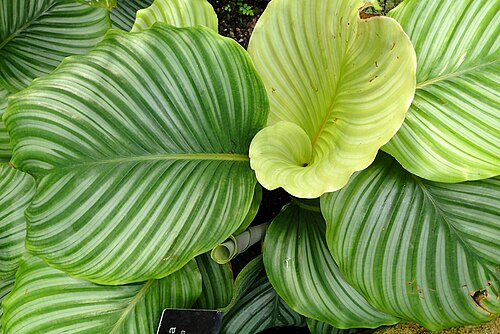
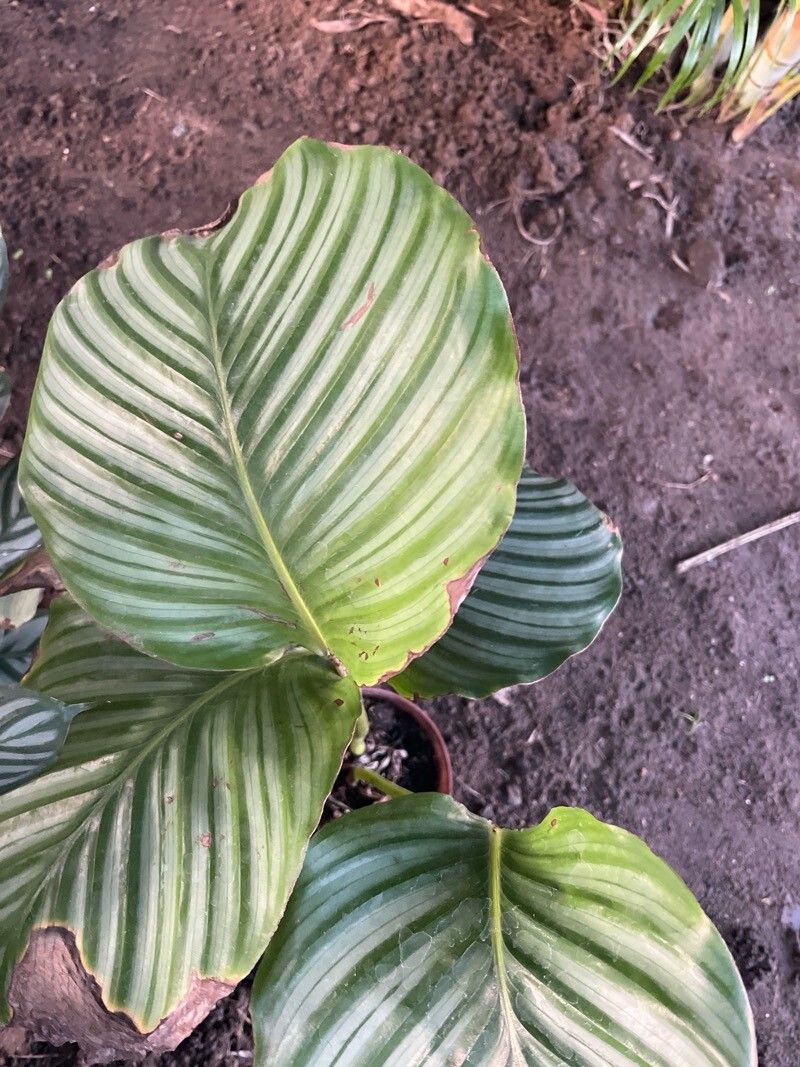
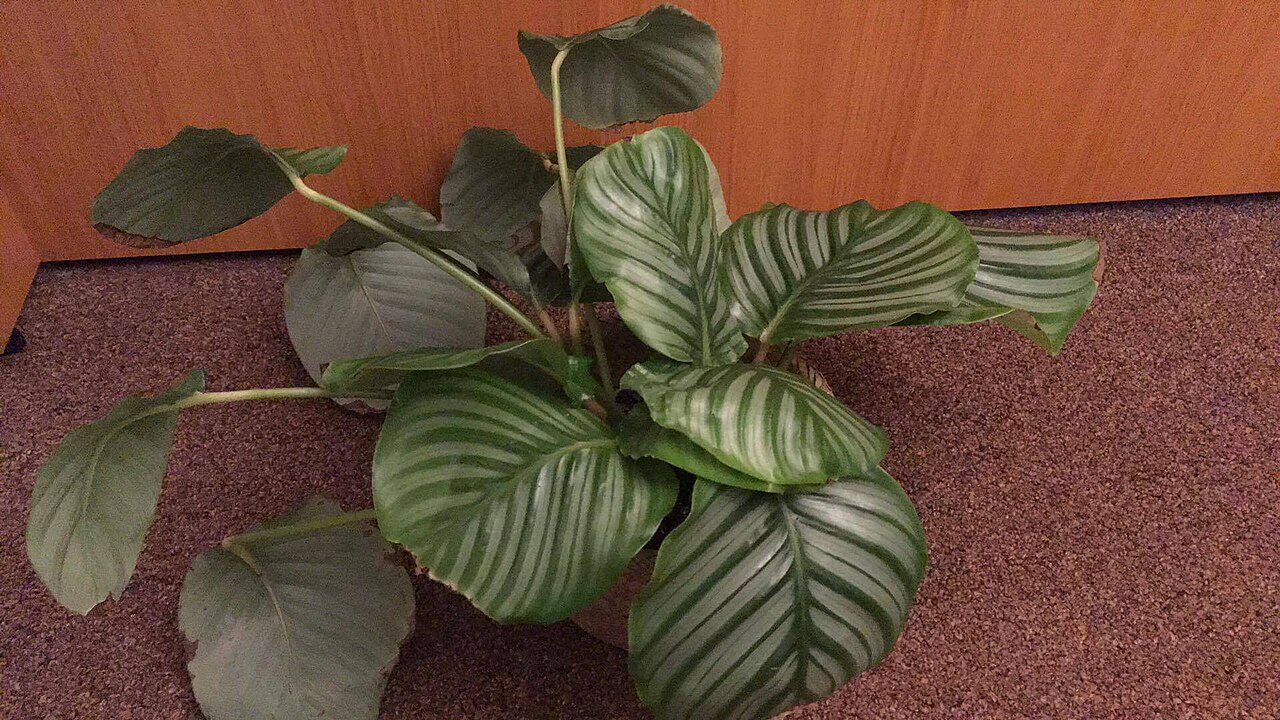
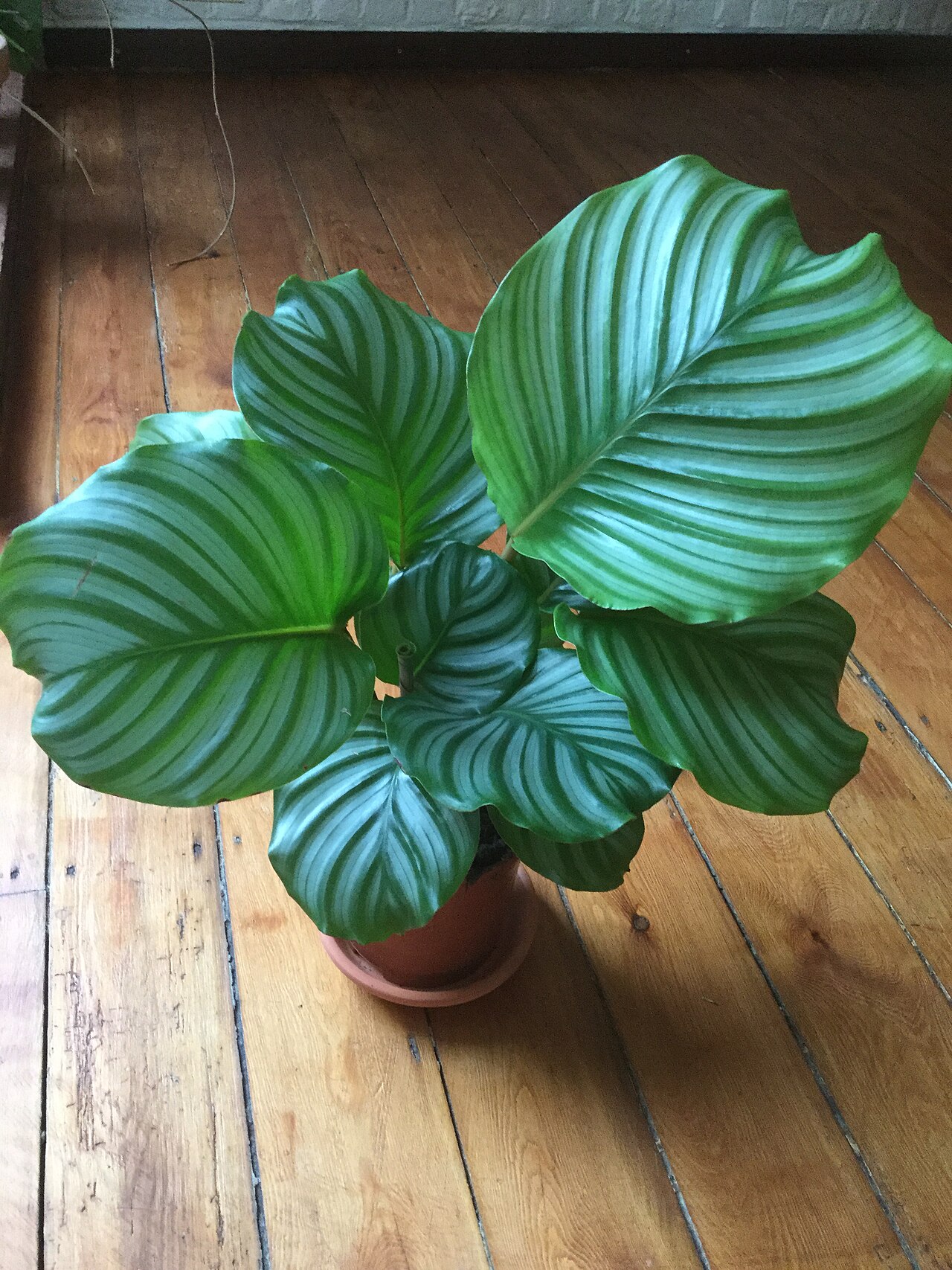
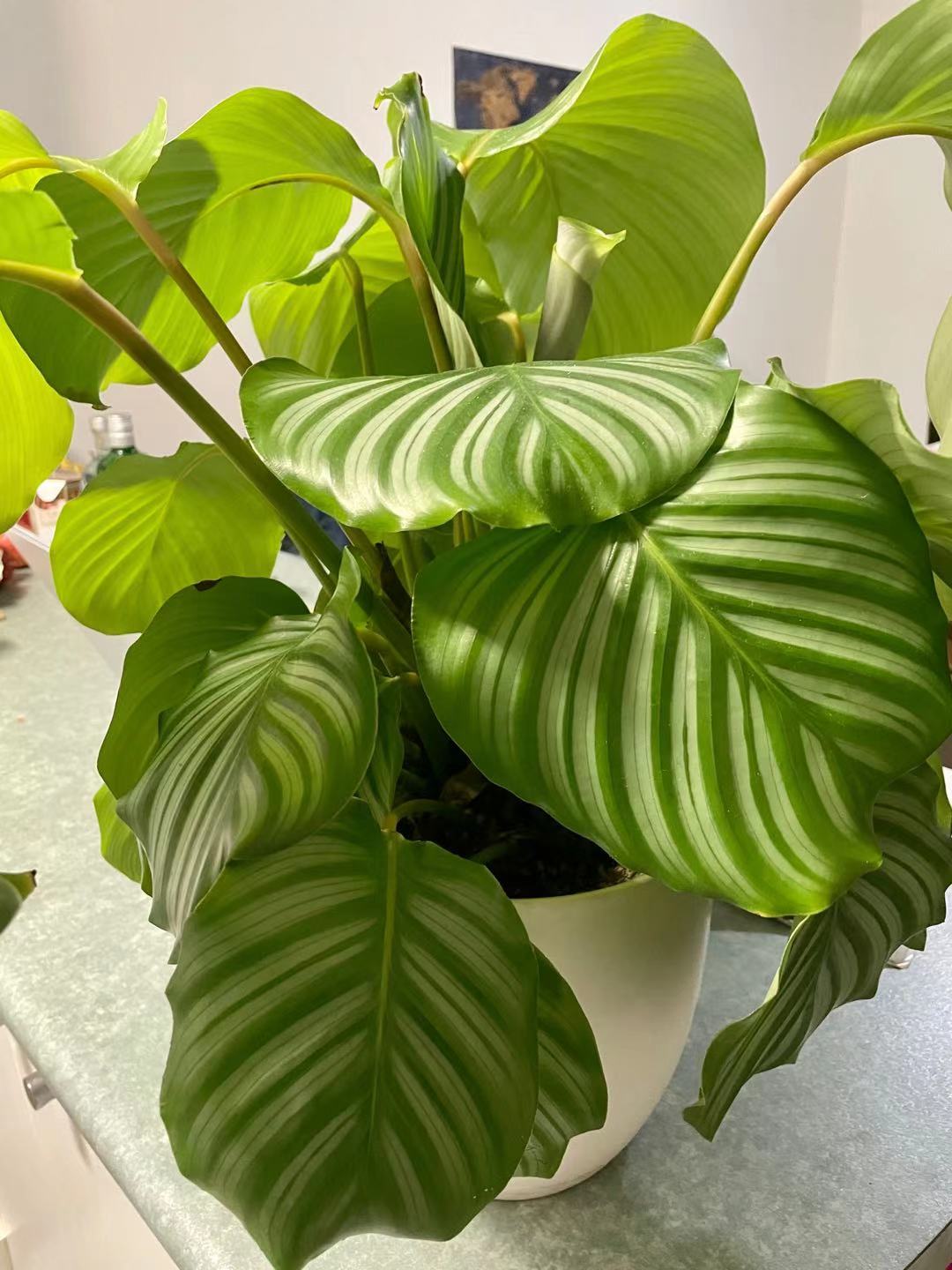
Photo: Krzysztof Ziarnek, Kenraiz, CC BY-SA 4.0, from Wikimedia Commons 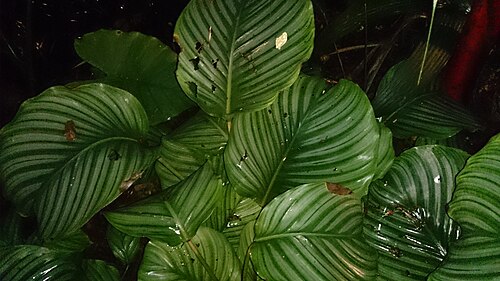
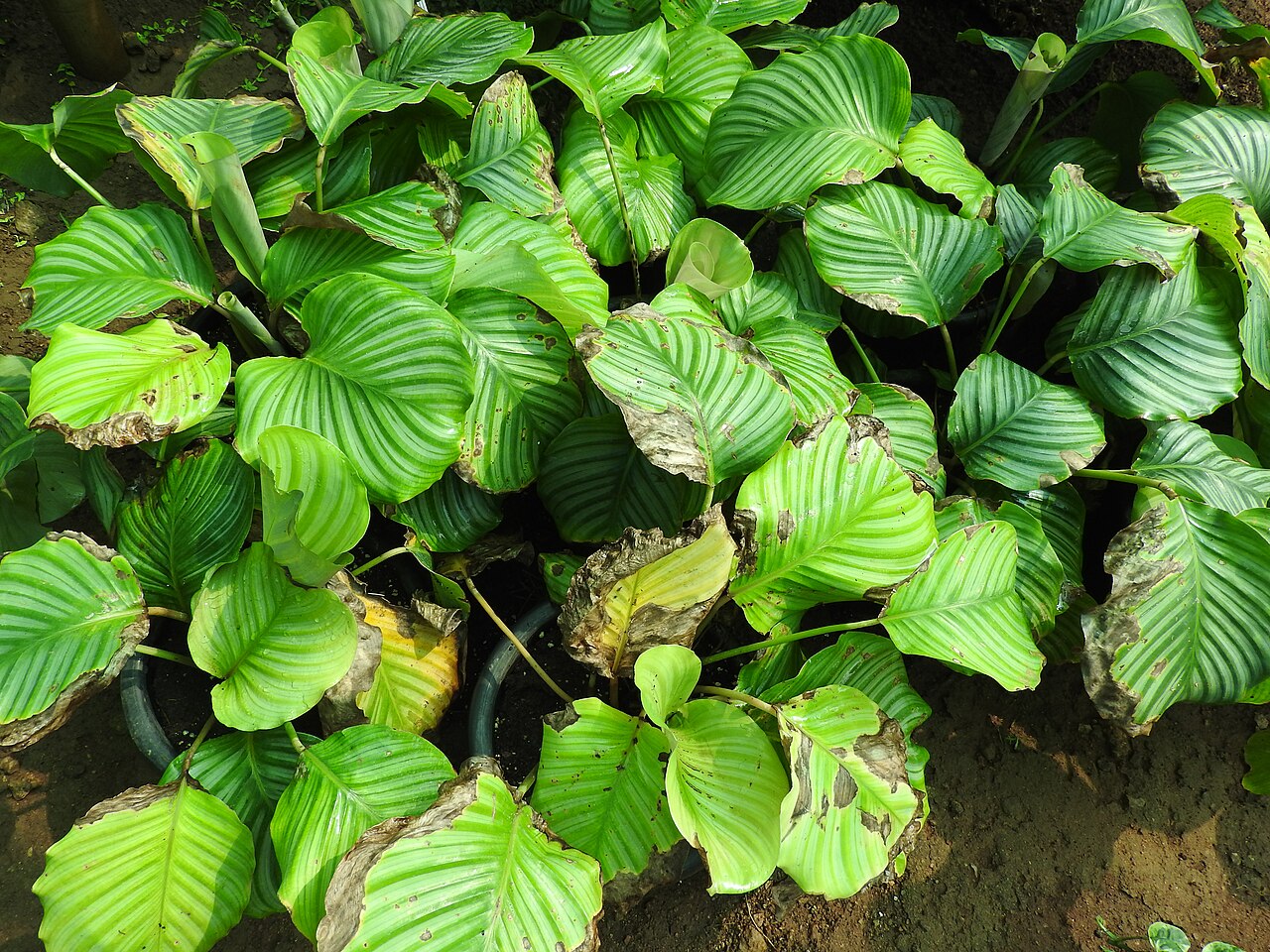
Photo: Mokkie, CC BY-SA 3.0, from Wikimedia Commons 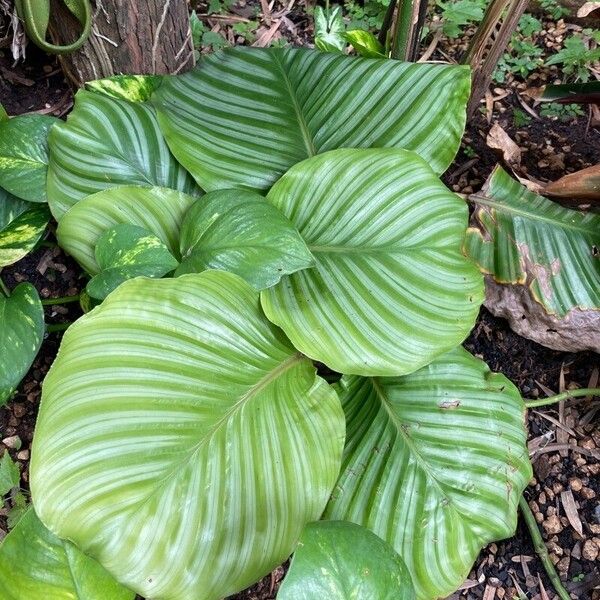
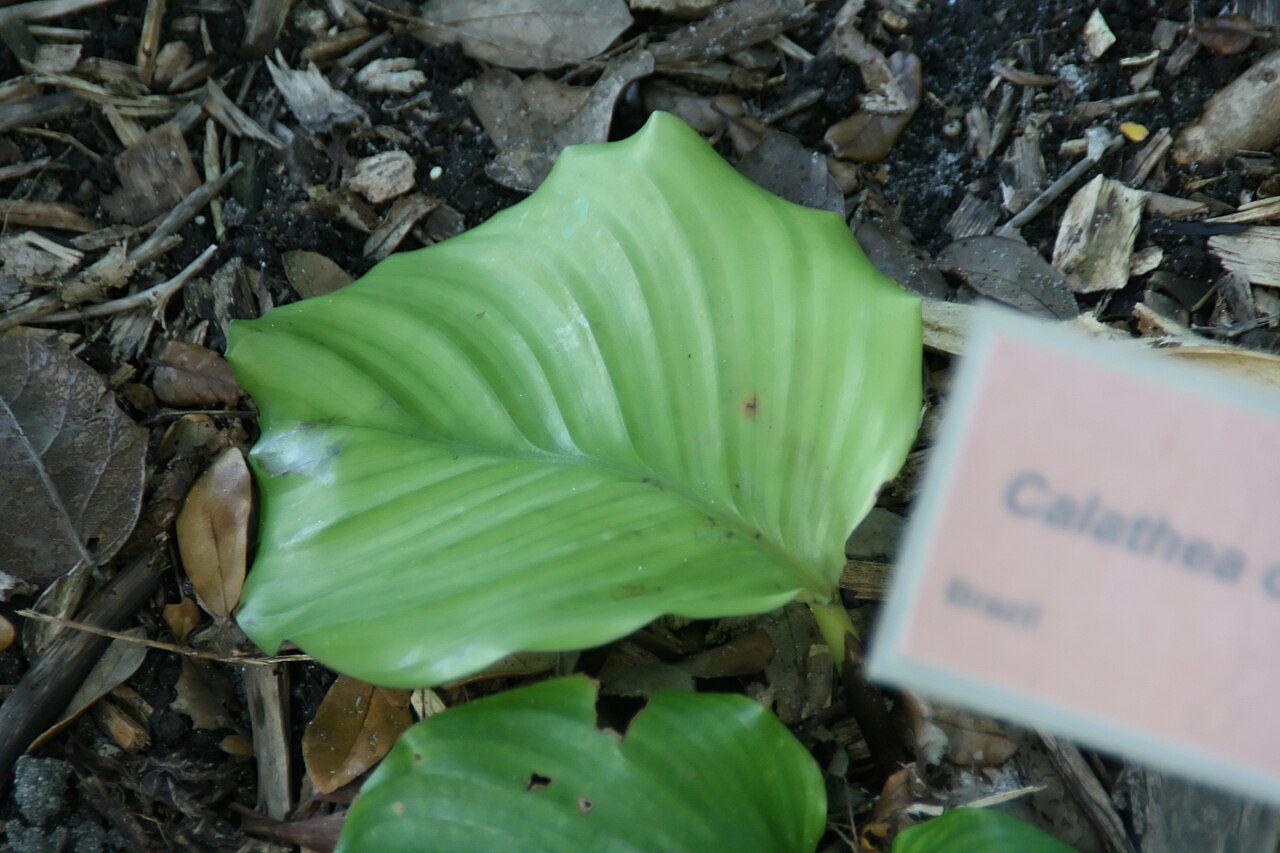
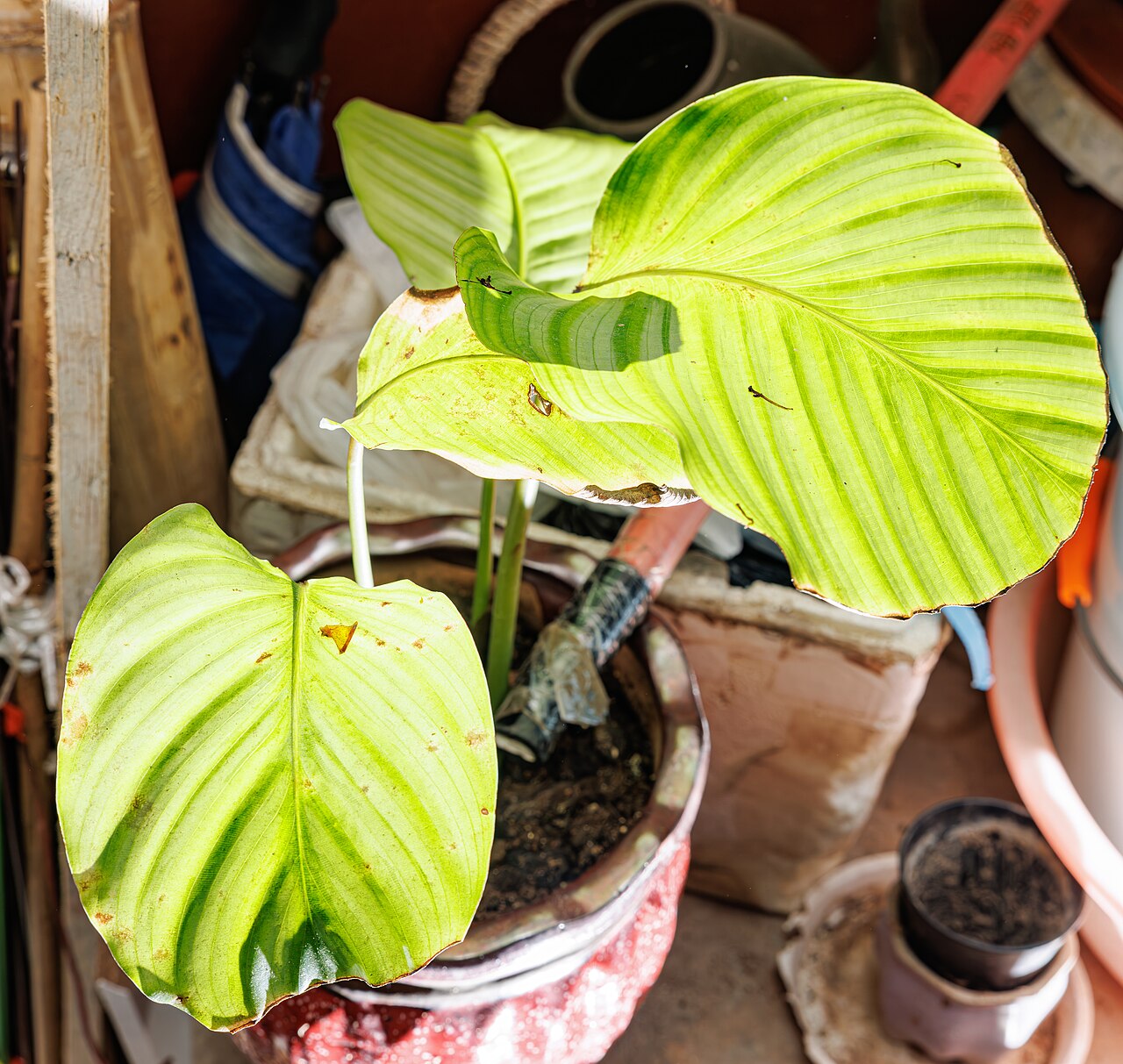
Photo: juliaferreiradecarvalho9, CC BY-SA 4.0, from Pl@ntNet via GBIF 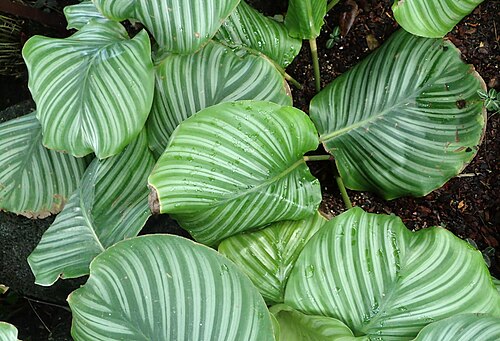
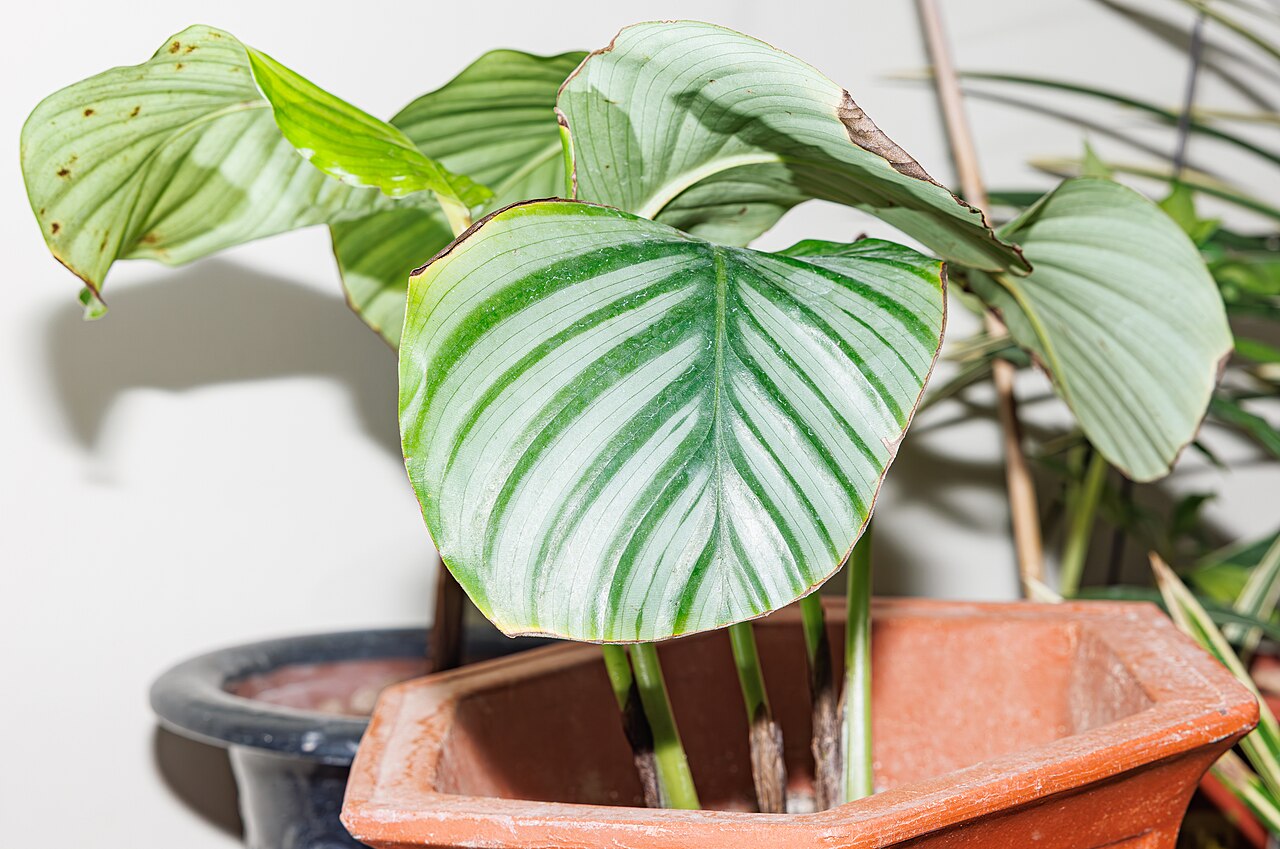
Photo: Krzysztof Ziarnek, Kenraiz, CC BY-SA 4.0, from Wikimedia Commons 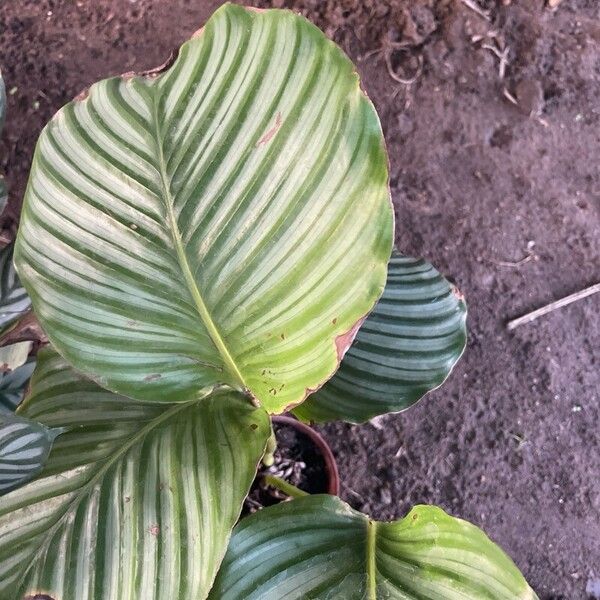
Photo: leandromatos, CC BY-SA 4.0, from Pl@ntNet via GBIF 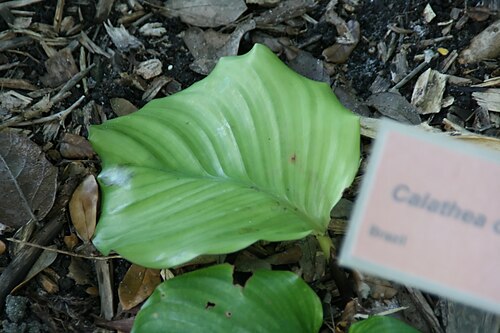
Photo: Photo by David J. Stang, CC BY-SA 4.0, from Wikimedia Commons 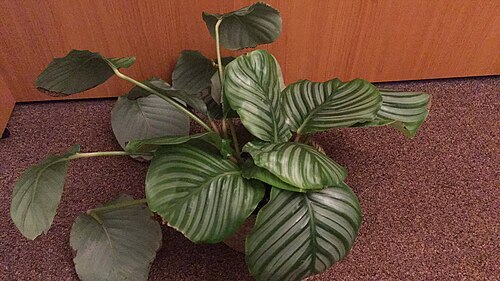
Photo: Whoisjohngalt, CC BY-SA 4.0, from Wikimedia Commons 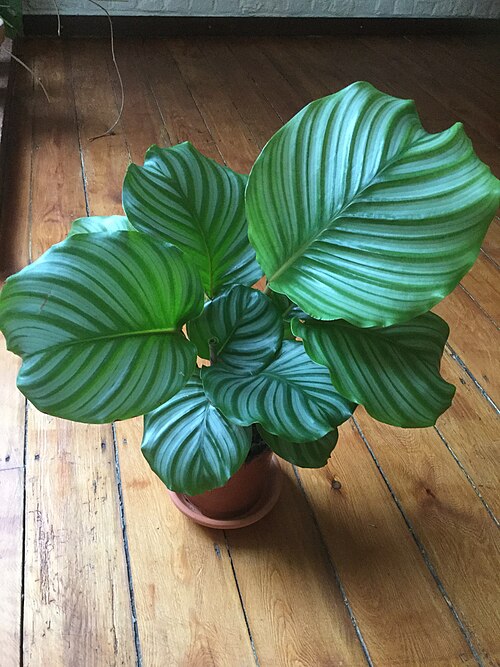
Photo: Fregisseur, CC BY-SA 4.0, from Wikimedia Commons 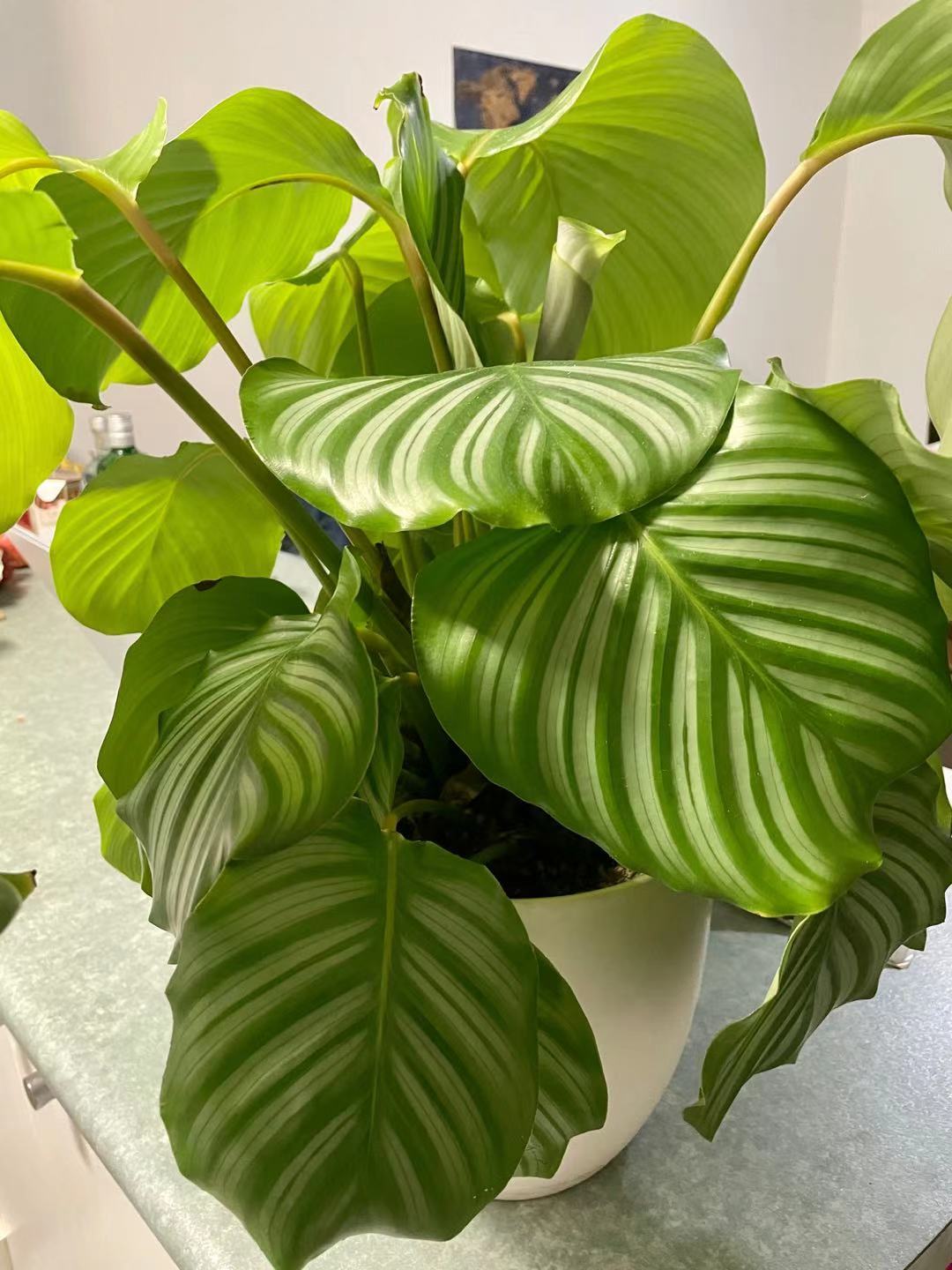
Photo: Supsoph, CC BY-SA 4.0, from Wikimedia Commons 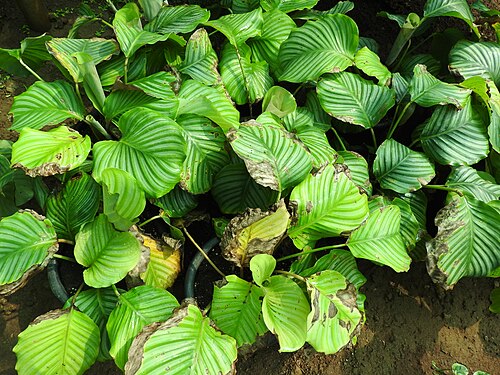
Photo: Yercaud-elango, CC BY-SA 4.0, from Wikimedia Commons 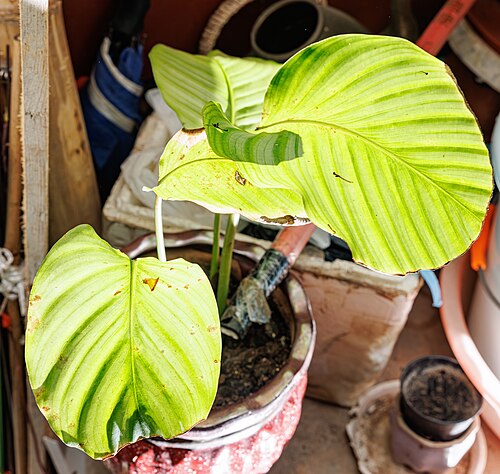
Photo: Dinkun Chen, CC BY-SA 4.0, from Wikimedia Commons 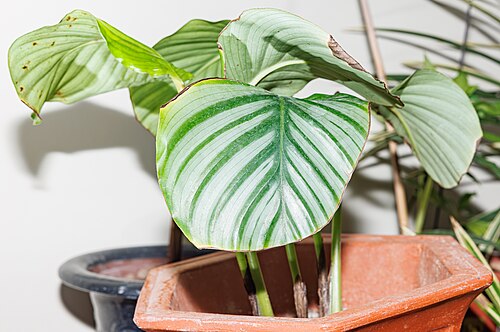
Photo: Dinkun Chen, CC BY-SA 4.0, from Wikimedia Commons
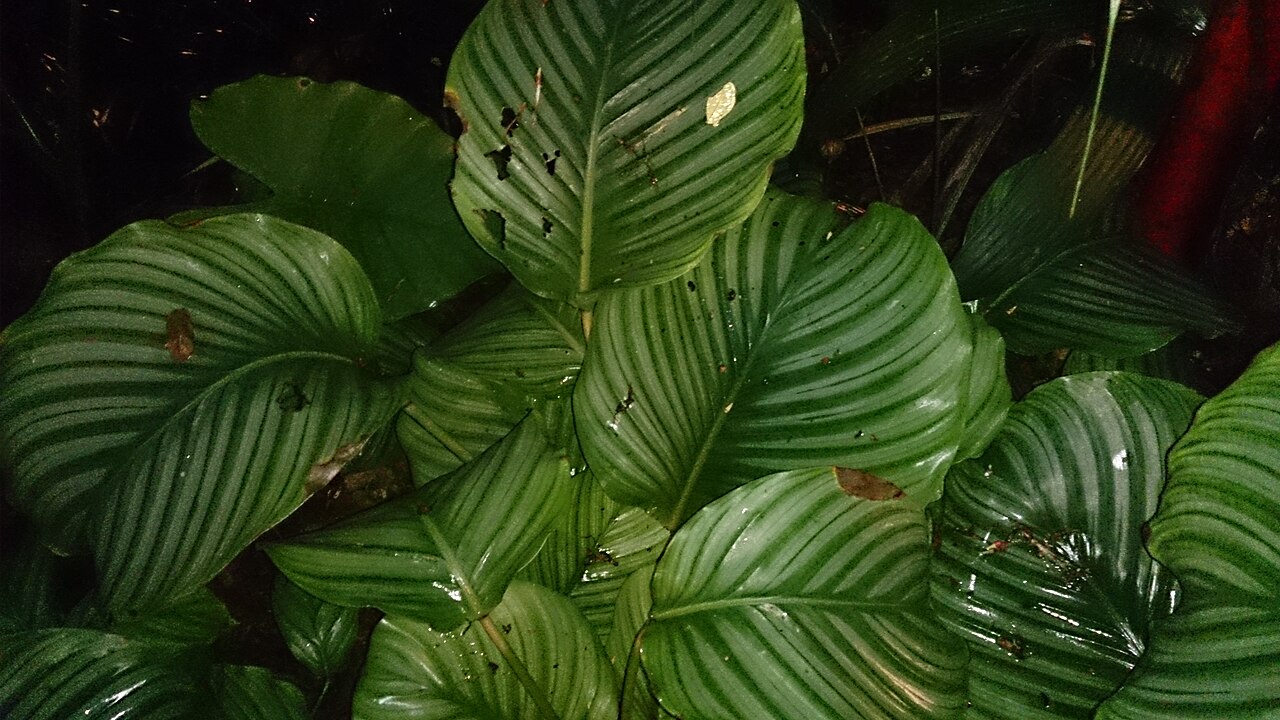
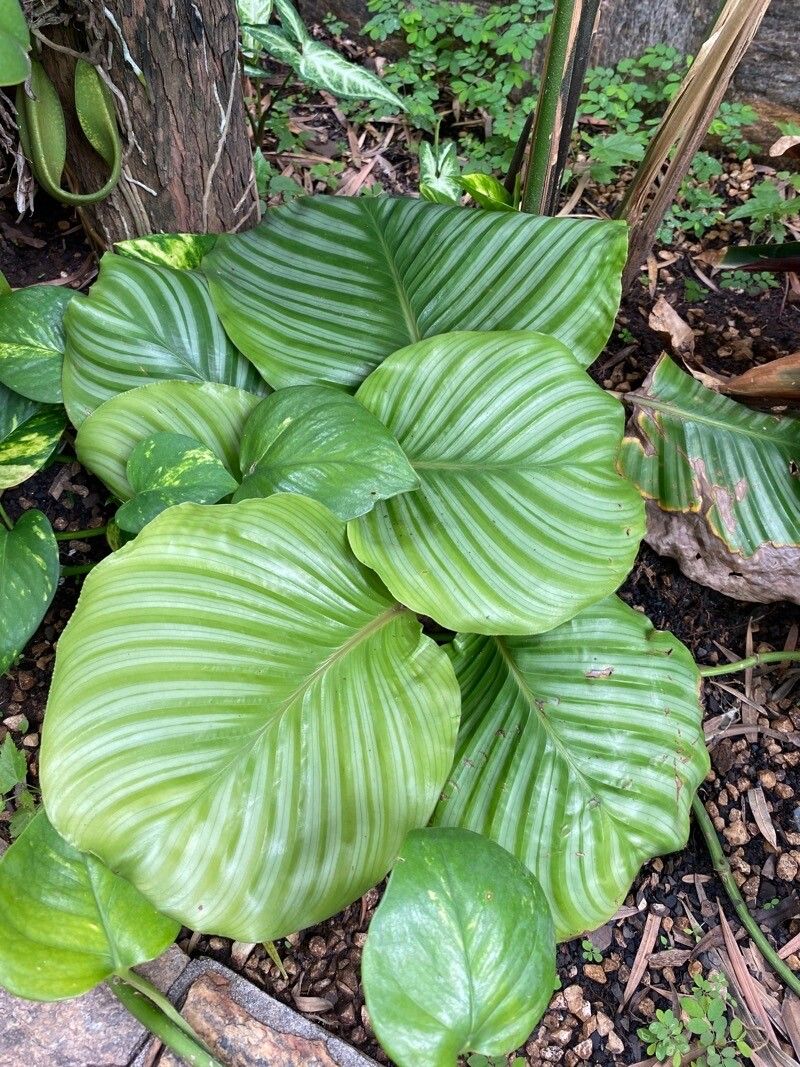
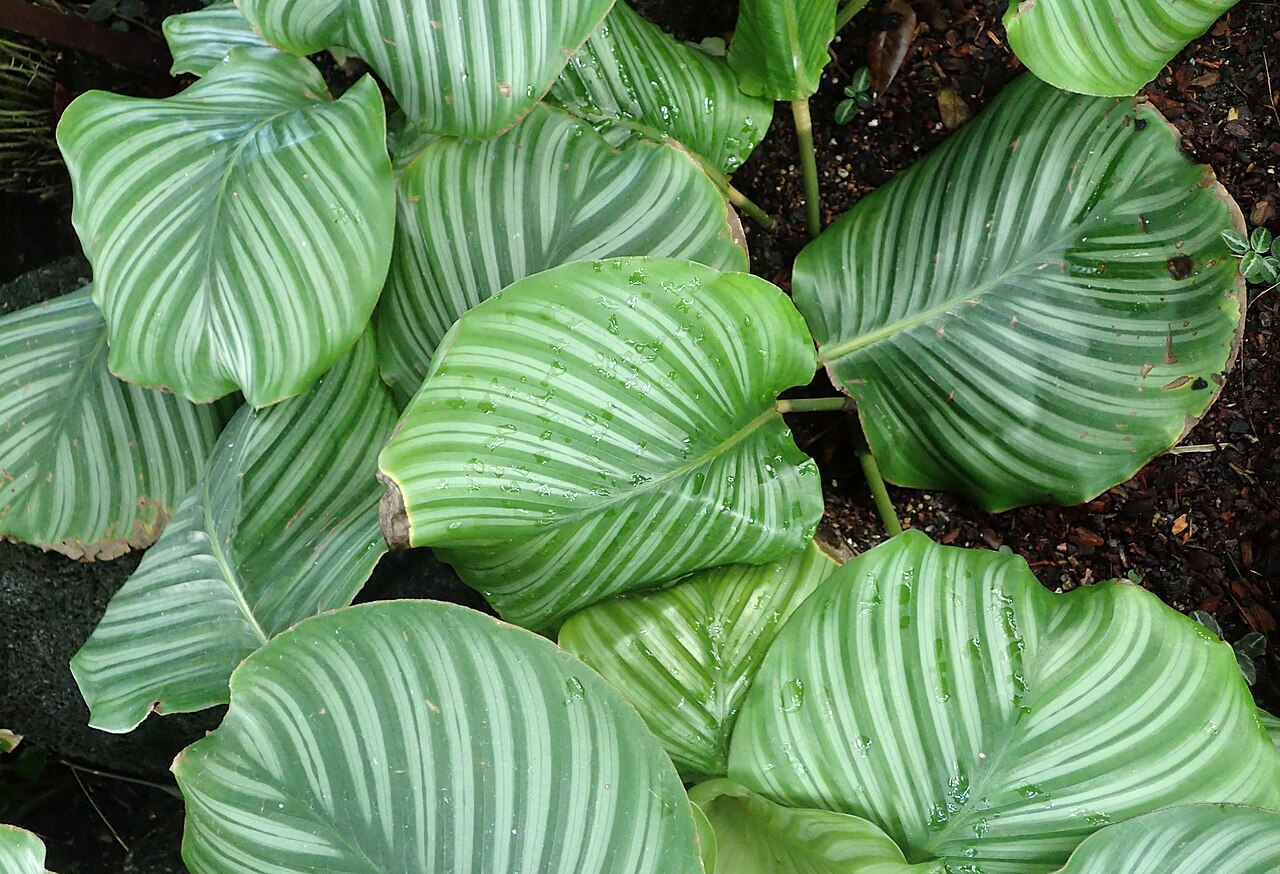
More in Goeppertia
- Goeppertia makoyanaMarantaceae
- LlerenesGoeppertia allouiaMarantaceae
- Pin-stripe calatheaGoeppertia ornataMarantaceae
- ZebraplantGoeppertia zebrinaMarantaceae
- Goeppertia roseopictaMarantaceae
- Goeppertia picturataMarantaceae
- Goeppertia cylindricaMarantaceae
- Goeppertia brasiliensisMarantaceae
- Goeppertia crocataMarantaceae
- Goeppertia bachemianaMarantaceae
- Goeppertia insignisMarantaceae
- Goeppertia kegeljaniiMarantaceae
Sources: classification, synonyms from World Flora Online Plant List (2026-06, CC0 1.0); common names, popularity from Wikidata (2026-10-26, CC0 1.0); common names from SimplePlant editors (2026-10-26, CC0 1.0). About our plant data.