
Araceae
Chinese evergreen
Aglaonema commutatum
- Family
- Araceae
- Genus
- Aglaonema
Pets and kids
- CatsNot sure
- DogsNot sure
- KidsMildly toxic
Why
Cats: Not sure
We found no reliable source on this plant for cats, so we don't call it safe. Keep it out of reach until you have checked with your vet.
Dogs: Not sure
We found no reliable source on this plant for dogs, so we don't call it safe. Keep it out of reach until you have checked with your vet.
Kids: Mildly toxic
Mildly toxic to young children. Toxic principle: calcium oxalate crystals.
Signs: oral irritation, mouth pain, swelling, skin irritation.
Ate some? Call your vet or the ASPCA Animal Poison Control Center at (888) 426-4435 (a fee may apply). For a child, call Poison Help at 1-800-222-1222 (US). If they are struggling to breathe or collapse, call 911. Don't give anything by mouth unless a vet or poison expert tells you to.
Is yours looking unwell? Scan your plant — free
How to care for Chinese evergreen
Place Chinese evergreen in low to bright indirect light, water only when the top one to two inches of soil feel dry, and protect it from cold drafts.
Light
Chinese evergreen thrives in diffused, low to moderate indirect light indoors. Solid dark green varieties tolerate dimmer conditions, while variegated cultivars perform best in brighter, filtered light. Direct sun bleaches and scorches the leaves, whereas excessively low light causes growth to slow and variegated patterns to fade.
- Keep plants away from intense direct sunbeams that scorch foliage.
- Provide brighter indirect light for varieties with heavy silver, cream, or pink variegation.
- Move the pot closer to a window if foliage colors fade or new leaves emerge small.
Sources: Chinese Evergreen (Aglaonema) Care, Cultivation & Growing Guide | Home & Garden Information Center · Low Light Houseplants
Watering
Water thoroughly only when the top one to two inches of potting mix feel completely dry to the touch. Check moisture depth with your finger rather than following a calendar, as water use drops significantly in dimmer spots and cooler seasons. Saturated soil leads quickly to root rot, so always empty drainage saucers after watering. Reduce watering frequency in late autumn and winter while the plant rests.
- Probe the soil with your finger and water only when the top 1 to 2 inches are dry.
- Always drain any excess water that collects in the catch saucer after watering.
- Cut back watering frequency significantly during autumn and winter.
- Use room-temperature water to avoid shocking the plant's delicate tropical roots.
Sources: Chinese Evergreen (Aglaonema) Care, Cultivation & Growing Guide | Home & Garden Information Center · Aglaonema (Chinese Evergreen, Golden Evergreen, Philippine Evergreen, Poison Dart Plant) | North Carolina Extension Gardener Plant Toolbox
Soil and potting
Grow Chinese evergreen in a loose, humus-rich, well-draining soilless potting mix. Peat- or coco-coir-based mixes amended with perlite provide the right balance of moisture retention and root aeration. Always use containers with bottom drainage holes so excess moisture escapes freely. Heavy or compacted garden soils hold excess water and cause root decay.
- Select a potting pot with functional drainage holes at the base.
- Mix perlite or coarse pumice into potting compost to enhance drainage.
- Avoid heavy, dense soils that retain excessive water around the root zone.
Source: Chinese Evergreen (Aglaonema) Care, Cultivation & Growing Guide | Home & Garden Information Center
Humidity and temperature
Chinese evergreen thrives best in temperatures between 68°F and 80°F (20°C to 27°C) and appreciates moderate to high humidity. It tolerates normal indoor household humidity but dislikes arid winter air. Keep the plant shielded from cold drafts, exterior doors, and air-conditioning vents, as chilling below 55°F causes serious foliage damage.
- Maintain indoor room temperatures above 60°F to avoid cold injury.
- Set the pot on a pebble tray with water to raise humidity during dry winters.
- Keep plants far away from heating radiators, air conditioners, and drafty windows.
Source: Chinese Evergreen (Aglaonema) Care, Cultivation & Growing Guide | Home & Garden Information Center
Feeding
Feed Chinese evergreen every four to six weeks during active spring and summer growth using a balanced liquid houseplant fertiliser diluted to half strength. Never apply fertiliser to dry potting soil, as this burns roots. Completely withhold fertiliser in late autumn and winter while the plant rests, preventing toxic mineral accumulation and root injury.
- Feed only during spring and summer when the plant is actively producing new growth.
- Dilute balanced liquid fertiliser to half strength to prevent leaf edge burn.
- Withhold fertiliser entirely throughout late autumn and winter while growth naturally rests.
Source: Chinese Evergreen (Aglaonema) Care, Cultivation & Growing Guide | Home & Garden Information Center
Repotting
Chinese evergreen grows slowly and only requires repotting every two to three years. The best time to repot is in spring as new growth commences. Move the plant up to a container just one to two inches wider than the current pot when roots fill the container or crowd the drainage holes. Loosen tightly bound roots gently before settling them into fresh potting mix.
- Repot in spring when the root ball fills the pot or roots emerge from drainage holes.
- Step up only 1 to 2 inches in pot diameter to avoid excess moisture around roots.
- Handle root clumps gently to minimize shock and stem disruption during transplanting.
Sources: Chinese Evergreen (Aglaonema) Care, Cultivation & Growing Guide | Home & Garden Information Center · Aglaonema (Chinese Evergreen, Golden Evergreen, Philippine Evergreen, Poison Dart Plant) | North Carolina Extension Gardener Plant Toolbox
Propagation
Propagate Chinese evergreen by clump division or stem tip cuttings in spring and early summer. To divide, unpot a mature plant and gently separate rooted shoots that have several healthy roots attached. For stem propagation, take tip cuttings bearing 3 to 4 leaves or cut cane segments with multiple nodes, rooting them in moist potting mix or water in a warm spot.
- Divide multi-stemmed clumps during spring repotting for immediate, well-rooted new plants.
- Use clean snips to take stem tip cuttings bearing 3 to 4 healthy leaves.
- Keep rooting cuttings in warm, humid conditions under bright indirect light.
Sources: Aglaonema (Chinese Evergreen, Golden Evergreen, Philippine Evergreen, Poison Dart Plant) | North Carolina Extension Gardener Plant Toolbox · Chinese Evergreen (Aglaonema) Care, Cultivation & Growing Guide | Home & Garden Information Center
Leaves and common problems
Chinese evergreen is generally rugged, but issues arise quickly from overwatering and chilly temperatures. Wet potting mix encourages fungal root rot and yellowing foliage, while cold drafts cause leaves to gray and collapse. Sucking pests like mealybugs and spider mites occasionally infest foliage in dry indoor air.
- Inspect leaf undersides and stem axils regularly for webbing or cottony pests.
- Yellowing lower leaves usually indicate overly wet soil or insufficient drainage.
- Avoid cold rooms and air drafts that trigger dark foliage collapse.
yellow leaves
You see: Lower leaves turn pale yellow, feel soft, and may drop from the stems.
Do: Allow the top 1 to 2 inches of soil to dry before watering again, and ensure excess water drains out completely.
root rot
You see: Stems become mushy near the soil line, foliage wilts despite wet soil, and roots appear black and foul-smelling.
Do: Unpot the plant, trim away all blackened, decayed roots, and repot into fresh, well-draining mix in a pot with drainage.
brown leaf tips
You see: Leaf tips and margins turn brown, dry, and crispy.
Do: Raise ambient humidity, avoid waterlogged or bone-dry soil, and flush accumulated fertiliser salts with fresh water.
mealybugs
You see: White, cotton-like wax clusters appear along stem joints and on the undersides of leaves.
Do: Dab pests with a cotton swab dipped in rubbing alcohol, or spray thoroughly with insecticidal soap.
You see: Fine webbing beneath foliage paired with dusty stippling and yellow speckles across leaf surfaces.
Do: Wipe foliage clean with a damp cloth and apply insecticidal soap or horticultural oil, repeating weekly.
Source: Chinese Evergreen (Aglaonema) Care, Cultivation & Growing Guide | Home & Garden Information Center
Is it safe for pets and children?
Cats, dogs and young children: see our checked verdict and its sources, or open it in the pet-safety checker.
Handling safely
- Wear protective gloves when pruning or repotting to prevent skin irritation from plant sap, and wash hands thoroughly after handling.
- Keep pruning shears clean and sharp, storing all garden tools and plant sprays safely out of reach of children and pets.
- When applying insecticidal soap or horticultural oil, follow all manufacturer label instructions and ensure good ventilation.
Written from 3 cited sources, mostly university extension services and botanical gardens, and checked by a reviewer before publishing (October 27, 2026).
Common names
By language (7)
- Arabic
- أجلونيما متغيرة, اجلونيما فضية
- Chinese
- 细斑亮丝草, 细斑粗肋草
- English
- Chinese evergreen, Philippine evergreen, Poison dart plant, Silver queen
- Hungarian
- Közönséges rákvirág, Örökzöld rákvirág
- Icelandic
- Kölluflekka
- Persian
- آگلونما
- Swedish
- Silverkalla
Synonyms
- Aglaonema marantifolium var. commutatum (Schott) Engl.
Characteristics
- Growth habit
- Forb/herb
- Lifespan
- Perennial
- In the US and Canada
- Lower 48 states: introduced, Puerto Rico: introduced
Photos
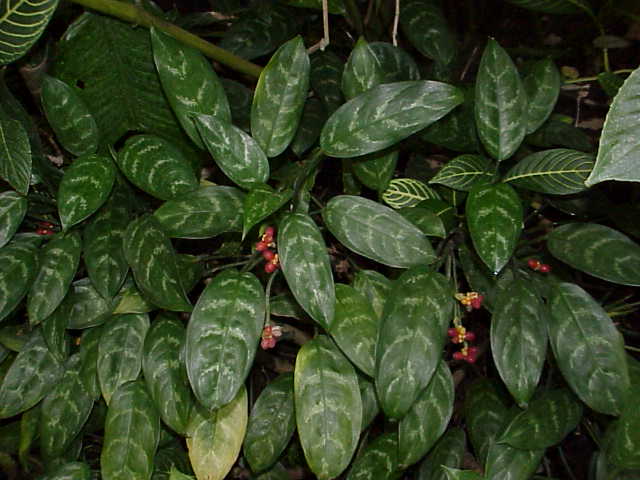
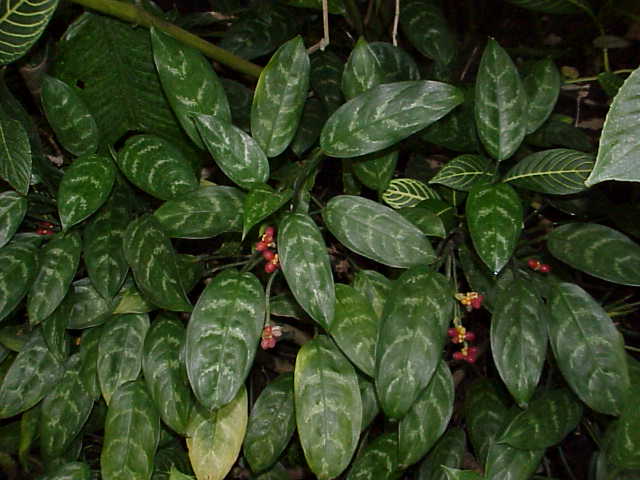
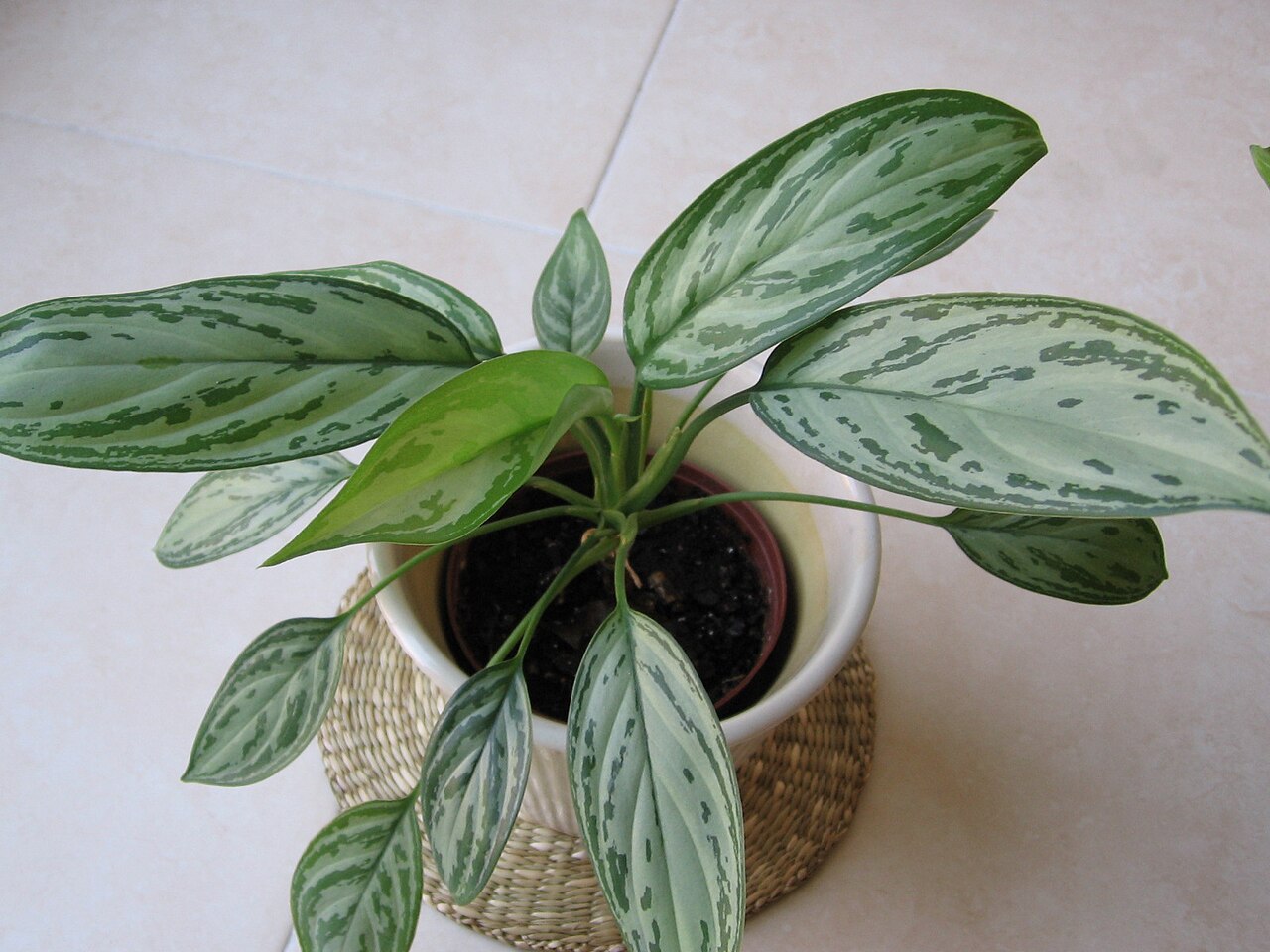
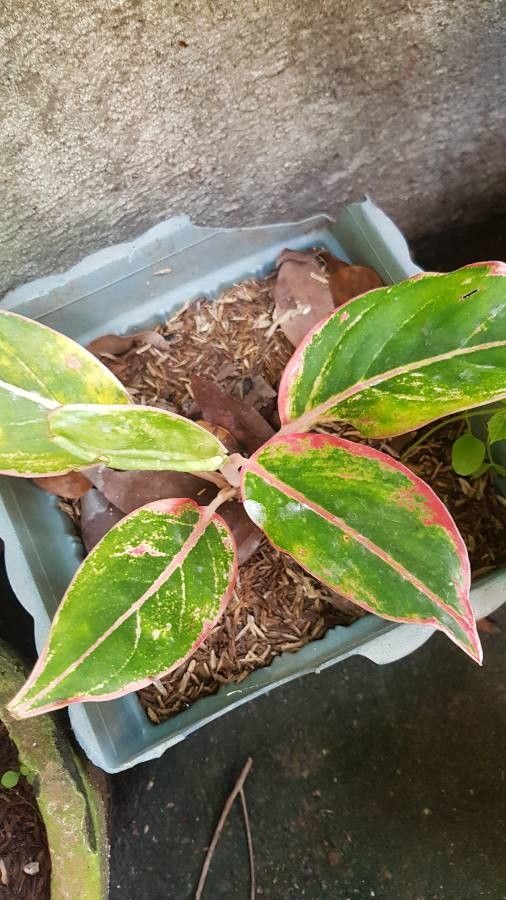
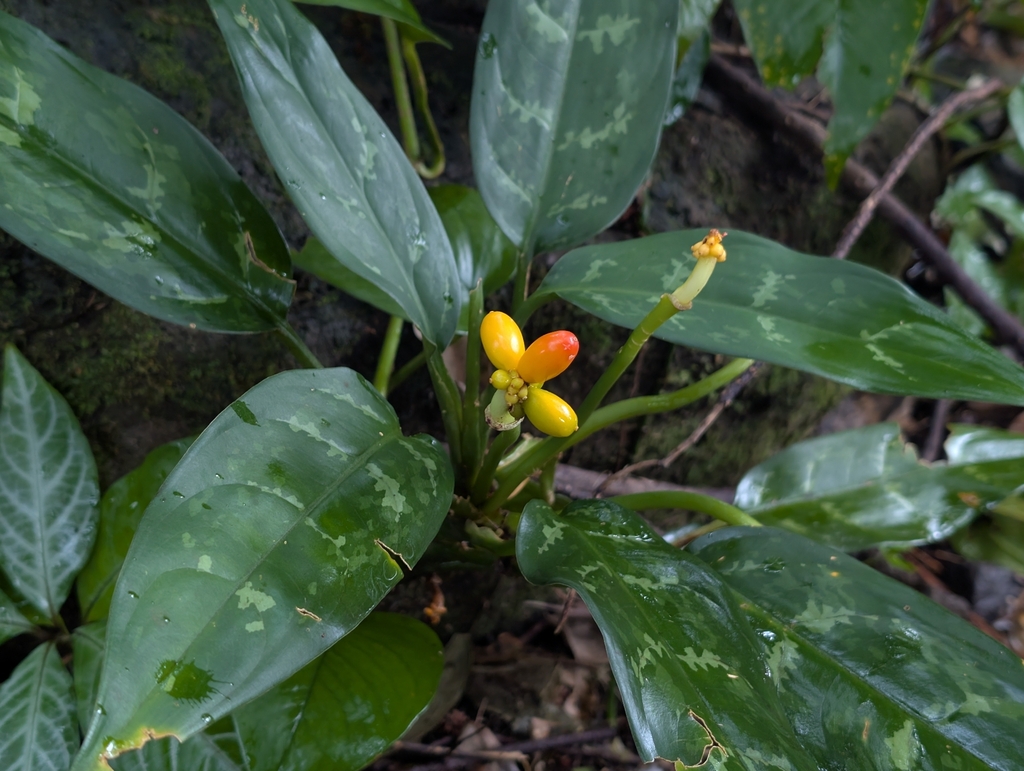
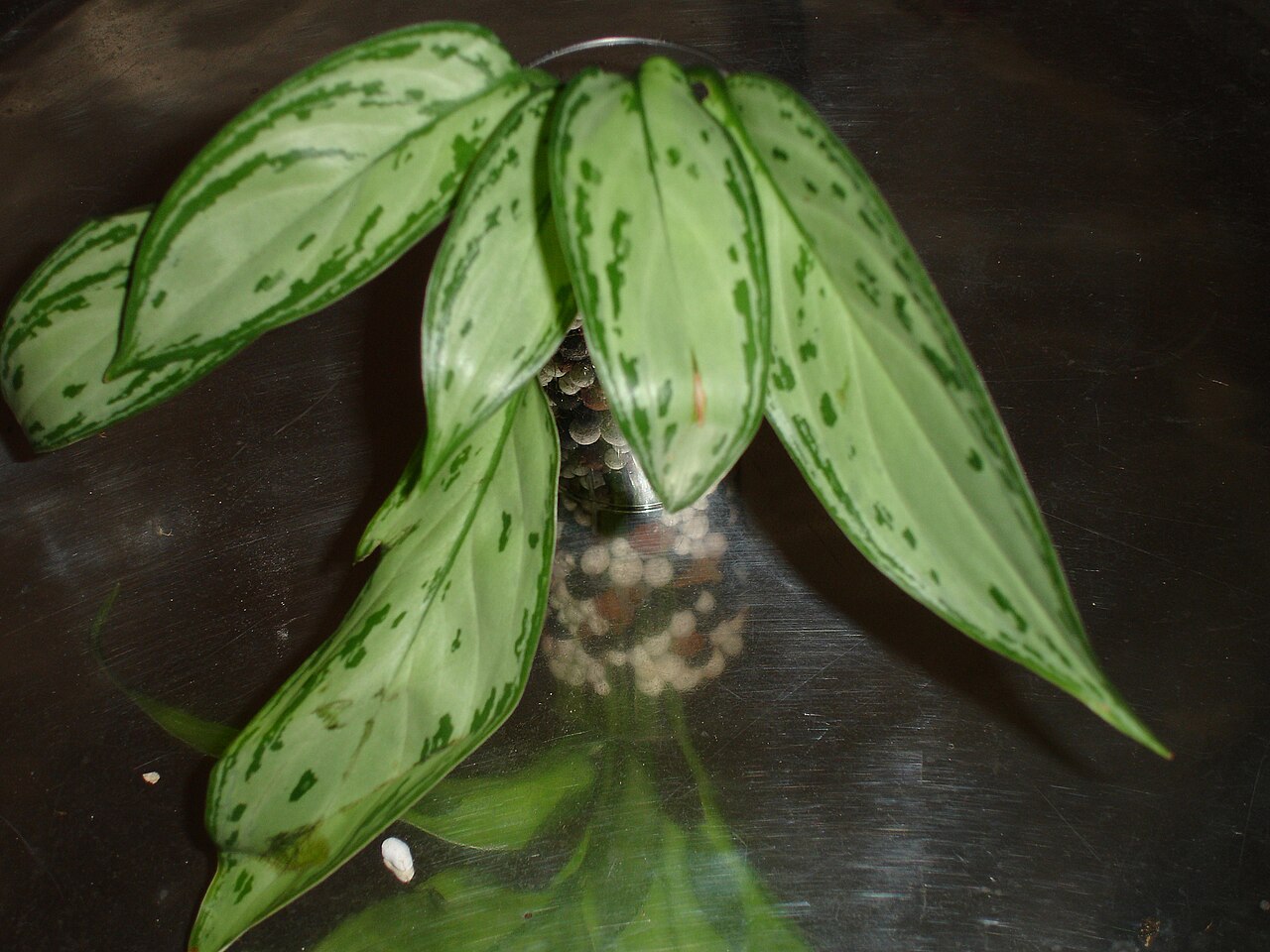
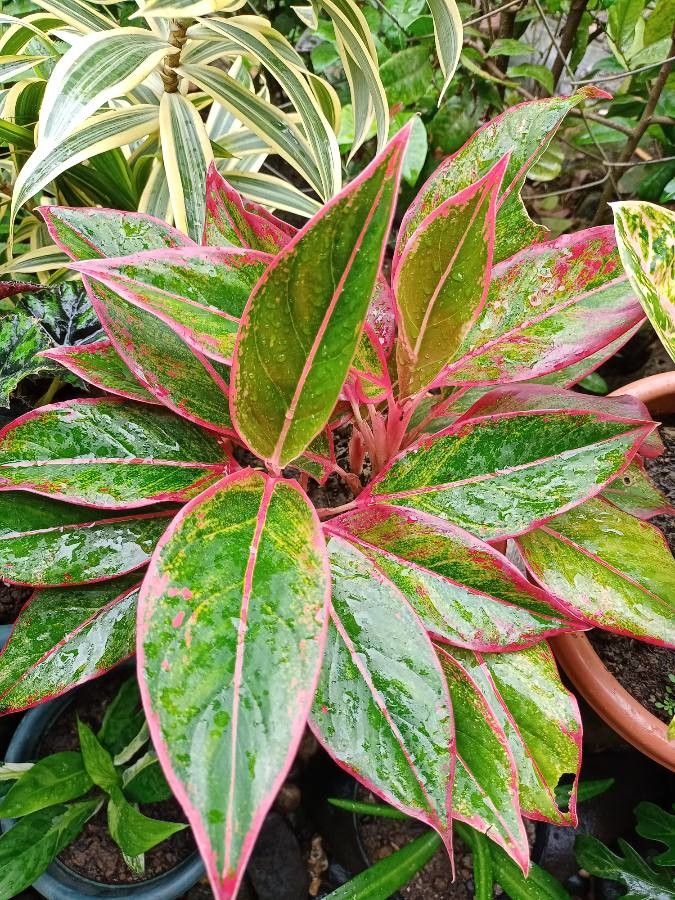
Photo: Kurt Stüber [1], CC BY-SA 3.0, from Wikimedia Commons 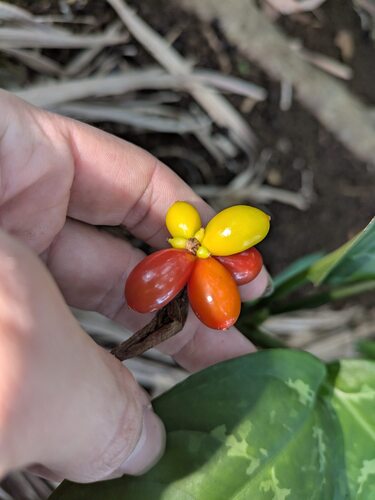
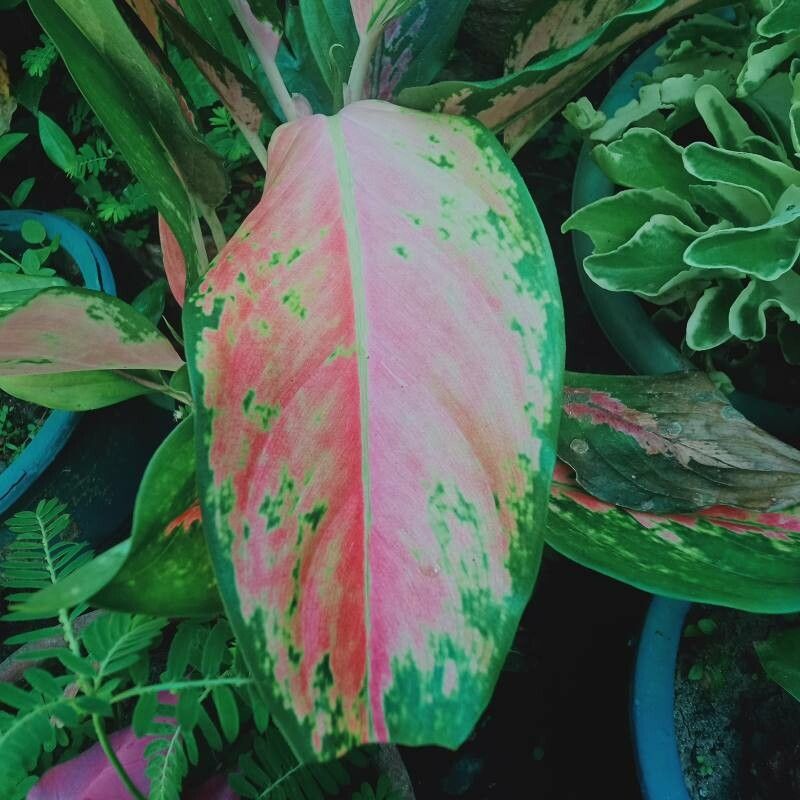
Photo: Kevin Faccenda, CC BY 4.0, from iNaturalist 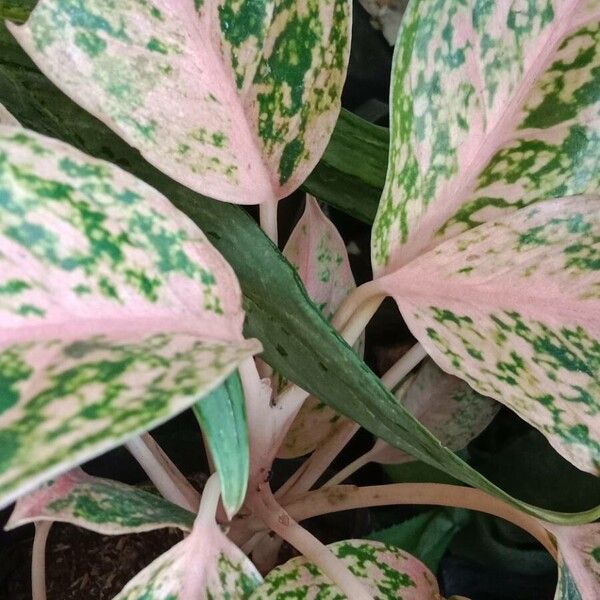
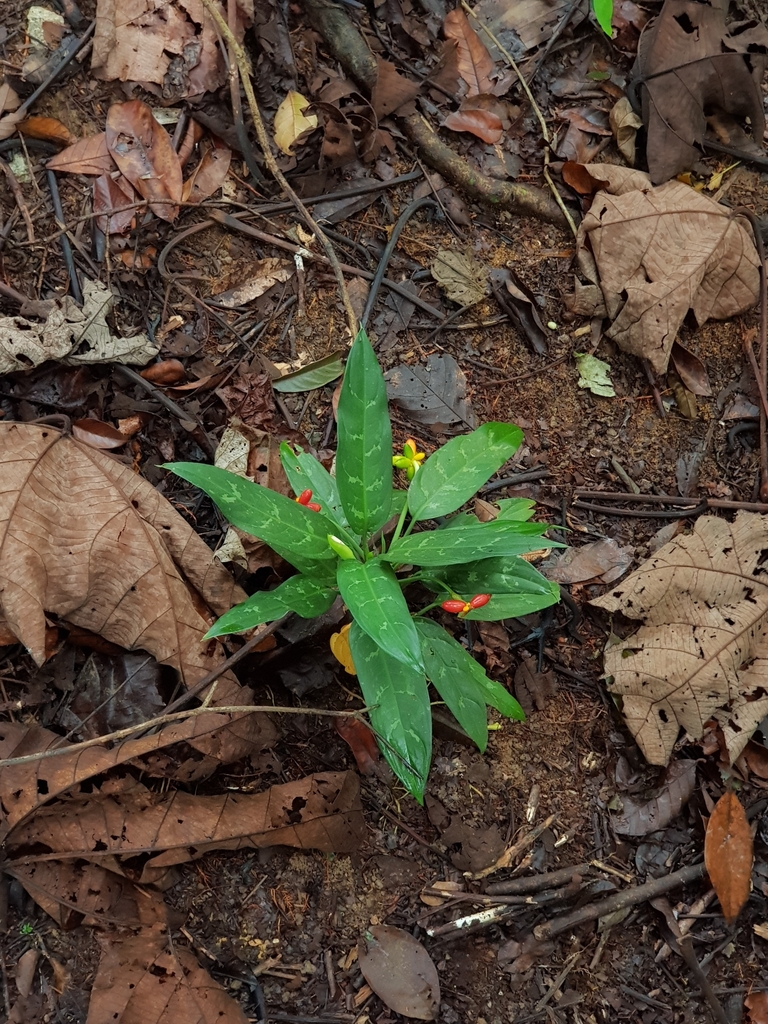
Photo: sumatrano00, CC BY-SA 4.0, from Pl@ntNet via GBIF 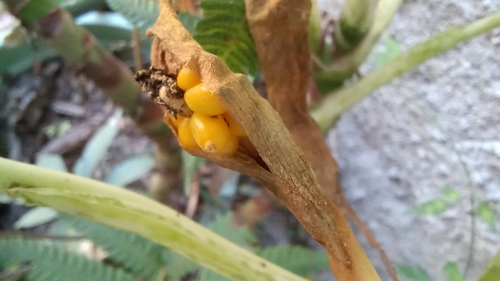
Photo: Patrícia Mees, CC BY 4.0, from iNaturalist 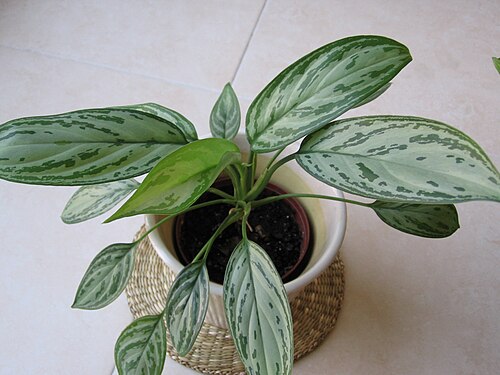
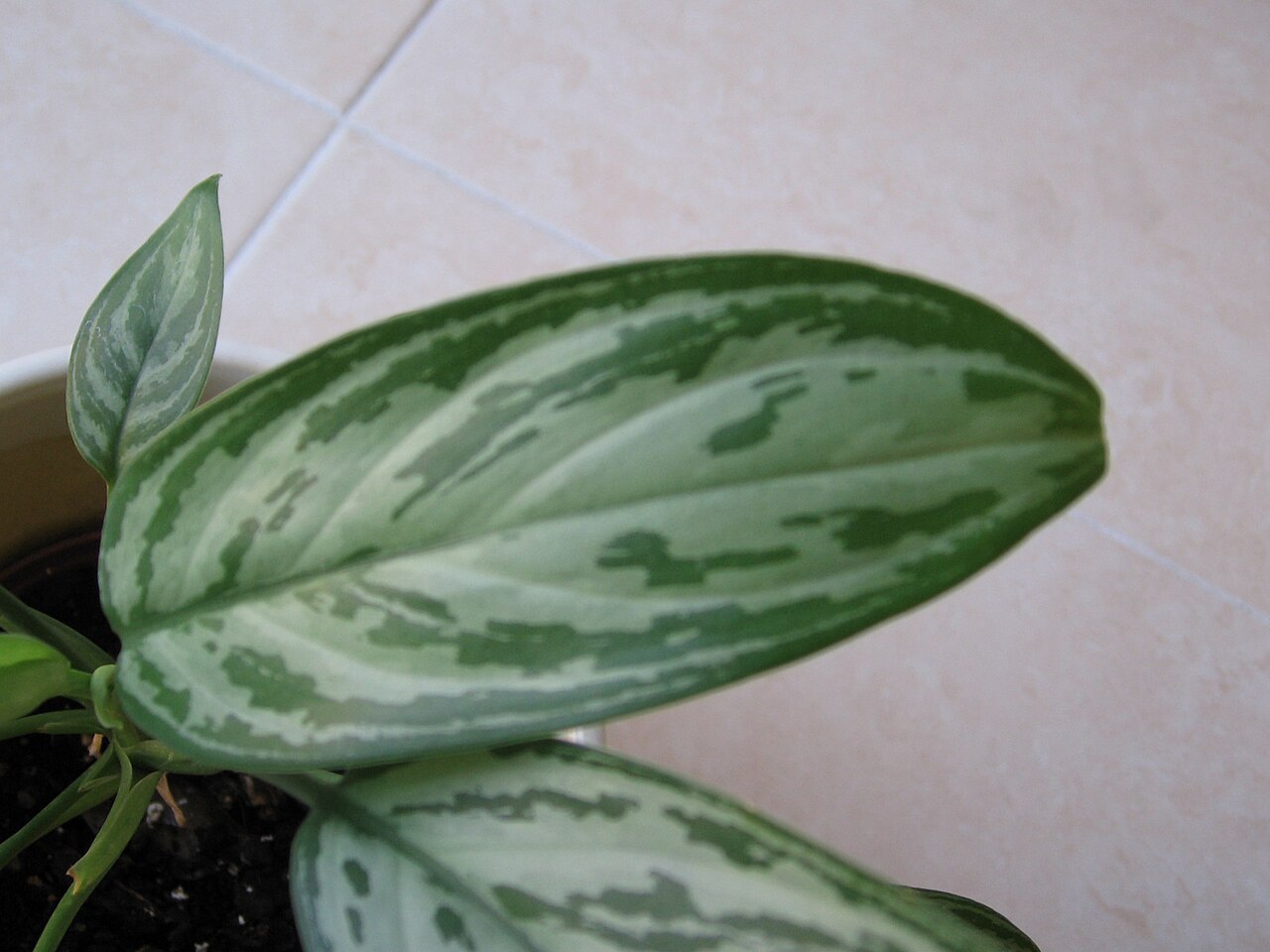
Photo: Digigalos, CC BY-SA 3.0, from Wikimedia Commons 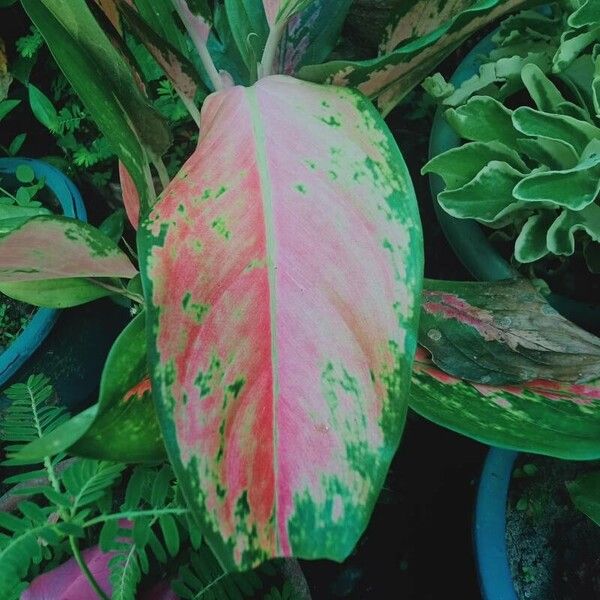
Photo: Riza Mae BOBIS, CC BY-SA 4.0, from Pl@ntNet via GBIF 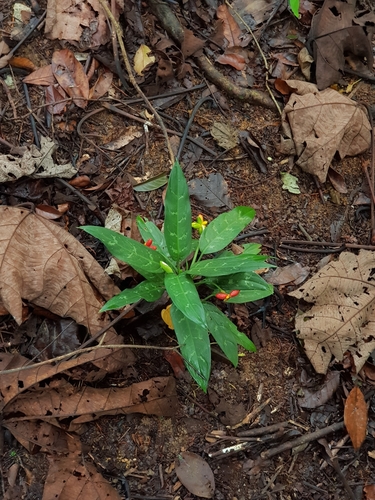
Photo: pbsg, CC BY 4.0, from iNaturalist 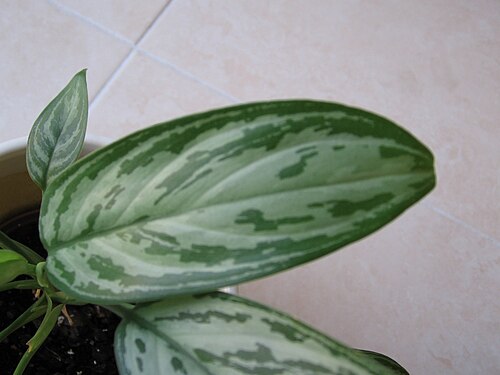
Photo: Digigalos, CC BY-SA 3.0, from Wikimedia Commons 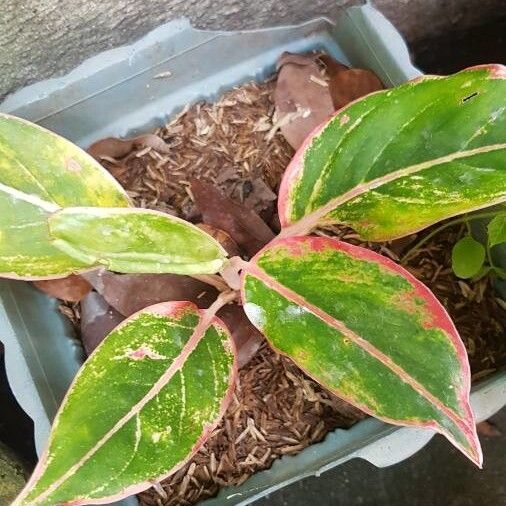
Photo: Pia Alcantara, CC BY-SA 4.0, from Pl@ntNet via GBIF 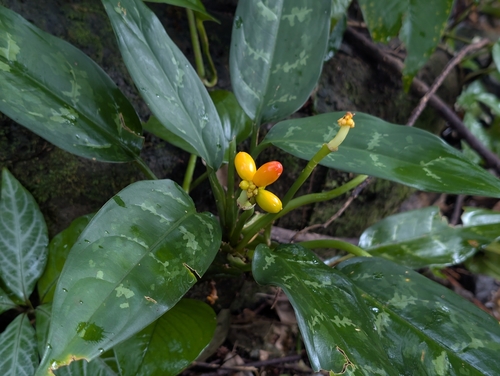
Photo: Damien Wallace, CC0, from iNaturalist 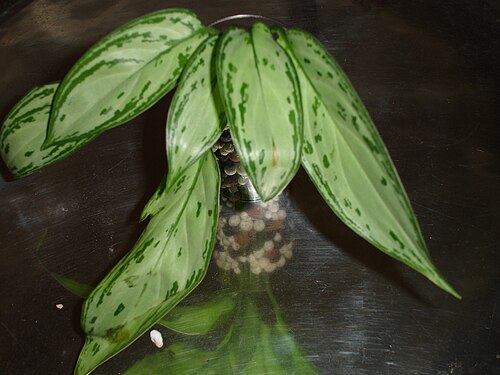
Photo: LucaLuca, CC BY-SA 3.0, from Wikimedia Commons 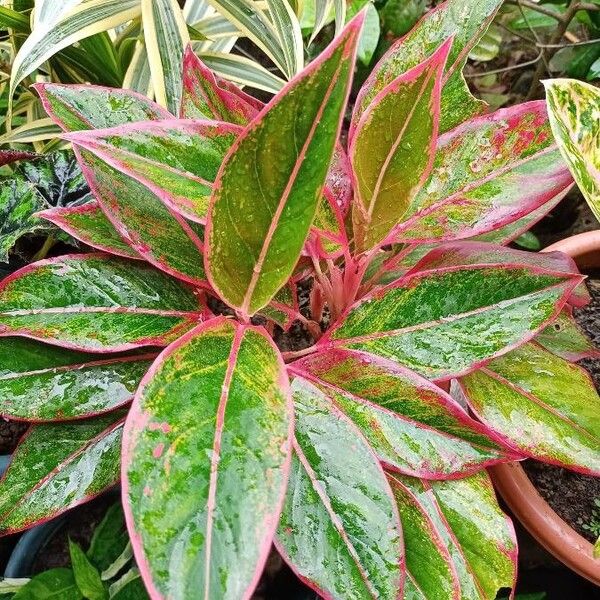
Photo: leonarda arendain, CC BY-SA 4.0, from Pl@ntNet via GBIF
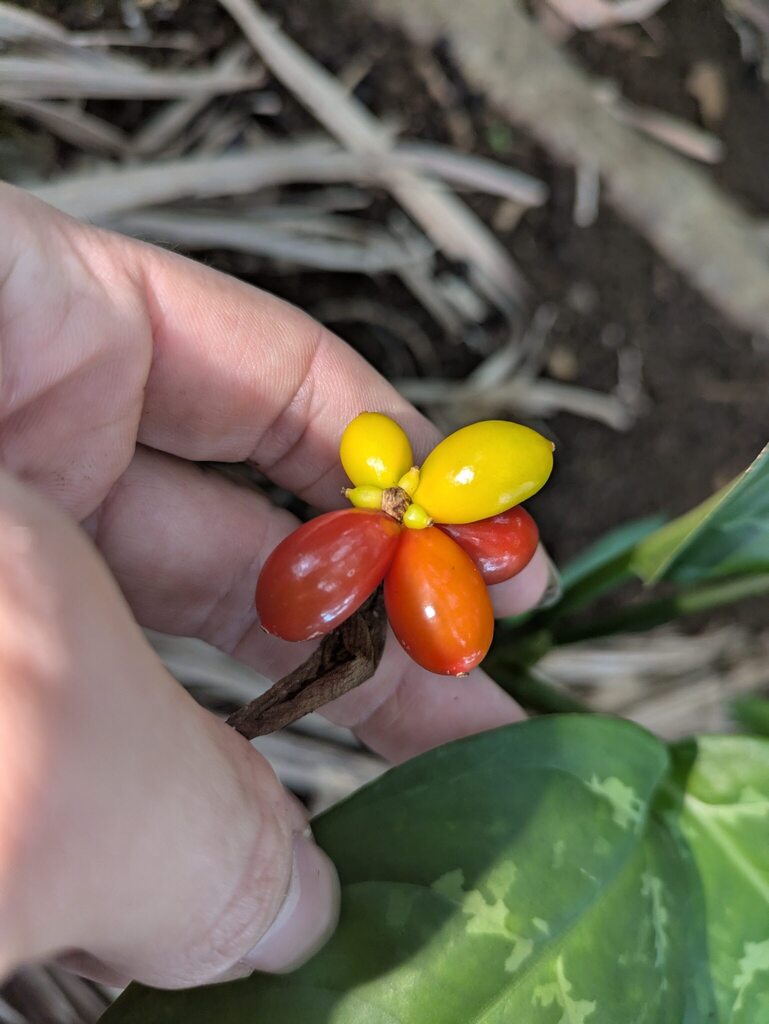
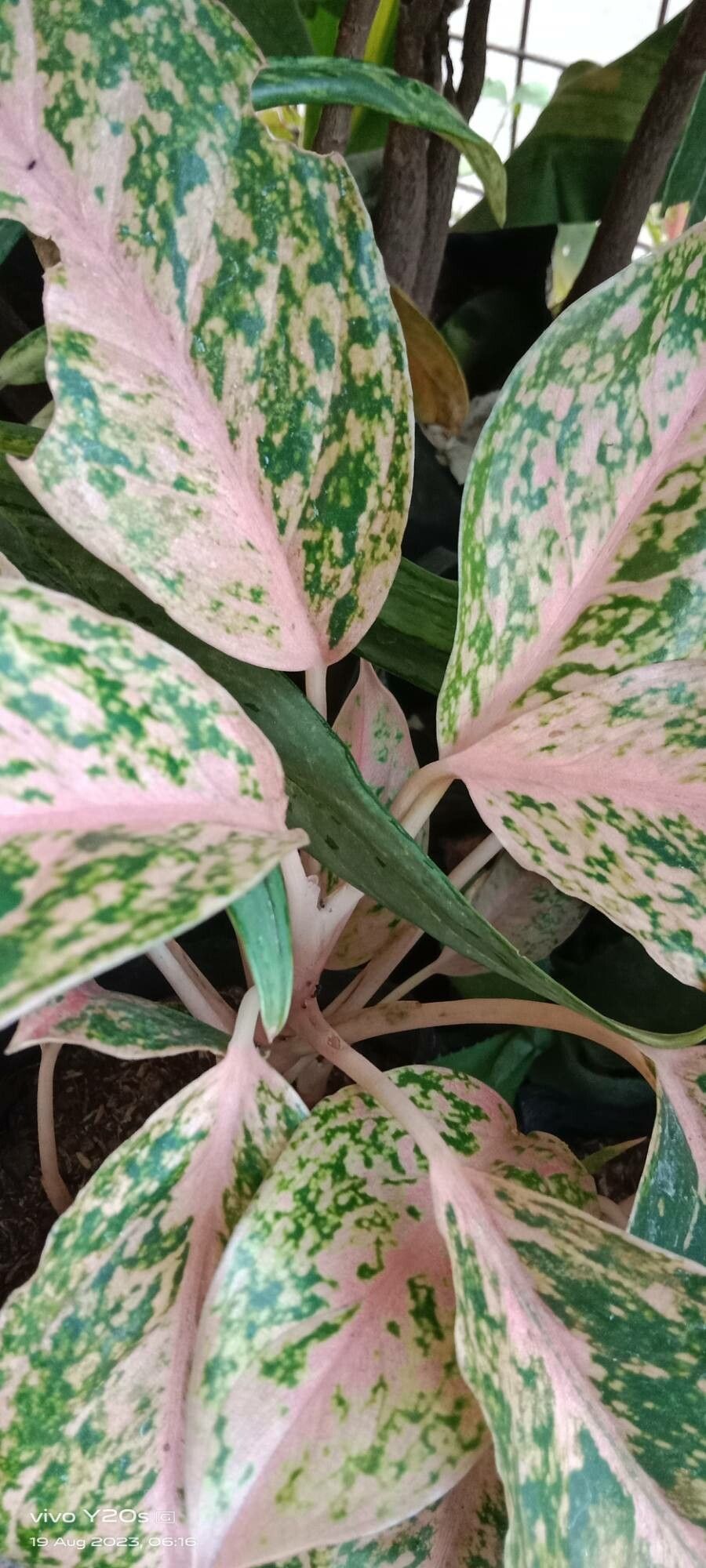
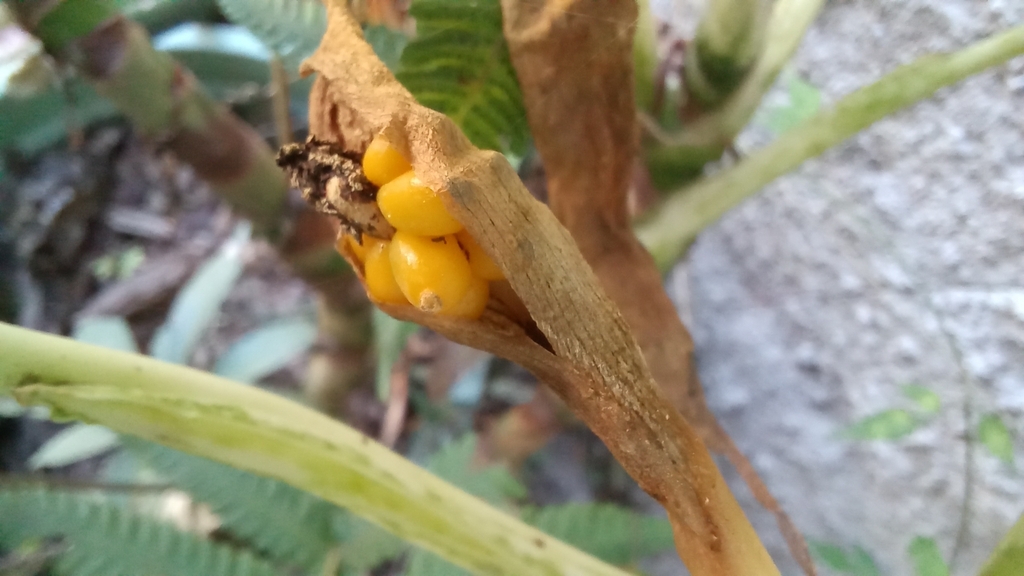
More in Aglaonema
- Chinese evergreenAglaonema modestumAraceae
- Aglaonema simplexAraceae
- Aglaonema costatumAraceae
- Aglaonema nebulosumAraceae
- Aglaonema densinerviumAraceae
- Aglaonema nitidumAraceae
- Aglaonema philippinenseAraceae
- Cara de caballoAglaonema pictumAraceae
- Aglaonema robeleyniiAraceae
- Aglaonema chermsiriwattanaeAraceae
- Aglaonema cordifoliumAraceae
- Aglaonema marantifoliumAraceae
Sources: classification, synonyms from World Flora Online Plant List (2026-06, CC0 1.0); common names, popularity from Wikidata (2026-10-26, CC0 1.0); common names, US characteristics from USDA PLANTS Database (2025-05-29, CC0 1.0); common names from SimplePlant editors (2026-10-26, CC0 1.0). About our plant data.