
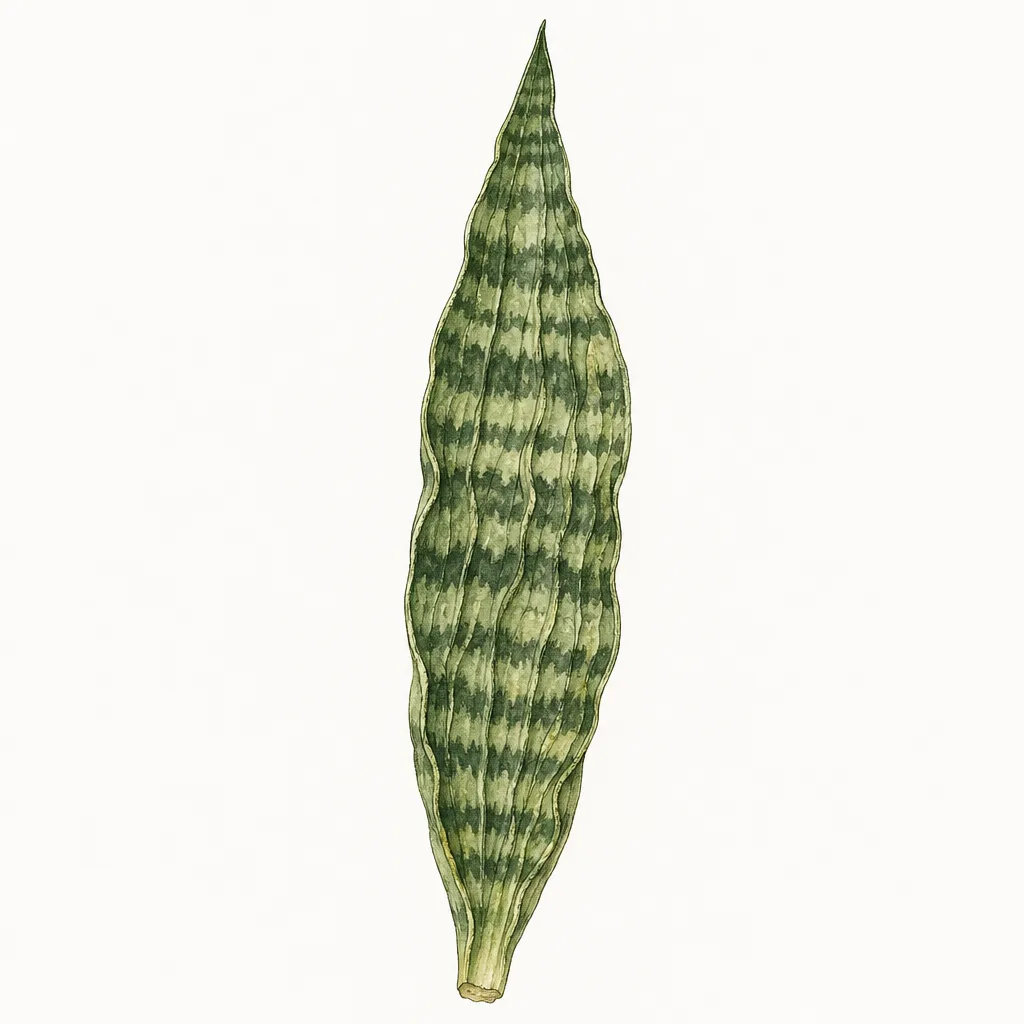
Snake plant leaves wrinkled and shriveling
Wrinkled, shriveling snake plant leaves most likely signal a water shortage, but check moisture throughout the root zone before watering because damaged roots can leave the plant dehydrated even in damp soil. ([Ask Extension](https://ask.extension.org/kb/faq.php?id=730320))
Not sure it's this? Scan your plant — free
What it is
Water stress happens when a plant cannot move enough water into its leaves to maintain their firmness. Dry soil can limit the water available, while prolonged overwatering can deprive roots of oxygen and damage their ability to absorb water. ([Clemson Extension](https://hgic.clemson.edu/factsheet/indoor-plants-watering/))
Also called: Leaf shriveling, Leaf puckering
Plants affected: Snake plant (Dracaena trifasciata, formerly Sansevieria trifasciata), Cylindrical snake plant (Dracaena angolensis)
Symptoms
- Wrinkled or puckered leaves that have lost some firmness. ([Ask Extension](https://ask.extension.org/kb/faq.php?id=730320))
- Brown leaf tips alongside wrinkling can point toward too little water. ([Ask Extension](https://ask.extension.org/kb/faq.php?id=730320))
- Soft leaf bases, watery tissue or a bad smell suggest rot rather than simple thirst. ([Ask Extension](https://ask.extension.org/kb/faq.php?id=730320))
Causes
- Too little water reaching the roots after a long dry spell. ([Ask Extension](https://ask.extension.org/kb/faq.php?id=730320))
- Very dry potting mix becoming difficult to wet evenly. ([Clemson Extension](https://hgic.clemson.edu/factsheet/indoor-plants-watering/))
- Overwatering or poor drainage damaging roots and reducing water uptake. ([Clemson Extension](https://hgic.clemson.edu/factsheet/indoor-plants-watering/))
- Continuing the same watering routine when cooler, dimmer conditions reduce water use. ([Clemson Extension](https://hgic.clemson.edu/factsheet/indoor-plants-watering/))
How to tell it apart
A dry surface does not establish that the root zone is dry. Check below the surface and deeper into the root zone using a wooden skewer, and consider the pot’s weight. Water thoroughly only when the mix is dry through the root zone and the leaf bases are firm. If the lower mix remains damp, do not soak it; inspect roots if there are additional signs of rot or continued decline. Damp mix clinging to the skewer and a heavier pot suggest moisture remains below. Mushy roots, soft bases or a bad smell make rot more likely; wrinkles alone cannot distinguish thirst from damaged roots. ([Clemson Extension](https://hgic.clemson.edu/factsheet/indoor-plants-watering/); [Ask Extension](https://ask.extension.org/kb/faq.php?id=730320))
- Root rot
- The plant can look thirsty despite damp soil; mushy roots or soft shoot bases distinguish it from straightforward underwatering. See [snake plant leaves soft and mushy](snake-plant-leaves-soft-and-mushy) for the full rot-rescue procedure. ([Ask Extension](https://ask.extension.org/kb/faq.php?id=730320))
- Cold injury
- Leaves become watery or mushy after freezing exposure, including beside a cold window. Recent cold exposure is an important clue, though rot can look similar. ([NYBG](https://libanswers.nybg.org/faq/301042))
- Low-light flopping
- Leaves may fold or fall over when active growth receives too little light. Flopping without clear wrinkling is not enough reason to add water. ([NYBG](https://libguides.nybg.org/snakeplant))
Treatment
- 1. Check the whole root zone before adding water Today, check below the surface and deeper into the root zone using a wooden skewer, and consider the pot’s weight. A dry surface alone does not mean the roots are dry. Gently check the leaf bases for softness. If the lower mix remains damp, do not soak it; inspect roots if there are additional signs of rot or continued decline. If you find rot, move promptly to step 3. ([Clemson Extension](https://hgic.clemson.edu/factsheet/indoor-plants-watering/); [Ask Extension](https://ask.extension.org/kb/faq.php?id=730320))
- 2. Rewater only a dry, firm-based plant Water thoroughly only when the mix is dry through the root zone and the leaf bases are firm—not just because the surface looks dry. Confirm deeper dryness with the wooden skewer and the pot’s lighter weight. Water slowly until water drains from the bottom, then empty the saucer and check it again after 15 minutes. If thoroughly dry, hardened mix resists wetting, repeat watering once after 30 minutes and let it drain completely. If the lower mix remains damp, do not give a rescue soaking. ([Clemson Extension](https://hgic.clemson.edu/factsheet/indoor-plants-watering/))
- 3. Remove rot promptly if inspection reveals it Promptly if inspection reveals rot. Check roots, rhizomes—the thick underground stems—and leaf bases: soft, rotting tissue in any of these needs attention. Using a clean cutting tool, remove rotted tissue back to firm, healthy tissue. Repot salvageable portions in fresh, freely draining mix in a draining pot appropriately sized for the remaining roots. Root trimming alone is not sufficient if rot extends into rhizomes or leaf bases; follow the full [snake plant leaves soft and mushy rescue procedure](snake-plant-leaves-soft-and-mushy). ([Ask Extension](https://ask.extension.org/kb/faq.php?id=730320); [NYBG](https://libanswers.nybg.org/faq/301042))
- 4. Give it a steady recovery spot Place it in bright, indirect light away from cold windows and drafts. Aim for 65–80°F; avoid suddenly moving a shade-grown plant into strong direct sun. ([NYBG](https://libguides.nybg.org/snakeplant))
- 5. Recheck before watering again Check moisture deeper in the root zone before the next watering rather than repeating a soak because wrinkles remain. Allow the mix to dry between waterings, and expect it to dry more slowly in low-light winter conditions. ([NC State Extension](https://plants.ces.ncsu.edu/plants/dracaena-trifasciata/common-name/snake-plant/); [Clemson Extension](https://hgic.clemson.edu/factsheet/indoor-plants-watering/))
Prevention
- Keep drainage holes clear and empty runoff rather than leaving the pot standing in water. ([Clemson Extension](https://hgic.clemson.edu/factsheet/indoor-plants-watering/))
- Use a freely draining mix and avoid unnecessarily oversized pots. ([Ask Extension](https://ask.extension.org/kb/faq.php?id=730320))
- Adjust watering to root-zone dryness, light and season—not a fixed calendar or the appearance of the surface alone. ([Clemson Extension](https://hgic.clemson.edu/factsheet/indoor-plants-watering/))
When to worry
Inspect promptly if leaf bases become mushy, leaves collapse, a bad smell develops or the plant keeps declining while the lower mix remains damp. If inspection reveals rot, treat it promptly rather than waiting for the soil to dry. If most roots or the rhizomes are damaged, ask your local extension service or botanical garden for help assessing what can be saved. ([Ask Extension](https://ask.extension.org/kb/faq.php?id=730320); [NYBG](https://libanswers.nybg.org/faq/301042))
Safety
Snake plant is toxic if eaten by people or pets, and its sap can irritate skin. Keep plants and trimmings away from children and animals; wear gloves when cutting and wash your hands afterward. Contact a doctor or poison line after human ingestion, or a veterinarian or animal poison line after suspected pet ingestion; ASPCA Poison Control is (888) 426-4435. For potting mix, follow the label’s handling and storage directions, avoid breathing dust, and store it closed away from children and pets. Handle cutting tools carefully and store them out of reach. ([NC State Extension](https://plants.ces.ncsu.edu/plants/dracaena-trifasciata/common-name/snake-plant/); [ASPCA](https://www.aspca.org/pet-care/aspca-poison-control/toxic-and-non-toxic-plants/snake-plant))
Sharing your home with pets or small children? See which plants our sources call safe for cats, dogs and kids.
FAQ
Can an overwatered snake plant look dehydrated?
Yes. Damaged roots cannot take up water properly, so adding more water may make things worse. Check deeper moisture and inspect roots if the plant continues declining in damp mix. ([Clemson Extension](https://hgic.clemson.edu/factsheet/indoor-plants-watering/))
How often should I water in winter?
Water according to root-zone dryness, not a fixed winter interval. Sources give different guidance: NC State suggests every one to two months; NYBG says only enough to prevent puckering, no more often than every two weeks. Neither interval is a prescription for your pot: check deeper moisture before watering. ([NC State Extension](https://plants.ces.ncsu.edu/plants/dracaena-trifasciata/common-name/snake-plant/); [NYBG](https://libguides.nybg.org/snakeplant))
Should I cut off every wrinkled leaf?
No—correct the watering problem first. For routine pruning, NYBG recommends removing dead or unsupported damaged foliage gradually, taking no more than one-quarter of the total leaf surface at once. Soft, rotting tissue needs prompt attention instead. ([NYBG care guide](https://libguides.nybg.org/snakeplant); [NYBG rot guidance](https://libanswers.nybg.org/faq/301042))
Does my snake plant need more humidity?
Usually not. Average household humidity is adequate; check root-zone moisture and root health first. ([NYBG](https://libguides.nybg.org/snakeplant))