
Rhododendron leaves curling in cold weather
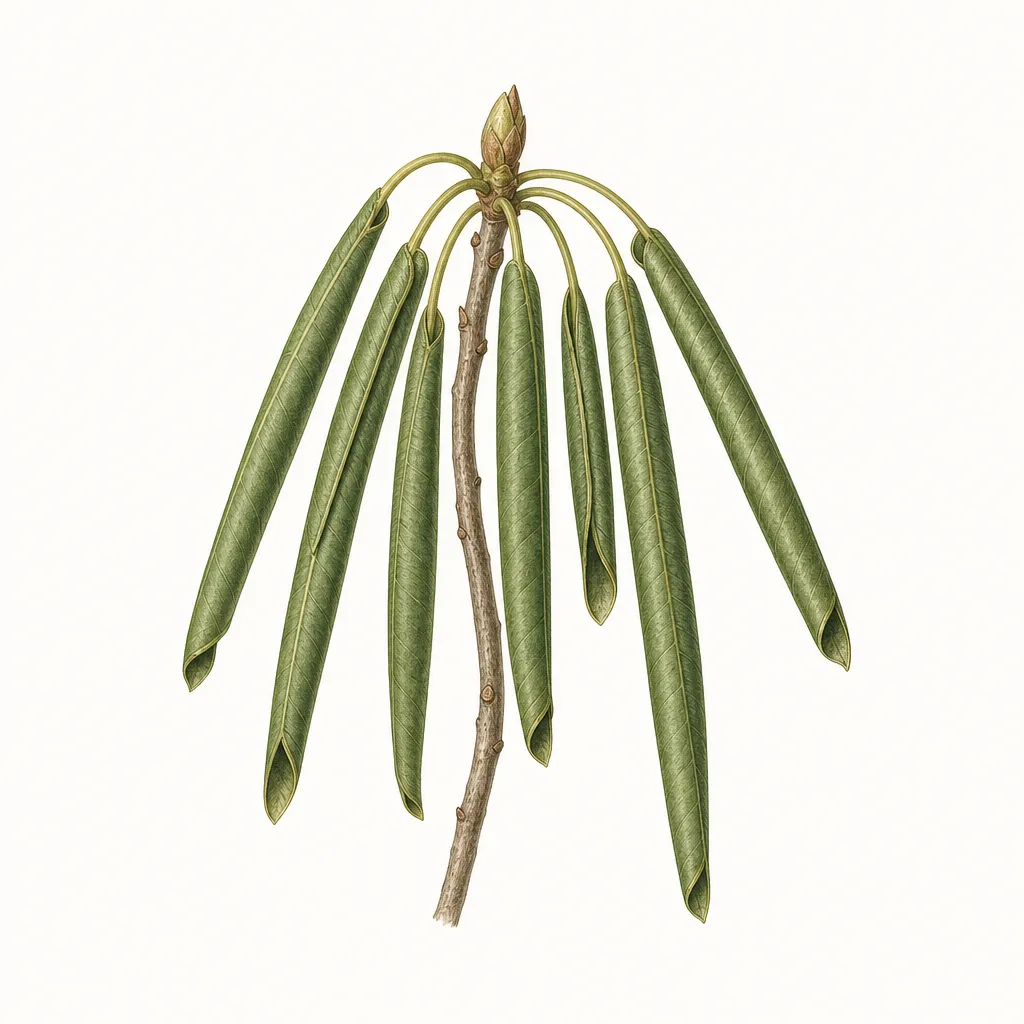
Rhododendron leaves curling in cold weather are most likely showing a normal protective response, especially if they stay green and uncurl when temperatures rise. ([rhodoniagara.org](https://rhodoniagara.org/rhodos/2015_azalea_rhodo_problems.pdf))
Not sure it's this? Scan your plant — free
What it is
Thermonasty is a reversible movement in which cold makes rhododendron leaves roll lengthwise and hang downward. It is not an infection or pest attack: the movement helps protect leaves against winter conditions rather than harming them. ([rhodoniagara.org](https://rhodoniagara.org/rhodos/2015_azalea_rhodo_problems.pdf))
Also called: Thermonasty, Winter leaf rolling
Plants affected: Evergreen rhododendrons
Symptoms
- Green leaves roll lengthwise into narrow, cigar-like tubes and droop during freezing weather. ([rhodoniagara.org](https://rhodoniagara.org/rhodos/2015_azalea_rhodo_problems.pdf))
- Leaves return toward their usual shape in warmer weather. ([rhodoniagara.org](https://rhodoniagara.org/rhodos/2015_azalea_rhodo_problems.pdf))
- Brown tips, edges, or patches suggest injury in addition to normal rolling. ([missouribotanicalgarden.org](https://www.missouribotanicalgarden.org/Portals/0/Gardening/Gardening%20Help/Factsheets/Rhododendrons%20and%20Azaleas38.pdf))
Causes
- Low temperatures trigger normal leaf rolling in some evergreen rhododendrons. ([rhodoniagara.org](https://rhodoniagara.org/rhodos/2015_azalea_rhodo_problems.pdf))
- A separate problem, winter drying, can develop when sun and wind remove moisture faster than roots in cold or frozen soil can replace it. ([extension.psu.edu](https://extension.psu.edu/preventing-winter-burn-on-evergreen-landscape-plants?utm_source=openai))
How to tell it apart
Compare the same leaves during a freeze and the next milder spell. Green leaves that relax as temperatures rise fit normal thermonasty; persistent browning or branch dieback needs closer attention. Curling alone does not prove the plant needs water. ([rhodoniagara.org](https://rhodoniagara.org/rhodos/2015_azalea_rhodo_problems.pdf))
- Winter burn
- Leaves develop brown edges or tips, often worst on the side exposed to sun and wind; severe cases include branch dieback. This is tissue damage, not just reversible rolling. ([extension.psu.edu](https://extension.psu.edu/preventing-winter-burn-on-evergreen-landscape-plants?utm_source=openai))
- Drought or summer scorch
- Curling or cupping happens during hot weather, especially in full sun with insufficient moisture; brown centers or edges may follow. ([missouribotanicalgarden.org](https://www.missouribotanicalgarden.org/Portals/0/Gardening/Gardening%20Help/Factsheets/Rhododendrons%20and%20Azaleas38.pdf))
- Root rot
- Branch dieback and continuing decline, particularly with poor drainage, suggest a root problem rather than cold-responsive movement. Appearance alone cannot confirm the cause. ([missouribotanicalgarden.org](https://www.missouribotanicalgarden.org/Portals/0/Gardening/Gardening%20Help/Factsheets/Rhododendrons%20and%20Azaleas38.pdf))
Treatment
- Check before treating This week, compare the leaves during cold weather and a milder spell. If they remain green and relax with warmth, no treatment for the curling is needed. ([rhodoniagara.org](https://rhodoniagara.org/rhodos/2015_azalea_rhodo_problems.pdf))
- Water only if the soil is dry and thawed Check soil moisture before watering rather than using curled leaves as the signal. During dry fall weather, give a slow, thorough soaking across the root area, allowing water to penetrate rather than puddle; avoid frequent shallow watering and saturation. Do not try to soak frozen ground. ([extension.psu.edu](https://extension.psu.edu/preventing-winter-burn-on-evergreen-landscape-plants?utm_source=openai))
- Check the mulch layer Where mulch is thin, spread bark or aged wood-chip mulch to a total depth of 2–3 inches over the root area. Keep it off the stems; do not add another full layer over existing mulch. ([extension.psu.edu](https://extension.psu.edu/planting-ornamentals?utm_source=openai))
- Shield an exposed shrub If winter wind and sun hit the plant directly, attach burlap to stakes about 2 feet beyond the outer branches on the exposed sides. Leave the top open and do not pack the enclosure with leaves. This helps prevent drying damage, not normal curling. ([extension.psu.edu](https://extension.psu.edu/preventing-winter-burn-on-evergreen-landscape-plants?utm_source=openai))
- Skip fall fertilizer and unnecessary pruning Do not fertilize or prune simply to correct curling this week. Fall fertilizing can encourage vulnerable growth, and rolled green leaves do not need removal. ([extension.psu.edu](https://extension.psu.edu/preventing-winter-burn-on-evergreen-landscape-plants?utm_source=openai))
Prevention
- Before the ground freezes, water during dry periods without leaving the soil saturated. ([extension.psu.edu](https://extension.psu.edu/preventing-winter-burn-on-evergreen-landscape-plants?utm_source=openai))
- Maintain mulch without burying stems, and protect exposed plants from drying winter winds. ([extension.psu.edu](https://extension.psu.edu/planting-ornamentals?utm_source=openai))
- For future plantings, choose locally hardy varieties and a sheltered, partly shaded site with good drainage. ([missouribotanicalgarden.org](https://www.missouribotanicalgarden.org/Portals/0/Gardening/Gardening%20Help/Factsheets/Rhododendrons%20and%20Azaleas38.pdf))
When to worry
Seek help from your local extension service if browning spreads, branches die back, or the plant continues declining after warmer weather returns. Those signs can accompany winter injury or root disease rather than harmless leaf movement. ([missouribotanicalgarden.org](https://www.missouribotanicalgarden.org/Portals/0/Gardening/Gardening%20Help/Factsheets/Rhododendrons%20and%20Azaleas38.pdf))
Safety
Rhododendrons can poison people and pets if eaten. Keep leaves and clippings away from children and animals. For suspected human ingestion, contact a doctor or U.S. Poison Control at 1-800-222-1222; for a pet, contact a veterinarian promptly. Handle and store packaged mulch according to its label, and keep bags and garden materials away from children and pets. ([poison.org](https://www.poison.org/articles/azaleas-and-rhododendrons))
Sharing your home with pets or small children? See which plants our sources call safe for cats, dogs and kids.
FAQ
Will the leaves uncurl?
Normally, yes: cold-induced rolling reverses with warmer weather. Brown, injured areas are a different issue. ([rhodoniagara.org](https://rhodoniagara.org/rhodos/2015_azalea_rhodo_problems.pdf))
Does curling mean my rhododendron is dying?
Usually not when it happens only in cold weather and the leaves remain green. ([rhodoniagara.org](https://rhodoniagara.org/rhodos/2015_azalea_rhodo_problems.pdf))
Should I water whenever the leaves curl?
No. Cold itself causes rolling; base watering on soil moisture and whether the ground is thawed. ([rhodoniagara.org](https://rhodoniagara.org/rhodos/2015_azalea_rhodo_problems.pdf))
Should I cut off curled leaves?
Not if they are green and curling with the cold. Normal thermonasty needs no treatment. ([rhodoniagara.org](https://rhodoniagara.org/rhodos/2015_azalea_rhodo_problems.pdf))
Sources
- Identifying, Treating, and Avoiding Azalea and Rhododendron Problems — WSU Extension
- Preventing Winter Burn on Evergreen Landscape Plants — Penn State Extension
- Planting Ornamentals — Penn State Extension
- Rhododendrons and Azaleas — Missouri Botanical Garden
- Azaleas and rhododendrons: "Mad honey" and other surprising dangers — Poison Control
- Toxic and Non-toxic Plants: Rhododendron — ASPCA
- Preventing Winter Burn on Evergreen Landscape Plants
- Planting Ornamentals