
Pilea leaves curling: causes and fixes
Pilea leaves curling most likely points to watering or light stress, so check whether the potting mix is too dry or too wet before adding water. ([rhs.org.uk](https://www.rhs.org.uk/plants/pilea/how-to-grow-pilea))
Not sure it's this? Scan your plant — free
What it is
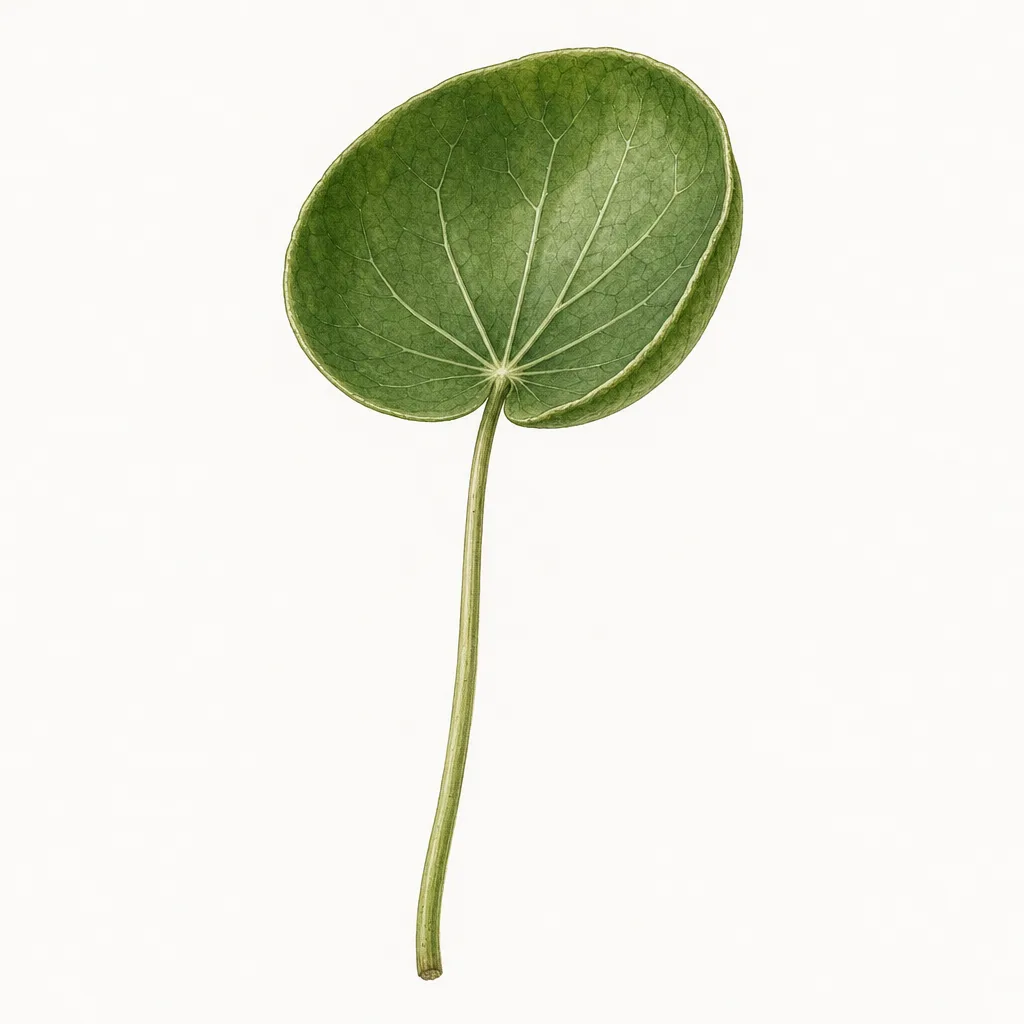
Leaf curl is a change in leaf shape, not a disease diagnosis: the blade becomes cupped, rolled or puckered rather than flat. Water shortage can leave leaf tissues without enough moisture to stay firm, while uneven watering during leaf development can produce lasting deformation. ([extension.umd.edu](https://www.extension.umd.edu/resource/drought-stress-indoor-plants))
Also called: Curled pilea leaves, Pilea leaf puckering
Plants affected: Chinese money plant (Pilea peperomioides)
Symptoms
- Normally flat, round leaves become curled or puckered. ([rhs.org.uk](https://www.rhs.org.uk/plants/pilea/how-to-grow-pilea))
- Curling with wilting, followed by brown edges or leaf drop if water shortage continues. ([extension.umd.edu](https://www.extension.umd.edu/resource/drought-stress-indoor-plants))
- Distorted growth accompanied by sticky patches, tiny pale specks or fine webbing suggests pests rather than watering alone. ([ipm.ucanr.edu](https://ipm.ucanr.edu/home-and-landscape/houseplant-problems/))
Causes
- Too little water, too much water or insufficient light: the RHS specifically lists these causes for curling pilea leaves. ([rhs.org.uk](https://www.rhs.org.uk/plants/pilea/how-to-grow-pilea))
- Irregular watering or fluctuating temperatures while leaves develop. ([rhs.org.uk](https://www.rhs.org.uk/prevention-protection/leaf-damage-on-houseplants))
- Root damage associated with overwatering, which can leave a plant wilted despite wet soil. ([extension.umd.edu](https://www.extension.umd.edu/resource/diagnose-indoor-plant-problems?utm_source=openai))
- Feeding by insects or mites; aphids can curl leaves, while some tiny mites deform new growth. ([ipm.ucanr.edu](https://ipm.ucanr.edu/home-and-landscape/houseplant-problems/))
How to tell it apart
Start with the mix, not the direction of the curl. A light pot and dry mix support water shortage; wet mix with wilting calls for a root check. Healthy roots are firm and light-colored, while rotting roots are dark and soft. Then inspect leaf undersides and new growth for pests, using a magnifier if available. ([extension.umd.edu](https://www.extension.umd.edu/resource/drought-stress-indoor-plants))
- Root rot mistaken for thirst
- Both can cause wilting, but root rot is associated with dark, soft roots rather than firm, light-colored roots; adding water will not repair those roots. ([extension.umd.edu](https://www.extension.umd.edu/resource/diagnose-indoor-plant-problems?utm_source=openai))
- Spider mite damage
- Look for many tiny pale feeding specks and sometimes fine webbing, especially underneath leaves, rather than curling alone. ([ipm.ucanr.edu](https://ipm.ucanr.edu/home-and-landscape/houseplant-problems/))
- Aphid damage
- Clusters of small insects on tender growth, sticky honeydew and discarded white insect skins support aphids as the cause of distorted leaves. ([ipm.ucanr.edu](https://ipm.ucanr.edu/home-and-landscape/houseplant-problems/))
- Sun stress
- Red-brown flushing on pilea leaves exposed to direct sunshine points toward excessive sun rather than a simple watering problem. ([rhs.org.uk](https://www.rhs.org.uk/plants/pilea/how-to-grow-pilea))
Treatment
- 1. Match watering to the mix today Check the top few centimeters, roughly 1 inch, with your finger and lift the pot. If that layer is starting to dry, water thoroughly until water exits the drainage holes, then empty the saucer or outer pot. If it is still wet, wait and check again before watering. If very dry mix has shrunk away from the pot, apply water in several passes to wet it through. Do not use a fixed weekly watering dose. ([rhs.org.uk](https://www.rhs.org.uk/plants/pilea/how-to-grow-pilea))
- 2. Check roots if the plant is wilting in wet mix This week, gently slide out the root ball. If roots are dark and soft, cut away rotten portions and repot the remaining healthy plant in fresh, well-draining houseplant potting mix, using a container with drainage holes. If damage is severe, replacing the plant may be more practical than trying to save it. Follow the potting-mix label and the handling precautions below. ([extension.umd.edu](https://www.extension.umd.edu/resource/diagnose-indoor-plant-problems?utm_source=openai))
- 3. Correct the light and temperature Move the plant to bright, indirect light rather than deep shade or direct sunshine. Keep it away from cold drafts and places with sharp temperature changes. Make this adjustment now rather than repeatedly moving it between unsuitable spots. ([rhs.org.uk](https://www.rhs.org.uk/plants/pilea/how-to-grow-pilea))
- 4. Treat pests only if you find evidence Inspect both leaf surfaces and new growth now. If insects or mites are present, separate the plant from other houseplants and rinse affected leaves and stems with plain water, including the undersides. Let the foliage dry promptly. Recheck weekly and repeat washing if pests remain; do not apply a pesticide just because leaves curl. ([ipm.ucanr.edu](https://ipm.ucanr.edu/home-and-landscape/houseplant-problems/))
Prevention
- Use soil dryness and pot weight to guide watering; pileas generally need less water in winter. ([rhs.org.uk](https://www.rhs.org.uk/plants/pilea/how-to-grow-pilea))
- Avoid alternating between soggy mix and prolonged dryness, especially while new leaves develop. ([rhs.org.uk](https://www.rhs.org.uk/prevention-protection/leaf-damage-on-houseplants))
- Examine new plants weekly for pests during their first several weeks at home. ([ipm.ucanr.edu](https://ipm.ucanr.edu/home-and-landscape/houseplant-problems/))
When to worry
Act promptly if curling comes with persistent wilting in wet mix, dark and soft roots, or rapidly worsening pest damage. If the cause remains unclear, ask your local extension service for diagnostic help rather than trying several treatments at once. ([extension.umd.edu](https://www.extension.umd.edu/resource/diagnose-indoor-plant-problems?utm_source=openai))
Safety
If repotting, follow the potting-mix label, wear gloves, cover cuts and wash your hands afterward. Avoid breathing dust; lightly dampen dusty material before handling. Store the bag sealed in a cool place, away from children and pets. ([schoolgardening.rhs.org.uk](https://schoolgardening.rhs.org.uk/getmedia/4cc32733-95f2-4441-b68a-a8f1c959120e/Health-and-Safety-Schools-Risk-Assessment?utm_source=openai))
Sharing your home with pets or small children? See which plants our sources call safe for cats, dogs and kids.
FAQ
Does curling mean my pilea needs water?
Not necessarily. Both too little and too much water can cause curling, so check the mix first. ([rhs.org.uk](https://www.rhs.org.uk/plants/pilea/how-to-grow-pilea))
Will curled leaves flatten again?
Temporary water-stress wilting can improve, but leaves deformed during development may stay misshapen; recovery is not guaranteed. ([extension.umd.edu](https://www.extension.umd.edu/resource/drought-stress-indoor-plants))
Should I mist my pilea?
Misting is not the first fix: most pileas tolerate ordinary indoor air. Check watering, drainage and light first. ([rhs.org.uk](https://www.rhs.org.uk/plants/pilea/how-to-grow-pilea))
Can I diagnose the cause from upward or downward curling?
Not reliably from direction alone. Check moisture, roots, growing conditions and pest signs together. ([rhs.org.uk](https://www.rhs.org.uk/prevention-protection/leaf-damage-on-houseplants))
Sources
- How to grow pilea — Royal Horticultural Society
- Drought Stress to Indoor Plants — University of Maryland Extension
- Leaf damage on houseplants — Royal Horticultural Society
- Houseplant Problems — University of California IPM
- Diagnose Indoor Plant Problems — University of Maryland Extension
- Health and Safety: Schools Risk Assessment — Royal Horticultural Society
- Diagnose Indoor Plant Problems | University of Maryland Extension