
Philodendron leaves not unfurling: causes and fixes
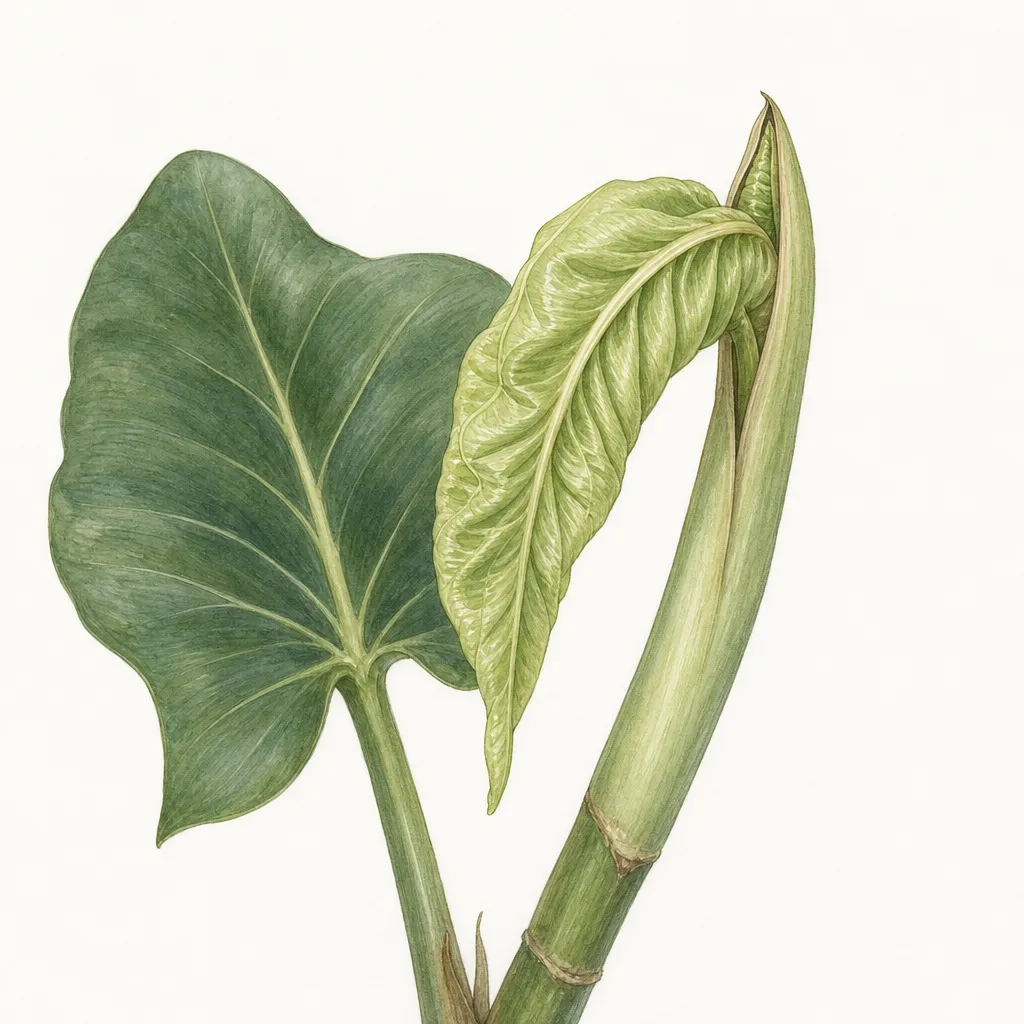
Philodendron leaves that repeatedly fail to unfurl most likely need steadier growing conditions, especially watering and humidity, but excess fertilizer or pests can cause similar trouble. ([rhs.org.uk](https://www.rhs.org.uk/prevention-protection/leaf-damage-on-houseplants))
Not sure it's this? Scan your plant — free
What it is
Failure to unfurl is a leaf-development problem in which a new leaf remains folded or trapped in its surrounding sheath instead of opening fully. Interrupted development can leave the leaf crinkled or misshapen; this symptom alone does not identify a particular disease or pest. ([ask.extension.org](https://ask.extension.org/kb/faq.php?id=652387))
Also called: Failure to unfurl, Trapped new leaves
Plants affected: Philodendron
Symptoms
- A new leaf stays folded, with its tip caught in the surrounding sheath. ([ask.extension.org](https://ask.extension.org/kb/faq.php?id=652387))
- Leaves emerge crinkled, creased or misshapen. ([rhs.org.uk](https://www.rhs.org.uk/prevention-protection/leaf-damage-on-houseplants))
Causes
- Irregular watering during leaf development can interrupt growth and leave leaves creased. ([rhs.org.uk](https://www.rhs.org.uk/prevention-protection/leaf-damage-on-houseplants))
- Low humidity can interfere with unfurling, although the RHS says most philodendrons tolerate ordinary household humidity; dry air is not automatically the cause. ([ask.extension.org](https://ask.extension.org/kb/faq.php?id=677079))
- Too much fertilizer can cause tip curl and trapped leaves. ([ask.extension.org](https://ask.extension.org/kb/faq.php?id=652387))
- Poor light, temperature swings, overly wet roots or insect feeding may accompany abnormal growth. ([yardandgarden.extension.iastate.edu](https://yardandgarden.extension.iastate.edu/how-to/diagnosing-houseplant-problems-improper-environmental-conditions))
How to tell it apart
Check the potting mix before adding water, review recent feeding, and inspect new growth and leaf undersides with a magnifier. Crinkling without insects points toward interrupted development; silvery scars with tiny moving insects suggest thrips. These clues narrow the cause but do not prove it. ([rhs.org.uk](https://www.rhs.org.uk/prevention-protection/leaf-damage-on-houseplants))
- Thrips damage
- Look for irregular silvery streaks, shiny dark droppings and tiny, slender insects that run when disturbed—not just a folded leaf. ([extension.umn.edu](https://extension.umn.edu/garden-and-home/yard-and-garden/yard-and-garden-insects/insects-on-indoor-plants))
- Aphid damage
- Aphids cluster around opening buds and stems; sticky honeydew and visible pear-shaped insects help distinguish them from a growing-conditions problem. ([extension.umn.edu](https://extension.umn.edu/garden-and-home/yard-and-garden/yard-and-garden-insects/insects-on-indoor-plants))
- Root rot
- Suspect root trouble when the plant wilts despite wet mix. Gently check the rootball: brown, soft, rotted roots need attention rather than extra watering. ([yardandgarden.extension.iastate.edu](https://yardandgarden.extension.iastate.edu/how-to/diagnosing-houseplant-problems-improper-environmental-conditions))
Treatment
- 1. Check moisture before watering Check today and again before the next watering. During active growth, let roughly the top 1/2 inch of mix dry, then use room-temperature water to moisten the rootball throughout. Let excess water drain and empty the saucer; do not keep adding water to make the leaf open. ([ask.extension.org](https://ask.extension.org/kb/faq.php?id=677079))
- 2. Stabilize the plant's position This week, choose bright, indirect light away from heating vents and cold drafts. Keep temperatures above 59°F (15°C), including overnight. ([rhs.org.uk](https://www.rhs.org.uk/plants/philodendron/growing-guide))
- 3. Address genuinely dry air If the room is dry, try a humidifier or group healthy plants nearby. Reassess conditions through the week rather than assuming every stuck leaf needs higher humidity; ordinary household humidity suits many philodendrons. Operate and clean a humidifier according to its instructions. ([yardandgarden.extension.iastate.edu](https://yardandgarden.extension.iastate.edu/how-to/diagnosing-houseplant-problems-improper-environmental-conditions))
- 4. Pause extra feeding Do not add fertilizer this week to force growth. If you have been feeding frequently, reduce the routine; an Extension response to trapped philodendron leaves recommends weak feeding monthly or every other month instead. Follow the fertilizer label. ([ask.extension.org](https://ask.extension.org/kb/faq.php?id=652387))
- 5. Inspect for pests and act only if found Inspect today with a magnifier, including leaf undersides and stem joints. If insects are present, separate the plant from others and rinse accessible foliage in the sink with plain water. Check again when watering; persistent pests need identification before choosing further treatment. ([extension.umn.edu](https://extension.umn.edu/garden-and-home/yard-and-garden/yard-and-garden-insects/insects-on-indoor-plants))
Prevention
- Keep watering consistent without leaving the mix soggy or letting the entire rootball become bone-dry. ([rhs.org.uk](https://www.rhs.org.uk/prevention-protection/leaf-damage-on-houseplants))
- Check for insects whenever you water, and isolate new plants for one to two weeks. ([extension.umn.edu](https://extension.umn.edu/garden-and-home/yard-and-garden/yard-and-garden-insects/insects-on-indoor-plants))
When to worry
Investigate promptly if older leaves also wilt or yellow, the mix stays wet, roots are soft and rotted, or insects appear. If successive leaves remain malformed after correcting conditions, ask your local Extension service for help rather than repeatedly increasing water or fertilizer. ([yardandgarden.extension.iastate.edu](https://yardandgarden.extension.iastate.edu/how-to/diagnosing-houseplant-problems-improper-environmental-conditions))
Safety
Philodendrons are poisonous if eaten, and their sap can irritate skin. Keep plants away from children and pets and wear gloves when handling damaged tissue. If someone or a pet chews the plant, contact a doctor, veterinarian or poison line. If using fertilizer, follow its label, avoid skin and eye contact, and store it closed in its original container away from children and pets. ([rhs.org.uk](https://www.rhs.org.uk/plants/philodendron/growing-guide))
Sharing your home with pets or small children? See which plants our sources call safe for cats, dogs and kids.
FAQ
Is low humidity always the cause?
No. Extension guidance links dry air with poor unfurling, but the RHS says philodendrons generally tolerate household humidity. Check watering, feeding and pests too. ([ask.extension.org](https://ask.extension.org/kb/faq.php?id=677079))
Should I pull the leaf out?
A cautious approach is to leave it alone while correcting conditions. Removing the sheath did not undo the crinkling in the Extension case reviewed here. ([ask.extension.org](https://ask.extension.org/kb/faq.php?id=652387))
Will more fertilizer help?
Not necessarily—too much fertilizer can itself cause trapped, curled new leaves. ([ask.extension.org](https://ask.extension.org/kb/faq.php?id=652387))
Is a pale new leaf another warning sign?
Not by itself. University of Maryland Extension notes that new philodendron foliage can initially be pale. ([ask.extension.org](https://ask.extension.org/kb/faq.php?id=677079))
Sources
- How to grow philodendrons — RHS
- Philodendron Brandtianum — Ask Extension, University of Maryland Extension response
- Leaf sheath not releasing leaf — Ask Extension
- Leaf damage on houseplants — RHS
- Diagnosing Houseplant Problems from Improper Environmental Conditions — Iowa State University Extension
- Managing insects on indoor plants — University of Minnesota Extension