
Orchid buds falling off before opening: causes and fixes
Orchid buds falling off before opening are most likely experiencing bud blast—usually stress from changed conditions, drafts, or watering problems rather than an infection. ([libguides.nybg.org](https://libguides.nybg.org/phalaenopsis))
Not sure it's this? Scan your plant — free
What it is
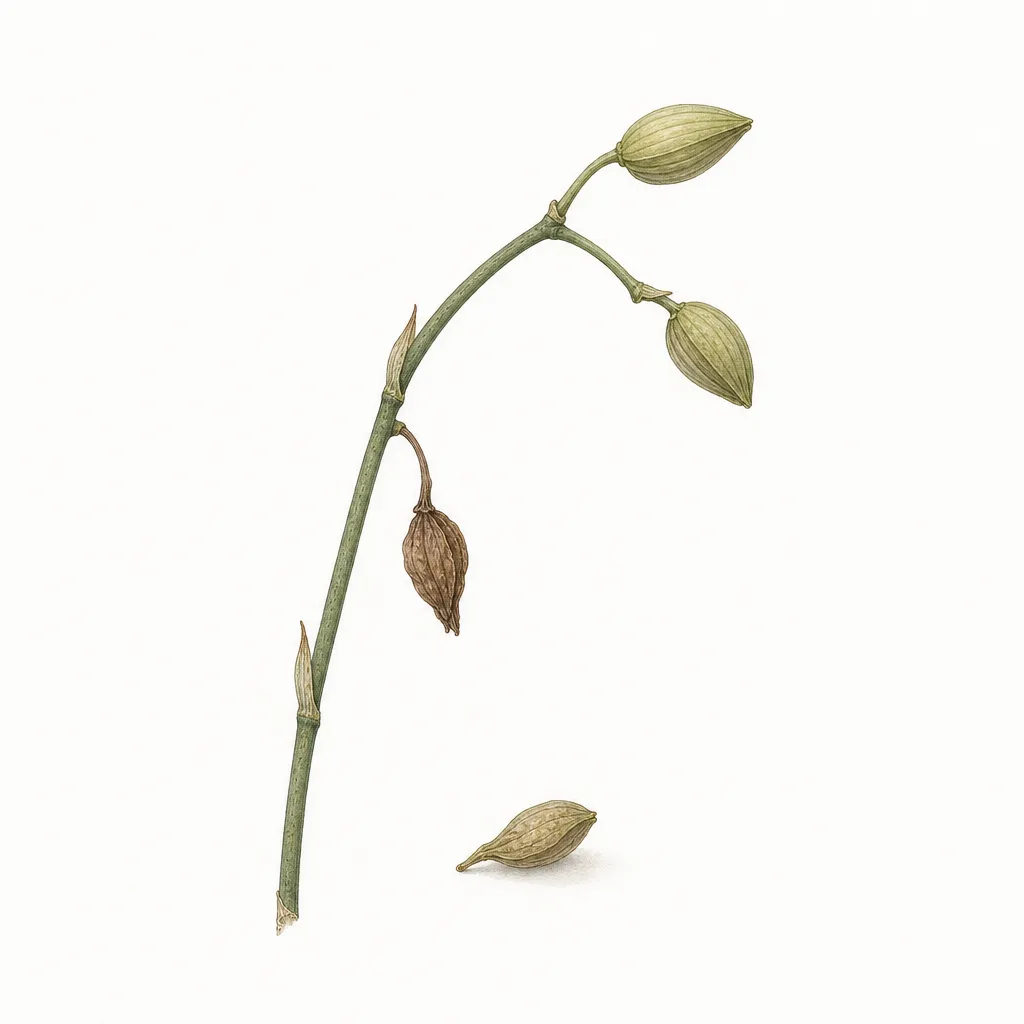
Bud blast is the premature failure of developing flower buds: they wither and die before becoming open flowers. It describes a symptom, not one particular disease; sensitive buds may be lost even when the rest of the orchid looks healthy. ([aos.org](https://www.aos.org/orchid-care/orchid-pests-and-diseases/bud-blast))
Also called: Bud drop, Bud abortion
Plants affected: Phalaenopsis (moth orchids), Cattleya, Dendrobium, Other orchids
Symptoms
- Unopened buds shrivel, turn brown and drop from the flower stalk. ([aos.org](https://www.aos.org/orchid-care/orchid-pests-and-diseases/bud-blast))
- The leaves and remaining plant may still look healthy. ([aos.org](https://www.aos.org/orchid-care/orchid-pests-and-diseases/bud-blast))
Causes
- A recent move, especially the trip home from a shop, changes temperature, light or humidity. ([libguides.nybg.org](https://libguides.nybg.org/phalaenopsis))
- Hot or cold drafts and sudden temperature changes stress developing buds. ([aos.org](https://www.aos.org/orchid-care/whats-wrong-with-my-orchid))
- Too little water, or overwatering that damages roots, leaves buds short of moisture. ([aos.org](https://www.aos.org/orchid-care/orchid-pests-and-diseases/bud-blast))
- Low humidity, insufficient light or overheating in direct sun can interrupt bud development. ([aos.org](https://www.aos.org/orchid-care/orchid-pests-and-diseases/bud-blast))
- Ripening fruit releases ethylene; smoke, paint fumes and other air pollutants can also trigger bud loss. ([aos.org](https://www.aos.org/orchid-care/whats-wrong-with-my-orchid))
- Aphids, thrips or chemical damage from incorrectly applied plant products can cause similar losses. ([aos.org](https://www.aos.org/orchid-care/orchid-pests-and-diseases/bud-blast))
How to tell it apart
Check whether the fallen parts were unopened buds rather than flowers that had already bloomed. Bud blast is especially likely after a move or change in conditions, but inspect roots and buds too: bud loss alone cannot identify the cause. ([missouribotanicalgarden.org](https://www.missouribotanicalgarden.org/portals/0/gardening/gardening%20help/factsheets/orchid%20problems34.pdf))
- Normal flower aging
- The flowers opened successfully before fading and dropping. Moth orchid flowers can last a month or longer; bud blast happens before opening. ([extension.umd.edu](https://www.extension.umd.edu/resource/care-phalaenopsis-orchids-moth-orchids))
- Thrips or aphid damage
- Look for small insects, distorted flowers, sticky deposits from aphids, or rough silvery markings from thrips. These pests can also cause bud blast, so finding them changes what needs treating. ([missouribotanicalgarden.org](https://www.missouribotanicalgarden.org/portals/0/gardening/gardening%20help/factsheets/orchid%20problems34.pdf))
- Root rot
- Look for deteriorating roots together with yellowing, weakness or shriveled leaves despite wet potting material. Root rot can cause bud loss, but affects the plant beyond its buds. ([libguides.nybg.org](https://libguides.nybg.org/phalaenopsis))
Treatment
- 1. Give the orchid one sheltered location Today, move it out of heater or air-conditioning airflow and away from hot or cold window glass. For a moth orchid, choose bright, indirect light, then leave it there while the remaining buds develop rather than moving it repeatedly. ([libguides.nybg.org](https://libguides.nybg.org/phalaenopsis))
- 2. Check moisture before adding water For a moth orchid, feel about an inch into the potting material before watering; wait until it is nearly dry, not completely dried out. When needed, water in the morning with lukewarm water. For bark-grown plants, give 3–4 drenches over about 10 minutes, then drain completely and empty the saucer. Do not water again simply because another bud falls. ([libguides.nybg.org](https://libguides.nybg.org/phalaenopsis))
- 3. Remove nearby sources of fumes Move ripening fruit away from the orchid today. Keep smoke and painting fumes out of its growing area throughout bud development. ([aos.org](https://www.aos.org/orchid-care/whats-wrong-with-my-orchid))
- 4. Address dry air without soaking buds This week, group the orchid with other healthy plants over a water-filled gravel tray, keeping pot bottoms above the water. Do not leave water sitting on buds or between leaves, and maintain gentle air movement rather than a direct draft. ([libguides.nybg.org](https://libguides.nybg.org/phalaenopsis))
- 5. Inspect before treating for pests Examine buds, flowers and leaf undersides this week, using a magnifier if available. If you find insects, photograph them and ask your local extension service to identify them before choosing a treatment; bud drop alone is not evidence that a pesticide is needed. ([missouribotanicalgarden.org](https://www.missouribotanicalgarden.org/portals/0/gardening/gardening%20help/factsheets/orchid%20problems34.pdf))
Prevention
- Avoid relocating an orchid while it is in bud; wait until flowers open when possible. ([aos.org](https://www.aos.org/orchid-care/whats-wrong-with-my-orchid))
- Base watering on moisture in the pot, not a rigid weekly schedule; moss dries more slowly than bark. ([libguides.nybg.org](https://libguides.nybg.org/phalaenopsis))
- Keep developing buds away from temperature extremes, fruit bowls and fumes. ([aos.org](https://www.aos.org/orchid-care/whats-wrong-with-my-orchid))
When to worry
Bud loss alone does not necessarily mean the orchid is dying. Get help promptly if leaves are also yellowing or collapsing, roots are deteriorating, or you find insects and distorted growth; these signs suggest more than a temporary change in conditions. ([aos.org](https://www.aos.org/orchid-care/orchid-pests-and-diseases/bud-blast))
Safety
The ASPCA lists Phalaenopsis moth orchids as non-toxic to cats and dogs; that identification should not be generalized to every plant sold as an orchid. If a person or pet becomes unwell after chewing a plant, contact a doctor, veterinarian or poison line. No chemical treatment is recommended here. ([aspca.org](https://www.aspca.org/pet-care/aspca-poison-control/toxic-and-non-toxic-plants/phalaenopsis-orchid))
Sharing your home with pets or small children? See which plants our sources call safe for cats, dogs and kids.
FAQ
Did bringing my orchid home cause this?
Possibly. Cold exposure during transport and changes in light or humidity after purchase are common triggers. ([libguides.nybg.org](https://libguides.nybg.org/phalaenopsis))
Should I water more when buds fall?
Not automatically. Both underwatering and root damage from overwatering can cause bud loss; check the pot first. ([aos.org](https://www.aos.org/orchid-care/orchid-pests-and-diseases/bud-blast))
Can a fruit bowl really cause bud drop?
Yes. Ripening fruit releases ethylene, which can trigger premature bud and flower loss. ([aos.org](https://www.aos.org/orchid-care/whats-wrong-with-my-orchid))
Can my orchid flower again?
Yes, a healthy moth orchid can flower again, sometimes from branches on an existing flower stalk. Bud blast does not by itself mean the plant cannot rebloom. ([extension.umd.edu](https://www.extension.umd.edu/resource/care-phalaenopsis-orchids-moth-orchids))
Sources
- Bud Blast — American Orchid Society
- Phalaenopsis (moth orchid) — New York Botanical Garden
- Care of Phalaenopsis Orchids (Moth Orchids) — University of Maryland Extension
- Orchids: Problems — Missouri Botanical Garden
- What's wrong with my orchid? — American Orchid Society
- Toxic and Non-toxic Plants: Phalaenopsis Orchid — ASPCA