
Dracaena leaves turning brown at tips: causes and fixes
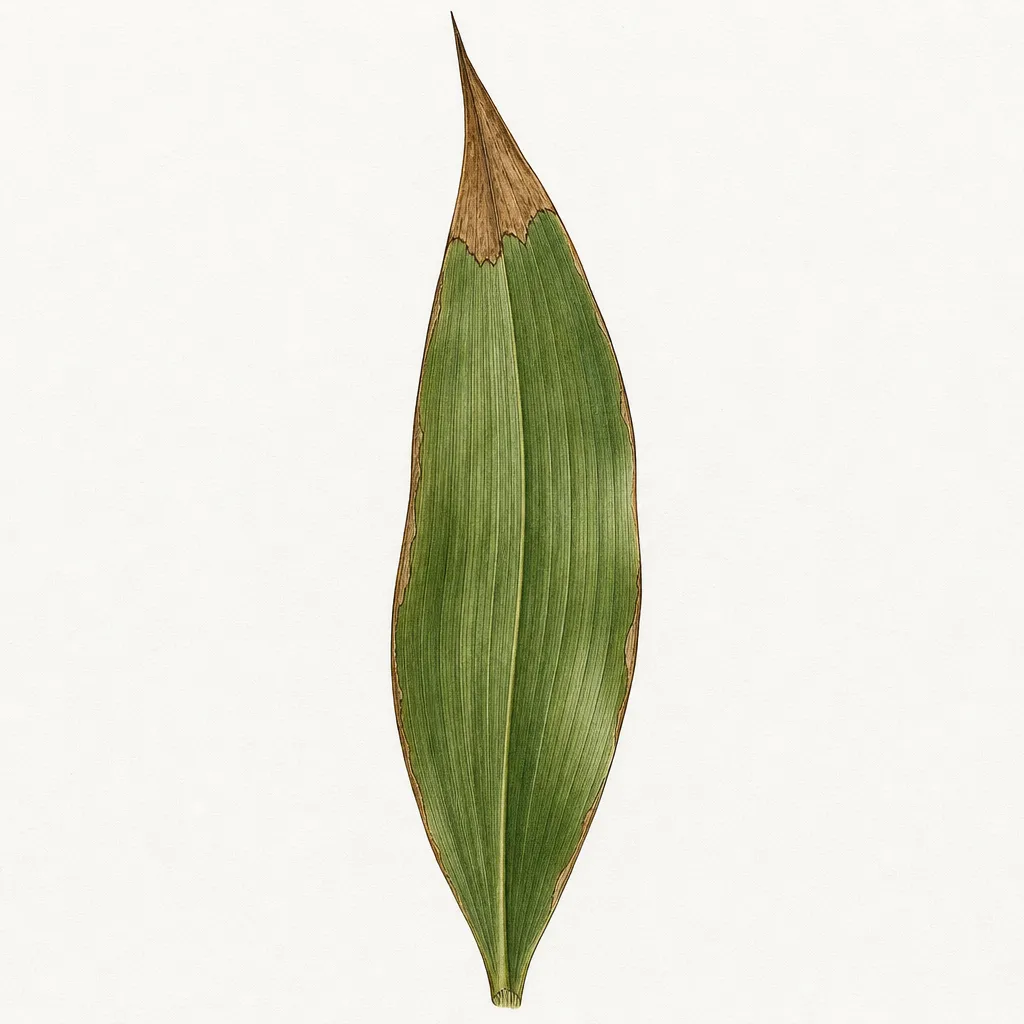
Dracaena leaf tips most often turn brown from dry air or uneven watering, though fluoride-sensitive plants can also develop tip burn from water or excess fertilizer salts. ([hgic.clemson.edu](https://hgic.clemson.edu/factsheet/dracaena/?utm_source=openai))
Not sure it's this? Scan your plant — free
What it is
Leaf tip burn is the death of tissue at the pointed end of a leaf, sometimes extending along its edges. It is usually an environmental disorder: moisture stress or accumulated fluoride and salts damage leaf tissue rather than an infection spreading through the plant. ([pnwhandbooks.org](https://pnwhandbooks.org/plantdisease/host-disease/dracaena-tip-burn?utm_source=openai))
Also called: Brown leaf tips, Tip scorch
Plants affected: Dracaena houseplants, including corn plant and dragon tree
Symptoms
- Dry, brown tips, sometimes with browning along the leaf edges. ([hgic.clemson.edu](https://hgic.clemson.edu/factsheet/dracaena/?utm_source=openai))
- Yellowing around tips or margins can accompany fluoride injury or excessive fertilizer. ([hgic.clemson.edu](https://hgic.clemson.edu/factsheet/dracaena/?utm_source=openai))
Causes
- Low indoor humidity, especially during winter. ([yardandgarden.extension.iastate.edu](https://yardandgarden.extension.iastate.edu/faq/why-does-my-houseplant-have-brown-leaf-tips-and-edges?utm_source=openai))
- Letting the potting mix stay dry too long between waterings. ([pnwhandbooks.org](https://pnwhandbooks.org/plantdisease/host-disease/dracaena-tip-burn?utm_source=openai))
- Fluoride accumulating in sensitive dracaena leaves after repeated exposure through irrigation water. ([pnwhandbooks.org](https://pnwhandbooks.org/plantdisease/host-disease/dracaena-tip-burn?utm_source=openai))
- Excess fertilizer or dissolved minerals building up in the potting mix and interfering with water uptake. ([extension.umd.edu](https://extension.umd.edu/resource/watering-indoor-plants?utm_source=openai))
How to tell it apart
Tips alone cannot identify the cause. Check whether the mix repeatedly becomes very dry, whether the room is dry, and whether fertilizer use or white crust on the pot suggests salt buildup. Sources emphasize different triggers: Clemson highlights low humidity, while the Pacific Northwest handbook emphasizes fluoride sensitivity and excessive drying; neither makes brown tips alone a definite diagnosis. ([hgic.clemson.edu](https://hgic.clemson.edu/factsheet/dracaena/?utm_source=openai))
- Root rot
- Yellowing and wilting with discolored, softened roots point toward root rot rather than isolated dry tips. ([stage.extension.umd.edu](https://stage.extension.umd.edu/resource/diagnose-indoor-plant-problems?utm_source=openai))
- Sun scorch
- Excess sun can cause round, dry patches or streaks across the leaf, not just browning at its point. ([hgic.clemson.edu](https://hgic.clemson.edu/factsheet/dracaena/?utm_source=openai))
- Insect infestation
- Look for white cottony insects or raised brown bumps on leaves and stems; these indicate mealybugs or scale rather than environmental tip burn alone. ([stage.extension.umd.edu](https://stage.extension.umd.edu/resource/diagnose-indoor-plant-problems?utm_source=openai))
Treatment
- 1. Check moisture before adding water Feel the soil surface today. If dry, water thoroughly until water exits the drainage holes, then empty the saucer. If still moist, wait and check again rather than watering on a fixed schedule. Allow slight drying, not prolonged drought. ([hgic.clemson.edu](https://hgic.clemson.edu/factsheet/dracaena/?utm_source=openai))
- 2. Change water if fluoride exposure is plausible If you use fluoridated tap water, switch to distilled or reverse-osmosis water at the next watering and continue using it. Avoid water from a household water softener because it can add salts. ([pnwhandbooks.org](https://pnwhandbooks.org/plantdisease/host-disease/dracaena-tip-burn?utm_source=openai))
- 3. Pause fertilizer and address salt buildup Skip fertilizer this week. If white crust or recent heavy feeding suggests salts, remove the surface crust and, at the next needed watering, slowly run at least twice the pot's volume of water through the mix. Let it drain completely; do not attempt this in a pot without drainage holes. ([extension.umd.edu](https://extension.umd.edu/resource/watering-indoor-plants?utm_source=openai))
- 4. Improve dry indoor air If the room is dry, start using a room humidifier this week, following its operating and cleaning instructions. Grouping plants together is another option. Do not compensate for dry air by keeping the potting mix constantly wet. ([yardandgarden.extension.iastate.edu](https://yardandgarden.extension.iastate.edu/faq/why-does-my-houseplant-have-brown-leaf-tips-and-edges?utm_source=openai))
- 5. Trim only for appearance Use scissors to remove the brown portions if they bother you. Trimming does not cure the cause, so pair it with the care changes above; otherwise browning can return. ([yardandgarden.extension.iastate.edu](https://yardandgarden.extension.iastate.edu/faq/why-does-my-houseplant-have-brown-leaf-tips-and-edges?utm_source=openai))
Prevention
- Let the soil surface dry slightly, then water thoroughly and empty collected drainage water. ([hgic.clemson.edu](https://hgic.clemson.edu/factsheet/dracaena/?utm_source=openai))
- Fertilize sparingly and follow the product's rate and frequency instructions; more fertilizer can worsen tip burn. ([pnwhandbooks.org](https://pnwhandbooks.org/plantdisease/host-disease/dracaena-tip-burn?utm_source=openai))
- For plants prone to salt buildup, flush freely draining potting mix every four to six months. ([extension.umd.edu](https://extension.umd.edu/resource/watering-indoor-plants?utm_source=openai))
When to worry
Investigate promptly if many leaves suddenly drop, the plant wilts, or roots are soft and discolored. These signs can indicate drainage trouble, root rot or another problem beyond cosmetic tip damage; ask your local extension service for help identifying it. ([hgic.clemson.edu](https://hgic.clemson.edu/factsheet/dracaena/?utm_source=openai))
Safety
Dracaena is toxic to cats and dogs if eaten and can cause vomiting, drooling and appetite loss. Keep the plant and trimmed leaves out of reach. If a pet chews it, contact a veterinarian or ASPCA Poison Control at 888-426-4435 promptly; a fee may apply. Store any fertilizer in its original labeled container away from children and pets, avoid skin and eye contact, and follow the label for handling and use. ([aspca.org](https://www.aspca.org/pet-care/aspca-poison-control/toxic-and-non-toxic-plants/dracaena?utm_source=openai))
Sharing your home with pets or small children? See which plants our sources call safe for cats, dogs and kids.
FAQ
Should I cut off the brown tips?
You can trim the brown portions for appearance, but trimming alone will not stop new damage. ([yardandgarden.extension.iastate.edu](https://yardandgarden.extension.iastate.edu/faq/why-does-my-houseplant-have-brown-leaf-tips-and-edges?utm_source=openai))
Should I water more often?
Only if the mix is drying too much between waterings. Check it first; dracaenas should dry slightly rather than stay constantly wet. ([hgic.clemson.edu](https://hgic.clemson.edu/factsheet/dracaena/?utm_source=openai))
Is tap water always the problem?
No. Fluoride can injure sensitive dracaenas, but dry air, uneven watering and excess fertilizer can produce similar tips. ([yardandgarden.extension.iastate.edu](https://yardandgarden.extension.iastate.edu/faq/why-does-my-houseplant-have-brown-leaf-tips-and-edges?utm_source=openai))
Does it need fungicide?
Brown tips alone do not establish a fungal disease. Check moisture, humidity and water quality before considering disease treatments. ([yardandgarden.extension.iastate.edu](https://yardandgarden.extension.iastate.edu/faq/why-does-my-houseplant-have-brown-leaf-tips-and-edges?utm_source=openai))
Sources
- Dracaena — Clemson Cooperative Extension
- Why does my houseplant have brown leaf tips and edges? — Iowa State University Extension
- Dracaena-Tip Burn — Pacific Northwest Pest Management Handbooks
- Watering Indoor Plants — University of Maryland Extension
- Diagnose Indoor Plant Problems — University of Maryland Extension
- Toxic and Non-toxic Plants: Dracaena — ASPCA
- Dracaena | Home & Garden Information Center
- Dracaena-Tip Burn | Pacific Northwest Pest Management Handbooks