
Camellia buds falling off before opening: causes and fixes
Camellia buds falling before opening are most likely responding to dry soil or uneven watering, although cold, temperature swings and natural shedding of excess buds can also explain it. ([rhs.org.uk](https://www.rhs.org.uk/plants/camellia/frequently-asked-questions?utm_source=openai))
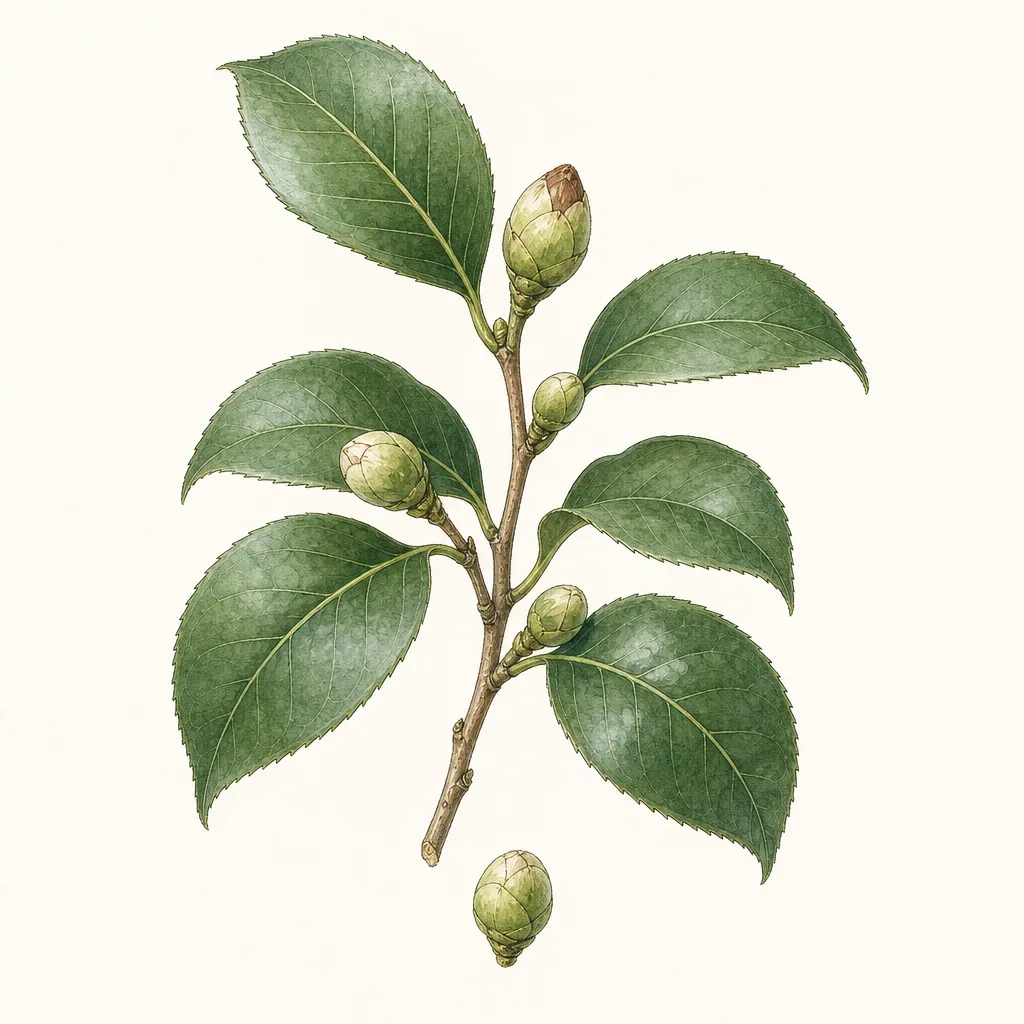
Not sure it's this? Scan your plant — free
What it is
Bud drop is the premature shedding of flower buds before their petals open. It is usually a growing-condition disorder rather than an infection: developing buds stop growing and fall, reducing the flower display. ([hgic.clemson.edu](https://hgic.clemson.edu/factsheet/camellia-diseases-insect-pests/?utm_source=openai))
Also called: Flower bud drop, Bud abortion
Plants affected: Camellia japonica, Camellia sasanqua, Garden camellia hybrids
Symptoms
- Unopened flower buds fall beneath the shrub. ([hgic.clemson.edu](https://hgic.clemson.edu/factsheet/camellia-diseases-insect-pests/?utm_source=openai))
- Bud tips turn brown, or buds develop slowly and fail to open. ([hgic.clemson.edu](https://hgic.clemson.edu/factsheet/camellia-diseases-insect-pests/?utm_source=openai))
Causes
- Dry soil, especially while spring-flowering camellias develop buds in late summer or approach flowering in early spring. ([rhs.org.uk](https://www.rhs.org.uk/plants/camellia/frequently-asked-questions?utm_source=openai))
- Overly wet soil, poor drainage, freezing weather or large temperature changes. ([hgic.clemson.edu](https://hgic.clemson.edu/factsheet/camellia-diseases-insect-pests/?utm_source=openai))
- Excessive or late feeding. ([rhs.org.uk](https://www.rhs.org.uk/plants/camellia/frequently-asked-questions?utm_source=openai))
- Natural shedding: some camellias produce more buds than they can open. ([hgic.clemson.edu](https://hgic.clemson.edu/factsheet/camellia/?utm_source=openai))
- Less commonly, nutrient deficiencies or camellia bud mites. ([hgic.clemson.edu](https://hgic.clemson.edu/factsheet/camellia-diseases-insect-pests/?utm_source=openai))
How to tell it apart
Check soil moisture below the surface and think back to dry spells and recent freezes. Scattered losses with plenty of buds still opening can be natural shedding; rapidly browning petals or whole-plant wilting suggest another problem. Bud appearance alone cannot confirm the cause. ([rhs.org.uk](https://www.rhs.org.uk/plants/camellia/growing-guide?utm_source=openai))
- Camellia petal blight
- Brown spots spread rapidly across petals, often with darkened veins; affected flowers may fall within 24–48 hours. This differs from tight buds dropping without a spreading petal rot. ([hgic.clemson.edu](https://hgic.clemson.edu/factsheet/camellia-diseases-insect-pests/?utm_source=openai))
- Root rot or waterlogging
- Look for yellowing, wilting and declining growth beyond the buds. Soft, brown roots are concerning; waterlogging and infectious root rot can look similar. ([rhs.org.uk](https://www.rhs.org.uk/plants/camellia/frequently-asked-questions?utm_source=openai))
- Flower buds removed by pruning
- Late-summer or fall pruning removes developing flower buds, leaving fewer blooms rather than a scattering of naturally fallen buds. ([ask.ifas.ufl.edu](https://ask.ifas.ufl.edu/publication/ep002?utm_source=openai))
Treatment
- Check moisture before adding water This week, use a trowel carefully to check soil about 4 inches deep. If dry there, water thoroughly; if moist, do not add water automatically. Repeat the moisture check before watering again rather than following a fixed schedule. ([rhs.org.uk](https://www.rhs.org.uk/plants/camellia/growing-guide?utm_source=openai))
- Address soggy conditions If soil is saturated, pause irrigation. For a container, check that water can escape through its drainage holes. Persistent waterlogging needs drainage correction, not more watering; yellowing or wilting warrants closer root assessment. ([rhs.org.uk](https://www.rhs.org.uk/plants/camellia/frequently-asked-questions?utm_source=openai))
- Conserve moisture with mulch Check the existing mulch depth and top up only enough to make a 2–3-inch layer. Keep it away from the stem and do not bury the root ball beneath a thick layer. ([hgic.clemson.edu](https://hgic.clemson.edu/factsheet/camellia/?utm_source=openai))
- Protect vulnerable buds during freezing weather If freezing weather is forecast this week, protect a sensitive camellia with horticultural fleece for the cold spell. Move a potted plant to a sheltered position or cool greenhouse if available. Protection can reduce further injury, not reverse existing damage. ([rhs.org.uk](https://www.rhs.org.uk/plants/camellia/frequently-asked-questions?utm_source=openai))
- Skip a fall fertilizer rescue Do not feed now simply to stop bud drop. Late feeding can worsen the problem. If leaves also suggest a deficiency, arrange a soil test this week before choosing fertilizer or soil amendments. ([rhs.org.uk](https://www.rhs.org.uk/plants/camellia/frequently-asked-questions?utm_source=openai))
Prevention
- Keep soil evenly moist through summer, especially while next season's flower buds form. ([rhs.org.uk](https://www.rhs.org.uk/plants/camellia/growing-guide?utm_source=openai))
- Choose well-drained acidic soil and a sheltered site; Japanese camellias generally prefer partial shade. ([ask.ifas.ufl.edu](https://ask.ifas.ufl.edu/publication/ep002?utm_source=openai))
- Prune after flowering rather than in late summer or fall. ([ask.ifas.ufl.edu](https://ask.ifas.ufl.edu/publication/ep002?utm_source=openai))
- Choose varieties suited to local conditions: warm fall weather can disrupt early varieties, while some late varieties drop tight buds as new shoot growth begins. ([ask.ifas.ufl.edu](https://ask.ifas.ufl.edu/publication/ep002?utm_source=openai))
When to worry
A few lost buds need not mean the shrub is dying. Seek help from your local extension service if bud loss comes with widespread yellowing, wilting, dying branches or soft brown roots; these point beyond a flower-display problem. ([hgic.clemson.edu](https://hgic.clemson.edu/factsheet/camellia/?utm_source=openai))
Safety
ASPCA lists Camellia japonica as non-toxic to dogs, cats and horses. Follow package handling and storage instructions for purchased mulch and horticultural fleece, and store unused materials away from children and pets. If anyone becomes ill after swallowing plant material or a garden product, contact a doctor, veterinarian or poison line as appropriate. ([aspca.org](https://www.aspca.org/pet-care/aspca-poison-control/toxic-and-non-toxic-plants/camellia?utm_source=openai))
Sharing your home with pets or small children? See which plants our sources call safe for cats, dogs and kids.
FAQ
Is some camellia bud drop normal?
Yes. Some camellias set more buds than they can open, so limited shedding can be natural. ([hgic.clemson.edu](https://hgic.clemson.edu/factsheet/camellia/?utm_source=openai))
Can summer drought cause buds to fall months later?
Yes. Summer water shortage can lead to bud and flower drop the following winter or spring. ([rhs.org.uk](https://www.rhs.org.uk/plants/camellia/growing-guide?utm_source=openai))
Should I fertilize to save the remaining buds?
Not automatically. Excessive or late feeding can cause bud drop; investigate moisture first and test soil if a deficiency is suspected. ([rhs.org.uk](https://www.rhs.org.uk/plants/camellia/frequently-asked-questions?utm_source=openai))
Why are my camellia's buds still closed in October?
They may simply be early. Bloom time depends on variety and climate: sasanqua types generally bloom earlier than Japanese camellias. Firm buds remaining attached are different from buds falling prematurely. ([ask.ifas.ufl.edu](https://ask.ifas.ufl.edu/publication/ep002?utm_source=openai))
Sources
- Camellia problems: frequently asked questions — RHS
- How to grow camellias — RHS
- Camellia Diseases and Insect Pests in South Carolina — Clemson Extension
- Camellia — Clemson Extension
- Toxic and Non-toxic Plants: Camellia — ASPCA
- Camellia Problems: FAQs | RHS Advice
- Camellia Diseases and Insect Pests in South Carolina | Home & Garden Information Center
- Camellia | Home & Garden Information Center