
Cabbage roots swollen and plants wilting
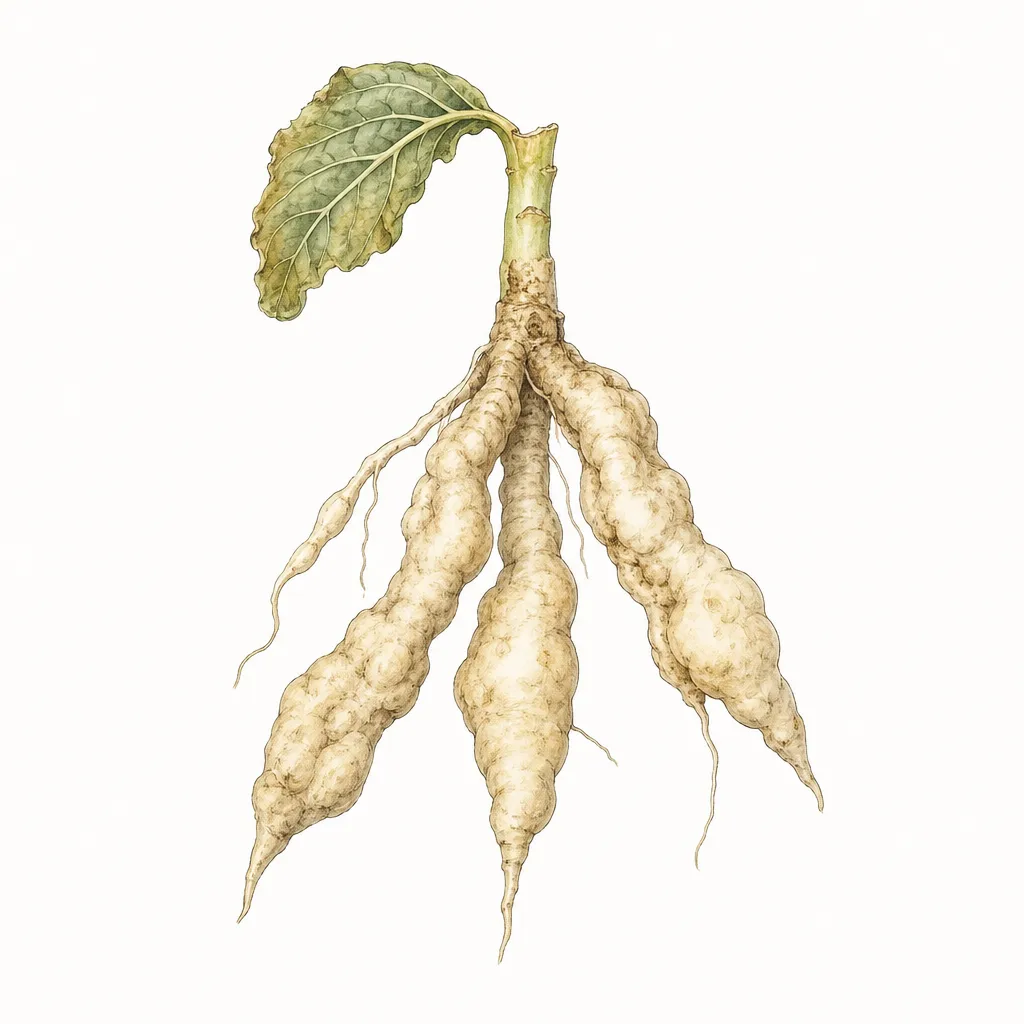
Swollen cabbage roots with wilting most likely mean clubroot, a soilborne disease that damages roots and limits water uptake. ([extension.umn.edu](https://extension.umn.edu/plant-diseases/clubroot))
Not sure it's this? Scan your plant — free
What it is
Clubroot is a root disease caused by Plasmodiophora brassicae, a microscopic, soil-dwelling organism called a protist. It makes infected roots swell into distorted clubs that cannot take up water and nutrients normally. ([extension.umn.edu](https://extension.umn.edu/plant-diseases/clubroot))
Also called: Club root, Clubroot of brassicas
Plants affected: Cabbage, Broccoli, Cauliflower, Brussels sprouts, Kale, Turnips, Radishes, Other cabbage-family crops and weeds. ([rhs.org.uk](https://www.rhs.org.uk/disease/club-root))
Symptoms
- Thick, irregular or spindle-shaped swellings replace much of the normal root system. ([ipm.ucanr.edu](https://ipm.ucanr.edu/home-and-landscape/clubroot/))
- Plants wilt in hot weather and may temporarily recover when conditions cool. ([rhs.org.uk](https://www.rhs.org.uk/disease/club-root))
- Growth slows; leaves may turn yellow, and heads may fail to develop properly. ([extension.umn.edu](https://extension.umn.edu/plant-diseases/clubroot))
- Fine roots disappear; badly affected plants may die. ([rhs.org.uk](https://www.rhs.org.uk/disease/club-root))
Causes
- The organism arrives in infected transplants or contaminated soil moved between growing areas. ([ipm.ucanr.edu](https://ipm.ucanr.edu/home-and-landscape/clubroot/))
- Moist, acidic soil favors infection, although clubroot can occur above pH 7.0. ([ipm.ucanr.edu](https://ipm.ucanr.edu/home-and-landscape/clubroot/))
- Long-lived resting spores remain after infected roots decay, allowing disease to return in later crops. ([rhs.org.uk](https://www.rhs.org.uk/disease/club-root))
How to tell it apart
Carefully dig up one wilting plant and examine its roots. Large, distorted clubs or elongated swellings strongly suggest clubroot; wilting alone is not enough to identify it. If the swellings are small or unclear, ask your local Extension plant diagnostic clinic to confirm the cause. ([ipm.ucanr.edu](https://ipm.ucanr.edu/home-and-landscape/clubroot/))
- Root-knot nematodes
- These also cause wilting and swollen roots, but typically form distinct knots rather than the heavily clubbed or spindle-shaped roots associated with clubroot. Unclear cases need laboratory confirmation. ([ipm.ucanr.edu](https://ipm.ucanr.edu/home-and-landscape/clubroot/))
- Heat or drought stress
- Temporary wilting can look similar above ground. The important clue is below ground: extensive root clubbing points toward clubroot rather than ordinary weather-related wilting. ([rhs.org.uk](https://www.rhs.org.uk/disease/club-root))
Treatment
- Stop moving soil out of the affected bed Starting today, remove all clinging soil from tools and footwear before using them elsewhere. Keep contaminated soil in the affected area rather than carrying it into another bed. ([extension.umn.edu](https://extension.umn.edu/plant-diseases/clubroot))
- Arrange removal and disposal of badly affected plants Contact local Extension this week before disposing of infected roots. Guidance differs: Maryland recommends discarding plant debris, while Minnesota recommends burial or composting on site to avoid spreading contaminated material. Ask which approach suits your garden. ([extension.umd.edu](https://www.extension.umd.edu/resource/club-root-vegetables))
- Test the soil before adding lime Submit a soil sample this week and tell the laboratory you suspect clubroot. Ask whether raising pH toward 7.2 is appropriate and request a measured lime rate for your soil. Do not guess a dose: excess lime can reduce nutrient availability, and raising pH suppresses rather than eliminates clubroot. ([ipm.ucanr.edu](https://ipm.ucanr.edu/home-and-landscape/clubroot/))
- Address drainage Check the bed after the next rain or watering for standing water. Plan drainage improvements or a raised growing area before planting another susceptible crop; good drainage is an important part of control. ([rhs.org.uk](https://www.rhs.org.uk/disease/club-root))
- Change the planting plan and remove weeds Mark the affected bed now and plan to keep cabbage-family crops out for 5–7 years. Remove weeds this week and throughout the rotation. This reduces the pathogen population but does not eliminate it. ([extension.umn.edu](https://extension.umn.edu/plant-diseases/clubroot))
Prevention
- Inspect purchased transplants for swollen roots before planting, and use a reliable source of healthy plants. ([extension.umn.edu](https://extension.umn.edu/plant-diseases/clubroot))
- Choose clubroot-resistant varieties when available, but do not treat resistance as complete protection. ([extension.umn.edu](https://extension.umn.edu/plant-diseases/clubroot))
- Keep soil on tools, boots and wheelbarrows from moving between affected and unaffected growing areas. ([rhs.org.uk](https://www.rhs.org.uk/disease/club-root))
When to worry
Seek diagnostic help promptly if several plants wilt and have swollen roots, or before replanting the bed. Severe infections can kill plants, and resting spores can remain in soil for up to 20 years. The priority is protecting unaffected growing areas. ([extension.umn.edu](https://extension.umn.edu/plant-diseases/clubroot))
Safety
If a soil test recommends garden lime, follow the product label for handling, protective equipment and application. Avoid breathing dust or getting it in your eyes or on your skin. Store it closed in its original labeled container, away from children and pets, and keep them out of the treated area until the lime is incorporated and label requirements are met. Lime dust can irritate lungs, eyes and skin. ([extension.umaine.edu](https://extension.umaine.edu/gardening/2022/03/23/is-lime-safe-on-lawns/?utm_source=openai))
Sharing your home with pets or small children? See which plants our sources call safe for cats, dogs and kids.
FAQ
Will extra watering fix it?
No. Infected roots cannot absorb water normally, and high soil moisture favors infection. More water does not remove the disease. ([extension.umn.edu](https://extension.umn.edu/plant-diseases/clubroot))
Does lime cure clubroot?
No. Raising soil pH can reduce disease but does not eliminate it. Use a soil-test recommendation rather than a standard handful per plant. ([rhs.org.uk](https://www.rhs.org.uk/disease/club-root))
Can I plant broccoli there next?
Not as a rotation crop: broccoli is also susceptible. Keep cabbage-family crops out of the affected area for 5–7 years. ([extension.umn.edu](https://extension.umn.edu/plant-diseases/clubroot))
Is clubroot actually a fungus?
It is often called fungal in older guidance, but the organism is a protist, not a true fungus. ([extension.umd.edu](https://www.extension.umd.edu/resource/club-root-vegetables))
Sources
- Clubroot — University of Minnesota Extension
- Club root — Royal Horticultural Society
- Clubroot — University of California Statewide IPM
- Club Root of Vegetables — University of Maryland Extension
- Should I apply lime to my garden? — Iowa State University Extension and Outreach
- Is lime safe to use on your lawn? — University of Maine Cooperative Extension
- Is lime safe to use on your lawn? - Cooperative Extension: Garden and Yard - University of Maine Cooperative Extension