
Bird of paradise leaves curling inward: causes and fixes
Bird of paradise leaves curling inward most likely signal water stress from dry soil or roots damaged by staying too wet, so check the soil before adding water. ([libguides.nybg.org](https://libguides.nybg.org/birdofparadise))
Not sure it's this? Scan your plant — free
What it is
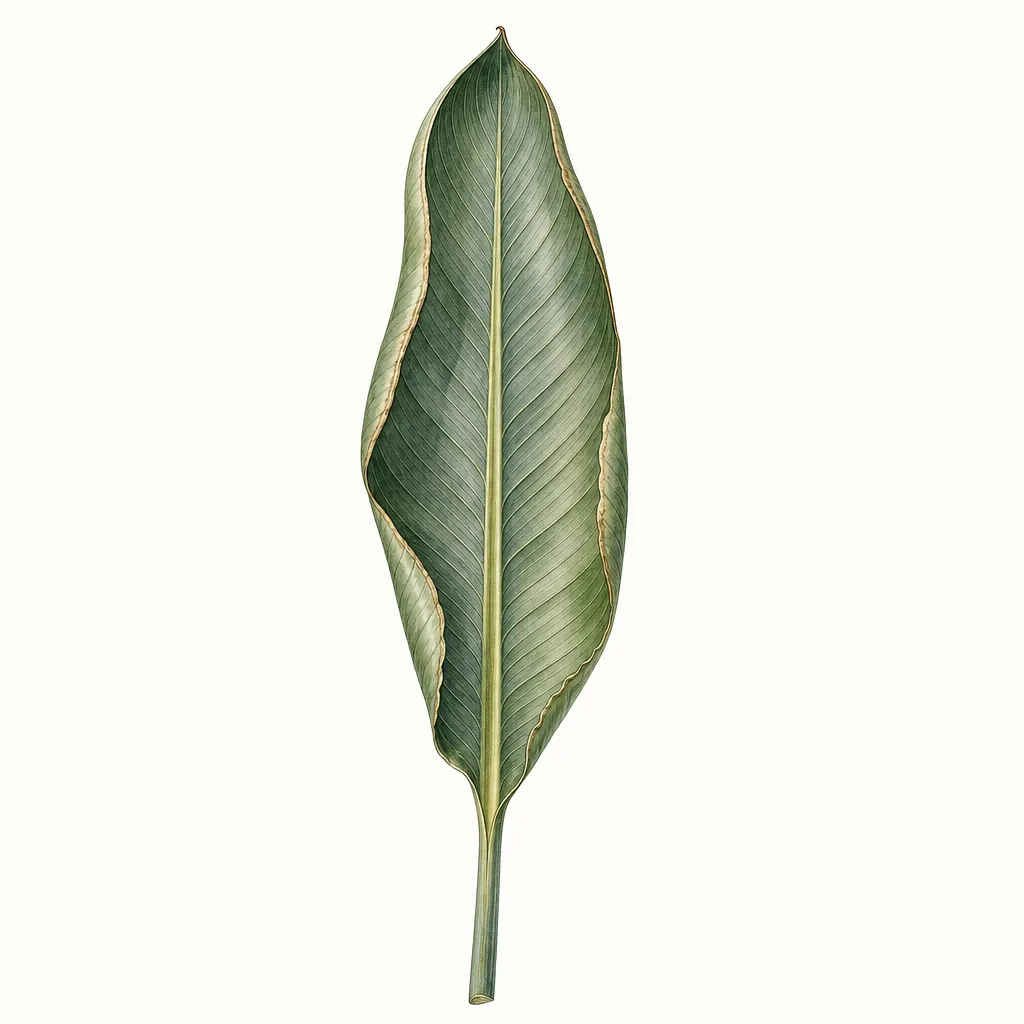
Leaf curl is a change in leaf shape, not a disease diagnosis. Water-stressed leaves may roll inward when their water supply cannot keep up with their needs; dry soil and water-damaged roots can both leave foliage short of water. ([libguides.nybg.org](https://libguides.nybg.org/birdofparadise))
Also called: Inward-curling bird of paradise leaves
Plants affected: Bird of paradise (Strelitzia reginae), White bird of paradise (Strelitzia nicolai)
Symptoms
- Leaf edges curl inward rather than lying flat. ([ask.extension.org](https://ask.extension.org/kb/faq.php?id=869146))
- Curling leaves may also lose color. ([libguides.nybg.org](https://libguides.nybg.org/birdofparadise))
- Brown tips or edges may accompany unsuitable watering or humidity conditions. ([rhs.org.uk](https://www.rhs.org.uk/plants/strelitzia/how-to-grow-strelitzia))
Causes
- Potting mix drying too much between waterings. ([libguides.nybg.org](https://libguides.nybg.org/birdofparadise))
- Overwatering or poor drainage damaging roots so they cannot supply the leaves. ([libguides.nybg.org](https://libguides.nybg.org/birdofparadise))
- Hot, intense sun increasing water stress; dry indoor air can also contribute to leaf-edge damage. ([ask.extension.org](https://ask.extension.org/kb/faq.php?id=869146))
- Pest feeding injuring leaf tissue; check for evidence rather than assuming pests caused the curl. ([ask.extension.org](https://ask.extension.org/kb/faq.php?id=933837))
How to tell it apart
Feel the mix 1–2 inches below the surface. Dry mix supports underwatering; wet mix with fading or wilting leaves calls for a drainage and root check instead. Healthy roots are firm and light-colored, while rotting roots are dark and soft. Curling alone cannot distinguish these causes. ([libguides.nybg.org](https://libguides.nybg.org/birdofparadise))
- Root rot
- This can cause the same water-shortage symptoms despite wet soil. Look for dark, soft roots rather than firm, light-colored ones. ([extension.umd.edu](https://extension.umd.edu/resource/diagnose-indoor-plant-problems?utm_source=openai))
- Spider mites or scale insects
- Look underneath leaves for tiny mites or webbing, and along leaves and stalks for raised brown bumps. These signs point toward pests rather than watering alone. ([extension.umd.edu](https://extension.umd.edu/resource/diagnose-indoor-plant-problems?utm_source=openai))
- Wind damage
- Long tears and shredded leaf blades, especially after time outdoors, suggest physical damage rather than inward rolling from water stress. ([rhs.org.uk](https://www.rhs.org.uk/plants/strelitzia/how-to-grow-strelitzia))
Treatment
- 1. Check moisture before watering Today, feel the top 1–2 inches of mix. Sources differ slightly: New York Botanical Garden recommends watering when the top inch dries, while Maryland Extension advises a couple of inches. Use that range as a check, not a fixed weekly schedule, and do not add water to already-wet mix. ([libguides.nybg.org](https://libguides.nybg.org/birdofparadise))
- 2. Water dry soil thoroughly and let it drain If the mix is dry, use lukewarm water to moisten the whole root ball, allowing excess to drain through the pot's holes. Empty the saucer after 15 minutes. Before watering again, repeat the moisture check; reduce watering as growth slows in fall and winter. ([libguides.nybg.org](https://libguides.nybg.org/birdofparadise))
- 3. Investigate wet soil instead of watering again Empty standing water today and check that the pot drains. If leaves are also fading or wilting, gently slide out the root ball. If roots are dark and soft, remove rotten portions and replant the healthy remainder in fresh, well-draining houseplant potting mix in a clean pot with drainage holes. ([extension.umd.edu](https://extension.umd.edu/resource/diagnose-indoor-plant-problems?utm_source=openai))
- 4. Reduce heat and dry-air stress This week, move the plant away from heating vents and drafts while keeping it near a bright window. If harsh afternoon sun hits the leaves, use a sheer curtain during those hours. If a hygrometer shows humidity below 50%, use a humidifier to raise it above that level. ([libguides.nybg.org](https://libguides.nybg.org/birdofparadise))
- 5. Inspect for pests before choosing a treatment This week, examine leaf undersides, stalks and new growth closely for mites, webbing, mealybugs or scale. If you find pests, identify them through your local extension service before selecting a control; curling by itself is not proof of an infestation. ([ask.extension.org](https://ask.extension.org/kb/faq.php?id=933837))
Prevention
- Base watering on soil moisture, not the calendar, and never leave the pot standing in runoff. ([ask.extension.org](https://ask.extension.org/kb/faq.php?id=933837))
- Keep the plant in bright light, away from cold drafts, with adequate humidity and airflow. ([ask.extension.org](https://ask.extension.org/kb/faq.php?id=933837))
- Check regularly for scale insects, spider mites and mealybugs. ([rhs.org.uk](https://www.rhs.org.uk/plants/strelitzia/how-to-grow-strelitzia))
When to worry
Seek help from your local extension service if wilting or yellowing spreads while the soil remains wet, or you find dark, soft roots. These signs suggest root damage rather than simple thirst; severely damaged plants may not recover. ([extension.umd.edu](https://extension.umd.edu/resource/diagnose-indoor-plant-problems?utm_source=openai))
Safety
Keep bird of paradise away from children and pets: swallowing it can cause stomach upset, and large pieces can be a choking hazard. For human exposure, contact a doctor or U.S. Poison Control at 1-800-222-1222; for pet ingestion, contact a veterinarian or animal poison line. ([poison.org](https://www.poison.org/articles/bird-of-paradise-plant-201)) Handle and store potting mix according to its label, keep it away from children and pets, and wash your hands after use. Keep humidifier water away from electrical outlets and follow the appliance's cleaning and handling instructions.
Sharing your home with pets or small children? See which plants our sources call safe for cats, dogs and kids.
FAQ
Does curling always mean it needs water?
No. Roots damaged by overly wet soil can also leave the leaves short of water. Check the mix first. ([libguides.nybg.org](https://libguides.nybg.org/birdofparadise))
How often should I water it?
Check the top 1–2 inches of mix rather than watering on a fixed schedule. Water needs usually fall as growth slows in autumn and winter. ([ask.extension.org](https://ask.extension.org/kb/faq.php?id=933837))
Should I move it into shade?
Not deep shade: it needs bright light. Protect it from harsh afternoon sun if heat stress or scorching is a concern. ([libguides.nybg.org](https://libguides.nybg.org/birdofparadise))
Should I cut off curled leaves?
Curling alone does not call for pruning. RHS recommends removing browning or tatty leaves at the base; correcting the growing conditions remains the priority. ([rhs.org.uk](https://www.rhs.org.uk/plants/strelitzia/how-to-grow-strelitzia))
Sources
- Bird of Paradise Houseplant (Strelitzia reginae) — New York Botanical Garden
- How to grow strelitzia — Royal Horticultural Society
- Bird of paradise leaves browning and splitting — University of Maryland Extension
- Bird of Paradise tropical plant — Michigan State University Extension
- Diagnose Indoor Plant Problems — University of Maryland Extension
- Bird of paradise: Is it toxic? — Poison Control
- Diagnose Indoor Plant Problems | University of Maryland Extension