
Aloe vera leaves bending in half: causes and fixes
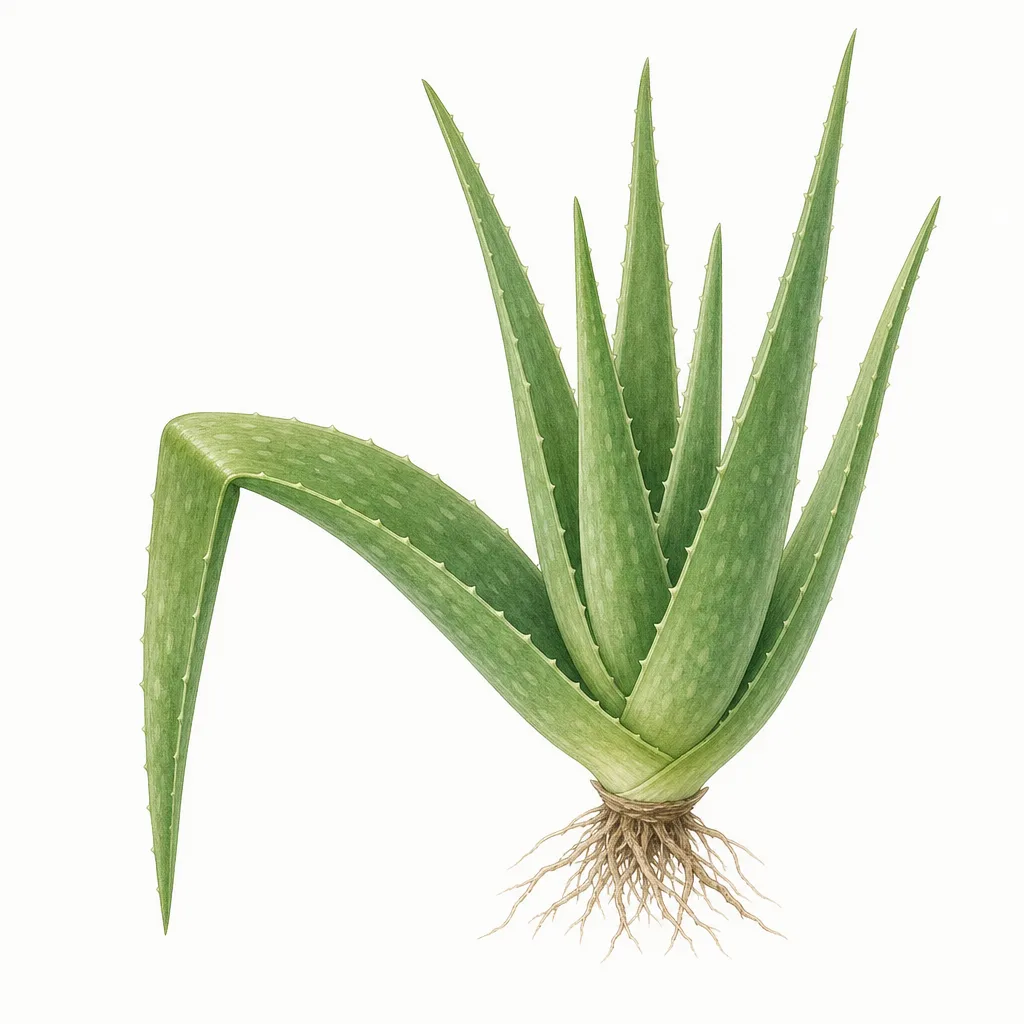
A leaf bent sharply halfway along its length may have been physically damaged; several weak or collapsing leaves warrant checks of moisture, roots and light. Bending alone does not establish overwatering.
Not sure it's this? Scan your plant — free
What it is
A bent aloe leaf has lost its normal shape either at a localized crease or through more widespread loss of support. Mechanical injury can damage the leaf at one point, while insufficient light or damaged roots can weaken growth more broadly; these are different problems, not a single disease. ([University of Maryland Extension](https://www.extension.umd.edu/resource/diagnose-indoor-plant-problems); [NYBG](https://libguides.nybg.org/aloe))
Also called: Creased aloe leaf, Folded aloe leaf, Aloe leaf flop
Plants affected: Aloe vera
Symptoms
- One leaf has a sharp, localized crease while the rest of the plant remains firm; consider recent handling or pressure before blaming watering. ([University of Maryland Extension](https://www.extension.umd.edu/resource/diagnose-indoor-plant-problems))
- Several leaves are unusually long, flattened and weak rather than sharply creased at one point; insufficient light is a possibility. ([NYBG](https://libguides.nybg.org/aloe))
- Leaves wilt or collapse in persistently wet mix; dark, soft roots strengthen concern about rot. ([University of Maryland Extension](https://www.extension.umd.edu/resource/diagnose-indoor-plant-problems))
- Shriveled or puckered leaves with dry mix suggest a shortage of water rather than a simple mechanical fold. ([SDSU Extension](https://extension.sdstate.edu/aloe-vera-houseplant-how))
Causes
- Handling or pressure may physically damage an individual leaf, especially when a sharp crease appears afterward and surrounding growth stays firm. Mechanical injury is distinct from a whole-plant care problem. ([University of Maryland Extension](https://www.extension.umd.edu/resource/diagnose-indoor-plant-problems))
- Insufficient light produces elongated, weak aloe growth. ([NYBG](https://libguides.nybg.org/aloe))
- Frequent watering or poor drainage can keep roots too wet, leading to root damage and wilting. A bend by itself does not prove this cause. ([NYBG](https://libguides.nybg.org/aloe))
How to tell it apart
First distinguish a sharp crease from general drooping. A single firm leaf with a localized fold after handling or pressure suggests physical damage; several elongated, weak leaves suggest insufficient light. Soft, collapsing leaves in persistently wet mix warrant prompt inspection of roots and leaf bases for rot. Dark, soft roots are more useful evidence than bending alone. Dry mix with puckered leaves points toward thirst instead. ([University of Maryland Extension](https://www.extension.umd.edu/resource/diagnose-indoor-plant-problems); [NYBG](https://libguides.nybg.org/aloe); [SDSU Extension](https://extension.sdstate.edu/aloe-vera-houseplant-how))
- Physical leaf injury
- A sharp fold confined to one otherwise firm leaf, particularly after handling or pressure, suggests local injury rather than whole-plant weakness. Check the other leaves and soil before changing care. ([University of Maryland Extension](https://www.extension.umd.edu/resource/diagnose-indoor-plant-problems))
- Insufficient light
- Look for elongated, flattened, weak growth across the plant, not just a single crease. ([NYBG](https://libguides.nybg.org/aloe))
- Root rot
- General wilting or collapse in wet mix, together with dark, soft roots, raises concern for rot; a firm leaf folded at one point does not establish it. ([University of Maryland Extension](https://www.extension.umd.edu/resource/diagnose-indoor-plant-problems))
- Underwatering
- Dry mix and shriveled or puckered leaves suggest dehydration, rather than a localized mechanical crease. ([SDSU Extension](https://extension.sdstate.edu/aloe-vera-houseplant-how))
- Normal mature leaf spread
- Older outer aloe leaves naturally spread outward. A gradual outward curve without a sharp fold or soft collapse is not, by itself, evidence of a watering problem. ([NYBG](https://libguides.nybg.org/aloe))
Treatment
- 1. Check the fold and soil before changing care Today, gently check whether the leaf is firm around a distinct crease or soft and collapsing. Check below the soil surface and empty any standing water. Leave a firm, otherwise healthy creased leaf attached and avoid forcibly straightening it: a physically damaged fold generally will not regain its original structure. Correct care protects future growth rather than repairing that crease. Soft or rotting tissue needs attention instead of being treated as a harmless bend. ([University of Maryland Extension](https://www.extension.umd.edu/resource/diagnose-indoor-plant-problems))
- 2. Inspect promptly if leaves are collapsing in wet soil Do not wait until later in the week, especially if leaf bases are soft. Gently slide the plant from its pot and examine its roots and crown, where the leaves join the stem. Remove dark, soft, rotten roots with clean scissors. Repot in fresh, fast-draining cactus potting mix in a clean pot with drainage holes only if the crown is firm and sound and viable tissue remains. Extensive crown or basal rot may make the plant unsalvageable; do not simply repot soft, rotting sections. ([University of Maryland Extension](https://www.extension.umd.edu/resource/diagnose-indoor-plant-problems); [SDSU Extension](https://extension.sdstate.edu/aloe-vera-houseplant-how))
- 3. Improve light gradually if growth is stretched This week, move a dimly placed aloe toward brighter window light, increasing exposure gradually rather than putting it straight into strong sun. Recommendations differ: SDSU recommends bright indirect light, while NYBG recommends substantial direct sun. Watch new growth for improvement; do not expect an existing damaged fold to straighten. ([SDSU Extension](https://extension.sdstate.edu/aloe-vera-houseplant-how); [NYBG](https://libguides.nybg.org/aloe); [University of Maryland Extension](https://www.extension.umd.edu/resource/diagnose-indoor-plant-problems))
- 4. Water thoroughly when the mix has dried appropriately For an established, healthy aloe, water thoroughly once the mix has dried appropriately, let excess water drain through the pot's holes, and empty the saucer. Do not wait for visible puckering: it is a diagnostic clue, not a requirement for routine watering. Sources differ slightly: SDSU recommends drying completely between waterings, while NYBG says nearly dry during active growth. Check the mix rather than following a weekly calendar, and reduce watering during winter. ([SDSU Extension](https://extension.sdstate.edu/aloe-vera-houseplant-how); [NYBG](https://libguides.nybg.org/aloe))
Prevention
- Handle the pot rather than pulling on leaves, and avoid pressure against the foliage when moving the plant. ([University of Maryland Extension](https://www.extension.umd.edu/resource/diagnose-indoor-plant-problems))
- Use fast-draining cactus potting mix and a container with open drainage holes. ([SDSU Extension](https://extension.sdstate.edu/aloe-vera-houseplant-how))
- Provide bright light, introducing stronger sun gradually. ([SDSU Extension](https://extension.sdstate.edu/aloe-vera-houseplant-how); [NYBG](https://libguides.nybg.org/aloe))
- Let the mix dry appropriately between thorough waterings, and keep water from collecting in the central rosette. ([NYBG](https://libguides.nybg.org/aloe))
When to worry
Inspect promptly if several leaves collapse while the mix stays wet, especially if their bases are soft. Dark, soft roots or extensive soft tissue at the crown suggest rot, which can be fatal. One firm, creased leaf with an otherwise healthy plant is less concerning. ([University of Maryland Extension](https://www.extension.umd.edu/resource/diagnose-indoor-plant-problems))
Safety
Keep aloe and discarded leaves away from children and pets. Eating aloe can harm people; contact a doctor or U.S. Poison Help at 1-800-222-1222 after ingestion. Aloe is toxic to cats and dogs: contact a veterinarian or ASPCA Poison Control at 888-426-4435 if a pet eats it. Handle potting mix according to its label, avoid breathing dust, and store it closed away from children and pets. Keep cutting tools out of their reach. ([MedlinePlus](https://medlineplus.gov/ency/article/002709.htm); [ASPCA](https://www.aspca.org/pet-care/aspca-poison-control/toxic-and-non-toxic-plants/aloe))
Sharing your home with pets or small children? See which plants our sources call safe for cats, dogs and kids.
FAQ
Will a bent aloe leaf straighten again?
A physically damaged crease generally will not regain its original structure. Better care can protect future growth, but watering or brighter light will not repair a damaged fold. ([University of Maryland Extension](https://www.extension.umd.edu/resource/diagnose-indoor-plant-problems))
Should I cut off a folded aloe leaf?
Leave a firm, otherwise healthy leaf attached and do not force it straight. A soft, rotting leaf or base is different: inspect promptly for wider damage rather than assuming it is only a crease. ([University of Maryland Extension](https://www.extension.umd.edu/resource/diagnose-indoor-plant-problems))
Does bending always mean overwatering?
No. One sharp crease may be physical damage; elongated weak growth suggests insufficient light. Wet mix plus soft collapse warrants checking for rot. ([University of Maryland Extension](https://www.extension.umd.edu/resource/diagnose-indoor-plant-problems); [NYBG](https://libguides.nybg.org/aloe))
Should I wait for puckering before watering?
No. For an established, healthy aloe, use the dryness of the mix to guide watering. Water thoroughly, let excess drain, and empty the saucer; puckering is a clue to dehydration, not a prerequisite. ([SDSU Extension](https://extension.sdstate.edu/aloe-vera-houseplant-how); [NYBG](https://libguides.nybg.org/aloe))