
Poaceae
Common wheat
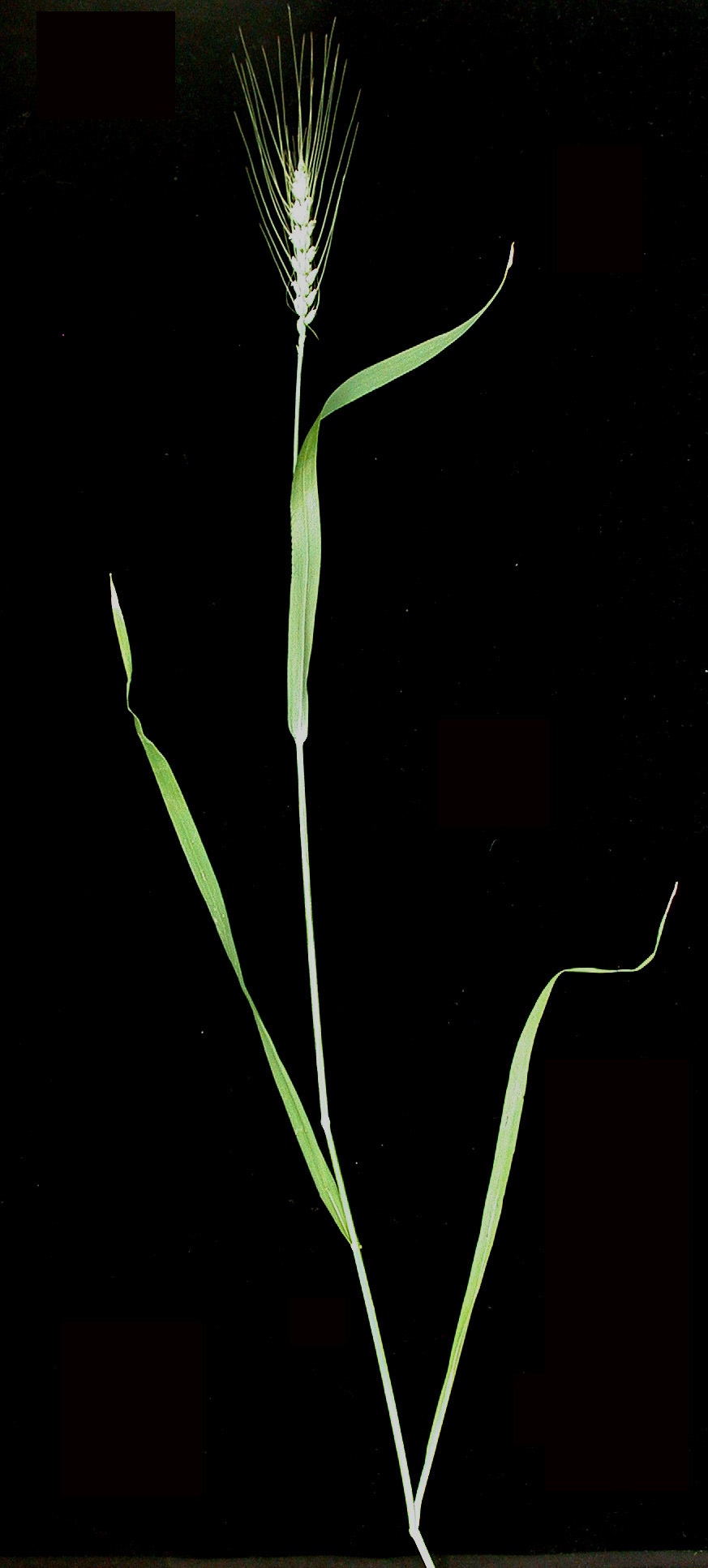
Triticum aestivum
- Family
- Poaceae
- Genus
- Triticum
Pets and kids
- CatsSafe
- DogsNot sure
- KidsNot sure
Why
Cats: Safe
Sources below say it is non-toxic to cats. Any plant can upset a stomach if a lot is eaten.
- Where the Green Grass Grows: Grass Treats for Cats | VCA Animal Hospitals Veterinary reference
Dogs: Not sure
We found no reliable source on this plant for dogs, so we don't call it safe. Keep it out of reach until you have checked with your vet.
Kids: Not sure
We found no reliable source on this plant for young children, so we don't call it safe. Keep it out of reach until you have checked with a doctor or poison control.
Is yours looking unwell? Scan your plant — free
Is Common wheat safe for cats, dogs and kids?
Is Common wheat safe for cats?
Our sources call Common wheat non-toxic to cats. Any plant can upset a stomach if a lot is eaten.
- Where the Green Grass Grows: Grass Treats for Cats | VCA Animal Hospitals Veterinary reference
Is Common wheat safe for dogs?
We found no reliable source on this plant for dogs, so we don't call it safe. Keep it out of reach until you have checked with your vet.
Is Common wheat safe for kids?
We found no reliable source on this plant for young children, so we don't call it safe. Keep it out of reach until you have checked with a doctor or poison control.
Ate some? Call your vet or the ASPCA Animal Poison Control Center at (888) 426-4435 (a fee may apply). For a child, call Poison Help at 1-800-222-1222 (US). If they are struggling to breathe or collapse, call 911. Don't give anything by mouth unless a vet or poison expert tells you to.
See all cat-safe plants, dog-safe plants and child-safe plants.
Common names
By language (67)
- Albanian
- Gruri
- Arabic
- قمح طري, حنطة, قمح, قمح الخبز
- arz
- قمح طرى
- Asturian
- Trigu
- azb
- یومشاق بوغدا
- Azerbaijani
- Yumşaq buğda
- Bangla
- সাধারণ গম, গোধূম
- Basque
- Gari arrunt
- Bulgarian
- Зимна пшеница, Мека (обикновена) зимна пшеница, Обикновена пшеница
- Cantonese
- 普通小麥
- Catalan
- Blat xeixa
- Chinese
- 小麥, 普通小麦, 云南小麦, 小麦, 浮小麦, 淀粉, 瓦维洛夫小麦, 西藏小麦
- Croatian
- Jara pšenica
- cv
- Çемçе тулă
- Czech
- Pšenice setá
- Danish
- Brød-Hvede, Brødhvede
- Dutch
- Gewone tarwe, Tarwe, Wintertarwe
- English
- Common wheat
- Estonian
- Harilik nisu, Pehme nisu
- Finnish
- Vehnä, Leipävehnä, Nisu
- French
- Blé tendre, Ble tendre, Blé ordinaire, Froment, Touzelle, Blé Rousselin
- Georgian
- Რბილი ხორბალი
- German
- Weichweizen, Brotweizen, Saat-Weizen
- grc
- Πυρός
- Greek
- Σίτος ο μαλακός
- Hausa
- Alkama
- Hebrew
- חיטה מצויה
- Hindi
- गेहूं
- hsb
- Prawa pšeńca
- Hungarian
- Közönséges búza
- Indonesian
- Gandum biasa
- Italian
- Frumento tenero, Grano tenero
- Japanese
- パンコムギ, コムギ, フツウコムギ, 普通コムギ
- Kazakh
- Жұмсақ бидай
- Kinyarwanda
- Ingano
- Korean
- 보통밀, 빵밀
- Kyrgyz
- Жумшак буудай
- lah
- عام کنک
- Latvian
- Mīkstie kvieši
- li
- Terf, Tarwe
- Lithuanian
- Paprastasis kvietys
- lmo
- Formét tèner
- Macedonian
- Обична печеница, Мека пченица
- Malayalam
- ട്രിറ്റിക്കം ഏസ്റ്റിവും
- mwl
- Trigo, Pan
- Norwegian Bokmål
- Hvete
- Norwegian Nynorsk
- Kveite, Vanleg kveite
- Occitan
- Blat tendre
- Odia
- ଗହମ
- pcd
- Fourmint
- Persian
- مکسیپک
- Polish
- Pszenica zwyczajna, T. aestivum
- Portuguese
- Trigo, Barbela, Serôdio, Tremês
- Punjabi
- ਕਣਕ
- Russian
- Пшеница мягкая
- scn
- Ciaca, Ciacuni, Cuticchia, Cuticchiu
- Slovenian
- Navadna pšenica
- Spanish
- Trigo, Blanquillo jeja-blanca de Segorbe, Blanquillo rodonell de Vich, Candial de monte, Canivano, Jeja comun, Raspon, Redondillos lampiños
- Swedish
- Vete, Brödvete, Rehydrerat veteprotein, Vanligt vete
- szl
- Wajzyn, Pszynicŏ
- Tamil
- பொதுவான கோதுமை
- Tatar
- Йомшак бодай
- Turkish
- Ekmeklik buğday
- Ukrainian
- Пшениця м'яка
- Welsh
- Gwenith
- Western Frisian
- Gewoane weet
- xmf
- Ლიბუ ქობალკაკალი
Synonyms
- Frumentum triticum E.H.L.Krause
- Triticum aestivum subsp. tibeticum J.Z.Shao
- Triticum aestivum subsp. vavilovii (Jakubz.) Á.Löve
- Triticum aestivum subsp. vulgare (Vill.) Thell.
- Triticum aestivum var. australianum Udachin & Schachm.
- Triticum aestivum var. vavilovianum Jakubz.
- Triticum album Gaertn. ex Steud.
- Triticum antiquorum (Heer) Udachin
- Triticum aristatum unranked aestivum (L.) Schübl.
- Triticum cereale var. aestivum (L.) Klett & Richt.
- Triticum inflatum subsp. mutico-inflatum Kudr.
- Triticum sativum Lam.
- Triticum sativum subsp. vulgare (Vill.) Thell.
- Triticum sativum var. aestivum (L.) Alph.Wood
- Triticum sativum var. vulgare (Vill.) Hack.
- Triticum sativum var. vulgare Desv.
- Triticum sativum var. vulgare Vilm.
- Triticum vavilovii var. munuru Gandilyan
- Triticum vulgare Vill.
- Triticum vulgare subsp. irano-asiaticum Flaksb.
- Triticum vulgare var. aestivum (L.) Spenn.
- Triticum vulgare var. antiquorum Heer
- Triticum vulgare var. aristatum Döll
- Triticum vulgare var. hybernum (L.) Kunth
- Zeia vulgaris Lunell
- Zeia vulgaris var. aestiva Lunell
Flowers
- In flower
- April to July (from 171 flowering iNaturalist observations worldwide)
- Flower colour
- yellow (USDA PLANTS Database)
Characteristics
- Growth habit
- Graminoid
- Lifespan
- Annual
- In the US and Canada
- Alaska: introduced, Canada: introduced, Greenland: introduced, Hawaii: introduced, Lower 48 states: introduced, Puerto Rico: introduced
Photos
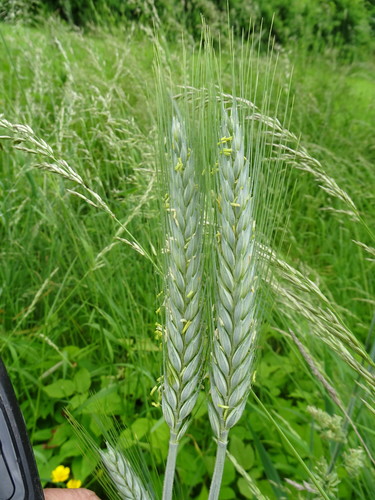
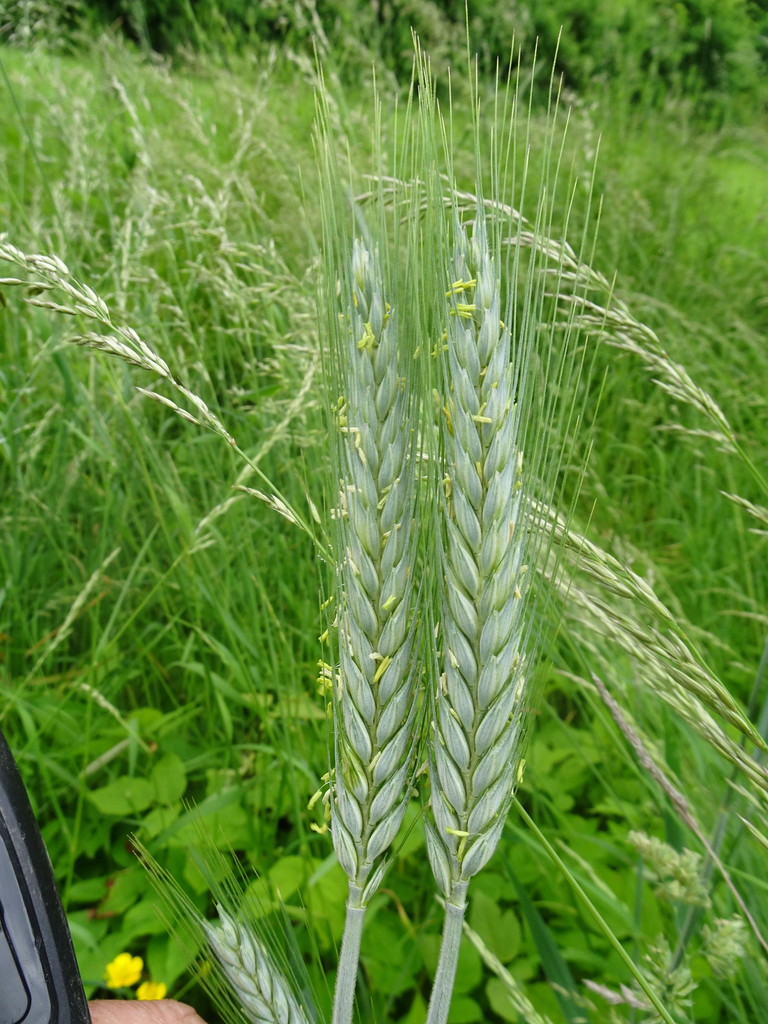
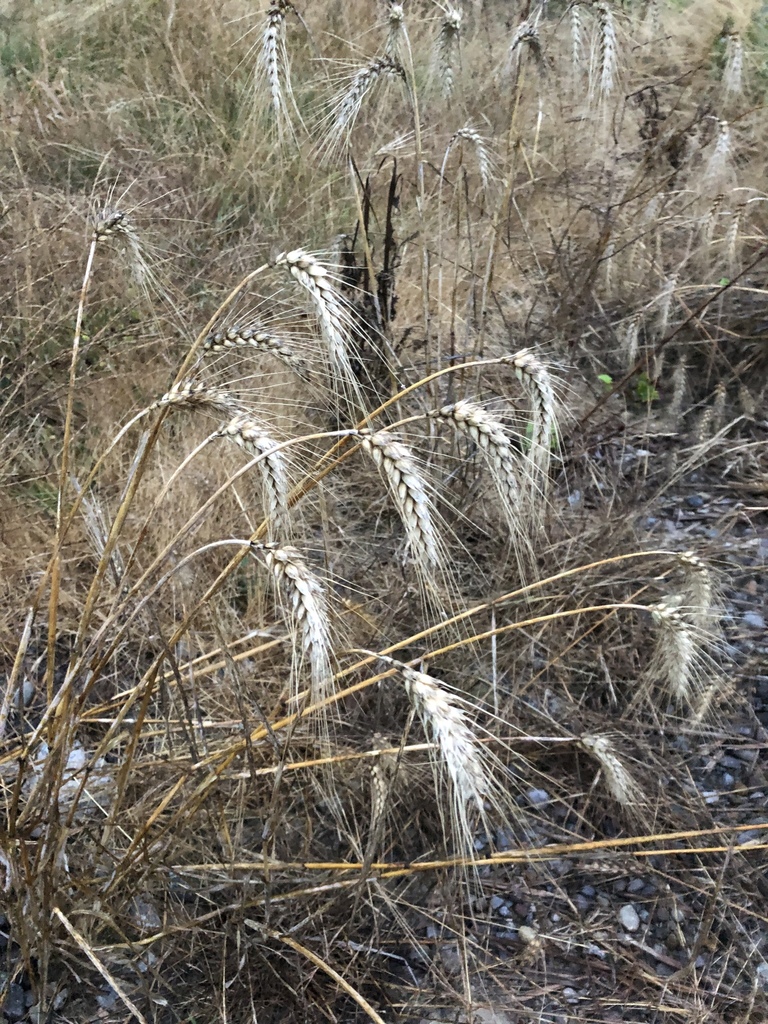
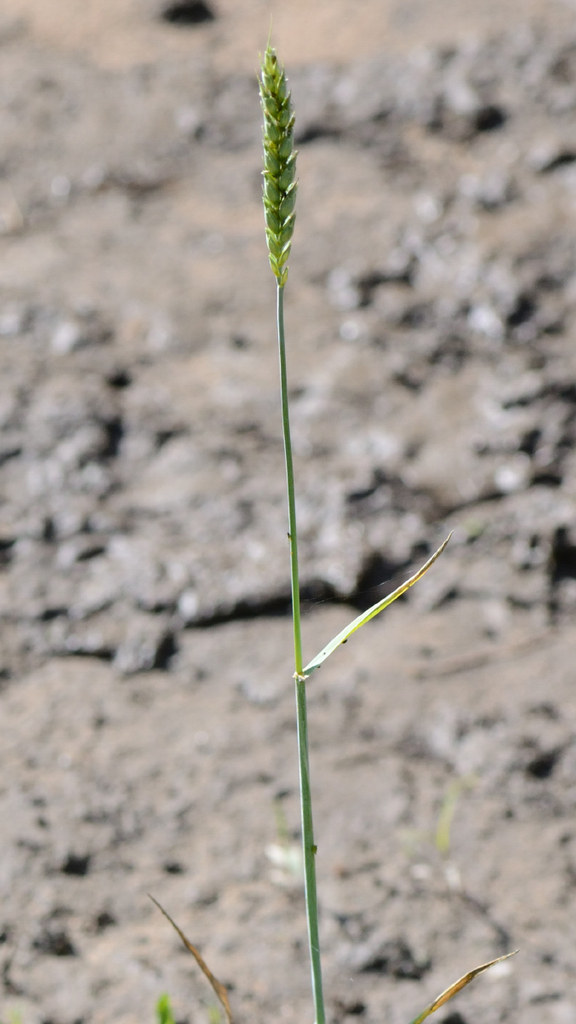
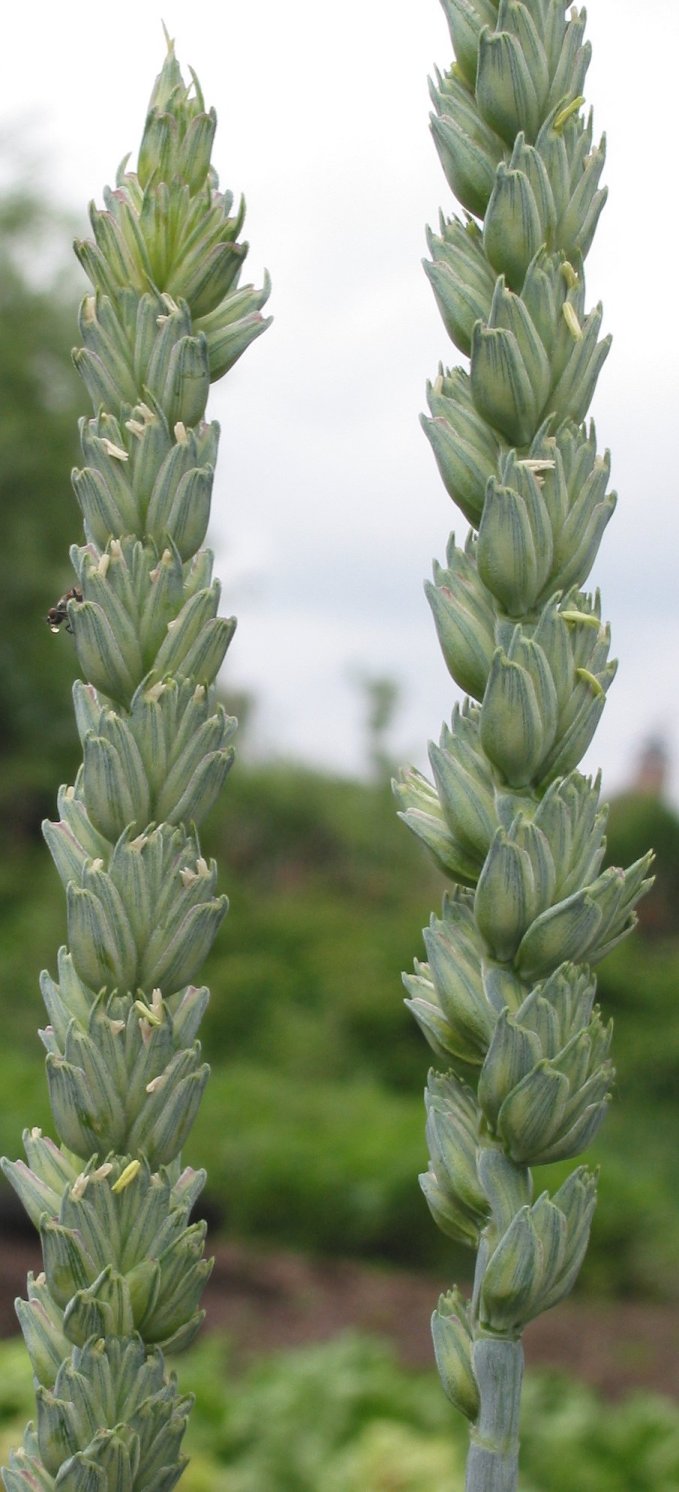
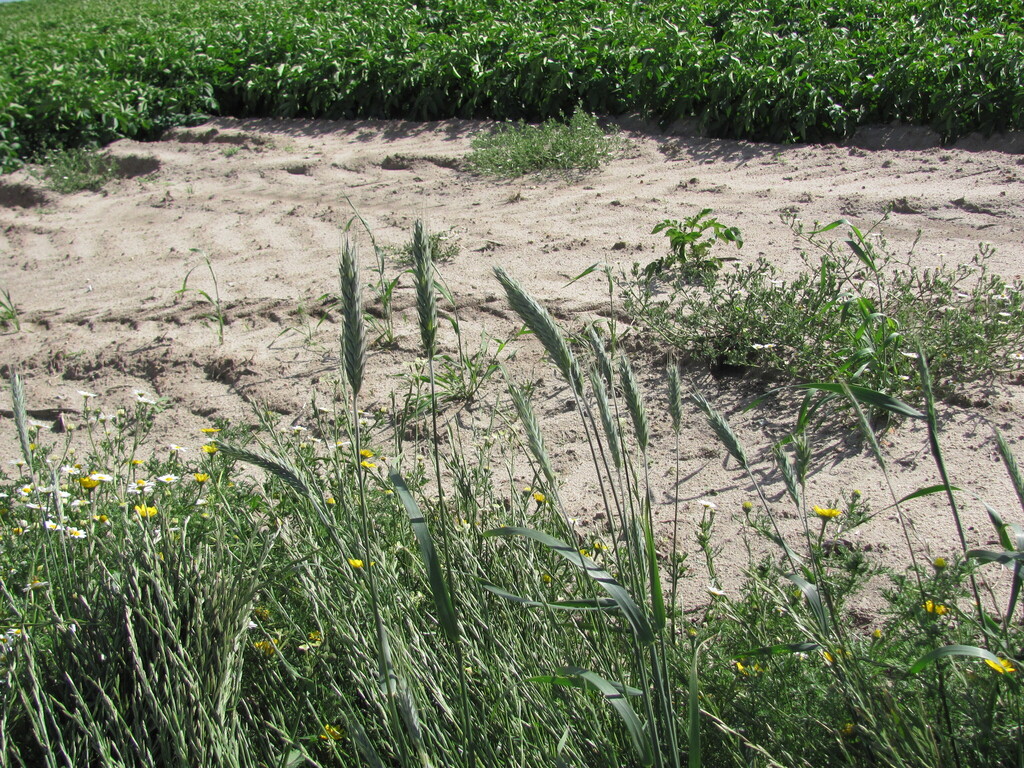
FlowerPhoto: Robert H. Wardell, CC0, from iNaturalist 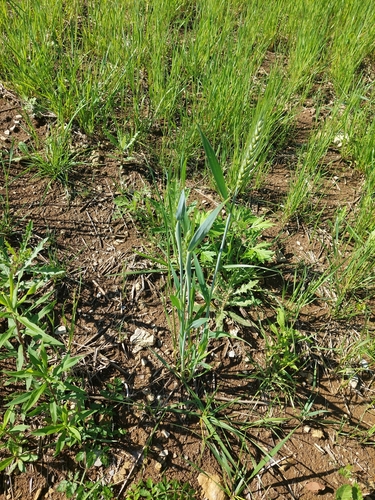
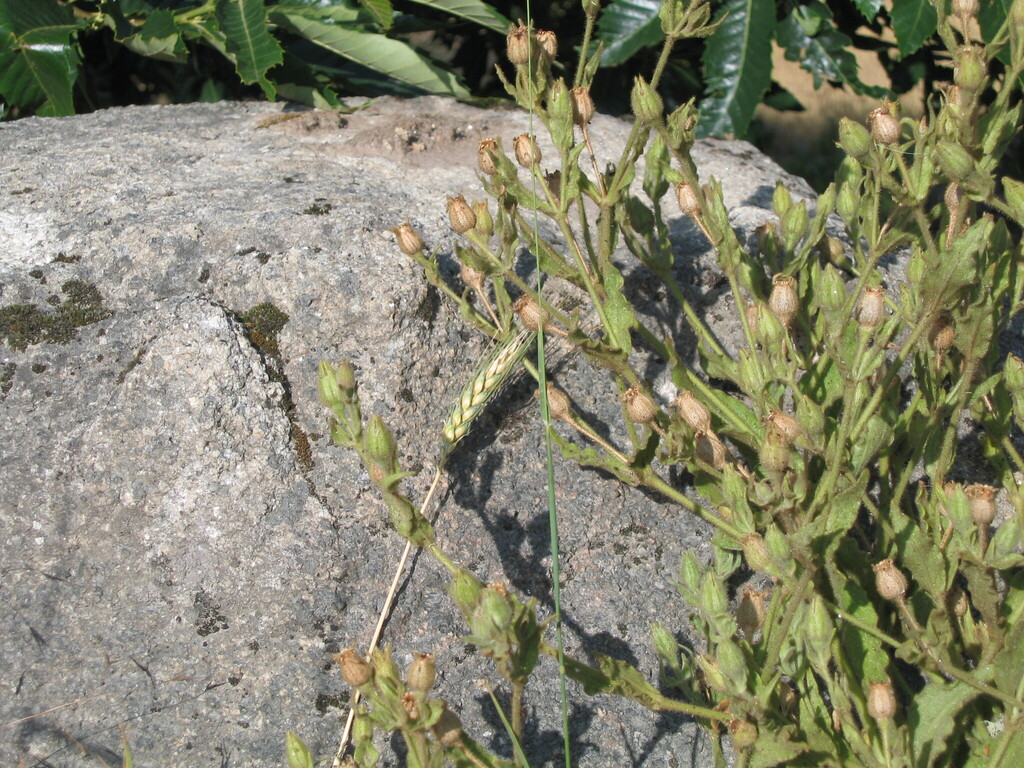
FlowerPhoto: cigazze, CC BY 4.0, from iNaturalist 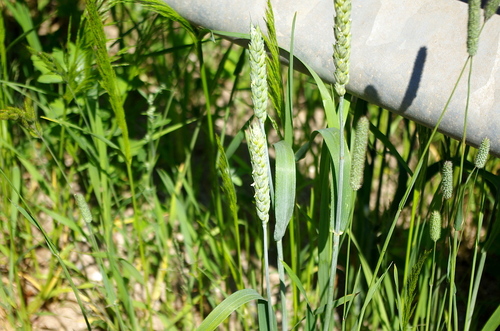
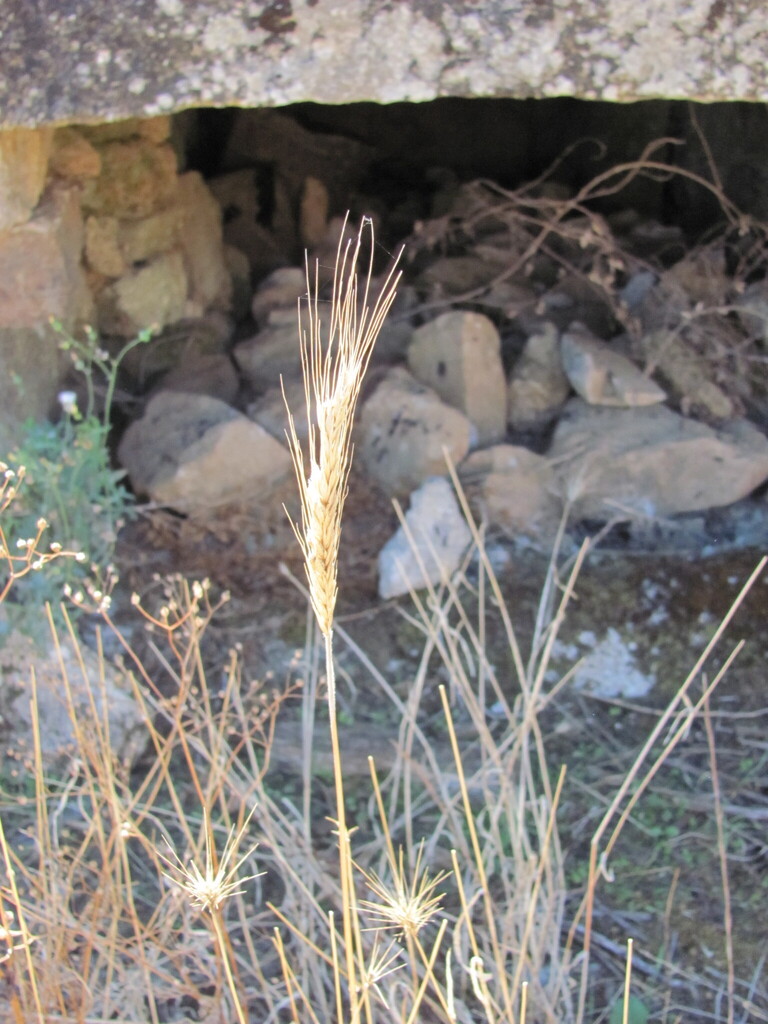
FlowerPhoto: Георгий Виноградов (Georgy Vinogradov), CC BY 4.0, from iNaturalist 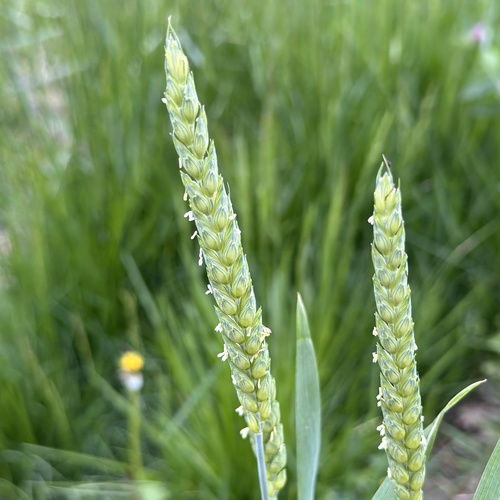
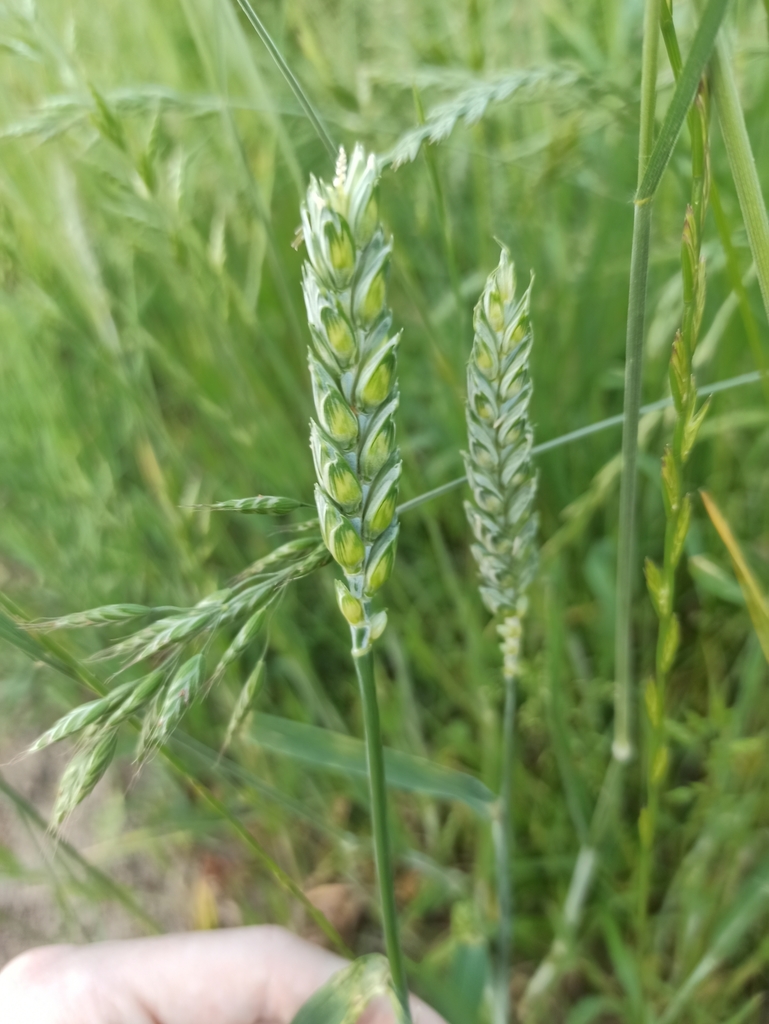
FlowerPhoto: wilderbombyx, CC0, from iNaturalist 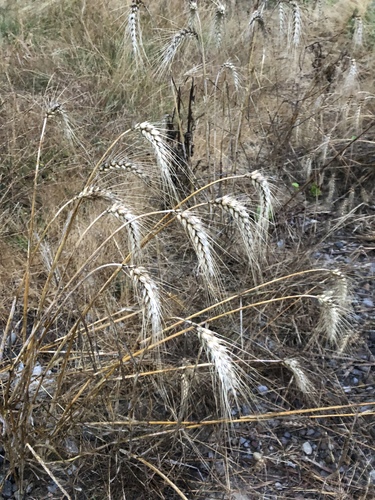
FruitPhoto: Chris R., CC0, from iNaturalist 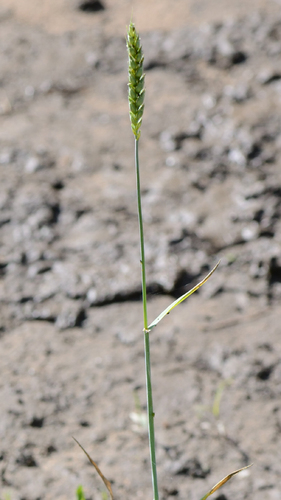
FruitPhoto: Fyodor Pudovikov, CC BY 4.0, from iNaturalist 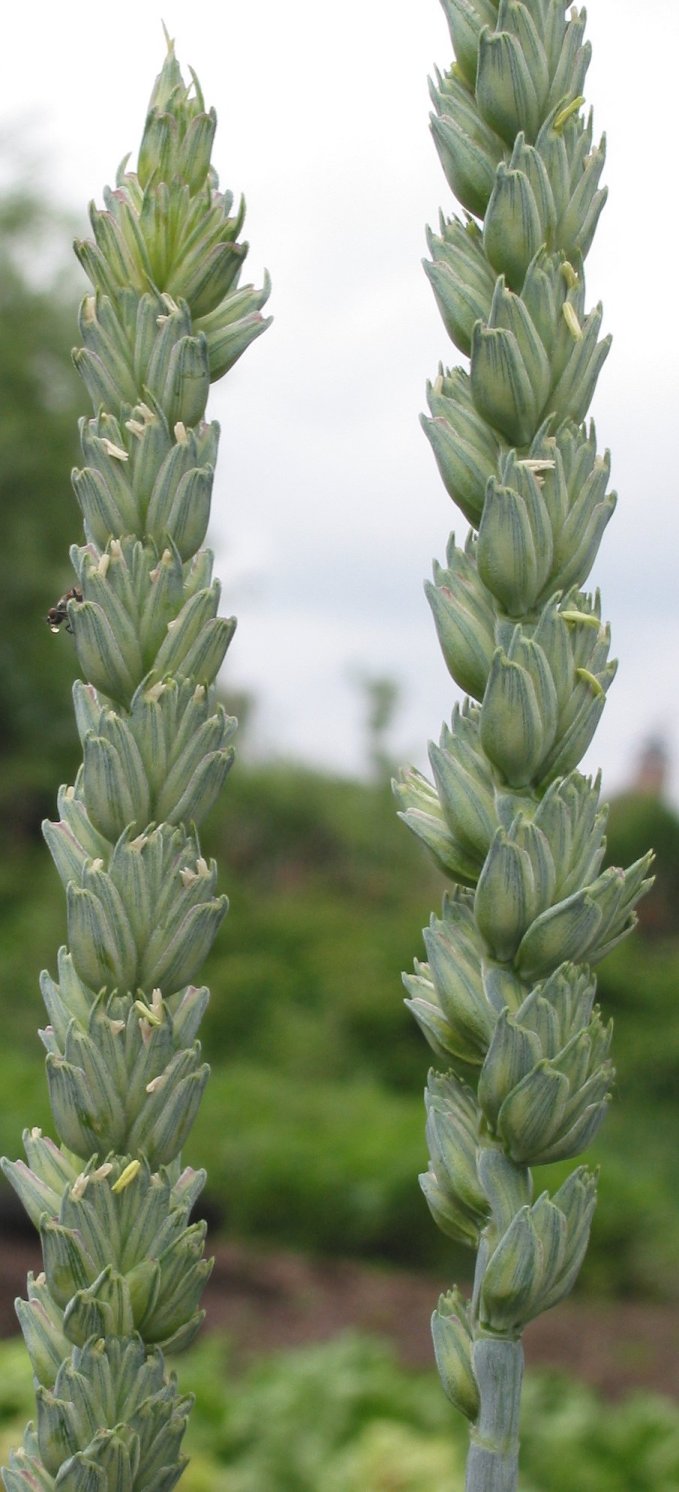
Photo: Rasbak, CC BY-SA 3.0, from Wikimedia Commons 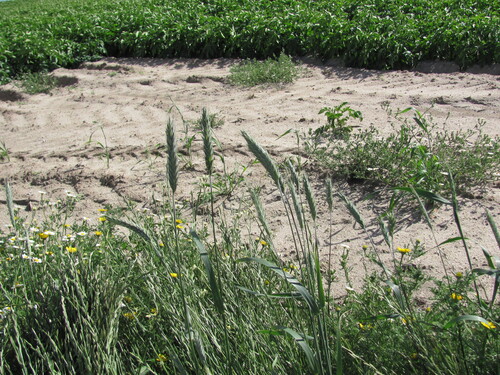
Photo: zebedeugalinha, CC BY 4.0, from iNaturalist 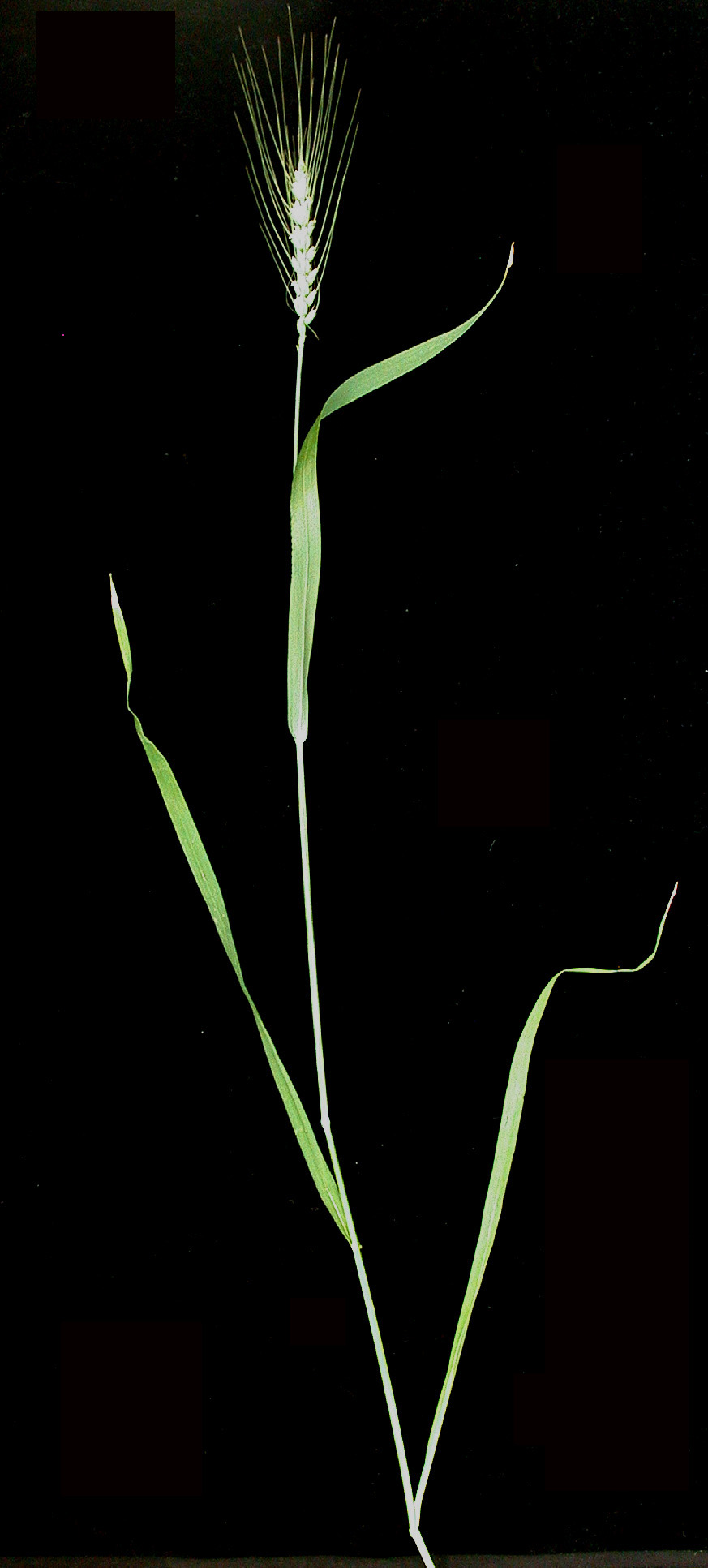
Photo: Ayotte, Gilles, 1948-, CC BY-SA 4.0, from Wikimedia Commons 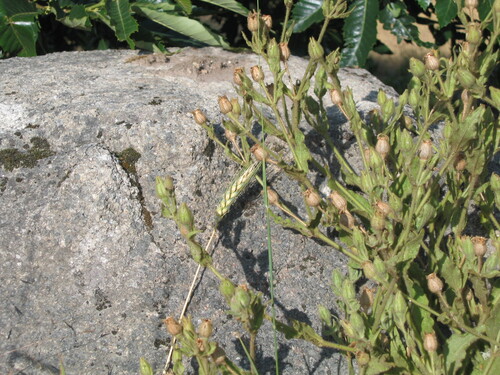
Photo: zebedeugalinha, CC BY 4.0, from iNaturalist 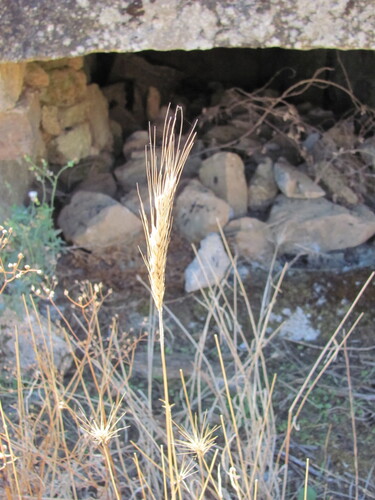
Photo: zebedeugalinha, CC BY 4.0, from iNaturalist 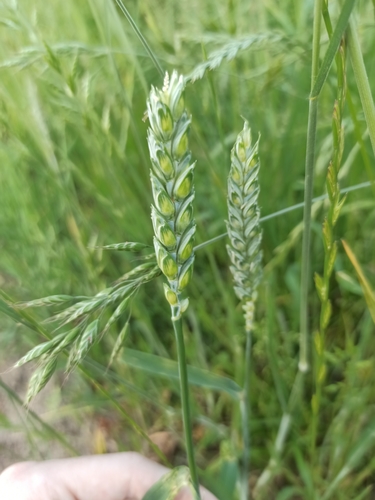
Photo: Юлия Медведько, CC BY 4.0, from iNaturalist
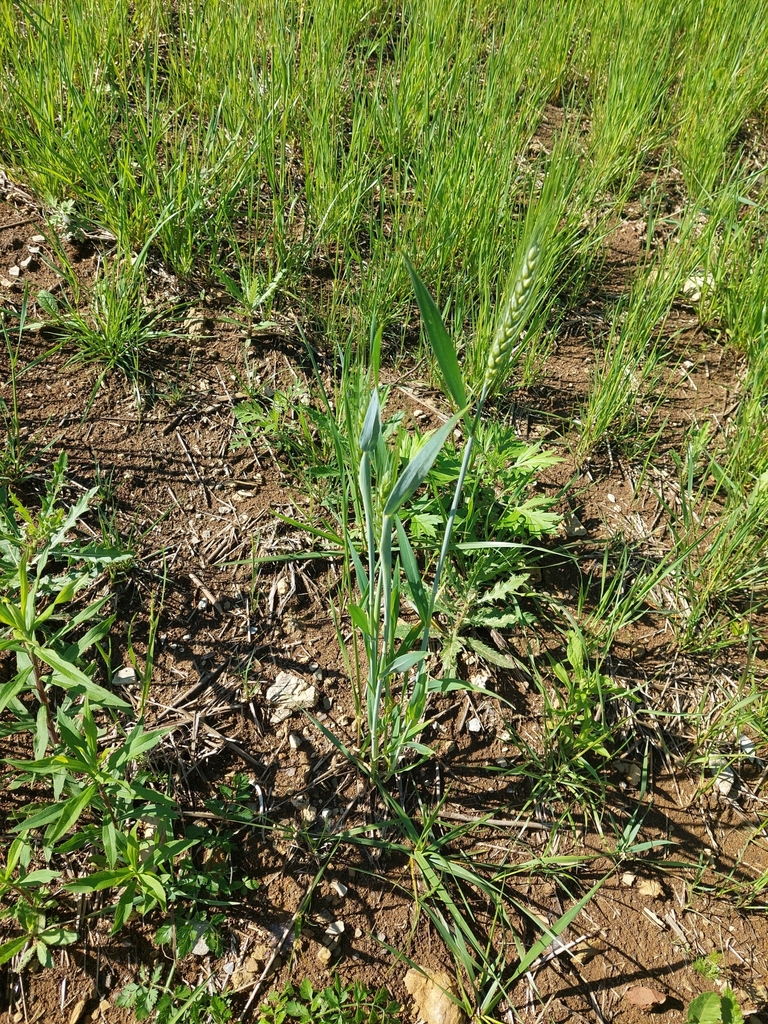
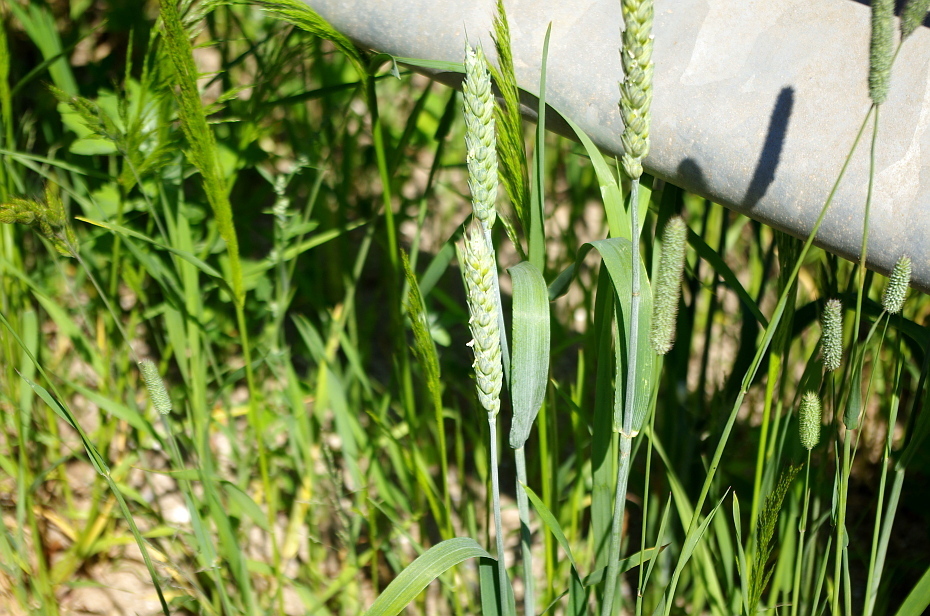
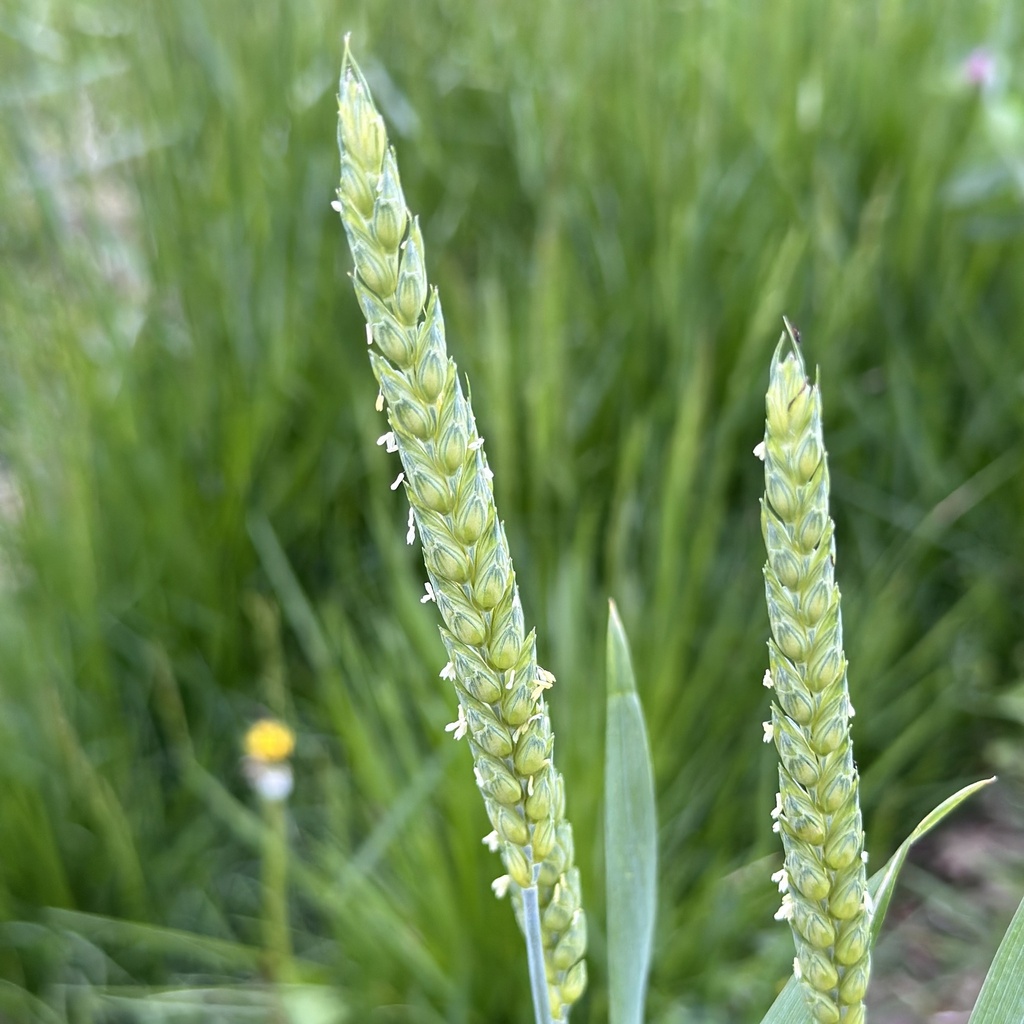
More in Triticum
Sources: classification, synonyms from World Flora Online Plant List (2026-06, CC0 1.0); common names, popularity from Wikidata (2026-10-26, CC0 1.0); common names, US characteristics from USDA PLANTS Database (2025-05-29, CC0 1.0). About our plant data.