
Phytolaccaceae
American pokeweed
Phytolacca americana
- Family
- Phytolaccaceae
- Genus
- Phytolacca
Pet and kid safety: not checked yet. Check pet-safe plants
Is yours looking unwell? Scan your plant — free
Common names
By language (35)
- Afrikaans
- Karmosynbos
- Arabic
- صبغة أمريكية, عنب الذئب, حمرة, صبغة, صياغة, عنب امريكا
- arz
- صبغه امريكيه
- Asturian
- Uves d'américa
- Azerbaijani
- Amerika çiçəbaharı
- Bulgarian
- Американски винобой
- Catalan
- Raïm de moro
- Chinese
- 垂序商陆, 美洲商陸, 商陆, 商陆叶, 商陆花, 洋商陆, 美商陆, 美商陆叶
- Corsican
- Uva di sarpe
- Croatian
- Američki kermes
- Czech
- Líčidlo americké
- Danish
- Amerikansk Kermesbær
- Dutch
- Westerse karmozijnbes
- English
- American pokeweed, American nightshade, Cancer jalap, Coakum, Garget, Inkberry, Pigeon berry, Pocan bush
- Finnish
- Lännenkermesmarja
- French
- Faux Vin, Herbe à la Laque, Phytolaque damérique, Raisin d'Amérique, Teinturier, Vigne de Judée, Épinard de Cayenne, Épinard des Indes
- German
- Amerikanische Kermesbeere, Asiatische Kermesbeere, Amerika-Kermesbeere, Zehnmännige Kermesbeere
- hsb
- Ameriska fytolaka
- Hungarian
- Amerikai alkörmös
- Igbo
- American pokeweed, Pokeweed
- Indonesian
- Bayam tinta
- Japanese
- ヨウシュヤマゴボウ, アメリカヤマゴボウ
- Korean
- 미국자리공
- Lithuanian
- Amerikinė fitolaka
- Macedonian
- Американски крмез
- Persian
- سرخاب کولی, فیتلاکا دکاندرا
- Polish
- Szkarłatka amerykańska
- Portuguese
- Uva-de-rato
- Russian
- Лаконос американский
- Serbian
- Винобојка
- Slovenian
- Navadna barvilnica
- Swedish
- Amerikanskt kermesbär
- Thai
- พิษลักษณ์
- Turkish
- Şekerciboyası
- Ukrainian
- Лаконос американський
Synonyms
- Phytolacca americana var. americana
- Phytolacca decandra L.
Flowers
- In flower
- June to October (from 7,139 flowering iNaturalist observations worldwide)
- Flower colour
- white (USDA PLANTS Database)
Characteristics
- Growth habit
- Forb/herb
- Lifespan
- Perennial
- In the US and Canada
- Canada: native, Lower 48 states: native
Toxicity: Slight, as listed by the USDA PLANTS Database (2025-05-29). USDA rates how toxic a plant is to people or livestock; it is not a pet-safety rating, so ask a vet or poison line if a pet or child ate it.
Photos
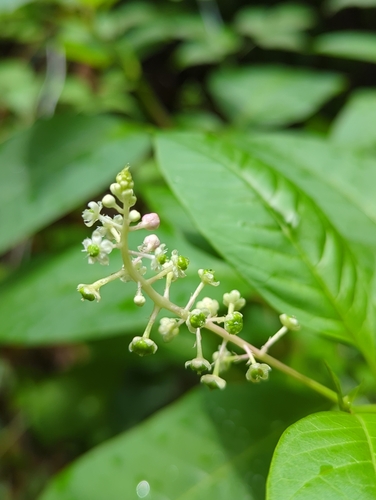
FlowerPhoto: Chris Reardon, CC BY 4.0, from iNaturalist 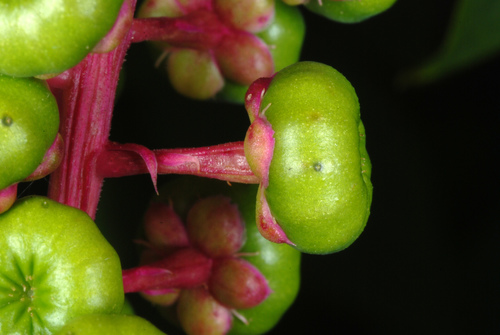
FlowerPhoto: Douglas Goldman, CC BY-SA 4.0, from iNaturalist 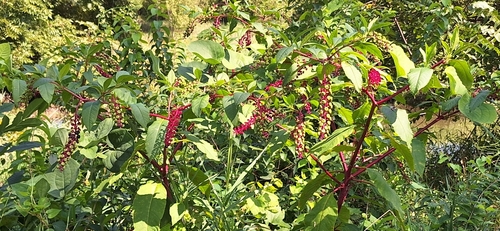
FlowerPhoto: Barrett Coller Jr., CC BY 4.0, from iNaturalist 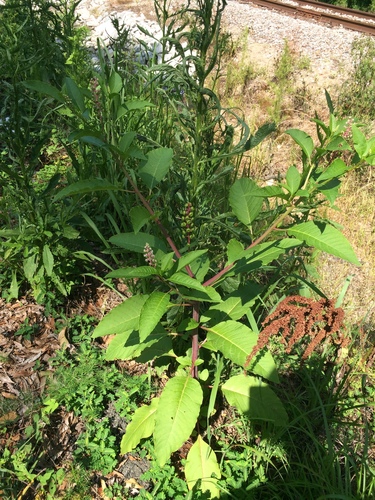
FlowerPhoto: Étienne Lacroix-Carignan, CC0, from iNaturalist 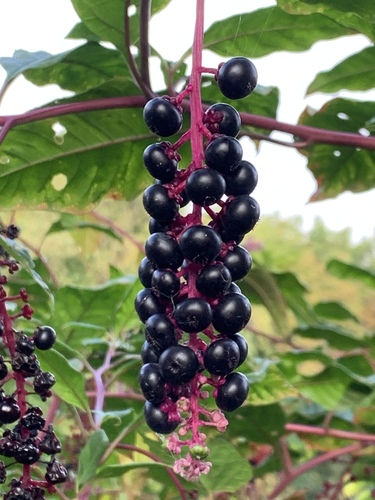
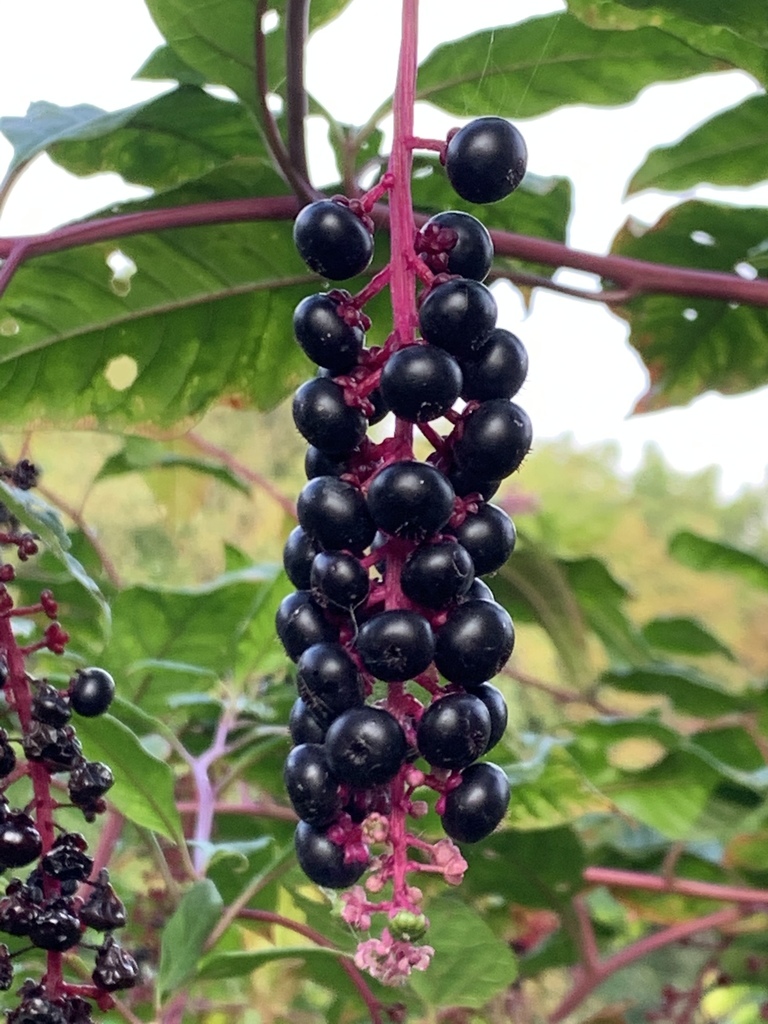
FruitPhoto: Sandy Wolkenberg, CC BY 4.0, from iNaturalist 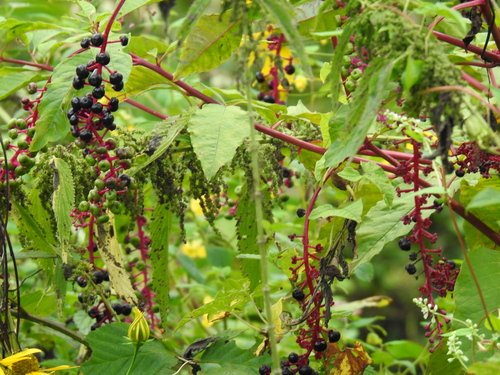
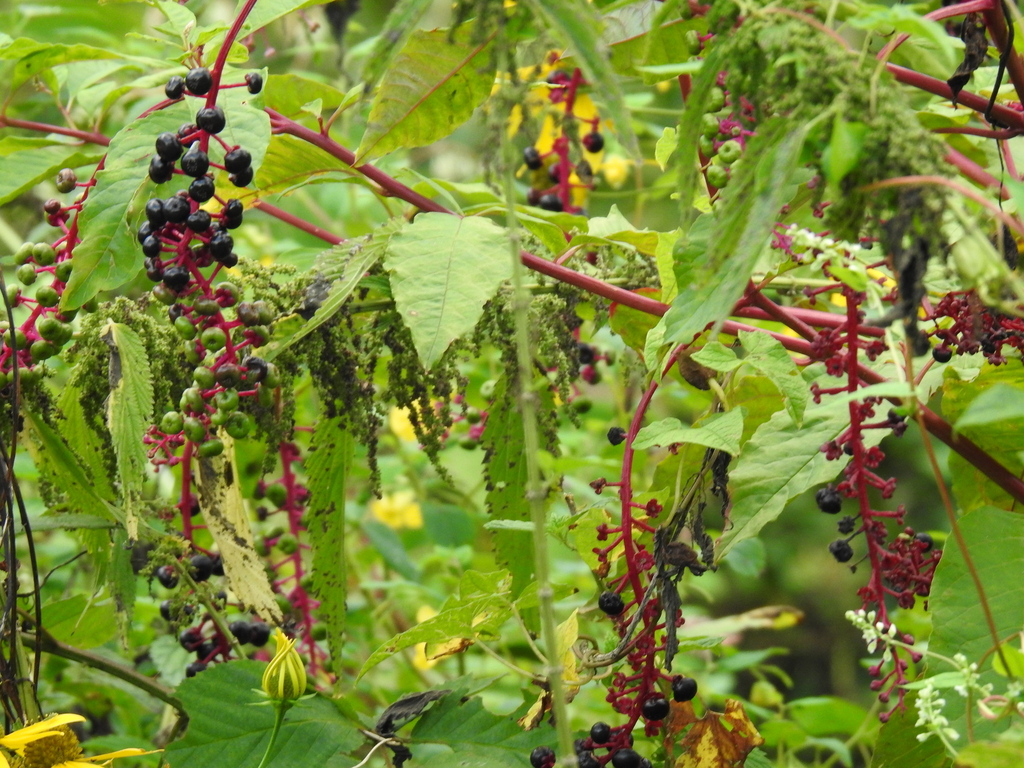
FruitPhoto: Surly Aardvark, CC0, from iNaturalist 
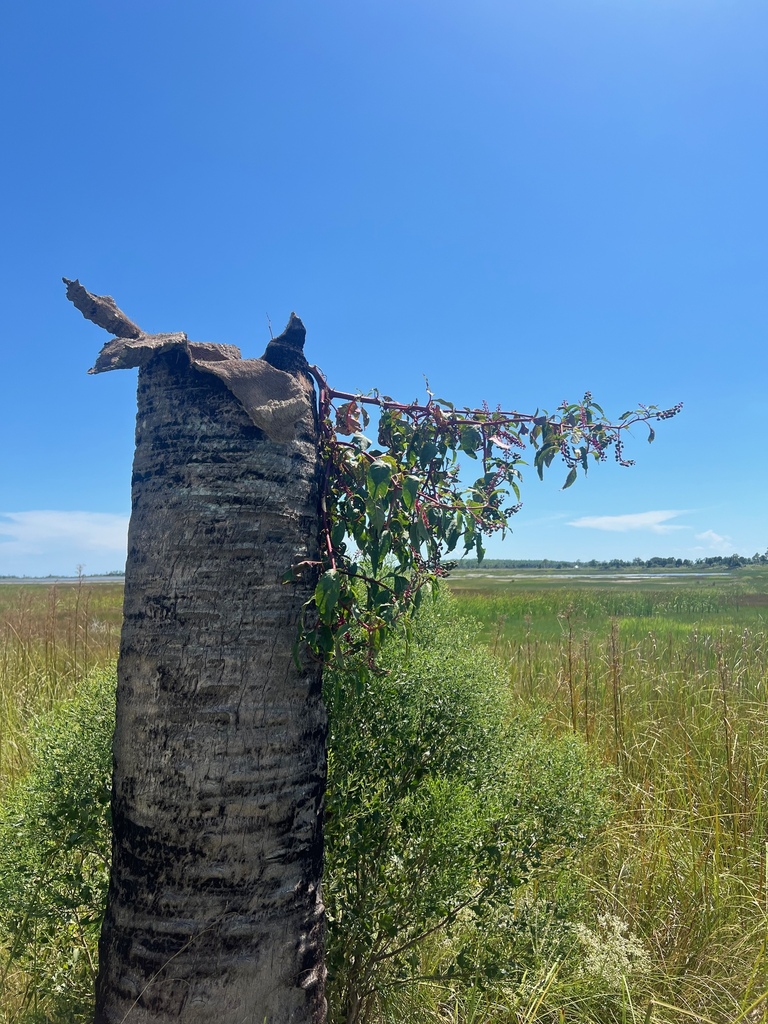
Photo: vastateparksstaff, CC BY 2.0, from Wikimedia Commons 
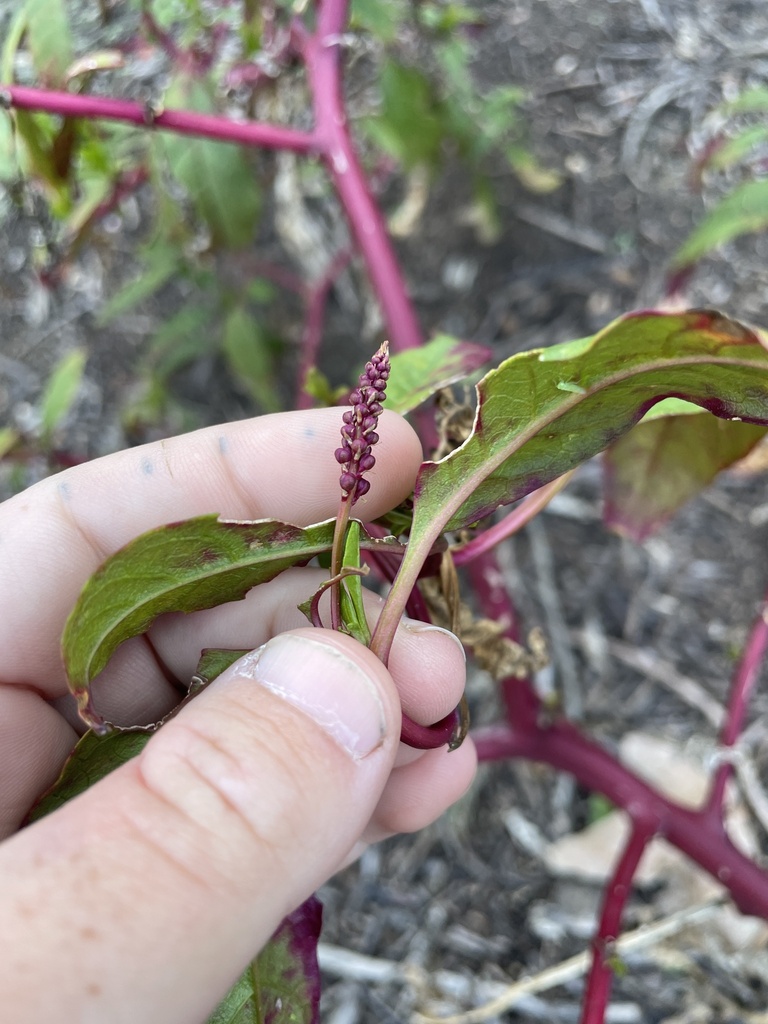
Photo: Jac. Janssen from Baarlo lb, NL, CC BY 2.0, from Wikimedia Commons 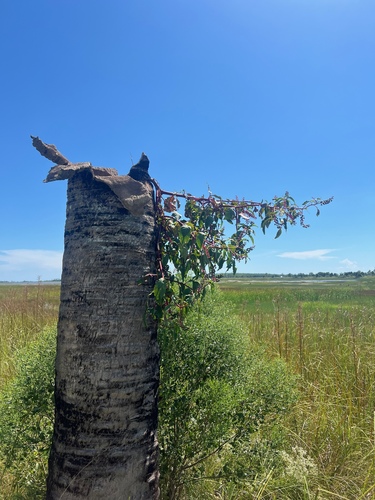
Photo: sblumen, CC BY 4.0, from iNaturalist 
Photo: Jac. Janssen from Baarlo lb, NL, CC BY 2.0, from Wikimedia Commons 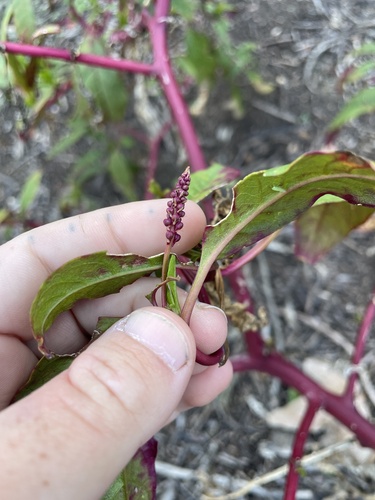
Photo: mel letterman, CC BY 4.0, from iNaturalist 
Photo: Ryan Hodnett, CC BY-SA 4.0, from Wikimedia Commons
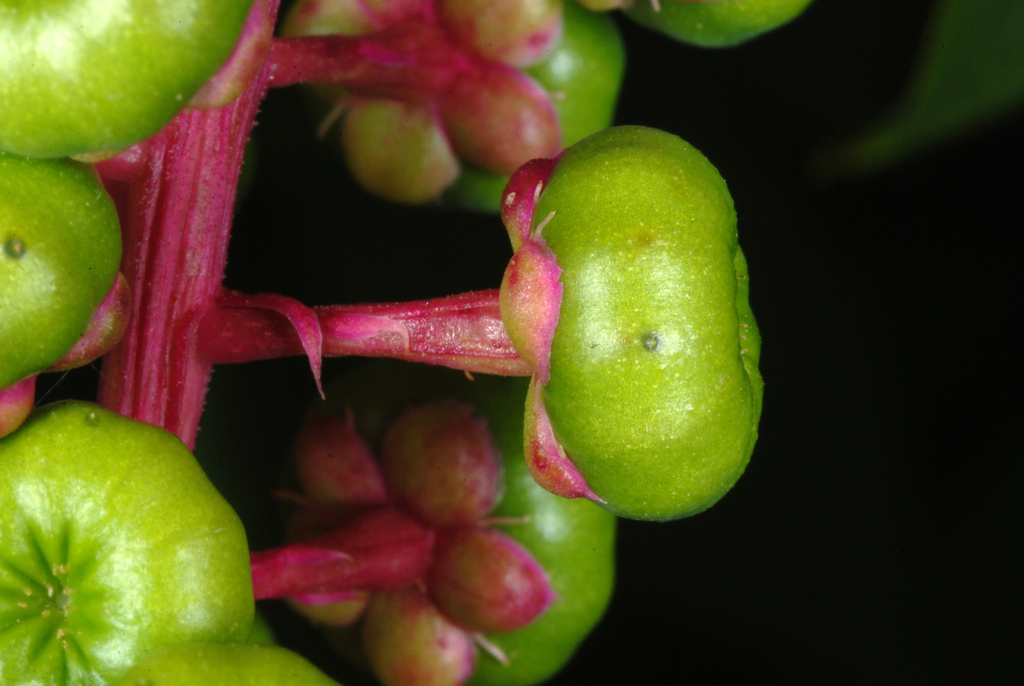
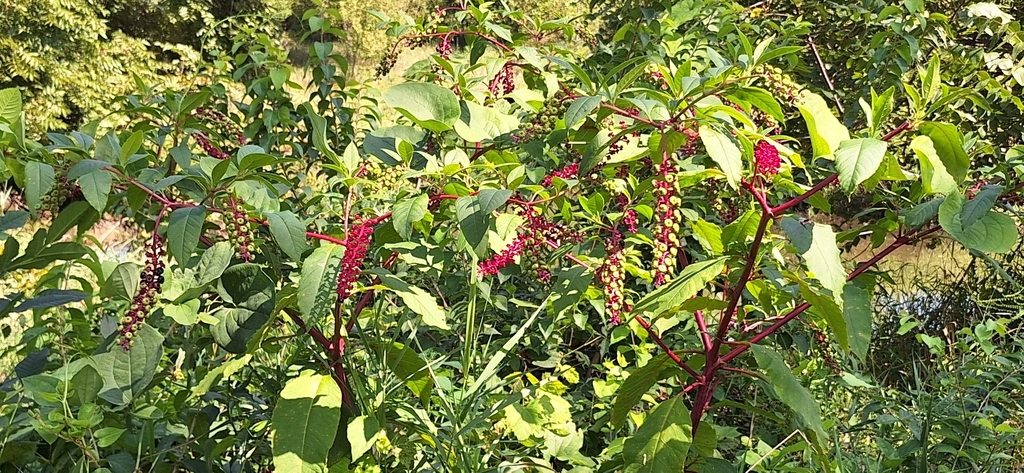
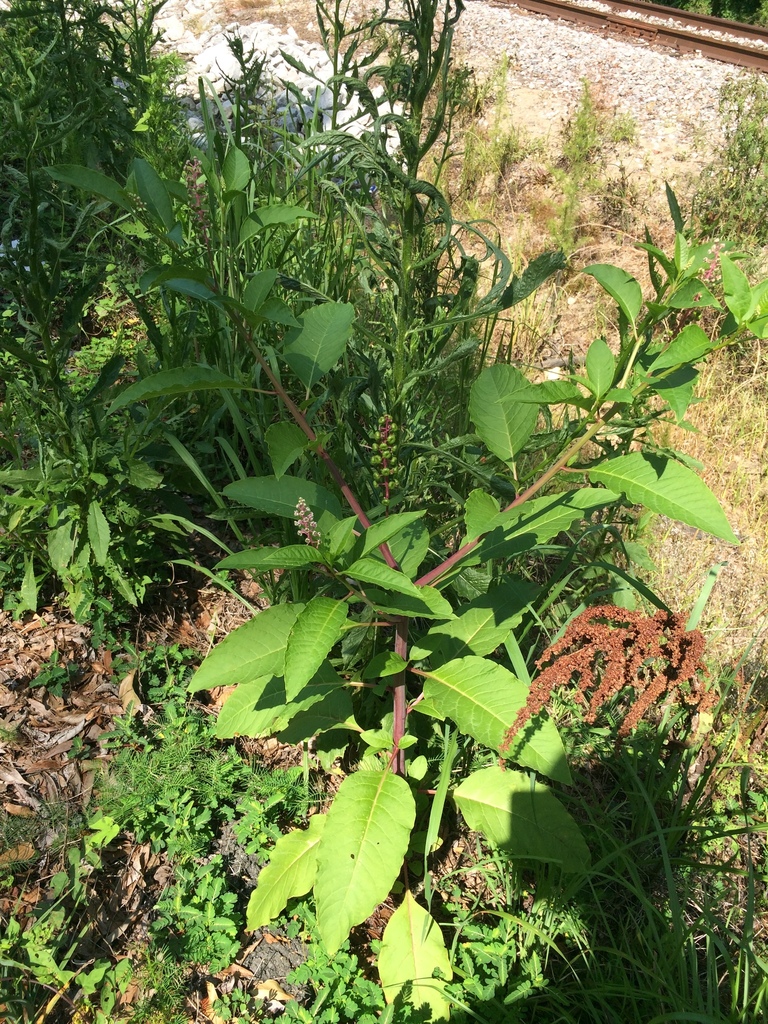




More in Phytolacca
- OmbúPhytolacca dioicaPhytolaccaceae
- Phytolacca acinosaPhytolaccaceae
- Tropical pokeweedPhytolacca icosandraPhytolaccaceae
- Venezuelan pokeweedPhytolacca rivinoidesPhytolaccaceae
- Southern pokeweedPhytolacca bogotensisPhytolaccaceae
- Red inkplantPhytolacca octandraPhytolaccaceae
- Phytolacca rugosaPhytolaccaceae
- Hawai'i pokeweedPhytolacca sandwicensisPhytolaccaceae
- Phytolacca japonicaPhytolaccaceae
- Phytolacca mezianaPhytolaccaceae
- Phytolacca polyandraPhytolaccaceae
- Phytolacca sanguineaPhytolaccaceae
Sources: classification, synonyms from World Flora Online Plant List (2026-06, CC0 1.0); common names, popularity from Wikidata (2026-10-26, CC0 1.0); common names, US characteristics from USDA PLANTS Database (2025-05-29, CC0 1.0). About our plant data.