
Fabaceae
Sensitive plant
Mimosa pudica
- Family
- Fabaceae
- Genus
- Mimosa
Pets and kids
- CatsNot sure
- DogsNot sure
- KidsSafe
Why
Cats: Not sure
We found no reliable source on this plant for cats, so we don't call it safe. Keep it out of reach until you have checked with your vet.
Dogs: Not sure
We found no reliable source on this plant for dogs, so we don't call it safe. Keep it out of reach until you have checked with your vet.
Kids: Safe
Sources below say it is non-toxic to young children. Any plant can upset a stomach if a lot is eaten.
- HOUSEPLANTS, ANIMALS & CHILDREN - Wsu University or extension
- A Guide for Poison Prevention Plants Poison control
Is yours looking unwell? Scan your plant — free
Is Sensitive plant safe for cats, dogs and kids?
Is Sensitive plant safe for cats?
We found no reliable source on this plant for cats, so we don't call it safe. Keep it out of reach until you have checked with your vet.
Is Sensitive plant safe for dogs?
We found no reliable source on this plant for dogs, so we don't call it safe. Keep it out of reach until you have checked with your vet.
Is Sensitive plant safe for kids?
Our sources call Sensitive plant non-toxic to young children. Any plant can upset a stomach if a lot is eaten.
- HOUSEPLANTS, ANIMALS & CHILDREN - Wsu University or extension
- A Guide for Poison Prevention Plants Poison control
Ate some? Call your vet or the ASPCA Animal Poison Control Center at (888) 426-4435 (a fee may apply). For a child, call Poison Help at 1-800-222-1222 (US). If they are struggling to breathe or collapse, call 911. Don't give anything by mouth unless a vet or poison expert tells you to.
See all cat-safe plants, dog-safe plants and child-safe plants.
Common names
By language (86)
- ace
- Pih mie
- Albanian
- Lule mos me prek
- Arabic
- حساسة, ست مستحية, ميموزا بودكا
- Armenian
- Պատկառուկ
- arz
- ميموسا بوديكا
- Assamese
- নিলাজী লতা
- Azerbaijani
- Utancaq mimoza
- Bangla
- লজ্জাবতী
- Basque
- Minbera
- Bulgarian
- Срамежлива мимоза
- Burmese
- ထိကရုံးပင်, ထိကရုံးငယ်ပင်
- Cantonese
- 怕醜草
- Catalan
- Sensitiva
- Cebuano
- Kípî-kípî
- Chinese
- 含羞草, 含羞草根, 呼喝草, 怕丑草, 感应草, 知羞草
- Croatian
- Sramežljiva mimoza
- csb
- Òsławnô mimòza
- Czech
- Citlivka stydlivá
- Danish
- Ægte Mimose
- Dutch
- Kruidje-roer-mij-niet, Gevoelige mimosa, Kruidje roer me niet, Kruidje-roer-me-niet
- English
- Sensitive plant, Shameplant, Dormilones, Sleepy plant, Touch-me-not
- Esperanto
- Sensitivo
- Estonian
- Häbelik mimoos
- Filipino
- Makahiya, Damohia, Damohiya, Damuhiya
- Finnish
- Tuntomimosa, Tuntokasvi
- French
- Sensitive
- Galician
- Mimosa
- German
- Mimose, Schamhafte Sinnpflanze, Sinnpflanze
- gor
- Mimosa
- Greek
- Μιμόζα
- Guarani
- Morivivi
- Gujarati
- લજામણી, લજામણીનો છોડ
- Hebrew
- מימוזה ביישנית
- Hindi
- छुइमुइ पौधा
- hsb
- Mimoza, Struchła holčka, Čujawka
- Hungarian
- Szemérmes mimóza
- Indonesian
- Putri malu
- io
- Sensitivo
- Irish
- Lus cigilteach
- Japanese
- オジギソウ, おじぎ草, ネムリグサ, ミモザ
- Javanese
- Putri malu
- Kannada
- ಮುಟ್ಟಿದರೆ ಮುನಿ
- Kazakh
- Ұялшақ мимоза
- Konkani
- Lojechem Zhadd, लजेझाड
- Korean
- 미모사, 신경초, 함수초
- lah
- چھوئی موئی
- Latvian
- Kautrā mimoza
- Lithuanian
- Jautrioji mimoza
- Macedonian
- Срамежлива мимоза
- Maithili
- लजबिज्जी
- Malay
- Pokok Semalu
- Malayalam
- തൊട്ടാവാടി, തൊട്ടാൽവാടി, സങ്കോചിനി, സ്പർശലജ്ജാവാഹിനി
- Marathi
- लाजाळू, लाजाळु
- nan
- Kiàn-siàu-chháu
- Nepali
- लज्जावती
- Odia
- ଲାଜକୁଳୀ ଲତା
- os
- Æфсæрмдзæстыг мимозæ
- pam
- Malamarine
- Persian
- میموسا پودیکا
- Polish
- Mimoza wstydliwa, Czułek wstydliwy, Minosa pudica
- Portuguese
- Dormideira, Dorme dorme, Dorme-dorme, Maria-fecha-a-porta
- Punjabi
- ਛੂਈ ਮੂਈ
- Romanian
- Mimoză
- Russian
- Мимоза стыдливая
- Sanskrit
- लज्जालुसस्यम्
- sat
- ᱡᱟᱹᱱᱟᱹᱯᱤᱫ
- Serbian
- Стидљива мимоза
- Serbian (Latin)
- Sramežljiva mimoza
- shn
- ယႃႈတွႆႇႁုပ်ႇ, တူၼ်ႈယႃႈတွႆႇႁုပ်ႇ
- Sinhala
- නිදිකුම්බා
- Slovak
- Citlivka obyčajná
- Slovenian
- Sramežljiva mimoza
- Spanish
- Shameplant, Sensitiva, Vergonzosa
- Sundanese
- Jukut riut
- Swedish
- Sensitiva
- szy
- Nipaluma-kadebitay
- Tamil
- தொட்டாற் சுருங்கி, தொட்டாற் சிணுங்கி
- tcy
- ನಾಚಿಕೆ ಮುಳ್ಳು
- Telugu
- అత్తిపత్తి, సిగ్గాకు
- Thai
- ไมยราบ
- Tongan
- Mateloi, Cassia leschenaultiana, Cassia nictitans, Chamaecrista nictitans
- Turkish
- Küstüm otu
- Ukrainian
- Мімоза сором'язлива
- Urdu
- چھوئی موئی, لاجونتی
- Vietnamese
- Trinh nữ, Cây mắc cỡ, Cây thẹn, Cây trinh nữ, Cây xấu hổ, Hoa trinh nữ, Hàm tu thảo
- wuu
- 含羞草
Synonyms
- Eburnax pudica (L.) Raf.
Characteristics
- Growth habit
- Forb/herb
- Lifespan
- Annual, Perennial
- In the US and Canada
- Hawaii: introduced, Lower 48 states: introduced, Pacific Basin: introduced, Puerto Rico: native, U.S. Virgin Islands: native
Photos
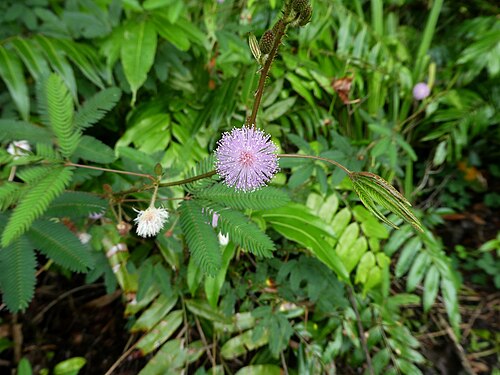
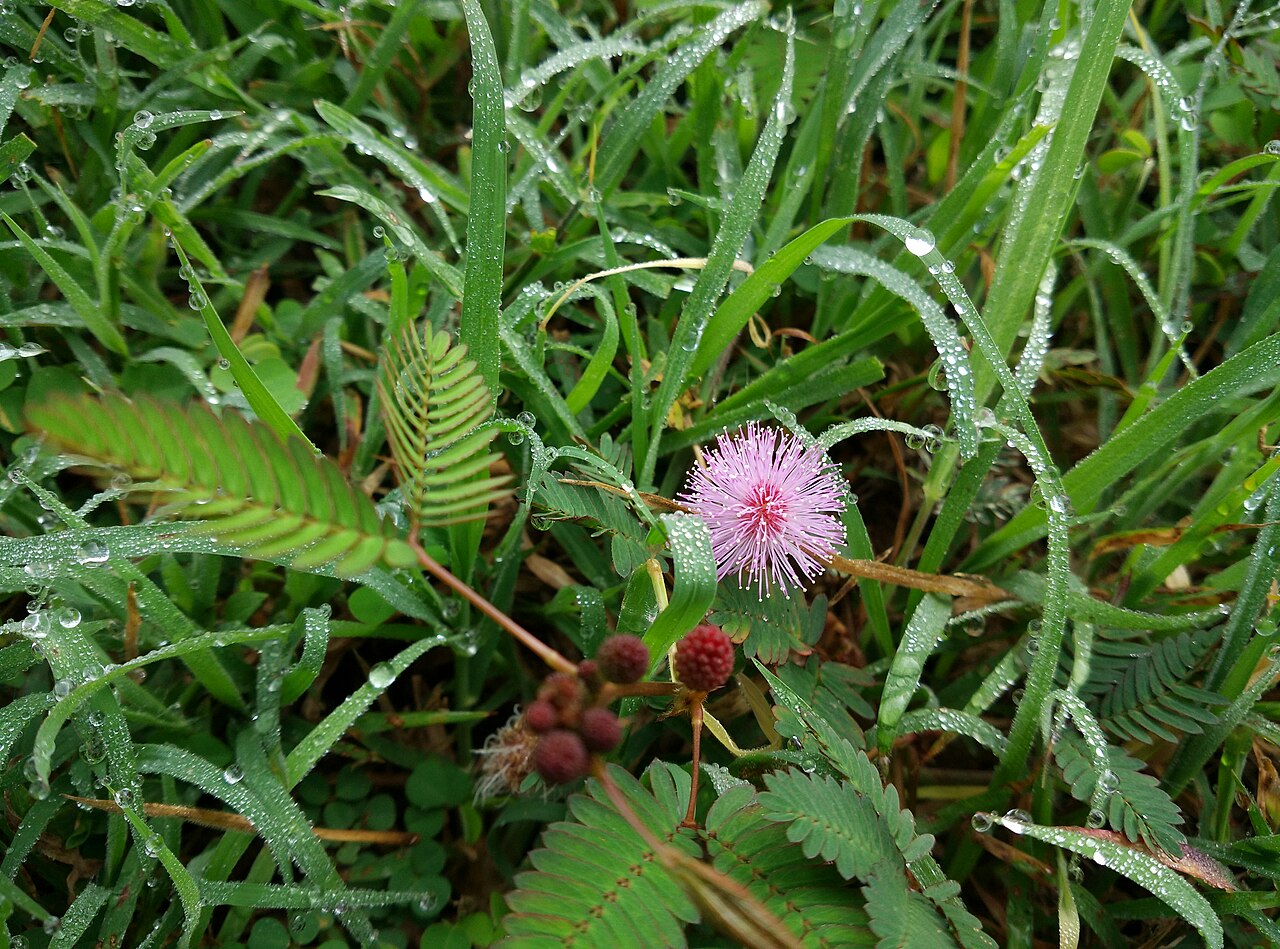
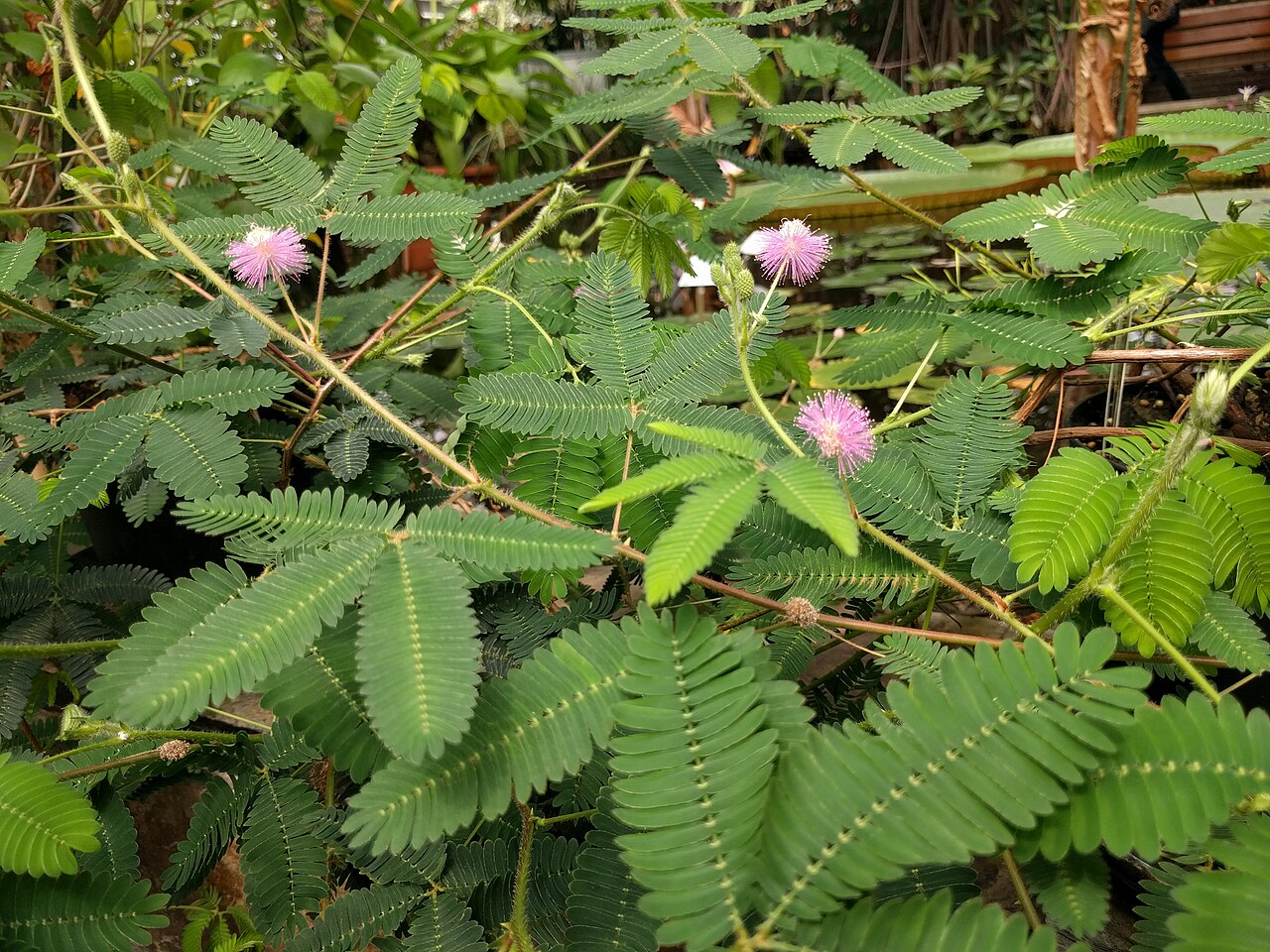
Photo: Steve Fitzgerald, CC BY-SA 4.0, from Wikimedia Commons 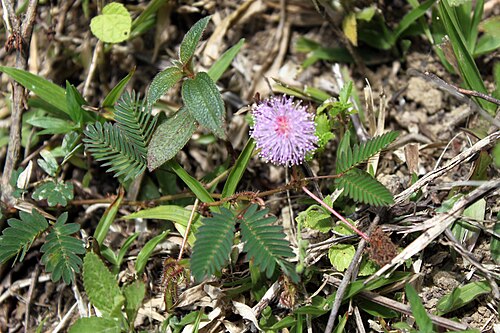
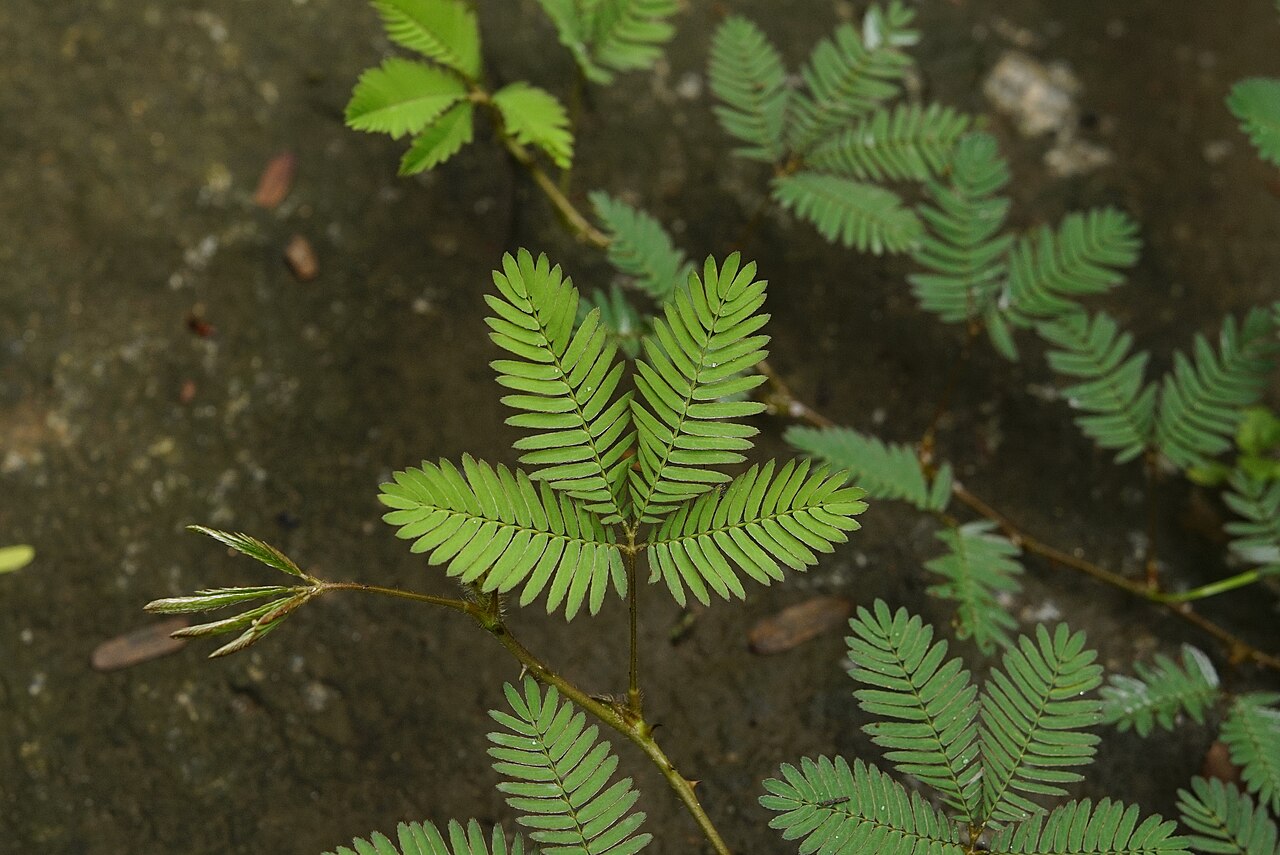
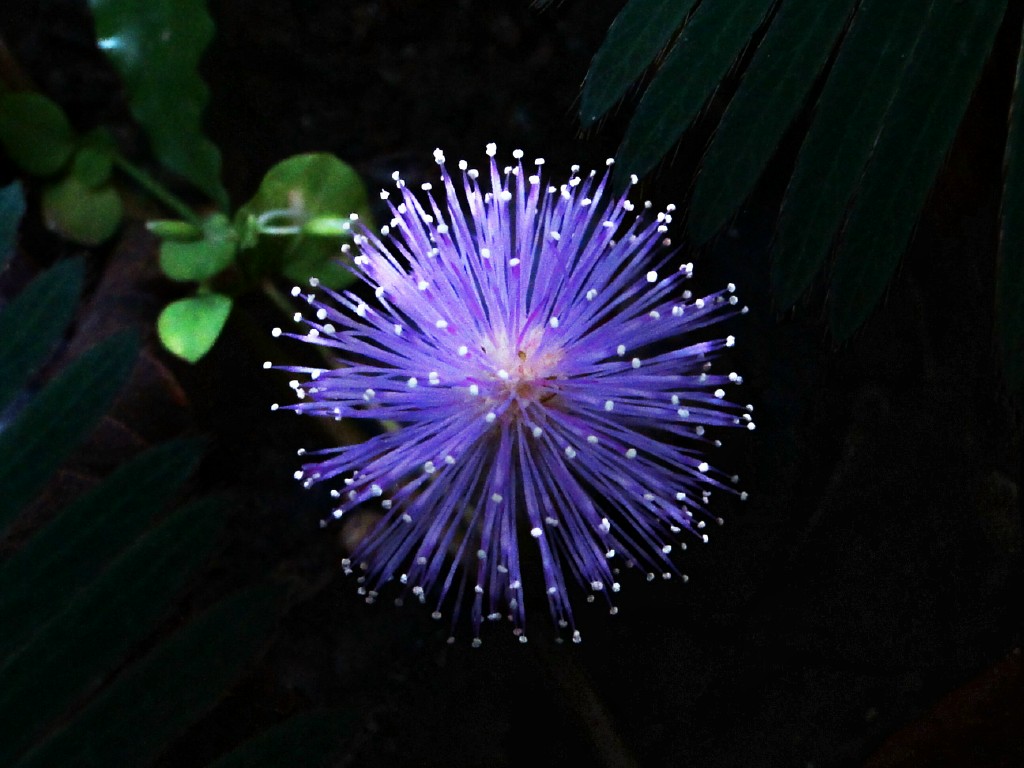
Photo: Anagoria, CC BY 3.0, from Wikimedia Commons 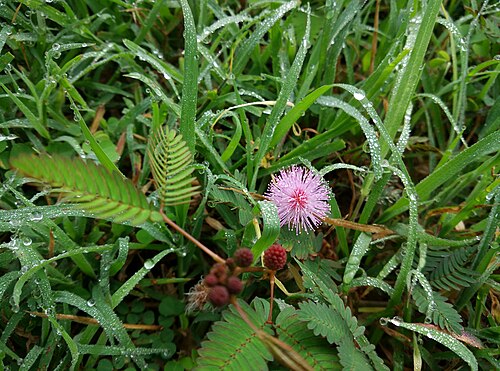
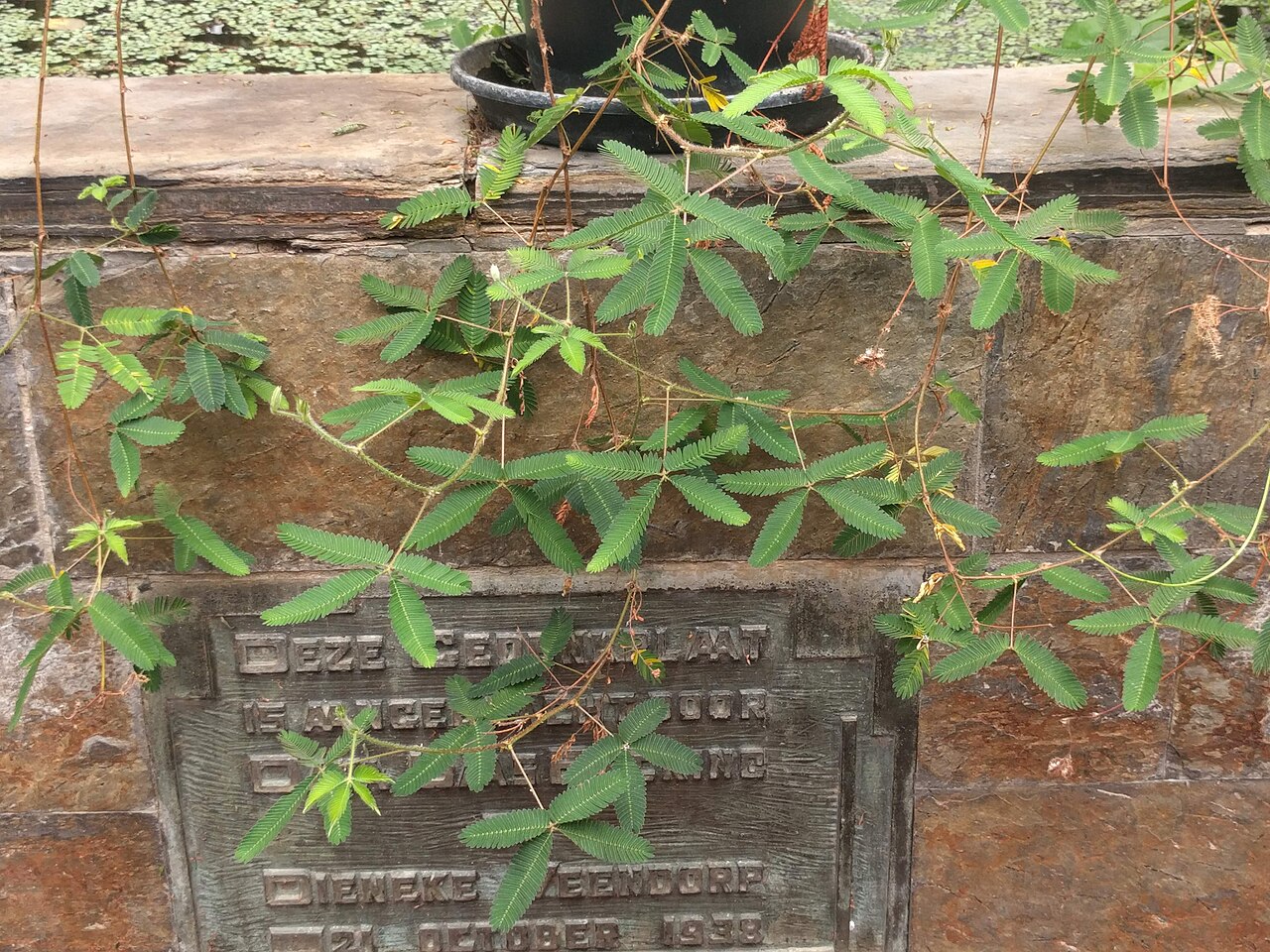
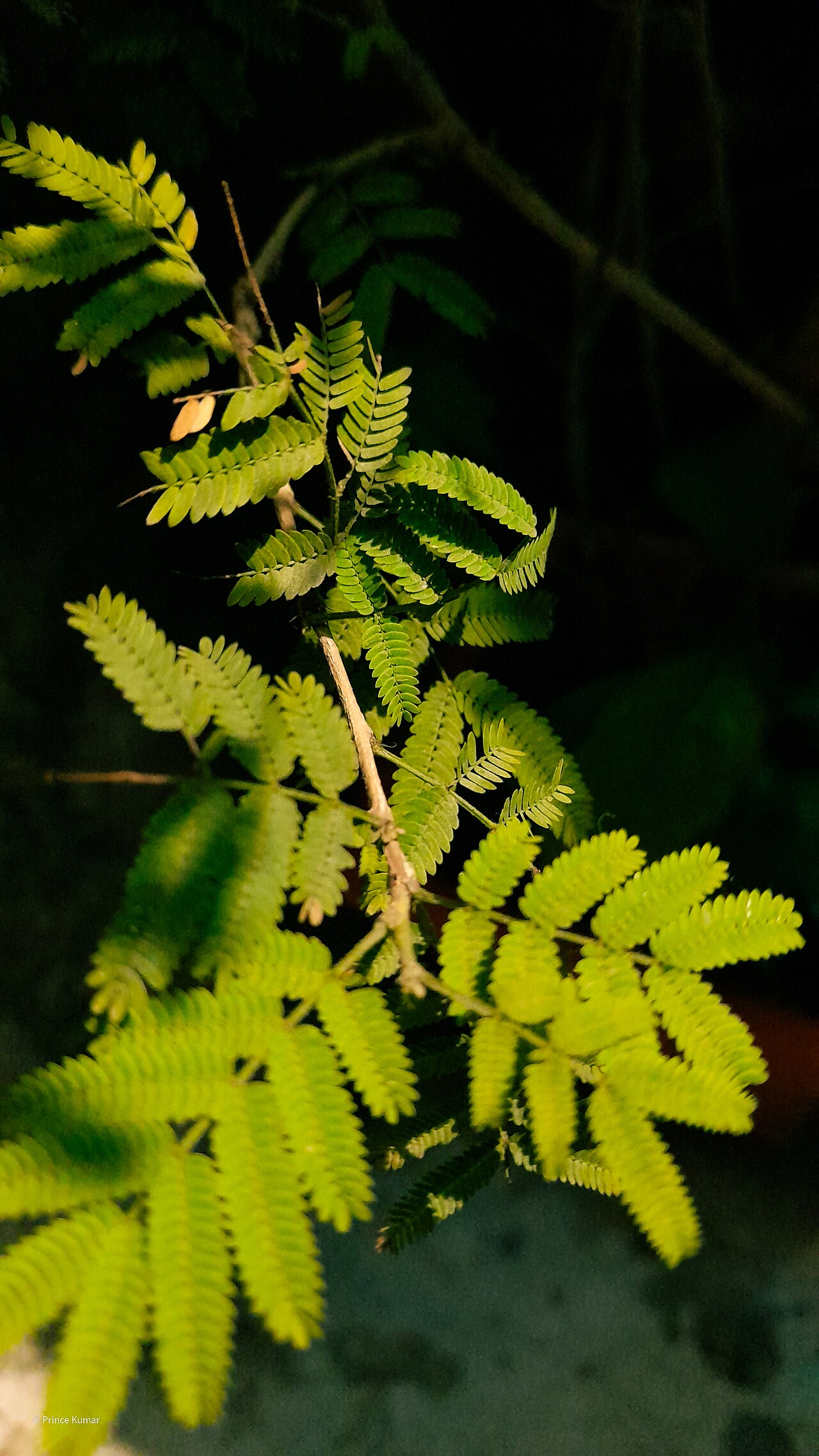
Photo: MADHAN S BHARADWAJ, CC BY-SA 4.0, from Wikimedia Commons 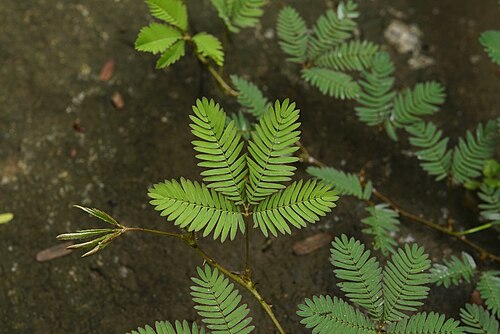
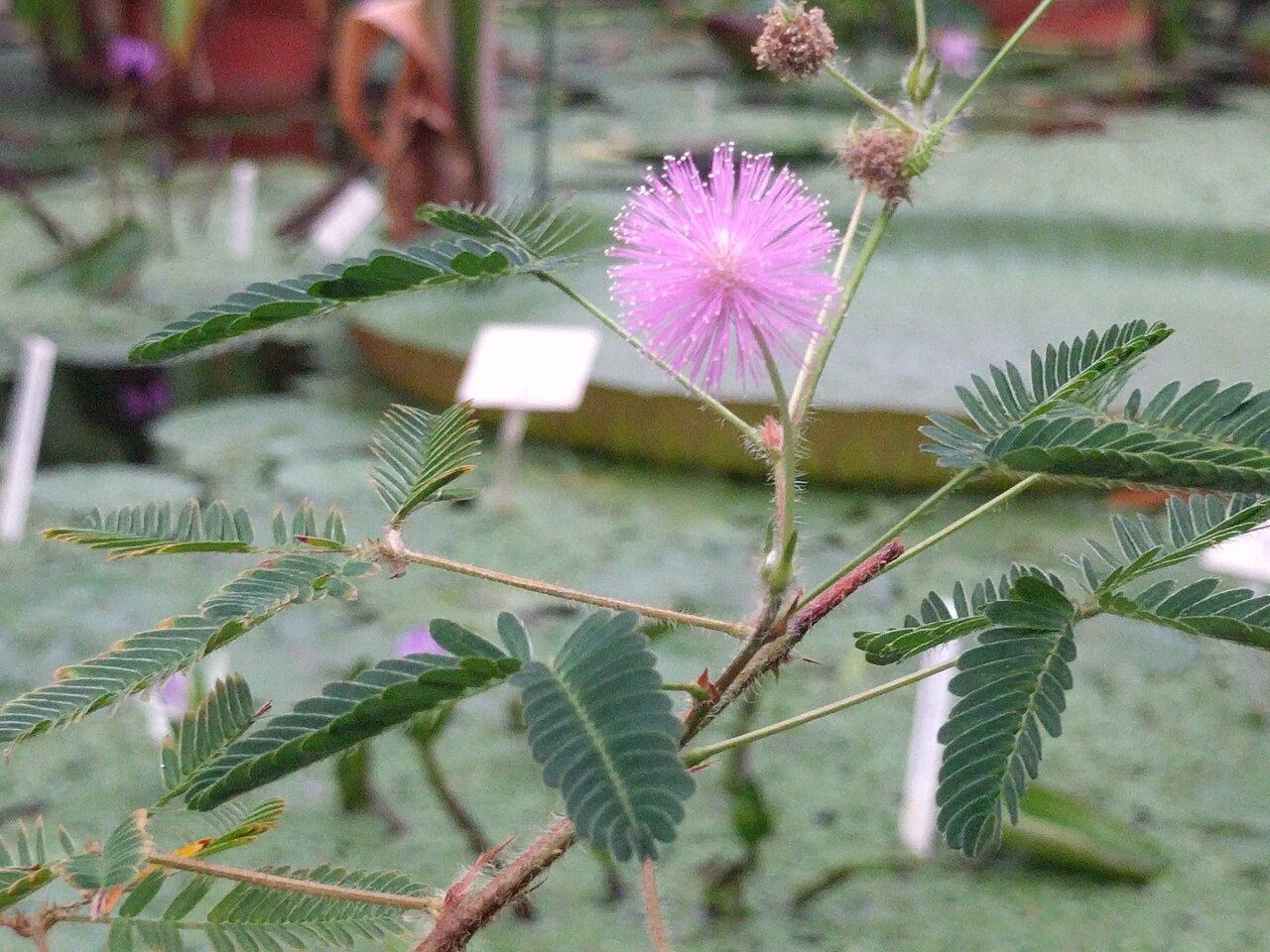
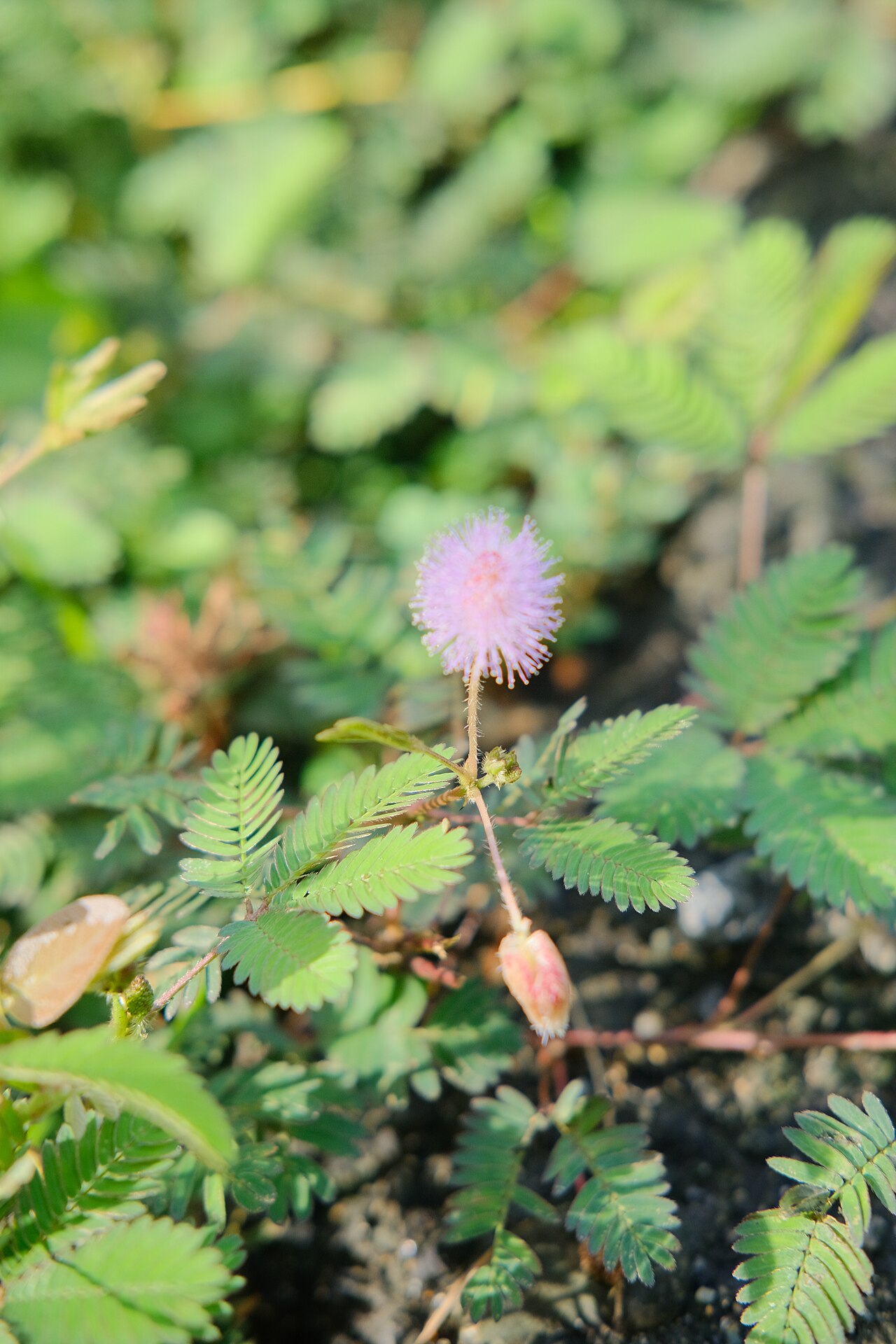
Photo: Vengolis, CC BY-SA 4.0, from Wikimedia Commons 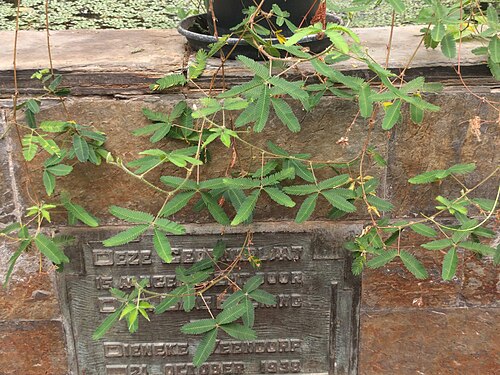
Photo: Rudolphous, CC BY-SA 4.0, from Wikimedia Commons 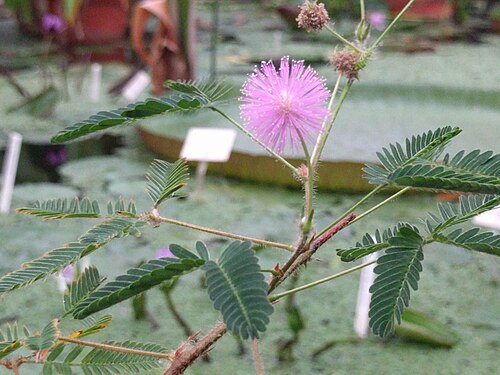
Photo: Rudolphous, CC BY-SA 4.0, from Wikimedia Commons 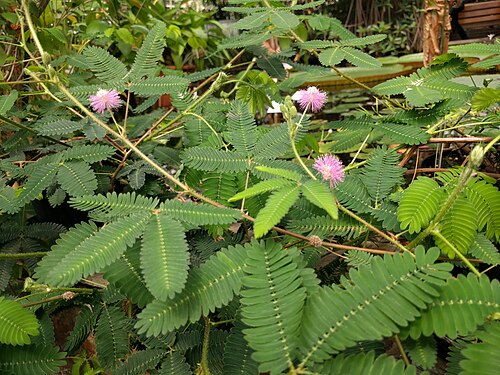
Photo: Rudolphous, CC BY-SA 4.0, from Wikimedia Commons 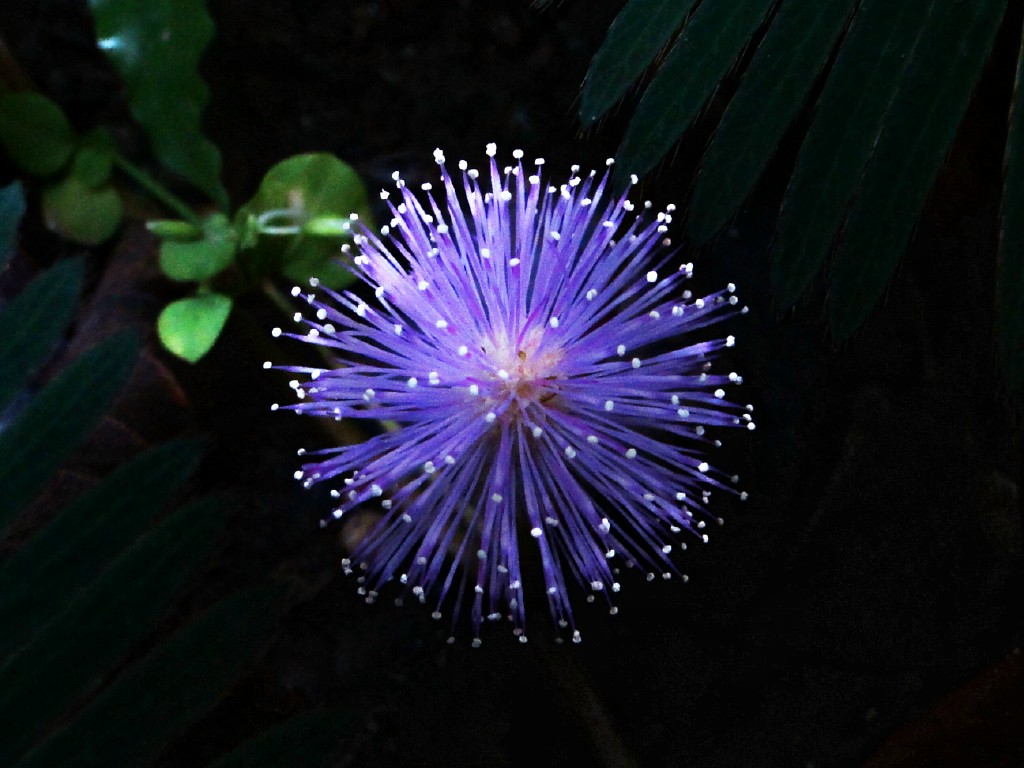
Photo: Bobjgalindo, CC BY 4.0, from Wikimedia Commons 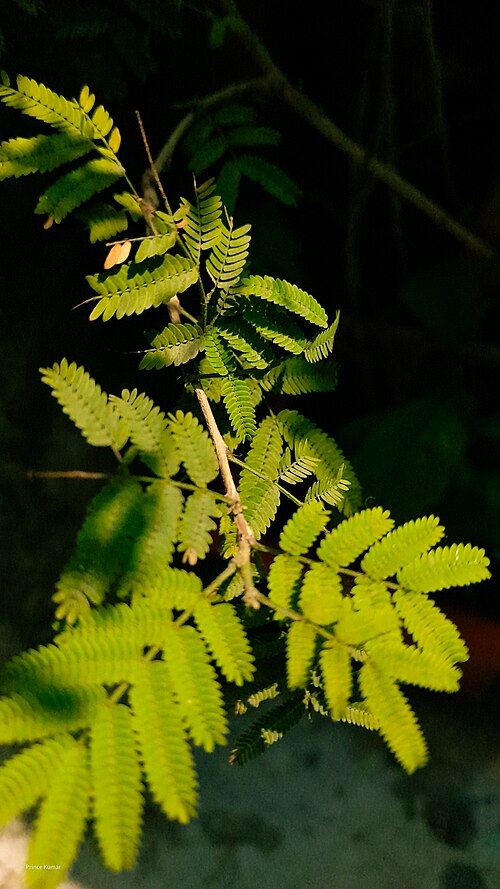
Photo: HEadlot7, CC BY 4.0, from Wikimedia Commons 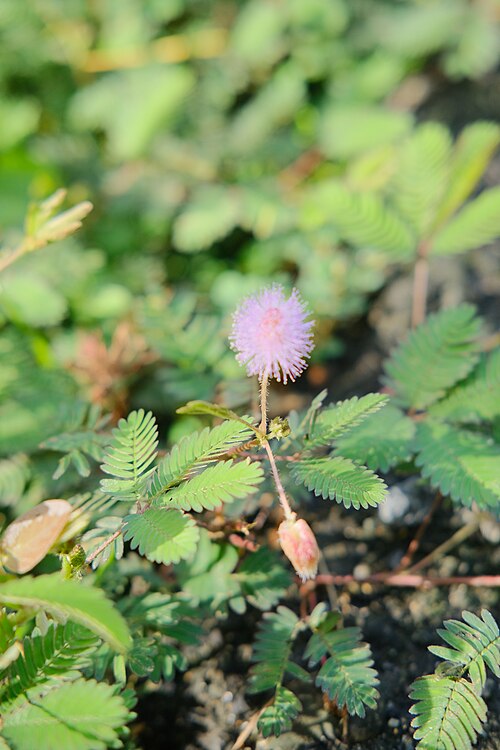
Photo: Ayuwadala, CC BY 4.0, from Wikimedia Commons
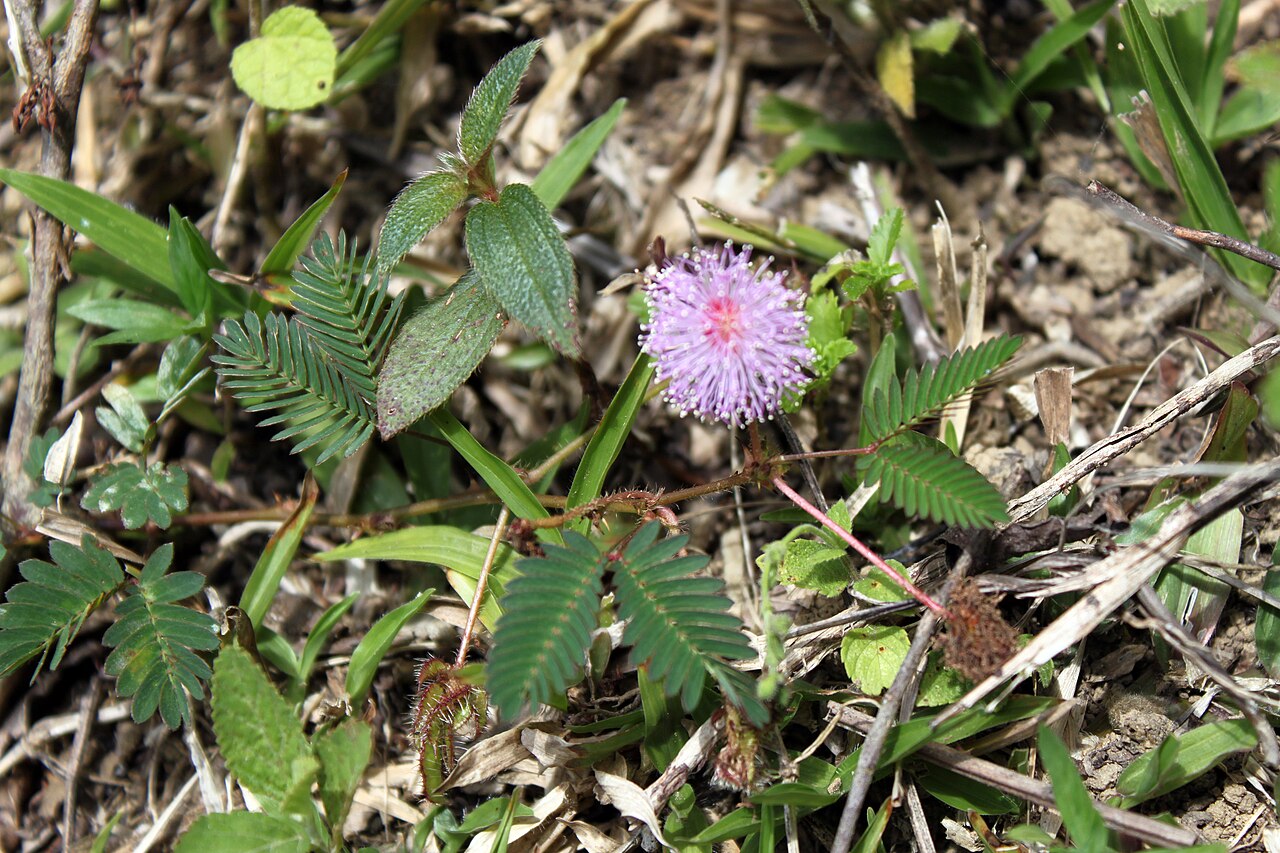
More in Mimosa
- JuremaMimosa tenuifloraFabaceae
- Mimosa pigraFabaceae
- Mimosa scabrellaFabaceae
- Catclaw mimosaMimosa aculeaticarpaFabaceae
- Fragrant mimosaMimosa borealisFabaceae
- Mimosa caesalpiniifoliaFabaceae
- Mimosa verrucosaFabaceae
- Mimosa bahamensisFabaceae
- Mimosa invisaFabaceae
- Mimosa polycarpaFabaceae
- Himalayan mimosaMimosa rubicaulisFabaceae
- Mimosa andinaFabaceae
Sources: classification, synonyms from World Flora Online Plant List (2026-06, CC0 1.0); common names, popularity from Wikidata (2026-10-26, CC0 1.0); common names, US characteristics from USDA PLANTS Database (2025-05-29, CC0 1.0). About our plant data.