
Caprifoliaceae
European honeysuckle
Lonicera periclymenum
- Family
- Caprifoliaceae
- Genus
- Lonicera
Pets and kids
- CatsNot sure
- DogsNot sure
- KidsMildly toxic
Why
Cats: Not sure
We found no reliable source on this plant for cats, so we don't call it safe. Keep it out of reach until you have checked with your vet.
Dogs: Not sure
We found no reliable source on this plant for dogs, so we don't call it safe. Keep it out of reach until you have checked with your vet.
Kids: Mildly toxic
Mildly toxic to young children.
Signs: nausea, vomiting, diarrhea, abdominal pain.
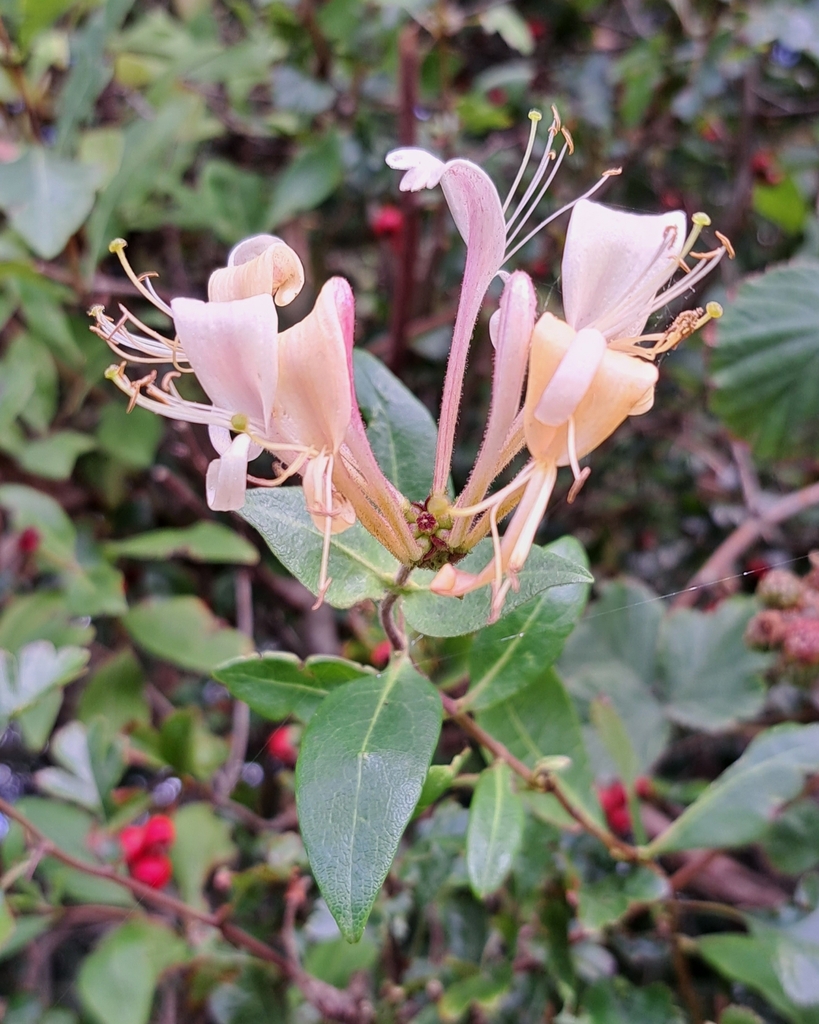
Is yours looking unwell? Scan your plant — free
Is European honeysuckle safe for cats, dogs and kids?
Is European honeysuckle safe for cats?
We found no reliable source on this plant for cats, so we don't call it safe. Keep it out of reach until you have checked with your vet.
Is European honeysuckle safe for dogs?
We found no reliable source on this plant for dogs, so we don't call it safe. Keep it out of reach until you have checked with your vet.
Is European honeysuckle safe for kids?
No. Our sources call European honeysuckle mildly toxic to young children. Signs: nausea, vomiting, diarrhea, abdominal pain.
Ate some? Call your vet or the ASPCA Animal Poison Control Center at (888) 426-4435 (a fee may apply). For a child, call Poison Help at 1-800-222-1222 (US). If they are struggling to breathe or collapse, call 911. Don't give anything by mouth unless a vet or poison expert tells you to.
See all cat-safe plants, dog-safe plants and child-safe plants.
Common names
By language (34)
- Albanian
- Lulekace
- Arabic
- عسلة أوروبية, صَريمة الجَدْى
- arz
- عسله اوروبيه
- Asturian
- Baldeba, Baldiéganu, Cuernacabra, Escuernacabra, Escuernacabres, Hedrera, Madreselva, Manina de Dios
- Belarusian
- Бружмель павойны
- Catalan
- Xuclamel comú
- Chinese
- 香忍冬
- Croatian
- Šumska kozja krv
- Czech
- Zimolez ovíjivý, Zimolez lesní, Zimolez německý
- Danish
- Almindelig Gedeblad, Almindelig Kaprifolie, Vedvindel, Vild Kaprifolie
- Dutch
- Wilde kamperfoelie
- English
- European honeysuckle, Common honeysuckle, Honeysuckle, Woodbine
- Esperanto
- Eŭropa lonicero
- Estonian
- Väänduv kuslapuu
- Finnish
- Ruotsinköynnöskuusama
- French
- Chèvrefeuille des bois, Chevrefeuille des bois
- Galician
- Herba salgueira
- German
- Waldgeissblatt, Waldgeißblatt, Deutsches Geißblatt, Deutsches Geissblatt, Wald-Geissblatt, Wald-Geißblatt, Wald-Heckenkirsche, Wildes Geissblatt
- grc
- Περικλύμενον, Κισσόφυλλον, Κλύμενον, Κυκλάμινος ἑτέρα
- hsb
- Lěsny kozylist
- Hungarian
- Búbos lonc
- Icelandic
- Skógartoppur
- Japanese
- ニオイニンドウ
- Lithuanian
- Vijoklinis sausmedis
- Norwegian Bokmål
- Vivendel
- Norwegian Nynorsk
- Vivendel, Lonisera periclymenum
- Polish
- Wiciokrzew pomorski, Suchokrzew pomorski
- Portuguese
- Madressilva
- Russian
- Жимолость вьющаяся
- Slovak
- Zemolez ovíjavý
- Spanish
- Belortera, Belortu, Hierba enredadera, Madre de selva, Madreselva vulgar, Manines de Dios, Mariselda, Matrisilva
- Swedish
- Vildkaprifol, Höstkaprifol, Vrevrång
- Turkish
- Hanimeli
- Welsh
- Gwyddfid
Synonyms
- Caprifolium distinctum Moench
- Caprifolium germanicum Roehl.
- Caprifolium periclymenum Delarbre
- Caprifolium quercifolium Meigen
- Caprifolium semperflorens hort. ex Dippel
- Euchylia verticillata Dulac
- Lonicera odora Salisb.
- Lonicera periclymenum f. sublobata A.I.D.Correia
- Lonicera periclymenum var. belgica Aiton
- Lonicera periclymenum var. hirsuta (Rouy) P.D.Sell
- Lonicera periclymenum var. parviflora De Langhe
- Lonicera periclymenum var. quercifolia Aiton
- Lonicera periclymenum var. serotina Aiton
- Lonicera periclymenum var. vulgaris Aiton
- Periclymenum germanicum Mill.
- Periclymenum vulgare Mill.
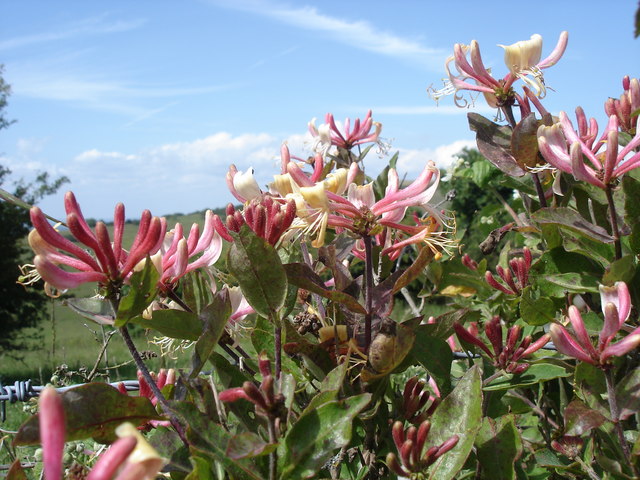
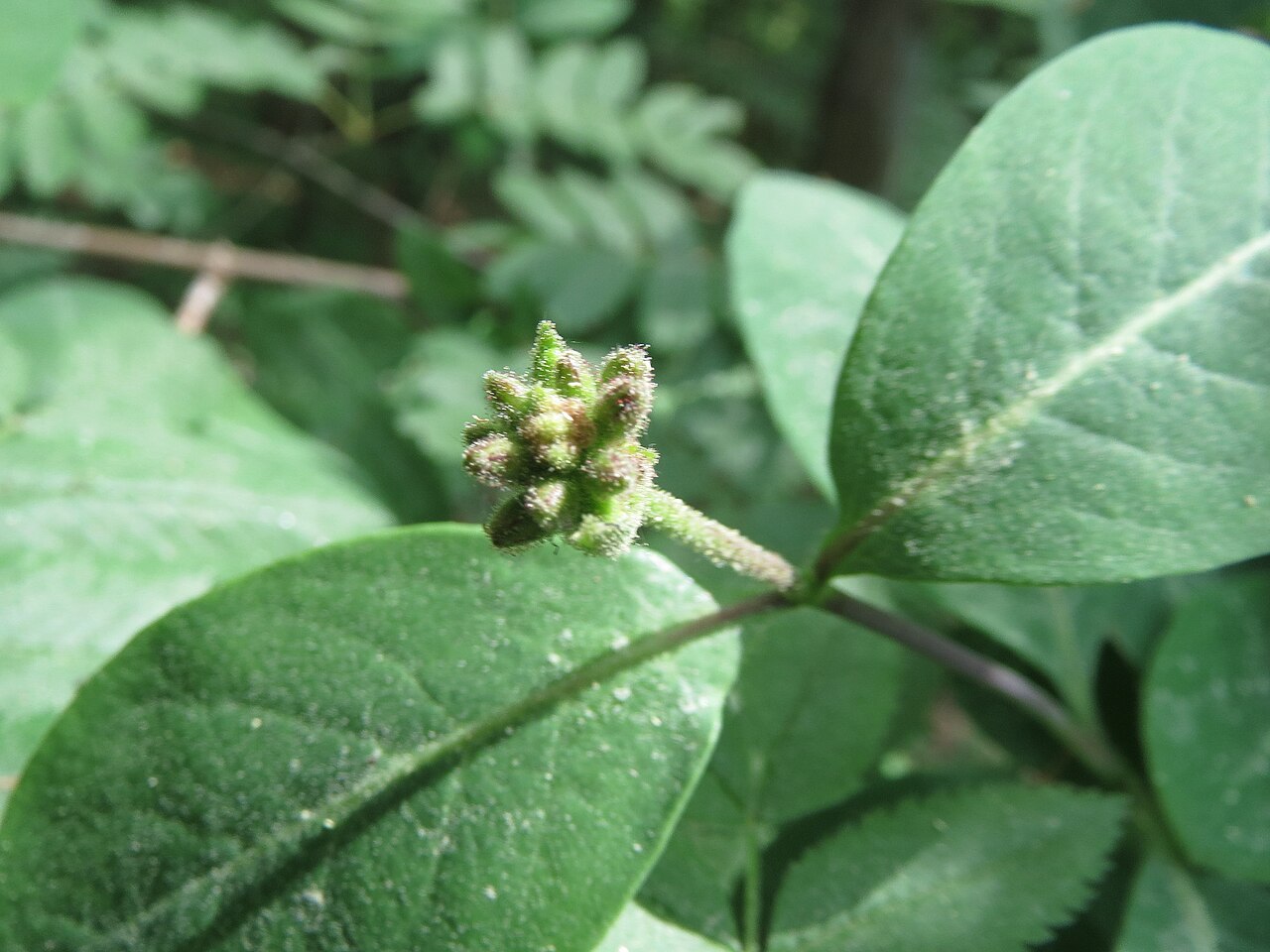
Flowers
- In flower
- May to September (from 866 flowering iNaturalist observations worldwide)
Characteristics
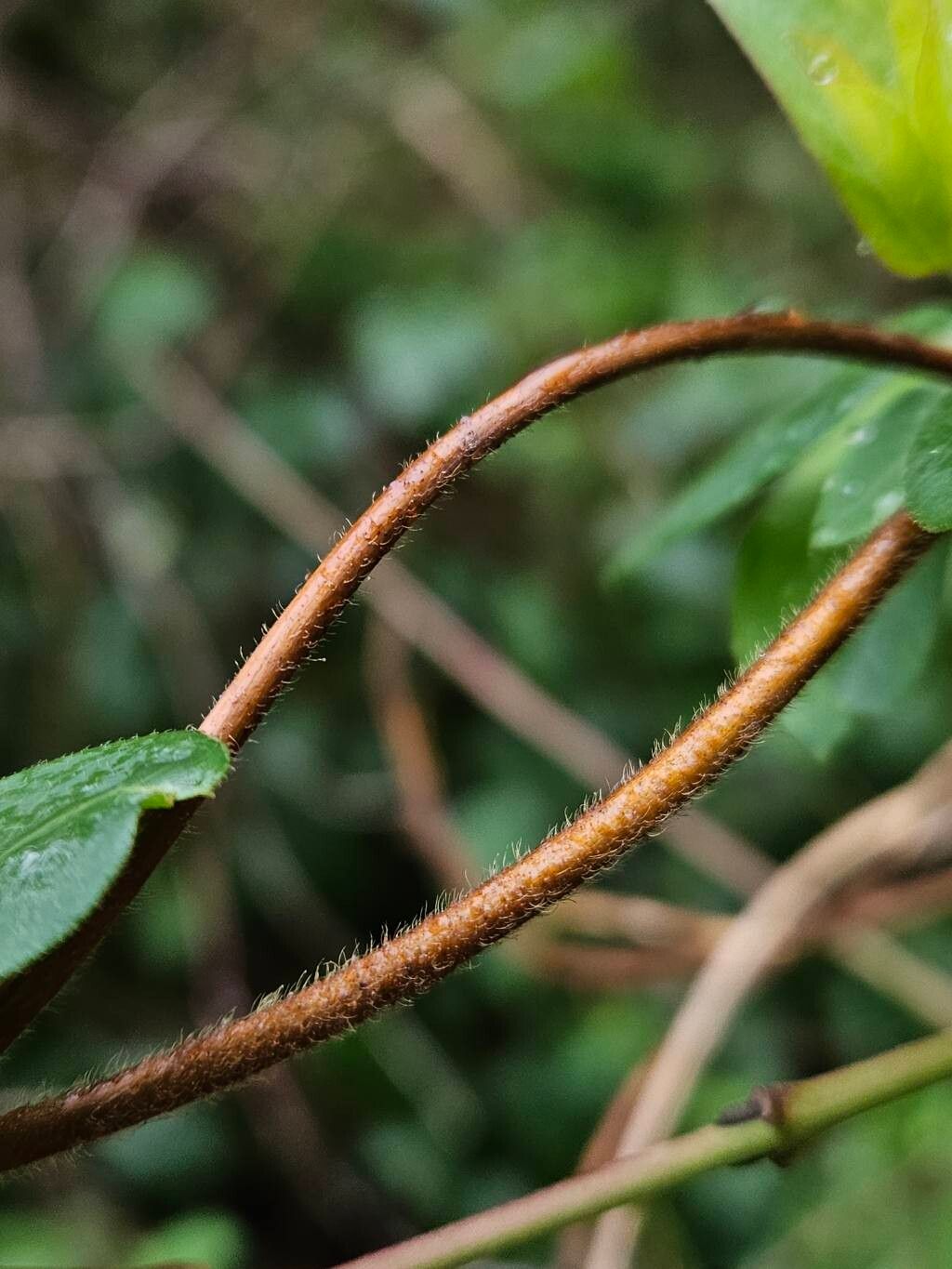
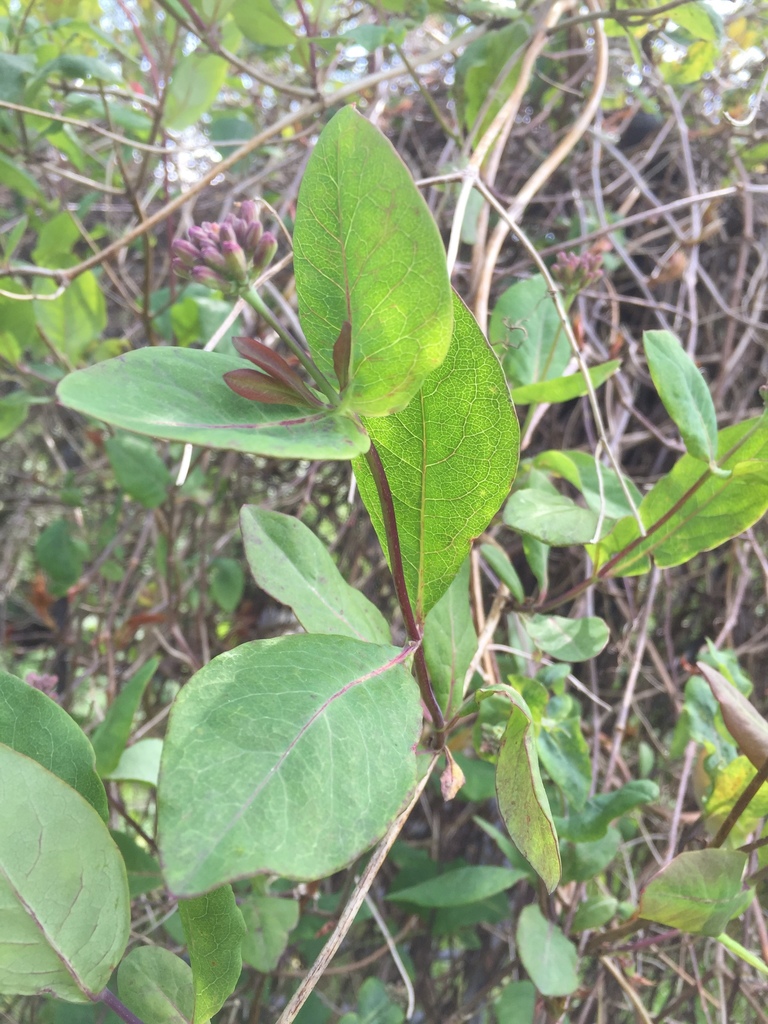
- Growth habit
- Vine
- Lifespan
- Perennial
- In the US and Canada
- Canada: introduced, Lower 48 states: introduced
Photos
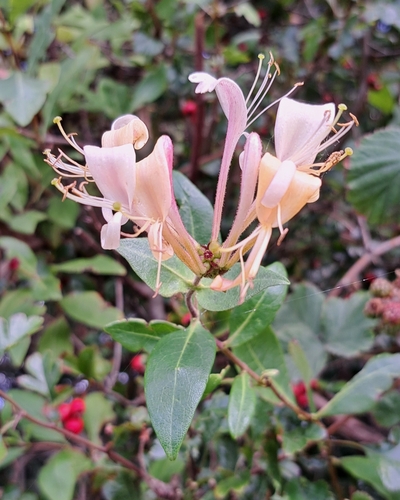
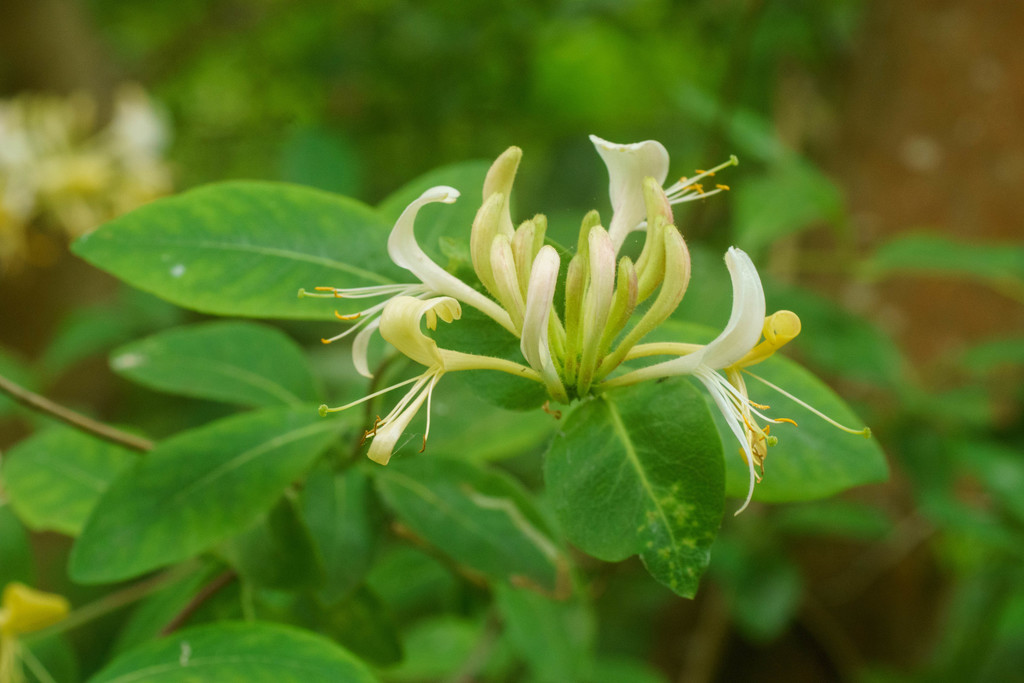
FlowerPhoto: Markus Krieger, CC BY 4.0, from iNaturalist 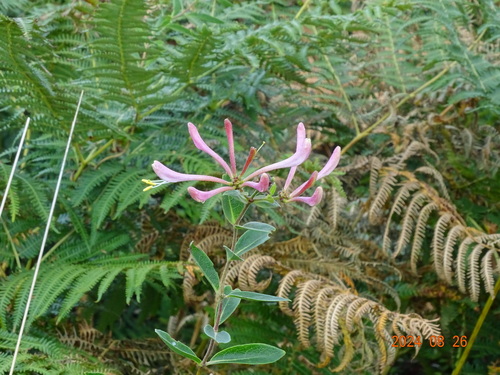
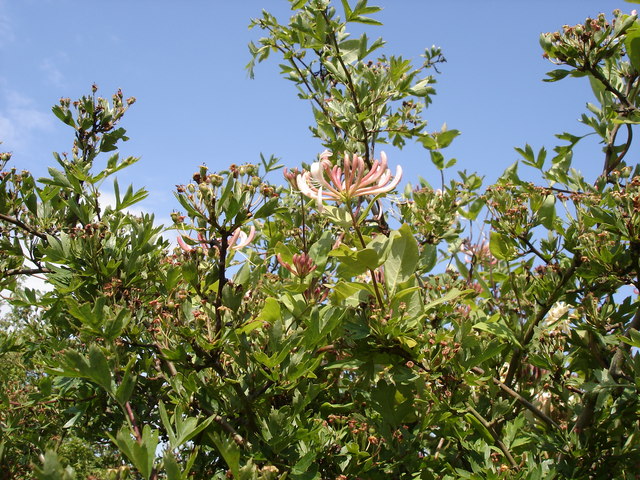
FlowerPhoto: Tim Leilich, CC BY 4.0, from iNaturalist 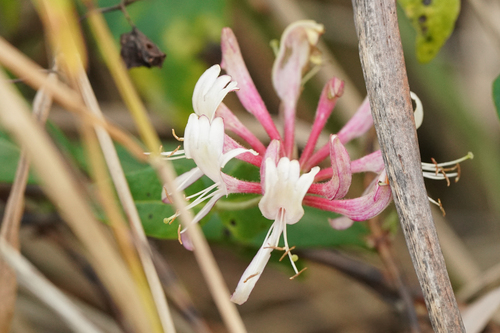
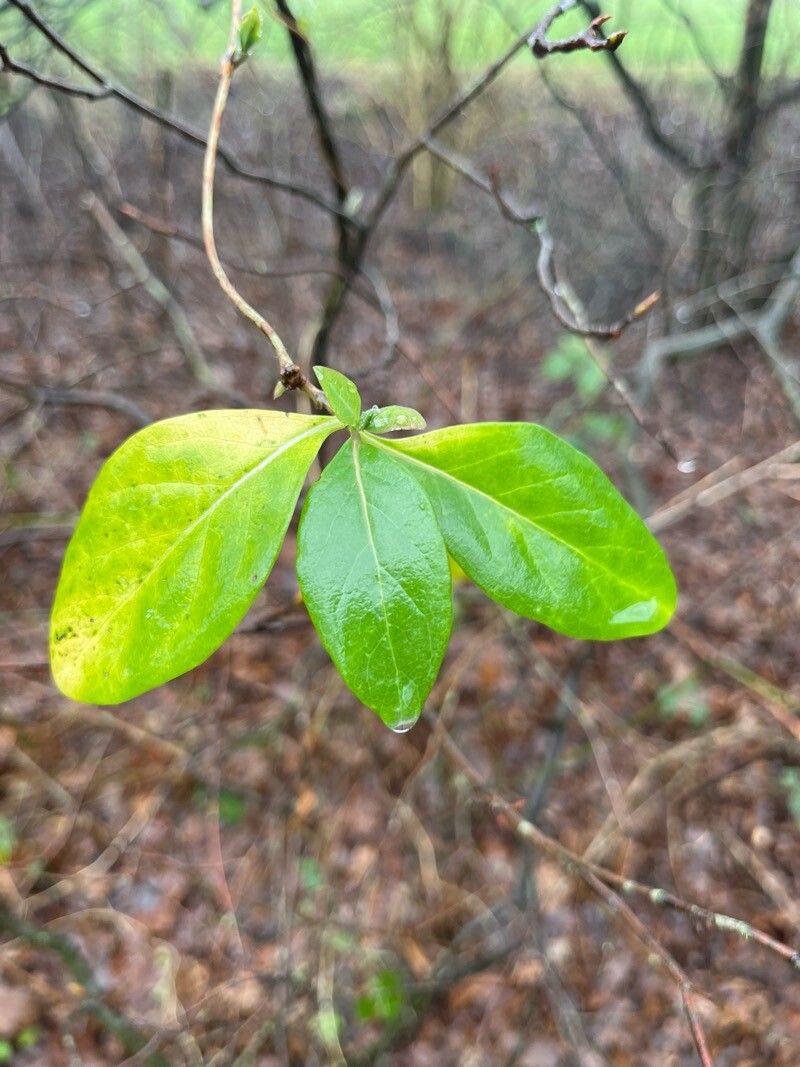
FlowerPhoto: Dr. Sven Gippner, CC BY 4.0, from iNaturalist 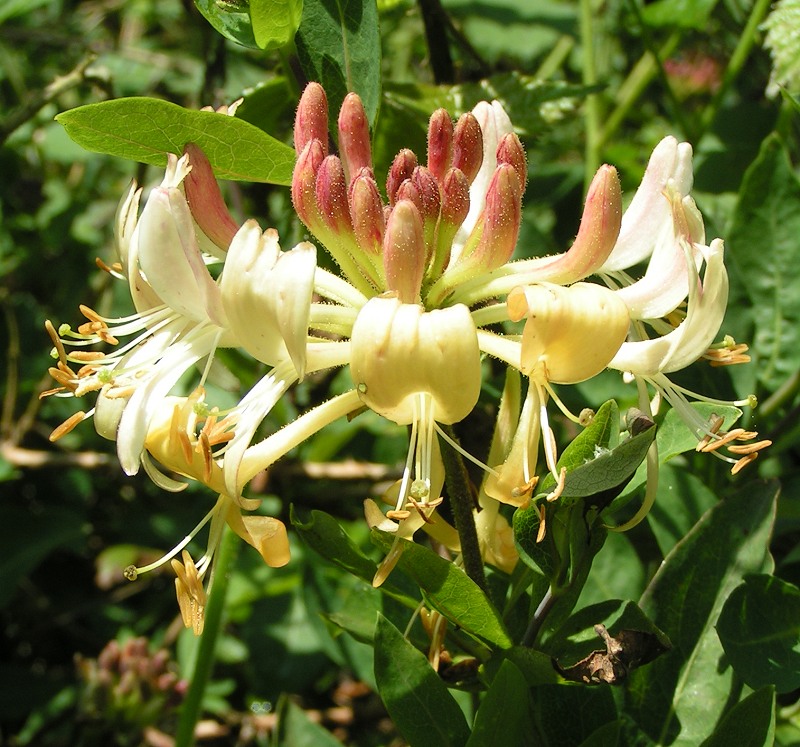
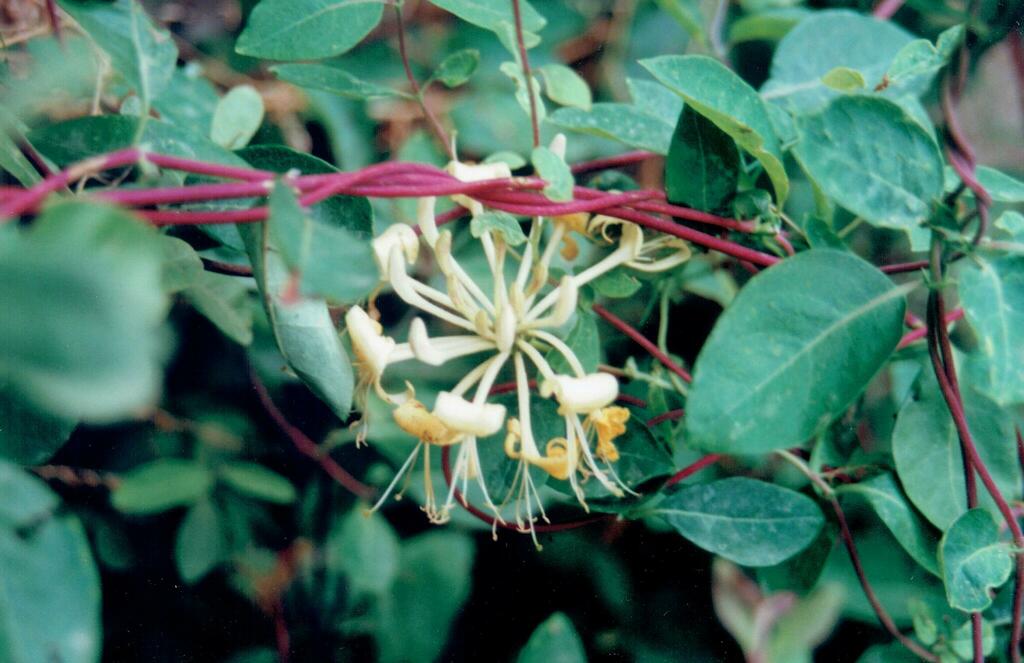
Photo: Wikimedia Commons contributor, CC BY-SA 3.0, from Wikimedia Commons 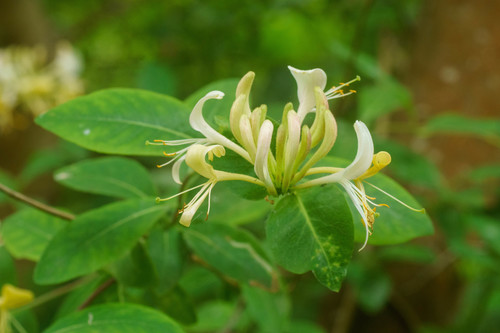
Photo: Derek Winterburn, CC BY 4.0, from iNaturalist 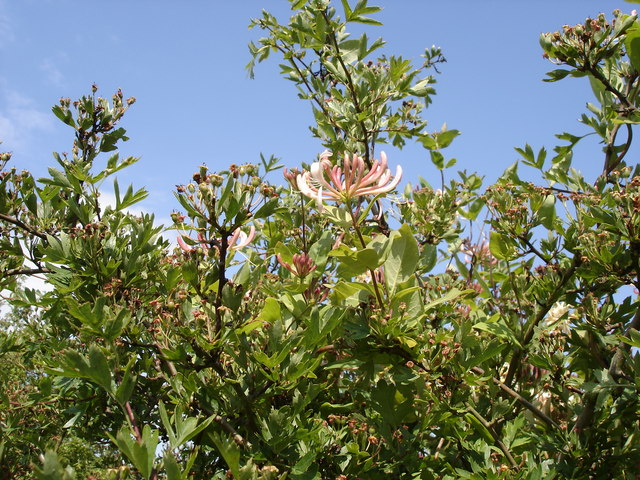
Photo: Ian Cunliffe, CC BY-SA 2.0, from Wikimedia Commons 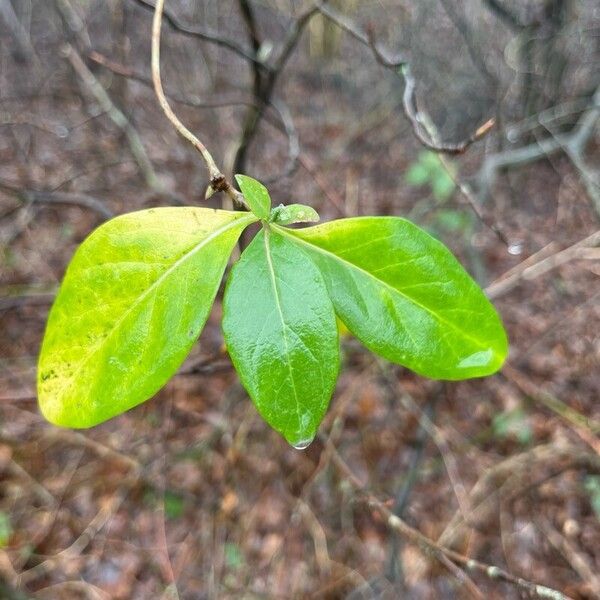
Photo: vanarkel, CC BY-SA 4.0, from Pl@ntNet via GBIF 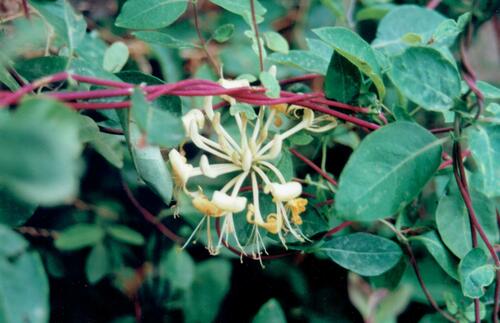
Photo: zebedeugalinha, CC BY 4.0, from iNaturalist 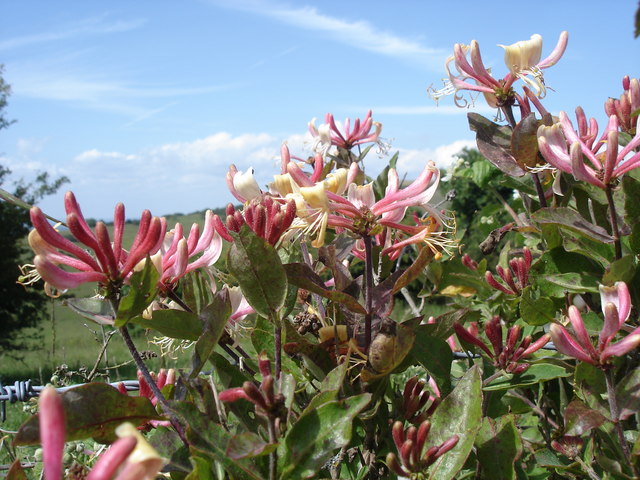
Photo: Ian Cunliffe, CC BY-SA 2.0, from Wikimedia Commons 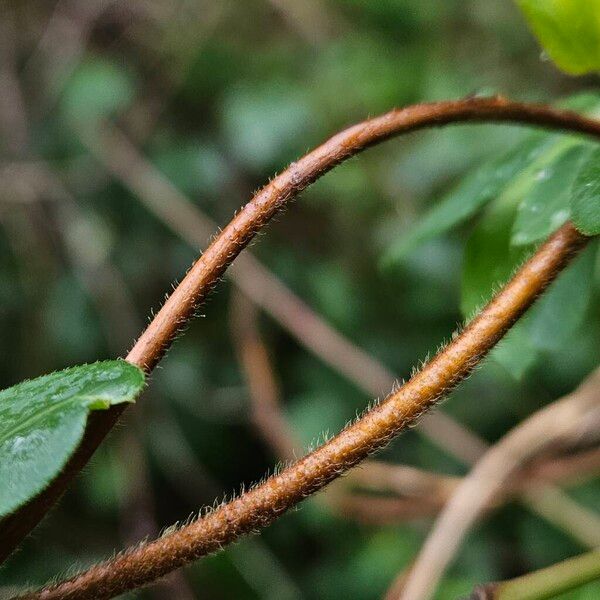
Photo: CawVus, CC BY-SA 4.0, from Pl@ntNet via GBIF 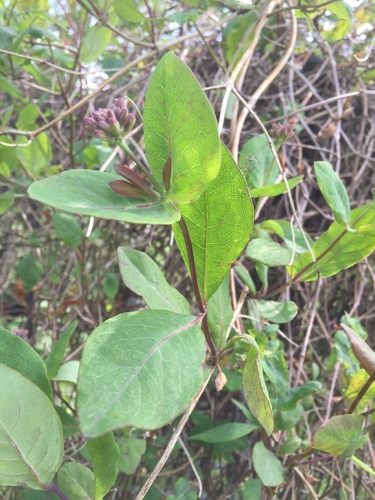
Photo: Peter Eriksen, CC BY 4.0, from iNaturalist 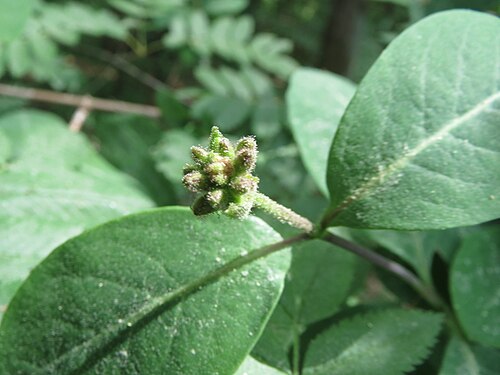
Photo: AnRo0002, CC0, from Wikimedia Commons
More in Lonicera
- Italian woodbineLonicera caprifoliumCaprifoliaceae
- Japanese honeysuckleLonicera japonicaCaprifoliaceae
- Sweetberry honeysuckleLonicera caeruleaCaprifoliaceae
- Dwarf honeysuckleLonicera xylosteumCaprifoliaceae
- Tatarian honeysuckleLonicera tataricaCaprifoliaceae
- Etruscan honeysuckleLonicera etruscaCaprifoliaceae
- Lonicera nigraCaprifoliaceae
- Alpine honeysuckleLonicera alpigenaCaprifoliaceae
- Evergreen honeysuckleLonicera implexaCaprifoliaceae
- Twinberry honeysuckleLonicera involucrataCaprifoliaceae
- Amur honeysuckleLonicera maackiiCaprifoliaceae
- Sweet breath of springLonicera fragrantissimaCaprifoliaceae
Sources: classification, synonyms from World Flora Online Plant List (2026-06, CC0 1.0); common names, popularity from Wikidata (2026-10-26, CC0 1.0); common names, US characteristics from USDA PLANTS Database (2025-05-29, CC0 1.0). About our plant data.