
Papaveraceae
Greater celandine
Chelidonium majus
- Family
- Papaveraceae
- Genus
- Chelidonium
Pets and kids
- CatsNot sure
- DogsNot sure
- KidsToxic
Why
Cats: Not sure
We found no reliable source on this plant for cats, so we don't call it safe. Keep it out of reach until you have checked with your vet.
Dogs: Not sure
We found no reliable source on this plant for dogs, so we don't call it safe. Keep it out of reach until you have checked with your vet.
Kids: Toxic
Toxic to young children (severe). Toxic principle: isoquinoline alkaloids.
Signs: nausea, vomiting, liver failure, skin irritation, eye irritation.
Is yours looking unwell? Scan your plant — free
Is Greater celandine safe for cats, dogs and kids?
Is Greater celandine safe for cats?
We found no reliable source on this plant for cats, so we don't call it safe. Keep it out of reach until you have checked with your vet.
Is Greater celandine safe for dogs?
We found no reliable source on this plant for dogs, so we don't call it safe. Keep it out of reach until you have checked with your vet.
Is Greater celandine safe for kids?
No. Our sources call Greater celandine toxic to young children (severe). Toxic principle: isoquinoline alkaloids. Signs: nausea, vomiting, liver failure, skin irritation, eye irritation.
Ate some? Call your vet or the ASPCA Animal Poison Control Center at (888) 426-4435 (a fee may apply). For a child, call Poison Help at 1-800-222-1222 (US). If they are struggling to breathe or collapse, call 911. Don't give anything by mouth unless a vet or poison expert tells you to.
See all cat-safe plants, dog-safe plants and child-safe plants.
Common names
By language (63)
- Albanian
- Latrapeci
- Arabic
- عروق الصباغين, العروق الصفر, بقلة الخطاطيف, شجرة الخطاطيف, عروق صفر, ممران, مِمِران
- Armenian
- Կանթեղախոտ
- arz
- عروق الصباغين
- Asturian
- Cirigüeña
- Azerbaijani
- Böyük dəmrovotu
- ba
- Сөйәл үләне
- Basque
- Zaran-belar, Enara-belar
- Belarusian
- Падтыннік вялікі, Бародаўнік, Жоўты малачай, Цындалей, Цэнцылія, Чортава серабро, Чыстацел
- Breton
- Louzaouenn-ar-plac'h-koant
- Bulgarian
- Змийско мляко
- Catalan
- Herba d'orenetes, Berruguera, Celidònia, Grande chélidoine, Herba berruguera
- Chinese
- 白屈莱, 白屈莱属, 白屈菜, 白屈萊屬, 八步紧, 土黄连, 小人血七, 小野人血草
- Croatian
- Rosopas
- Czech
- Vlaštovičník větší, Vlaštovičník
- Danish
- Svaleurt
- Dutch
- Stinkende gouwe
- English
- Greater celandine, Celandine, Nipplewort, Swallowwort, Tetterwort
- Esperanto
- Kelidonio, Verukherbo
- Estonian
- Harilik vereurmarohi, Vereurmarohi
- Finnish
- Keltamo
- French
- Chelidoine, Chélidoine, Grande chélidoine, Herbe aux verrues, Herbe à verrues, Kélidoine, Quélidoine, Verrucaire
- frp
- Felogne
- Galician
- Celidonia, Ceruda, Ciridonia, Ciridoña, Herba andoriña, Herba da andoriña, Herba das andoriñas, Herba das espullas
- Georgian
- Ქრისტესისხლა
- German
- Schöllkraut, Grande chélidoine, Schellkraut
- Greek
- Χελιδόνιον, Chelidonium, Δοντόχορτο, Χελιδονόχορτο, Χελιδόνιον το μέγα
- hsb
- Krawnik
- Hungarian
- Vérehulló fecskefű
- Irish
- Garra bhuí
- Italian
- Celidonia
- Japanese
- クサノオウ, グレーターセランディン, 草の黄
- Kazakh
- Үлкен сүйелшөп
- Korean
- 애기똥풀, 애기똥풀속, 젖풀
- kw
- Gwenolles
- lah
- چیلیڈونیم
- Latvian
- Lielā strutene, Kārpu zāle, Vandulis
- li
- Zwalgekroed
- Lithuanian
- Didžioji ugniažolė, Grande chélidoine
- Macedonian
- Руса трева
- mrj
- Цӱцӱшуды
- mwl
- Ciruda, Cirudonha, Çfolha-manos
- Norwegian Bokmål
- Svaleurt
- Norwegian Nynorsk
- Svaleurt
- olo
- Suuripuhtasrungu
- os
- Чъехаг сырхыхос
- Persian
- مامیران بزرگ
- Polish
- Glistnik jaskółcze ziele, Glistnik, Glistnik jaskółczy
- Portuguese
- Ceruda, Celidónia, Erva-andorinha, Erva-das-feridas, Erva-das-verrugas, Quelidónia, Quelidónia-maior, Seruda
- Romanian
- Rostopască, Rostopasca
- Russian
- Чистотел большой, Бородавочник, Желтомолочник, Подтынник
- sah
- Хараҥаччы ото
- sco
- Chelidonium
- Serbian
- Руса, Rusa, Росопас
- Serbian (Latin)
- Rusa, Lastavičina suza, Lastina trava, Lišavica, Rosopas, Zmijino mleko, Zmijino mlijeko
- Slovak
- Lastovičník väčší
- Slovenian
- Krvavi mlečnik
- Spanish
- Celidonia mayor, Cedueña, Celdueña, Celedonia, Celedonio, Celidonia, Celidoña, Celiduena
- Swedish
- Skelört, Grande chélidoine
- Turkish
- Kırlangıç otu, Temre otu
- Ukrainian
- Чистотіл звичайний, Чистотіл, Чистотіл великий
- Uzbek
- Qonchoʻp
- Welsh
- Llysiau‘r wennol, Llym y llygad, Llysiau`r wennol
Flowers
- In flower
- April to June (from 10,416 flowering iNaturalist observations worldwide)
Characteristics
- Growth habit
- Forb/herb
- Lifespan
- Biennial
- In the US and Canada
- Canada: introduced, Lower 48 states: introduced
Photos
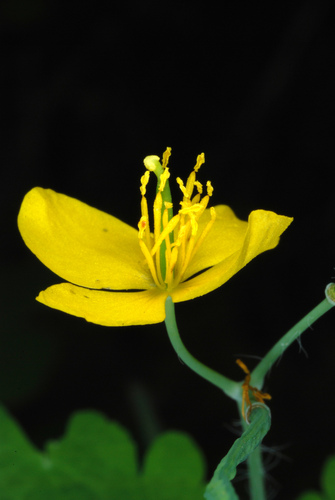
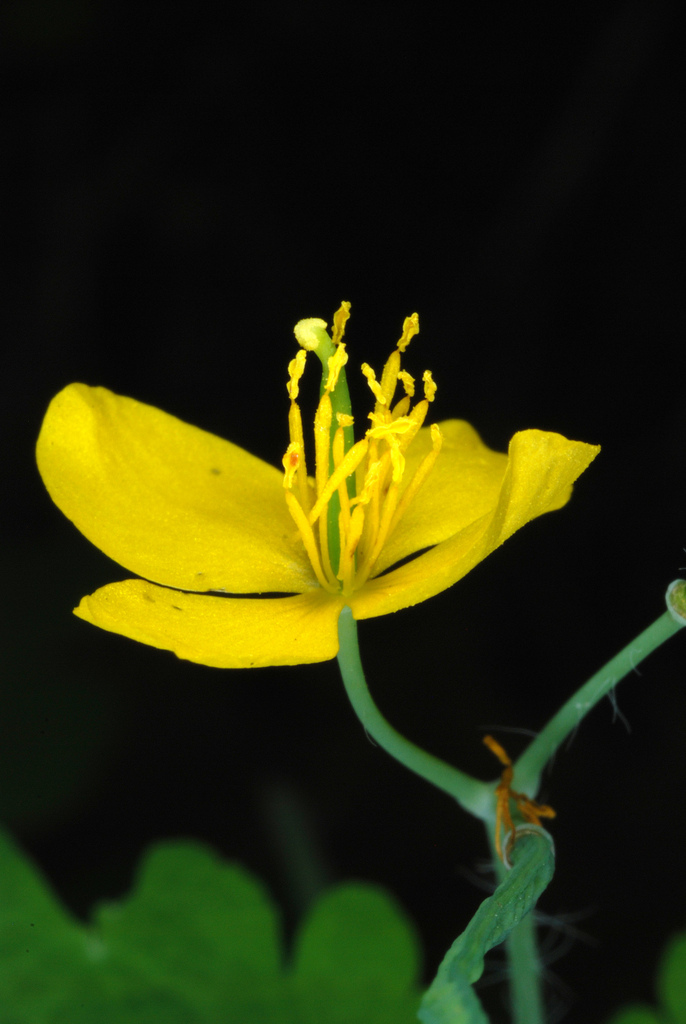
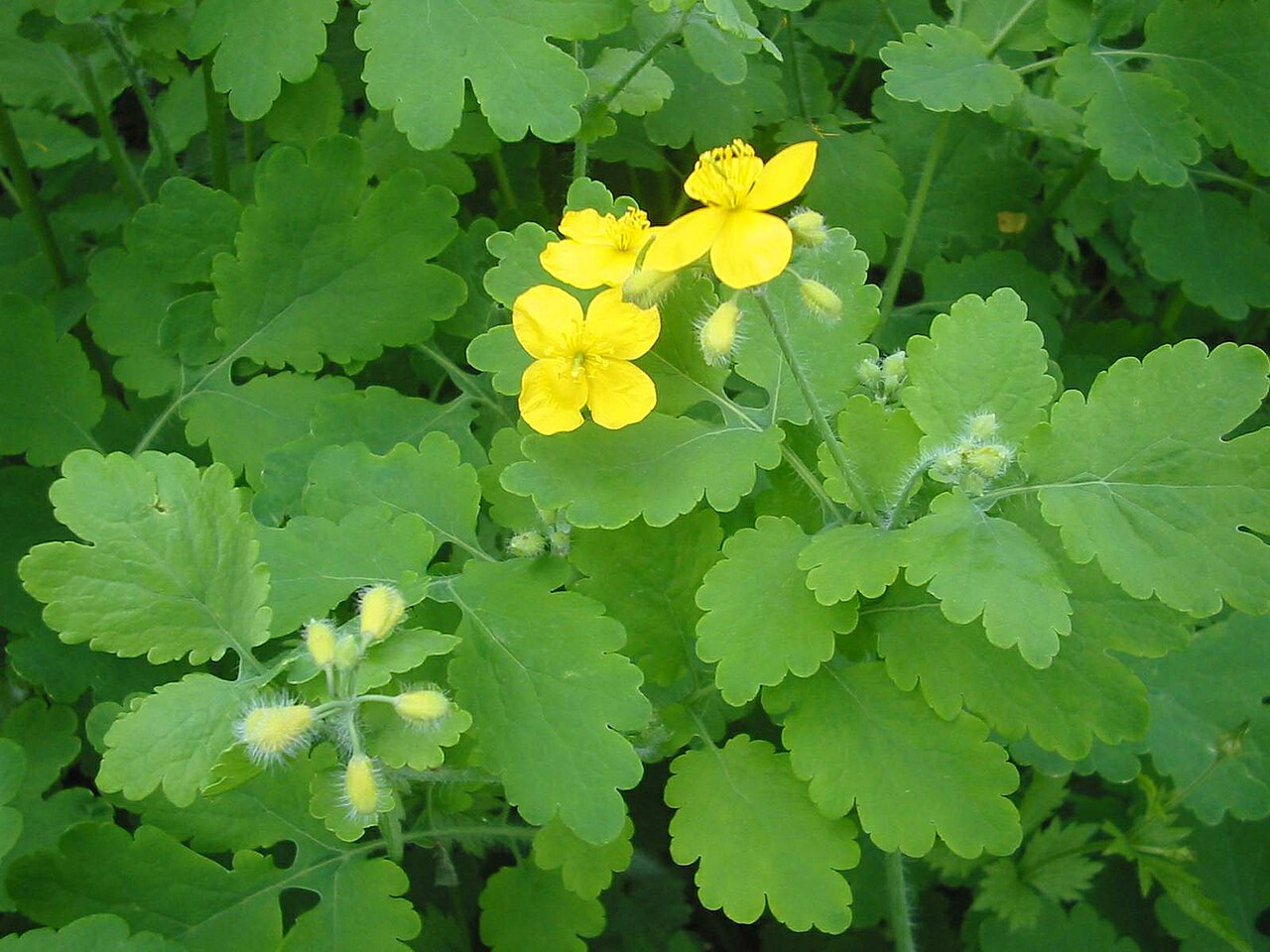
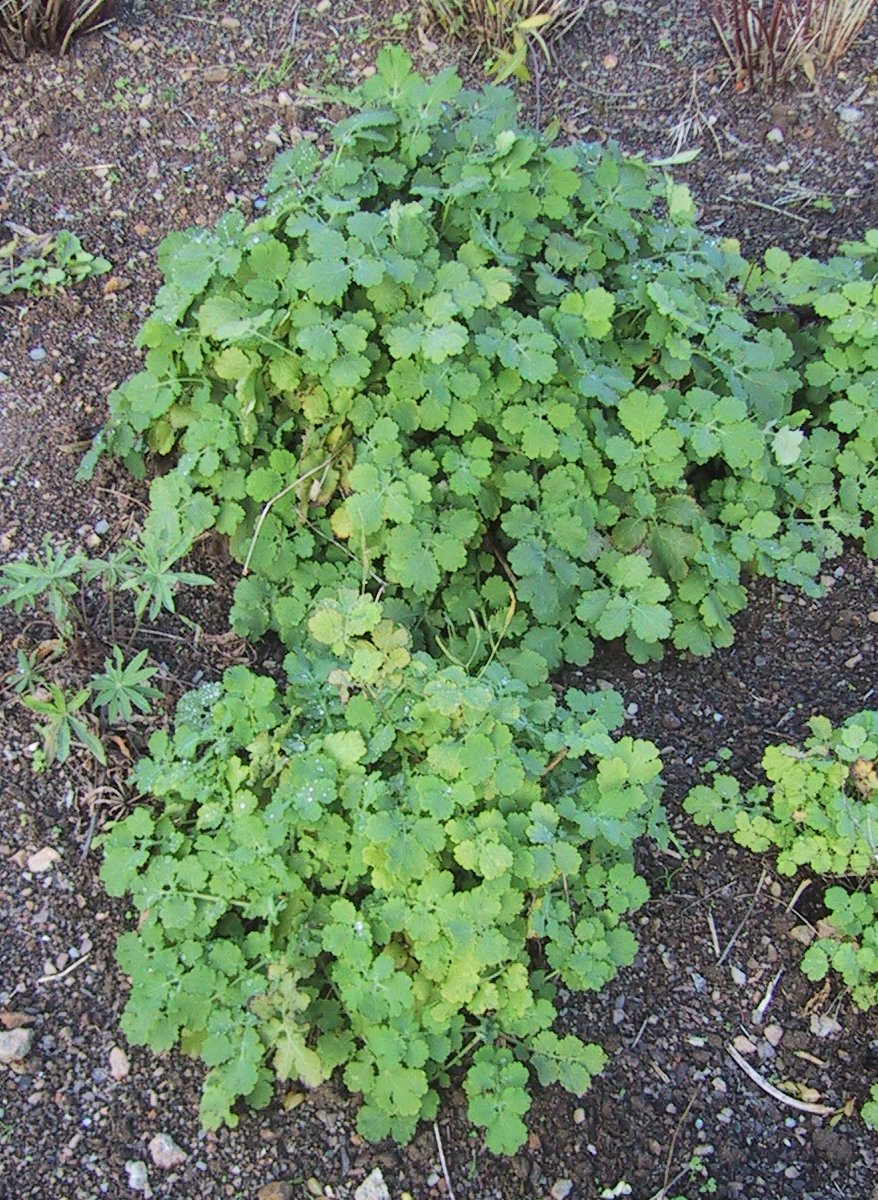
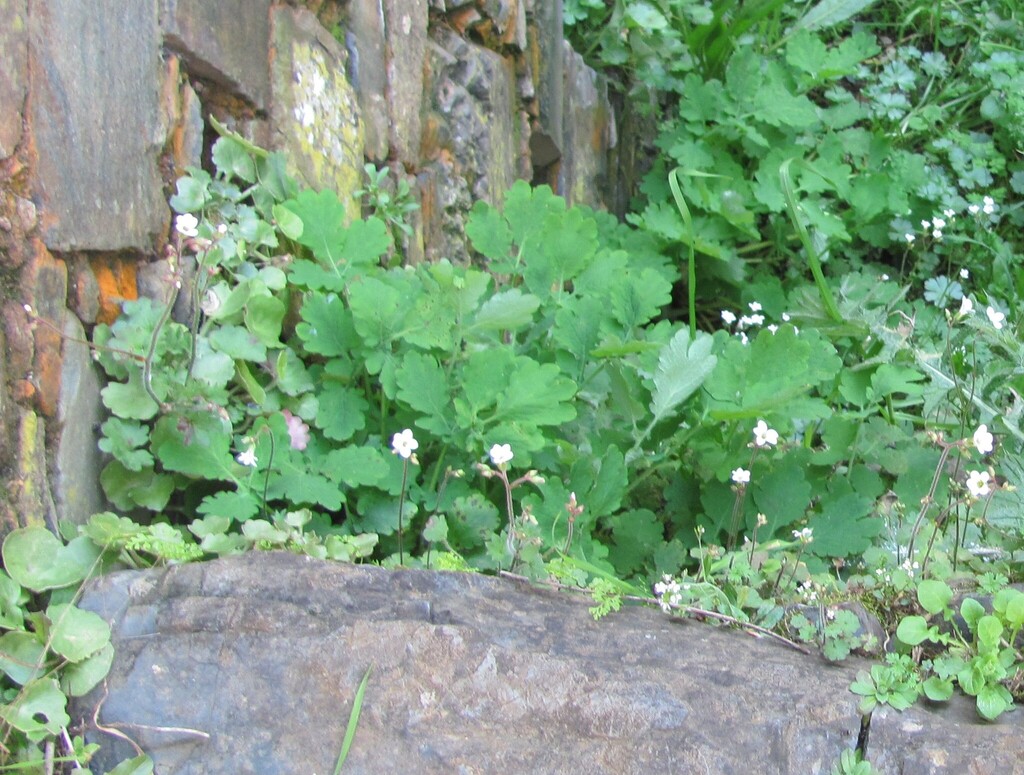
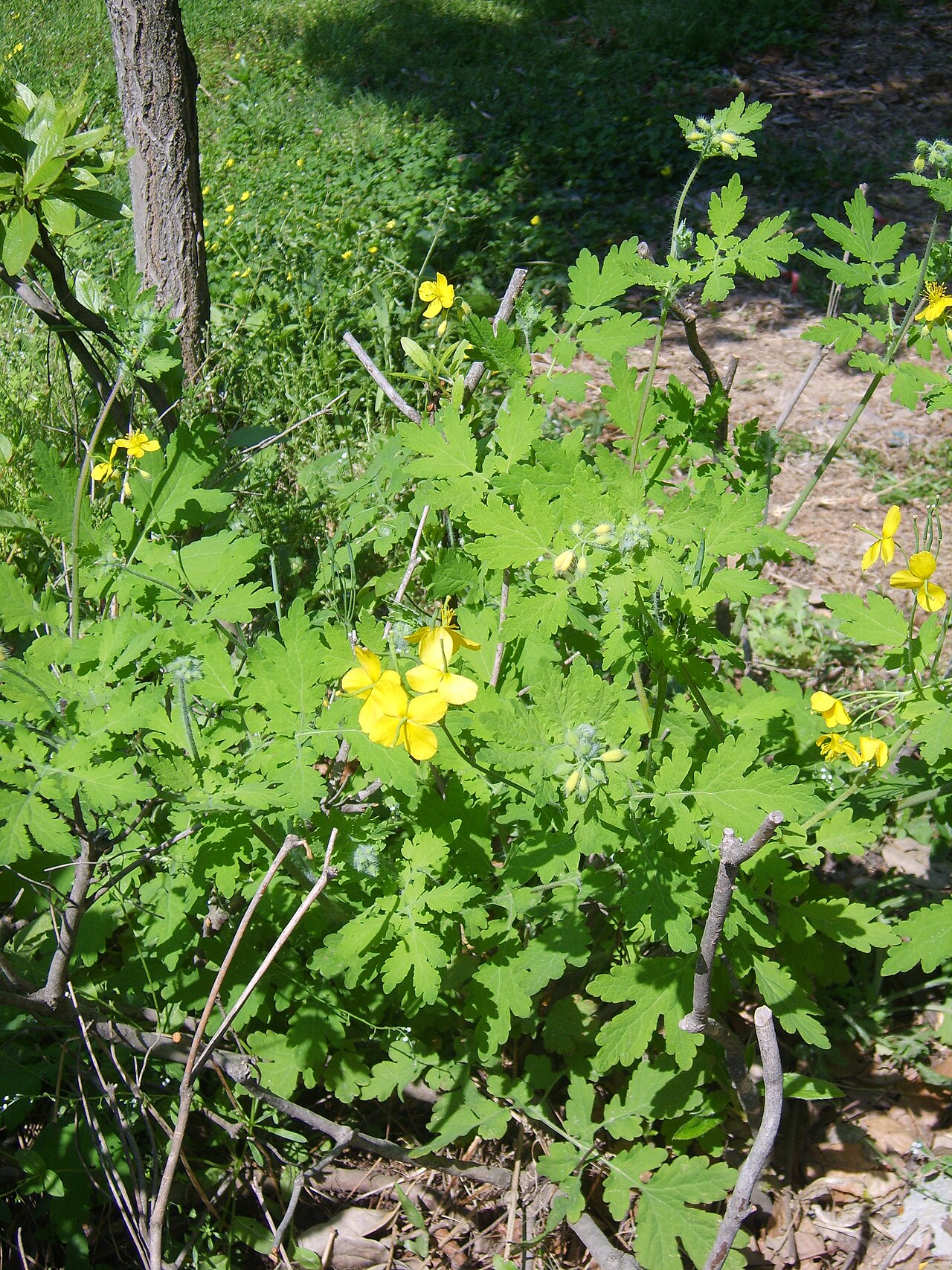
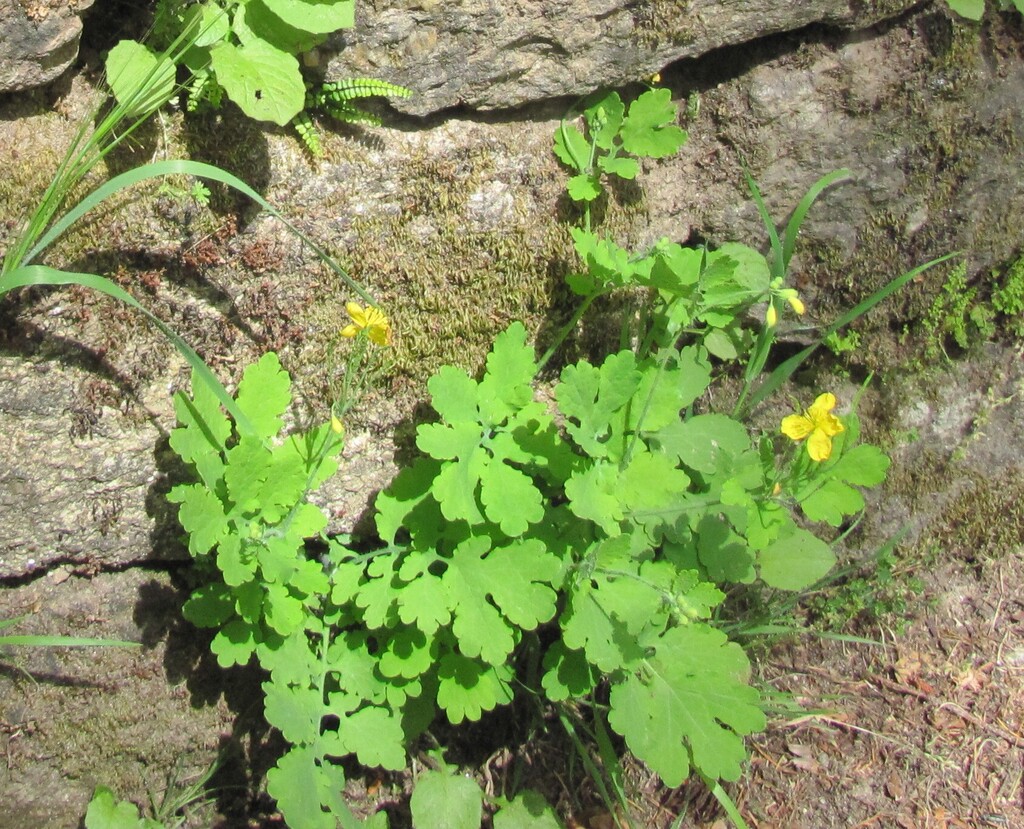
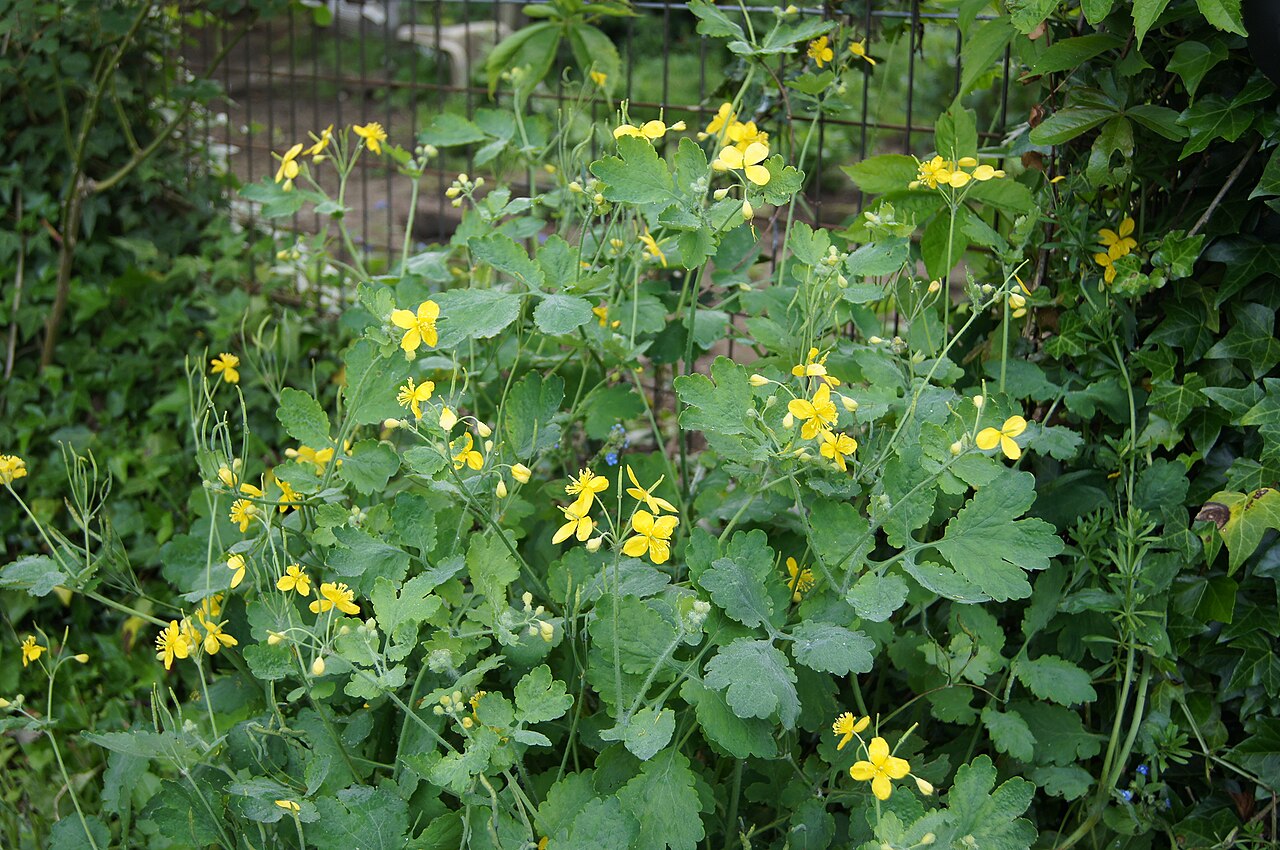
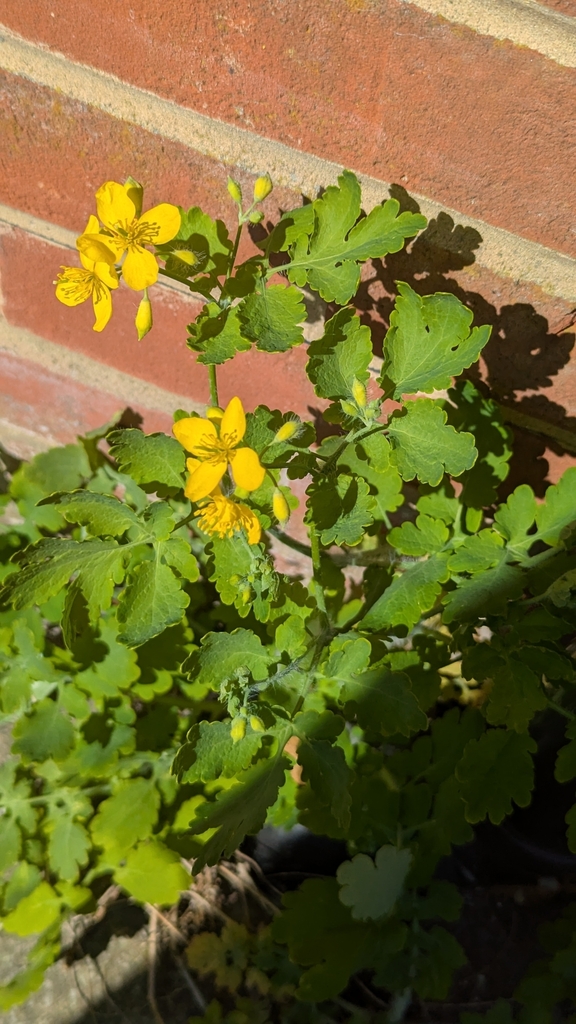
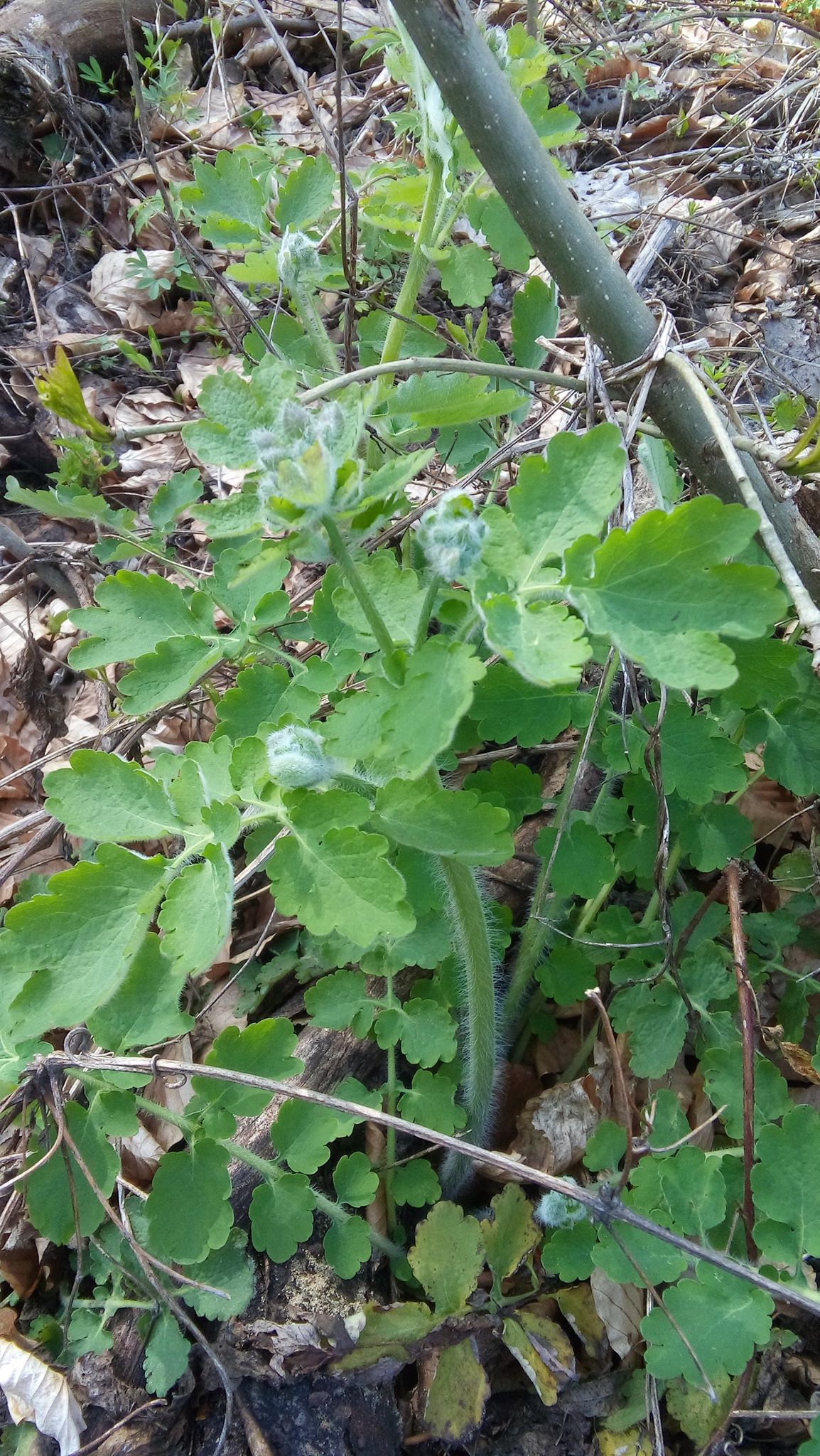
FlowerPhoto: Douglas Goldman, CC BY-SA 4.0, from iNaturalist 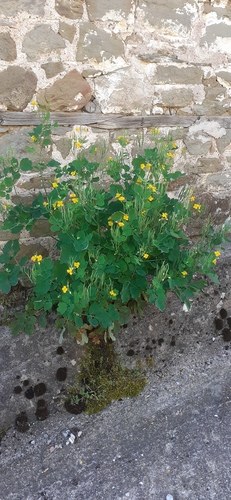
FlowerPhoto: Sarah Faulwetter, CC BY 4.0, from iNaturalist 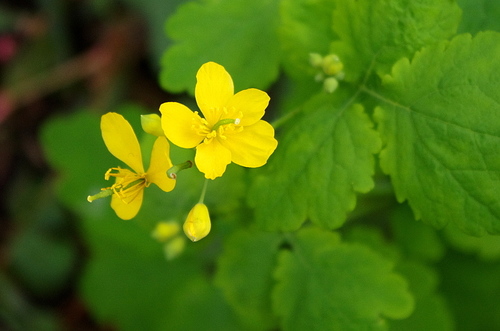
FlowerPhoto: Георгий Виноградов (Georgy Vinogradov), CC BY 4.0, from iNaturalist 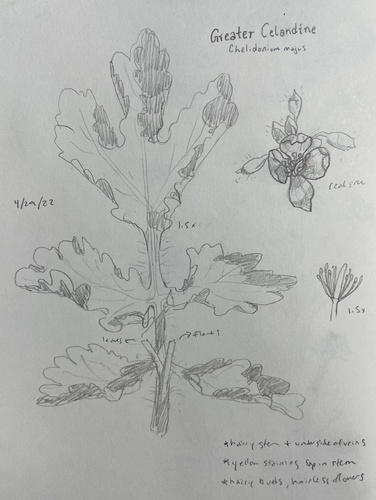
FlowerPhoto: Leah Fulton, CC0, from iNaturalist 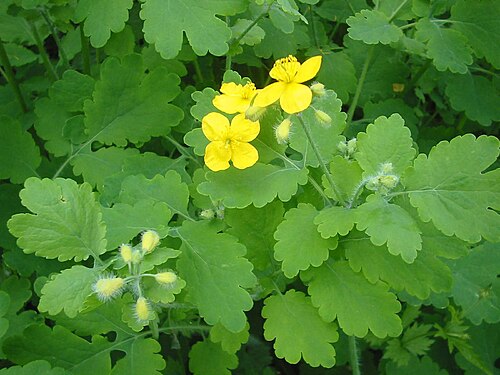
Photo: Wikimedia Commons contributor, CC BY-SA 3.0, from Wikimedia Commons 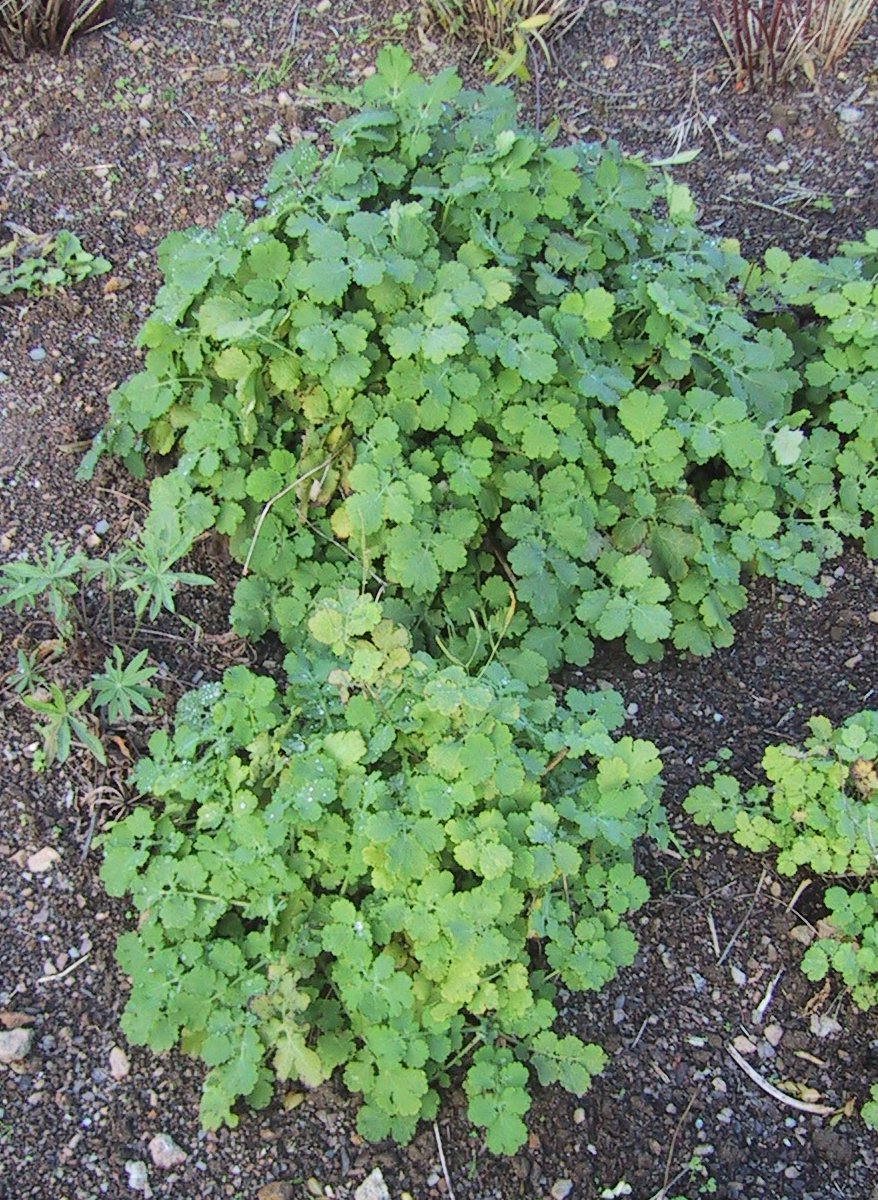
Photo: Wikimedia Commons contributor, CC BY-SA 3.0, from Wikimedia Commons 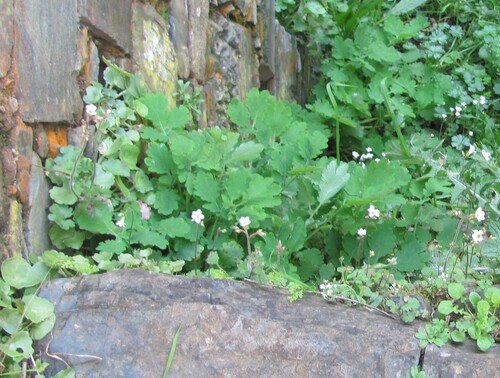
Photo: zebedeugalinha, CC BY 4.0, from iNaturalist 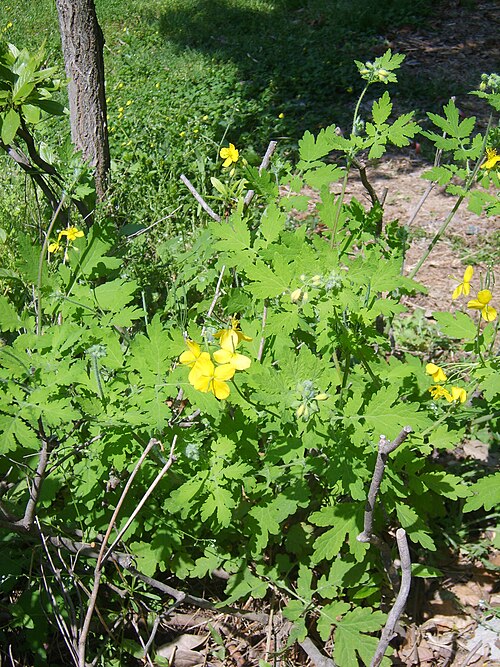
Photo: Dalgial, CC BY-SA 3.0, from Wikimedia Commons 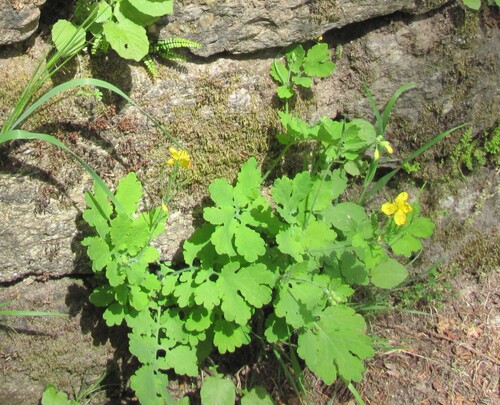
Photo: zebedeugalinha, CC BY 4.0, from iNaturalist 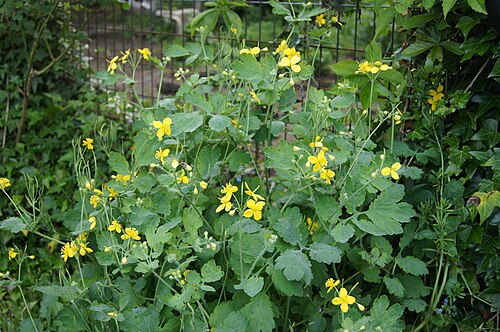
Photo: Aurora Puentes Graña, CC BY-SA 3.0, from Wikimedia Commons 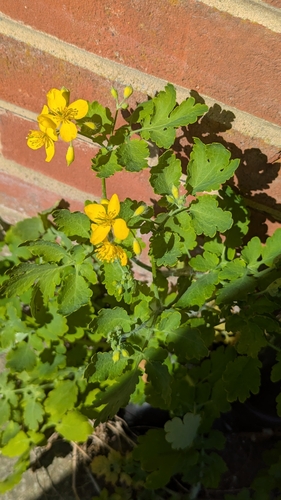
Photo: Piermario Maculan, CC0, from iNaturalist 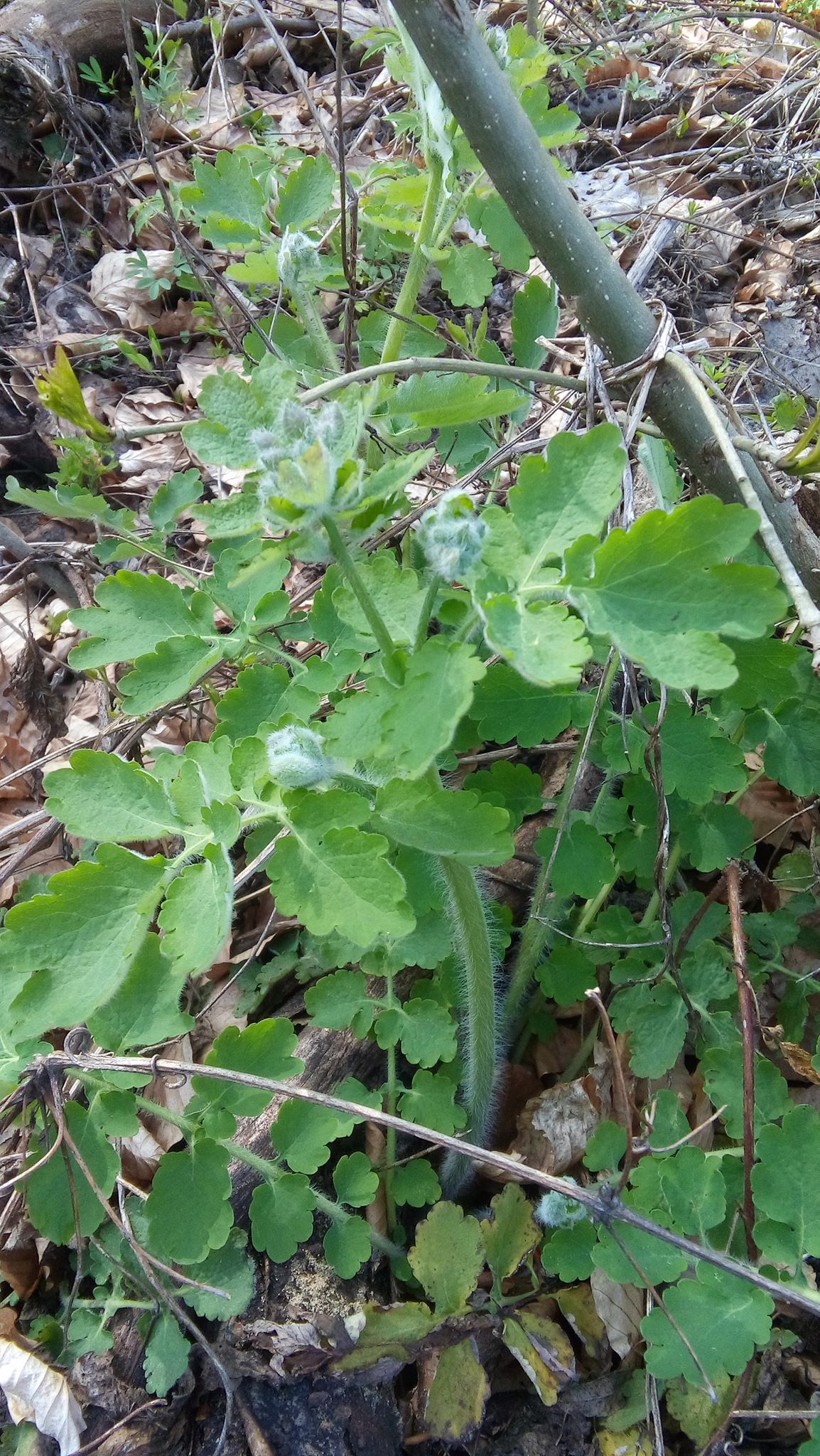
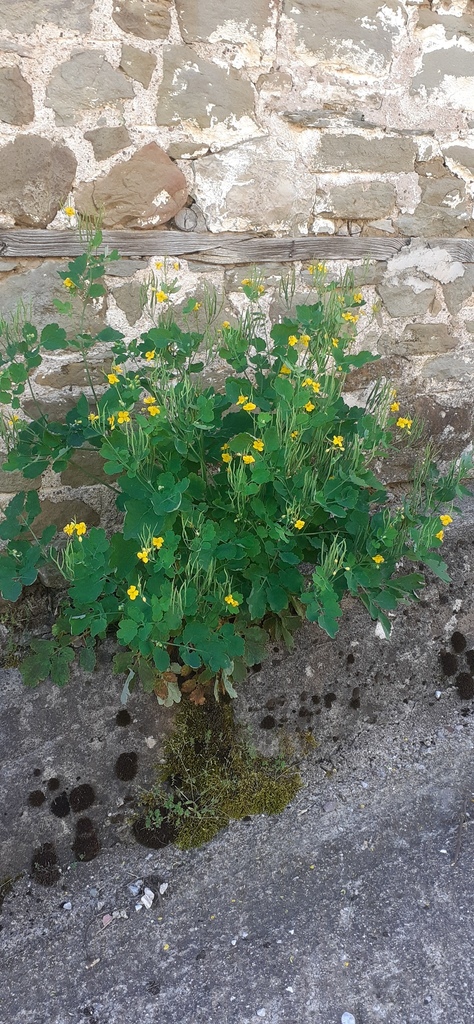
Photo: Milimidragan 92, CC BY-SA 4.0, from Wikimedia Commons
More in Chelidonium
Sources: classification from World Flora Online Plant List (2026-06, CC0 1.0); common names, popularity from Wikidata (2026-10-26, CC0 1.0); common names, US characteristics from USDA PLANTS Database (2025-05-29, CC0 1.0). About our plant data.