
Fabaceae
Chickpea milkvetch
Astragalus cicer
- Family
- Fabaceae
- Genus
- Astragalus
Pet and kid safety: not checked yet. Check pet-safe plants
Is yours looking unwell? Scan your plant — free
Common names
By language (19)
- Arabic
- حمص جبلي
- Belarusian
- Астрагал нутавы
- Chinese
- 鹰嘴紫云英
- cv
- Кушак çăмарти
- Czech
- Kozinec cizrnovitý
- Dutch
- Bergerwt
- English
- Chickpea milkvetch
- Estonian
- Põis-hundihammas
- Finnish
- Pulleakurjenherne
- German
- Kicher-Tragant
- hsb
- Žołtojty kozync
- Latvian
- Dedestiņu tragantzirnis
- Lithuanian
- Ilguolinė kulkšnė
- Polish
- Traganek pęcherzykowaty
- Russian
- Астрагал нутовый, Астрагал гороховидный, Хлопунец
- Slovenian
- Čičkasti grahovec
- Swedish
- Kikvedel
- Tatar
- Нут дөя сеңере
- Welsh
- Llaethwyg ffacbys
Synonyms
- Astragaloides cicera (L.) Moench
- Astragalus cicer f. heldaviensis (Fuss) Guşul.
- Astragalus cicer var. angustifolius Čelak.
- Astragalus cicer var. dieffenbachii Hegi
- Astragalus cicer var. heldaviensis Fuss
- Astragalus cicer var. major DC.
- Astragalus cicer var. microphyllus (L.) Asch. & Graebn.
- Astragalus cicer var. pseudocicer (Opiz) Beck
- Astragalus cicer var. speciosus Schur
- Astragalus cicerinus St.-Lag.
- Astragalus heldaviensis Lerchenf. ex Schur
- Astragalus microphyllus L.
- Astragalus microphyllus Schübl. & G.Martens
- Astragalus mucronatus DC.
- Astragalus pseudocicer Opiz
- Astragalus vesicarius Lam.
- Cystium cicer (L.) Steven
- Cystium pseudocicer (Opiz) Opiz
- Glaux astragaloides Medik.
- Tragacantha cicer (L.) Kuntze
- Tragacantha mucronata (DC.) Kuntze
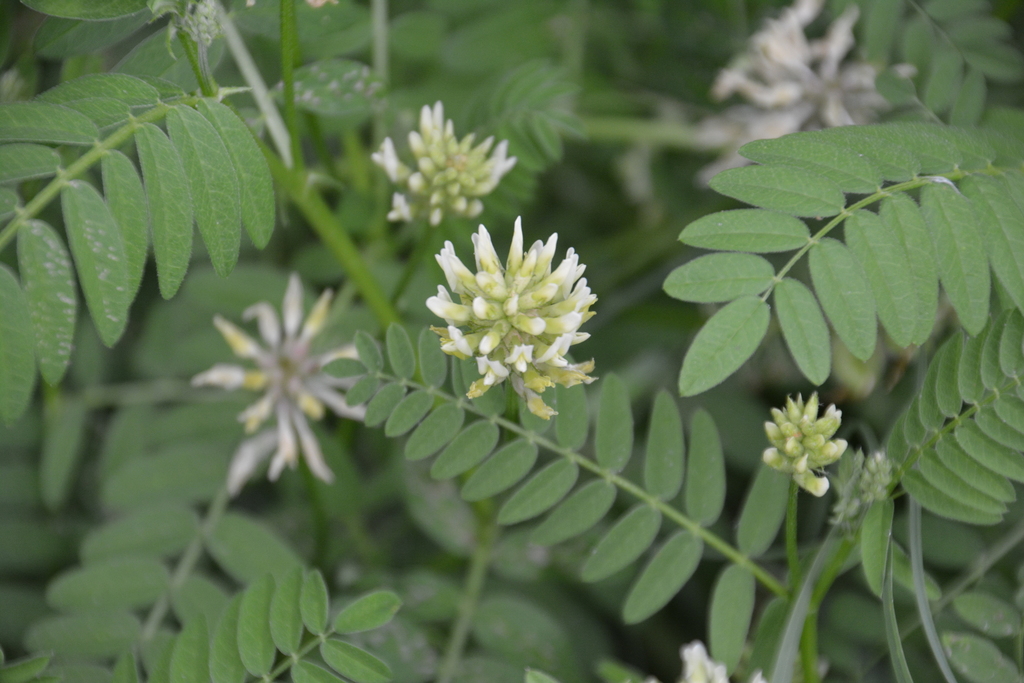
Flowers
- In flower
- June to August (from 399 flowering iNaturalist observations worldwide)
- Flower colour
- white (USDA PLANTS Database)
Characteristics
- Growth habit
- Forb/herb
- Lifespan
- Perennial
- In the US and Canada
- Alaska: introduced, Canada: introduced, Lower 48 states: introduced
Toxicity: Slight, as listed by the USDA PLANTS Database (2025-05-29). USDA rates how toxic a plant is to people or livestock; it is not a pet-safety rating, so ask a vet or poison line if a pet or child ate it.
Photos
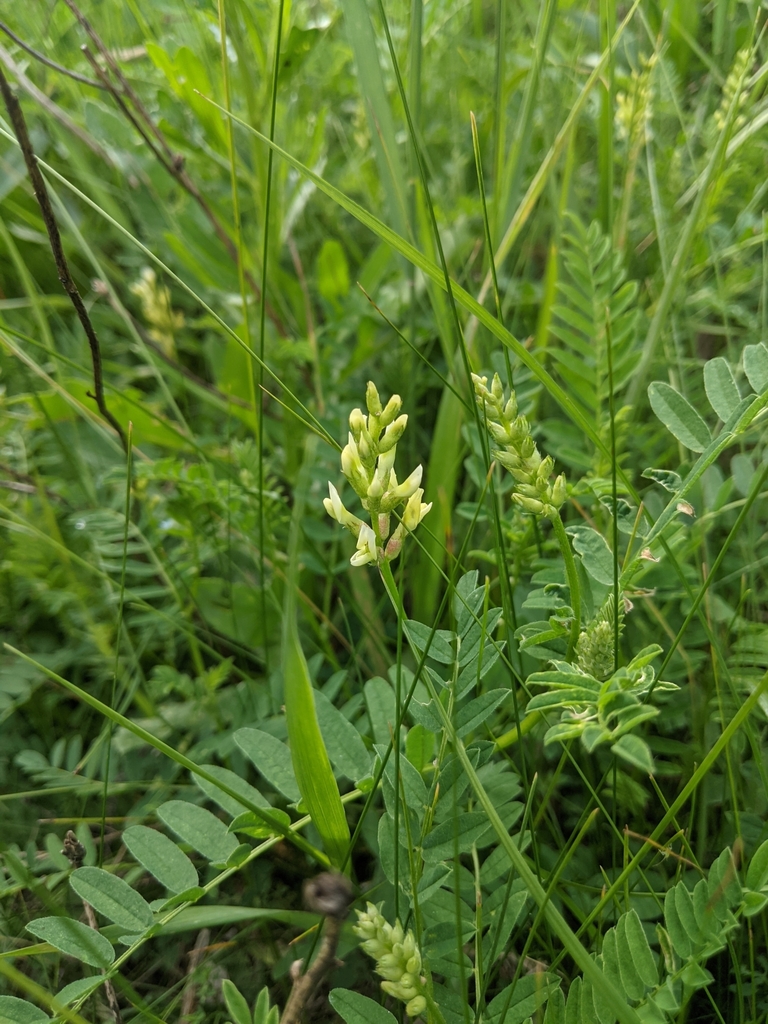
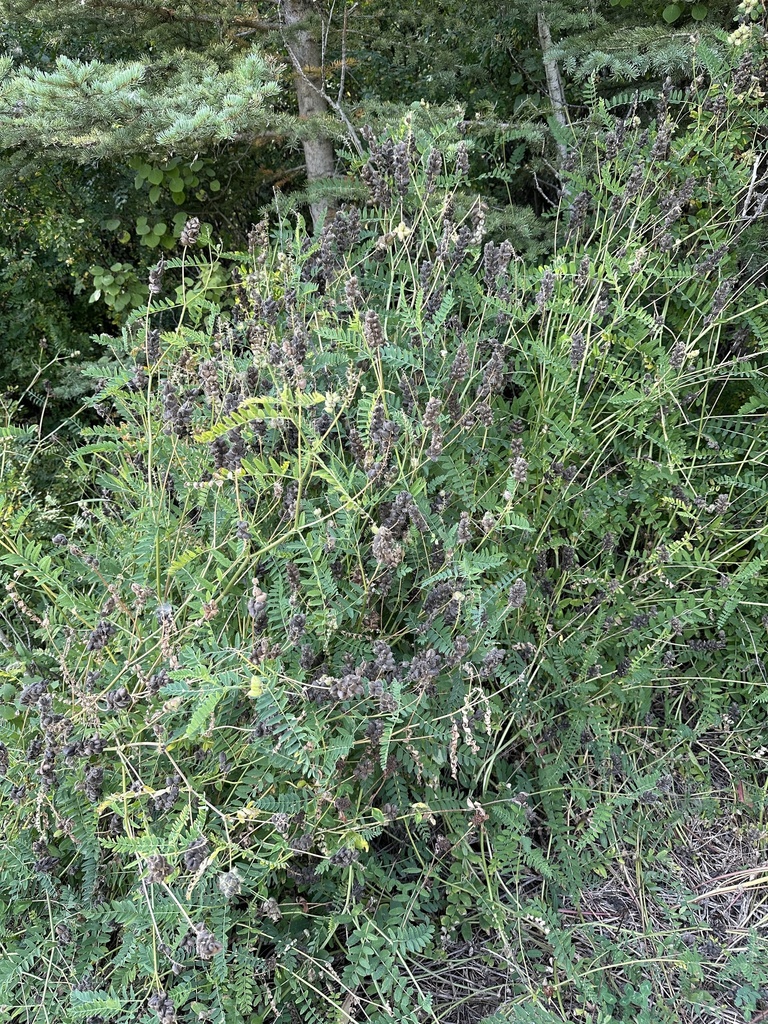
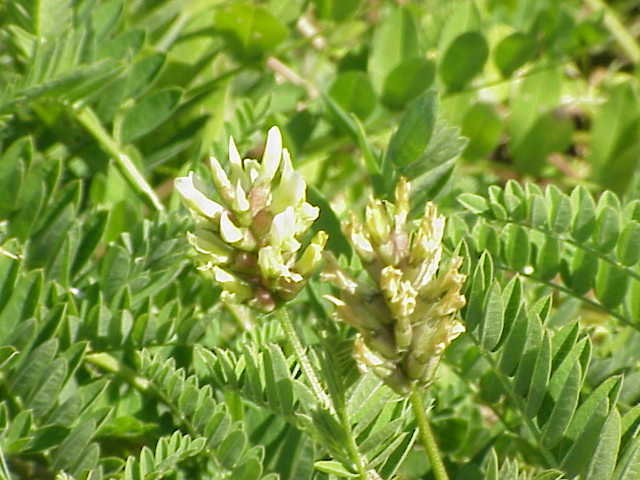
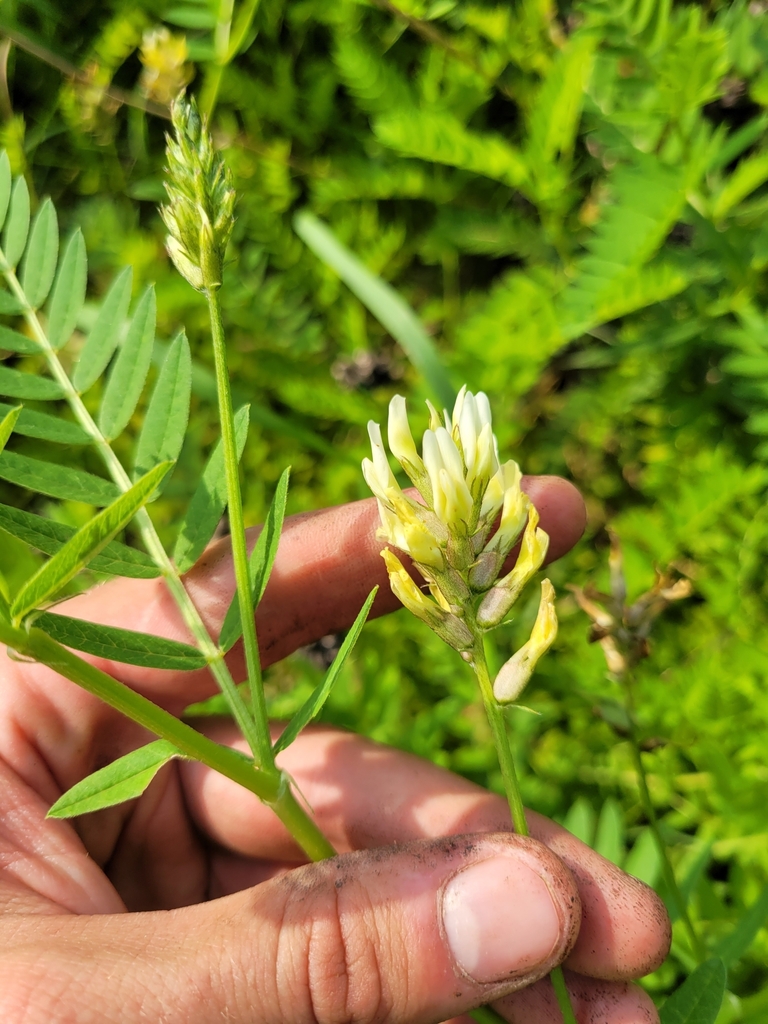
FlowerPhoto: Alexandr Stanislavschi, CC BY 4.0, from iNaturalist 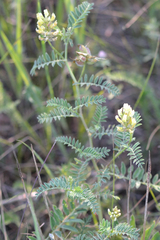
FlowerPhoto: Fyodor Pudovikov, CC BY 4.0, from iNaturalist 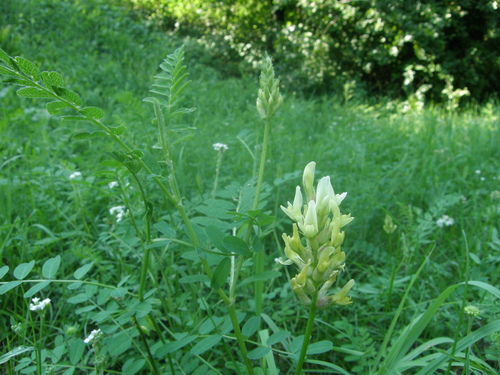
FlowerPhoto: Oleksandr Shynder, CC BY 4.0, from iNaturalist 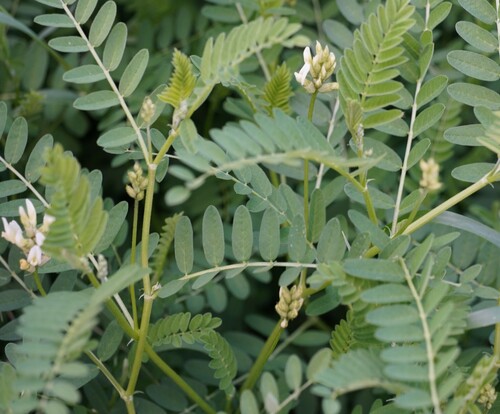
FlowerPhoto: Brenda Black, CC BY 4.0, from iNaturalist 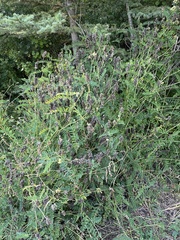
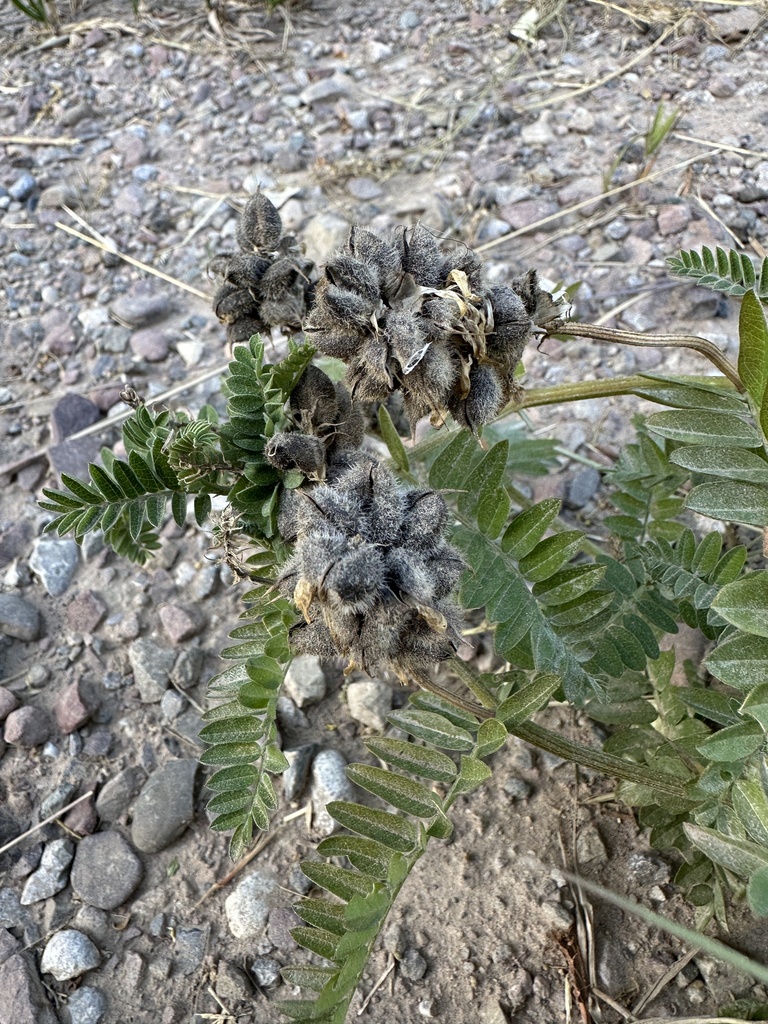
FruitPhoto: Kallum McDonald, CC0, from iNaturalist 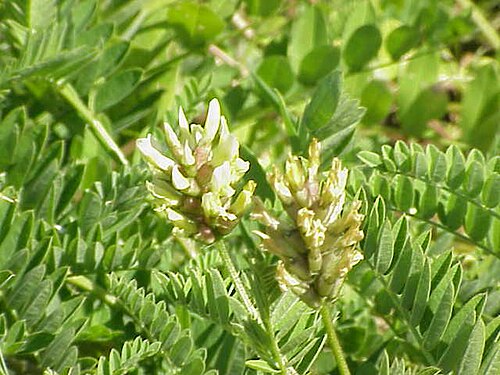
Photo: Kurt Stüber [1], CC BY-SA 3.0, from Wikimedia Commons 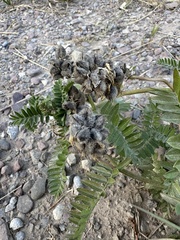
Photo: Matt Berger, CC BY 4.0, from iNaturalist 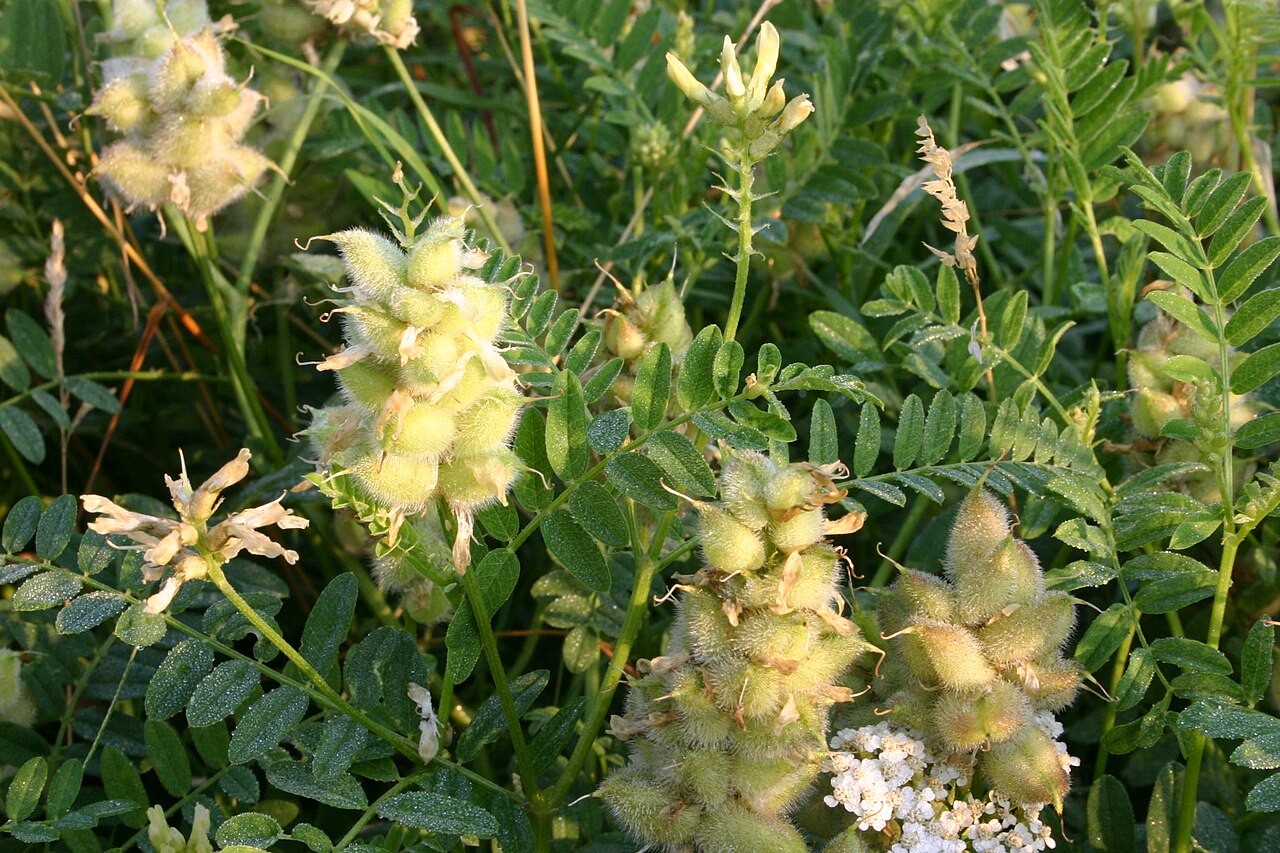
Photo: HermannSchachner, CC0, from Wikimedia Commons 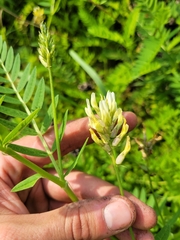
Photo: Sam Turner, CC BY 4.0, from iNaturalist 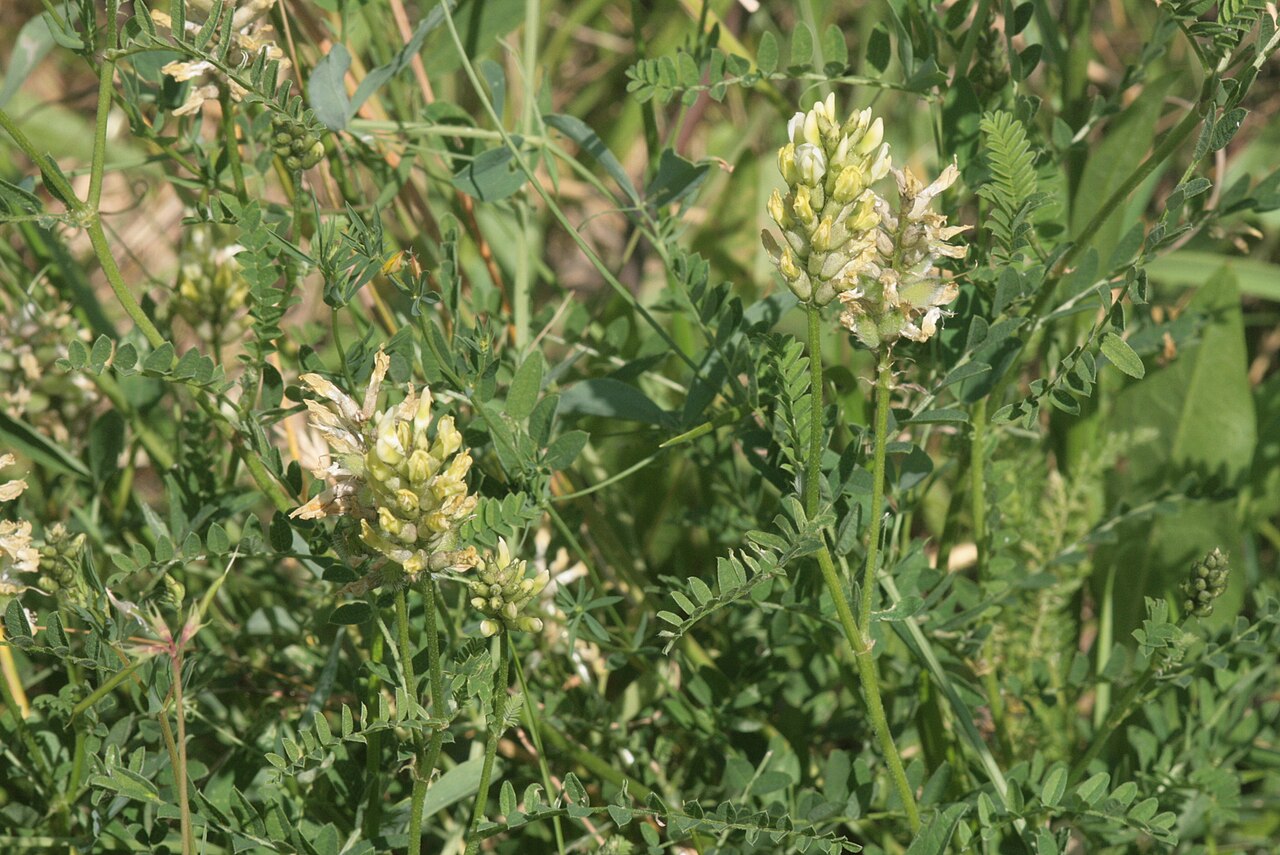
Photo: HermannSchachner, CC0, from Wikimedia Commons 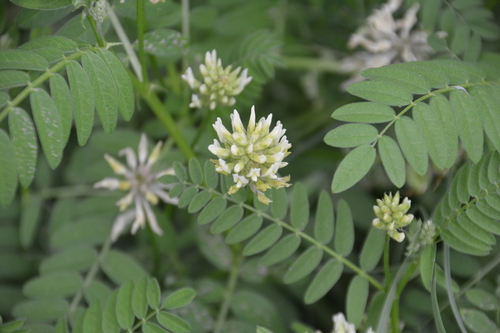
Photo: earl woolsey, CC BY 4.0, from iNaturalist 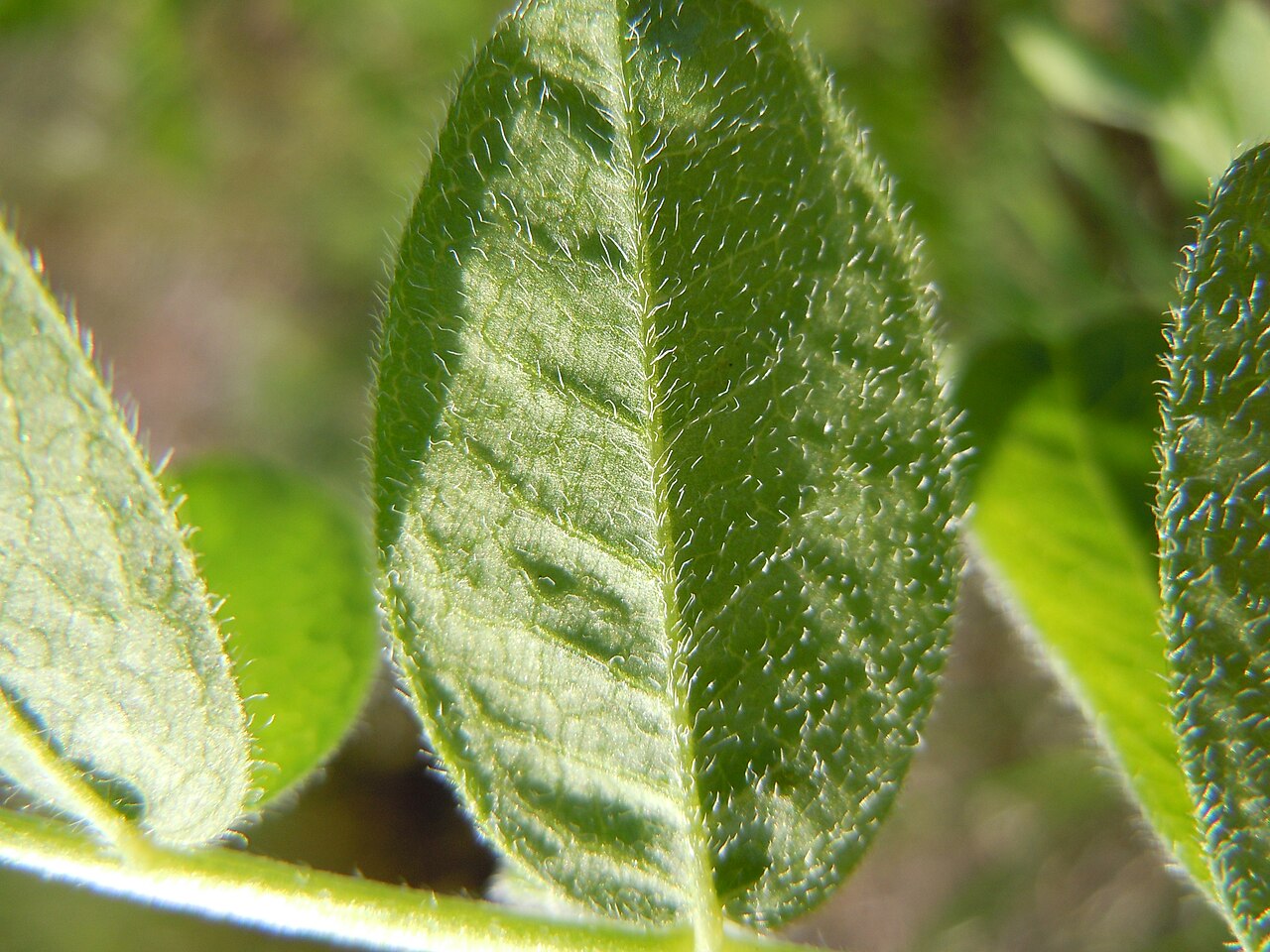
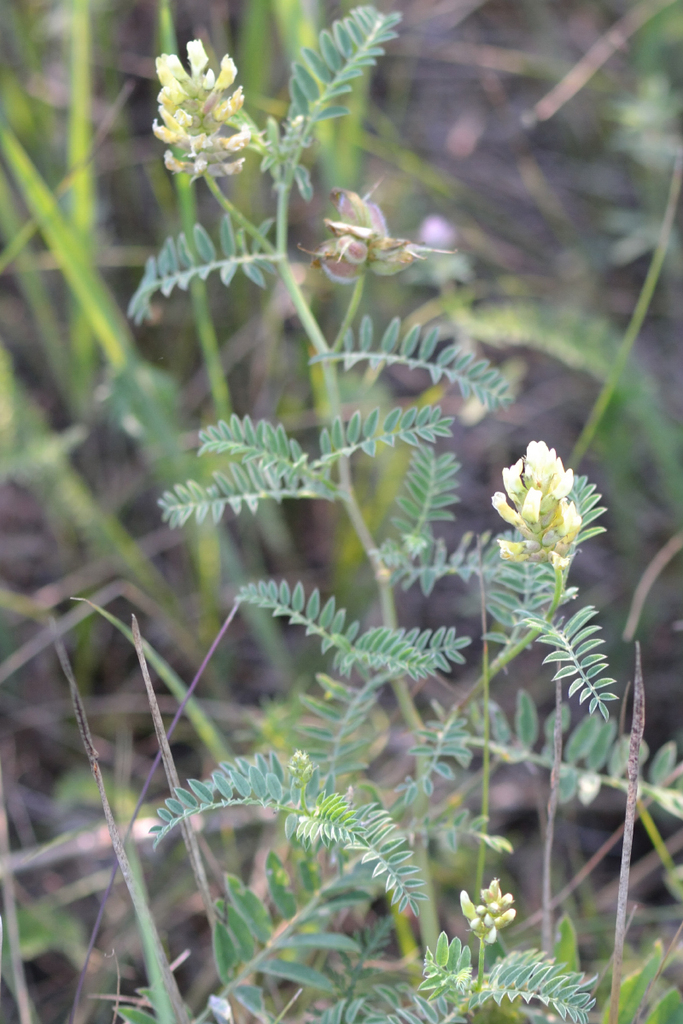
Photo: Matt Lavin from Bozeman, Montana, USA, CC BY-SA 2.0, from Wikimedia Commons
More in Astragalus
- Licorice milkvetchAstragalus glycyphyllosFabaceae
- Astragalus danicusFabaceae
- Arenarious milk-vetchAstragalus arenariusFabaceae
- Alpine milkvetchAstragalus alpinusFabaceae
- Pallid milk vetchAstragalus frigidusFabaceae
- Astragalus boeticusFabaceae
- Mountain lentilAstragalus penduliflorusFabaceae
- Astragalus austriacusFabaceae
- Astragalus onobrychisFabaceae
- Indian milkvetchAstragalus australisFabaceae
- Astragalus alopecurusFabaceae
- Limestone glade milkvetchAstragalus bibullatusFabaceae
Sources: classification, synonyms from World Flora Online Plant List (2026-06, CC0 1.0); common names, popularity from Wikidata (2026-10-26, CC0 1.0); common names, US characteristics from USDA PLANTS Database (2025-05-29, CC0 1.0). About our plant data.