
Araceae
Flamingo-lily
Anthurium andraeanum
- Family
- Araceae
- Genus
- Anthurium
Pets and kids
- CatsMildly toxic
- DogsMildly toxic
- KidsMildly toxic
Why
Cats: Mildly toxic
Mildly toxic to cats. Toxic principle: calcium oxalate crystals.
Signs: oral pain, drooling, mouth swelling, difficulty swallowing, vomiting.
Dogs: Mildly toxic
Mildly toxic to dogs. Toxic principle: calcium oxalate crystals.
Signs: oral pain, drooling, mouth swelling, difficulty swallowing, vomiting.
Kids: Mildly toxic
Mildly toxic to young children. Toxic principle: calcium oxalate crystals.
Signs: oral pain, drooling, mouth swelling, difficulty swallowing, vomiting.
Ate some? Call your vet or the ASPCA Animal Poison Control Center at (888) 426-4435 (a fee may apply). For a child, call Poison Help at 1-800-222-1222 (US). If they are struggling to breathe or collapse, call 911. Don't give anything by mouth unless a vet or poison expert tells you to.
Is yours looking unwell? Scan your plant — free
Common names
By language (4)
- Arabic
- انتوريم احمر
- Chinese
- 安祖花, 火鶴花, 红掌, 花烛, 花燭
- English
- Flamingo-lily
- Malay
- Bunga Anthurium
Synonyms
- Anthurium andraeanum unranked album Pynaert
- Anthurium andraeanum unranked delicatissimum Pynaert
- Anthurium andraeanum var. album (Pynaert) W.Bull
- Anthurium andraeanum var. amoenum Pynaert
- Anthurium andraeanum var. atrosanguineum Pynaert
- Anthurium andraeanum var. divergens Sodiro
- Anthurium andraeanum var. louisae Pynaert
- Anthurium andraeanum var. roseum W.Bull
- Anthurium andraeanum var. salmoneus W.Bull
- Anthurium andraeanum var. sanguineum W.Bull
- Anthurium venustum Sodiro
Flowers
- In flower
- January to May, August, November (from 75 flowering iNaturalist observations worldwide)
Characteristics
- In the US and Canada
- Pacific Basin: introduced
Photos
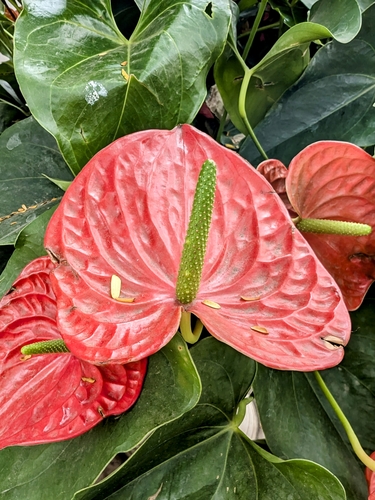
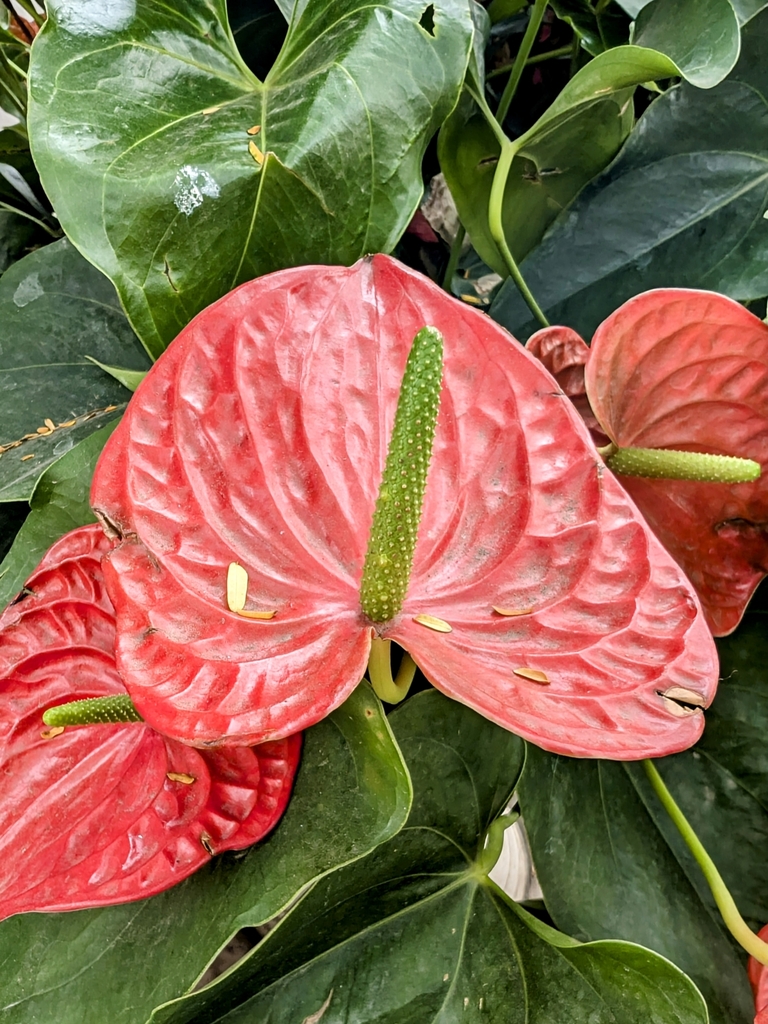
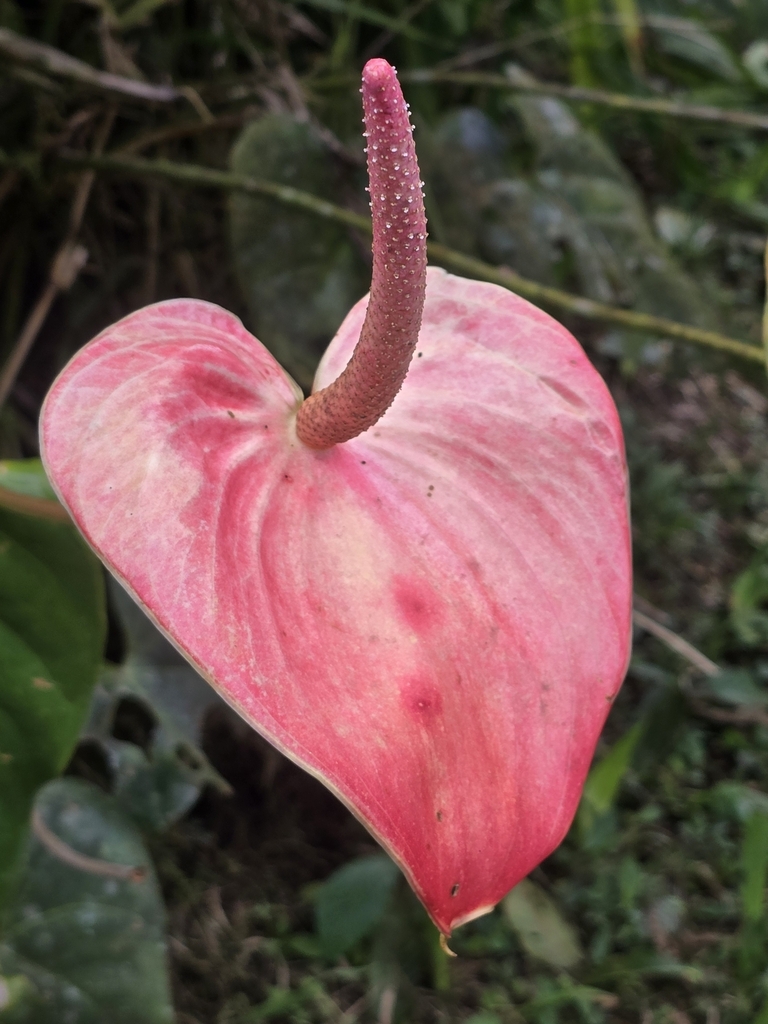
FlowerPhoto: Ametsak, CC0, from iNaturalist 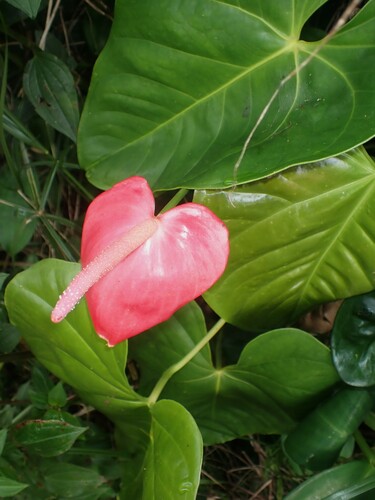
FlowerPhoto: Louis Imbeau, CC BY 4.0, from iNaturalist 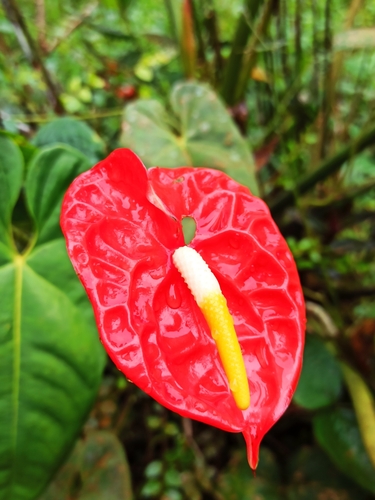
FlowerPhoto: Niko Ioannidis, CC BY 4.0, from iNaturalist 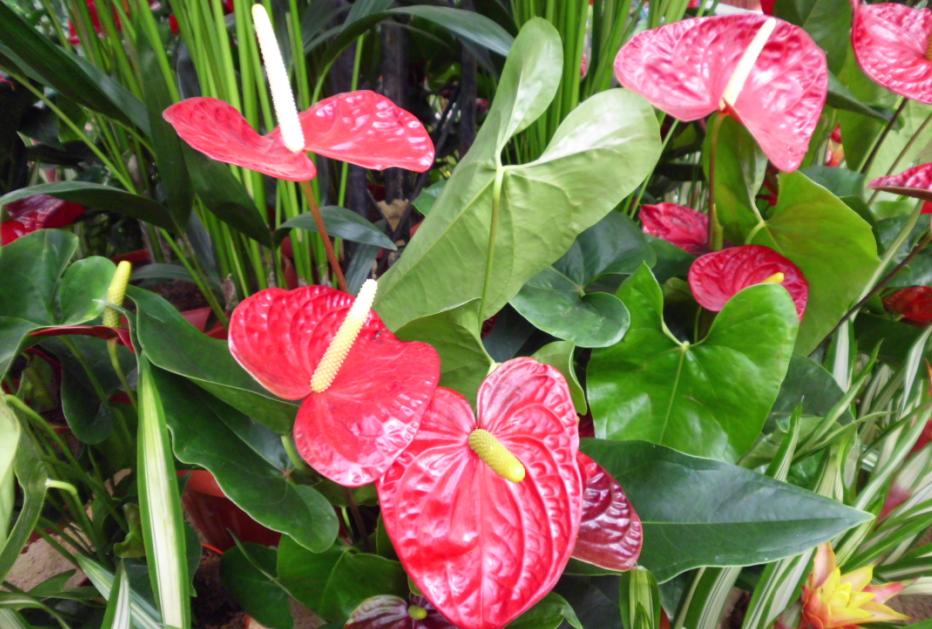
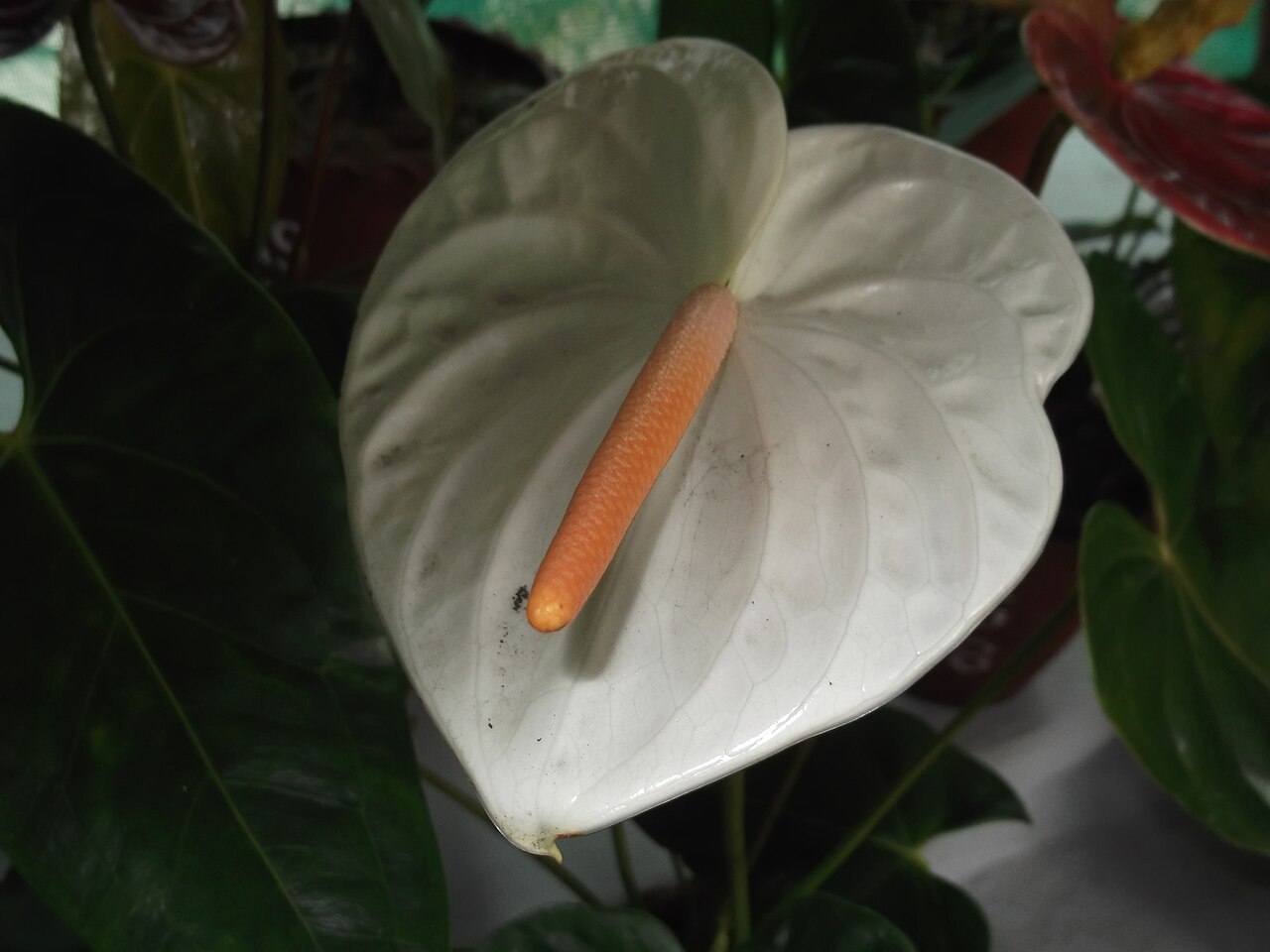
Photo: Hatem Moushir, CC BY-SA 3.0, from Wikimedia Commons 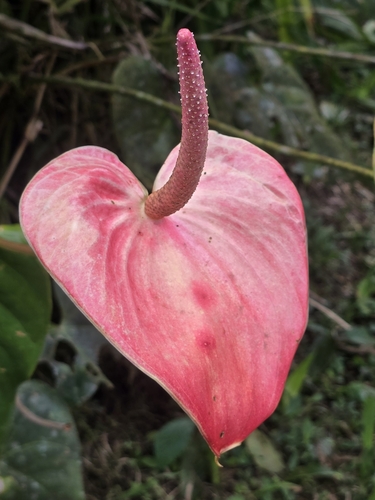
Photo: Alan Rockefeller, CC BY 4.0, from iNaturalist 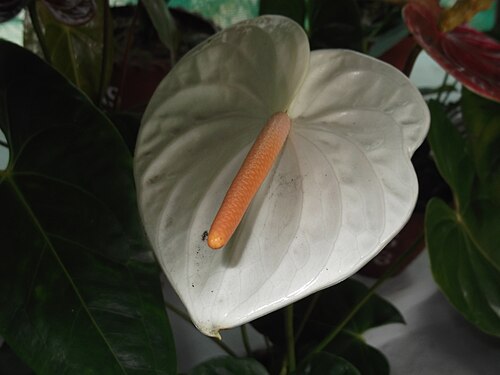
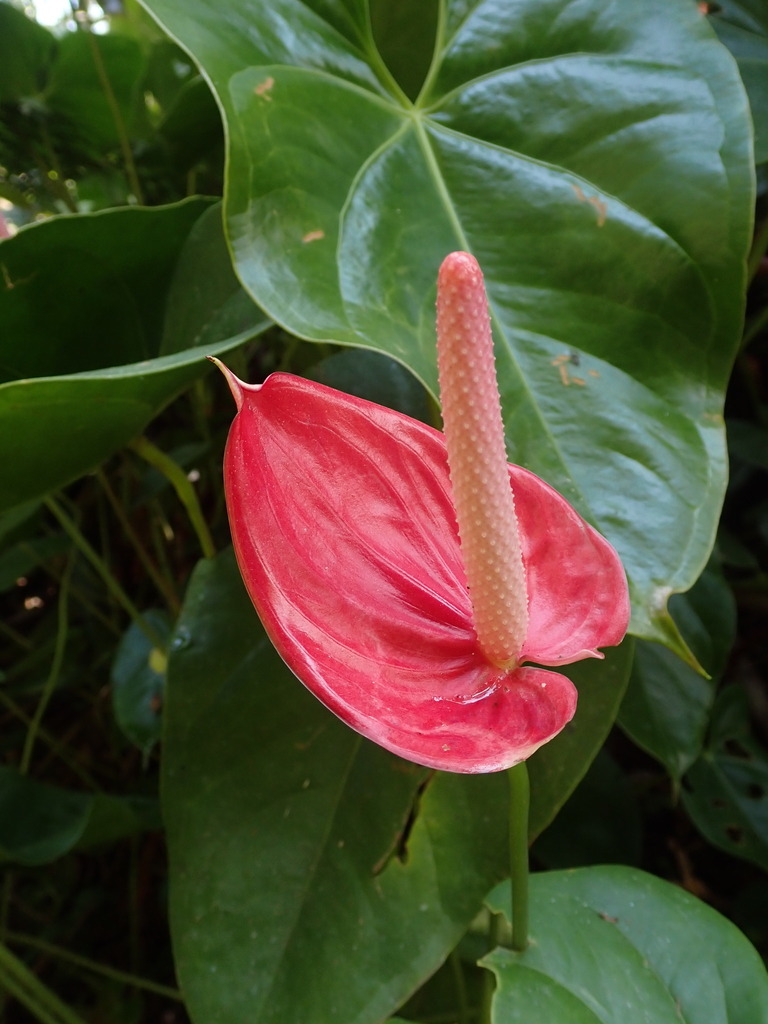
Photo: Yercaud-elango, CC BY-SA 4.0, from Wikimedia Commons 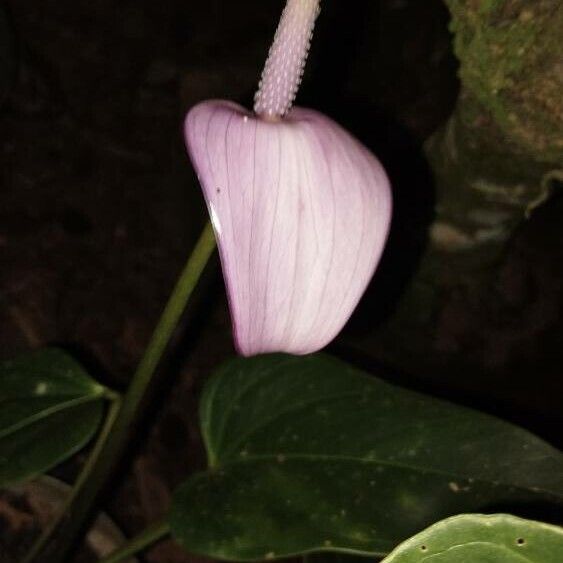
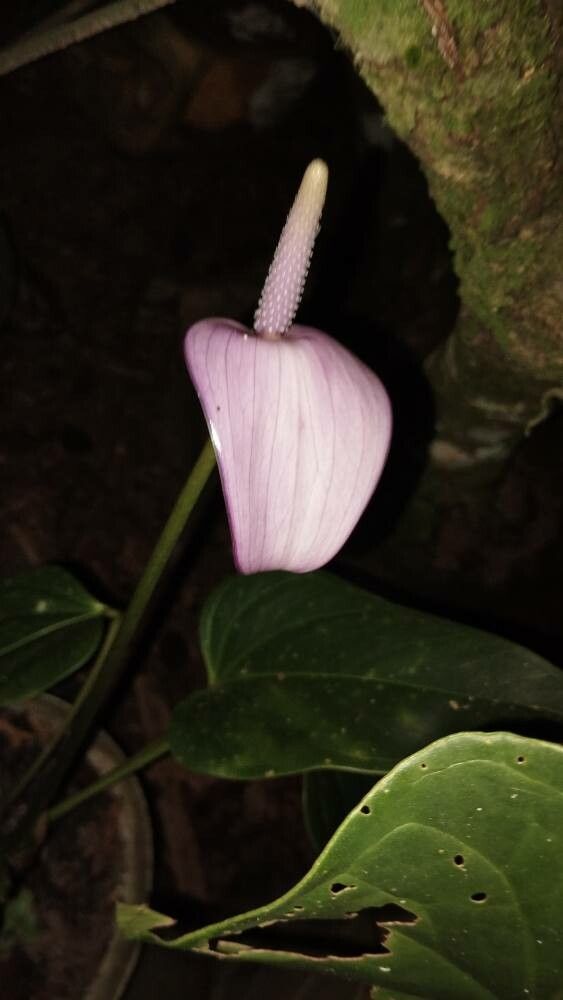
Photo: Jonathan Ramos Artunduaga, CC BY-SA 4.0, from Pl@ntNet via GBIF 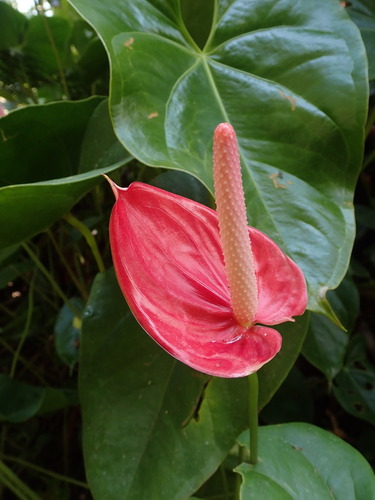
Photo: agujaceratops, CC BY 4.0, from iNaturalist 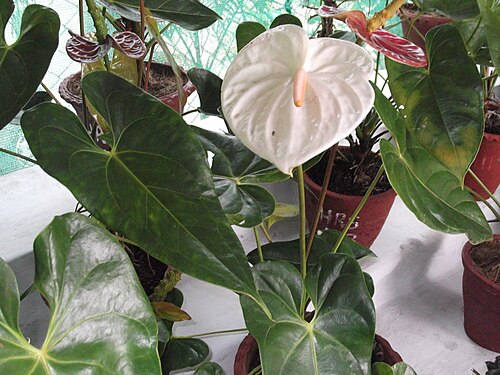
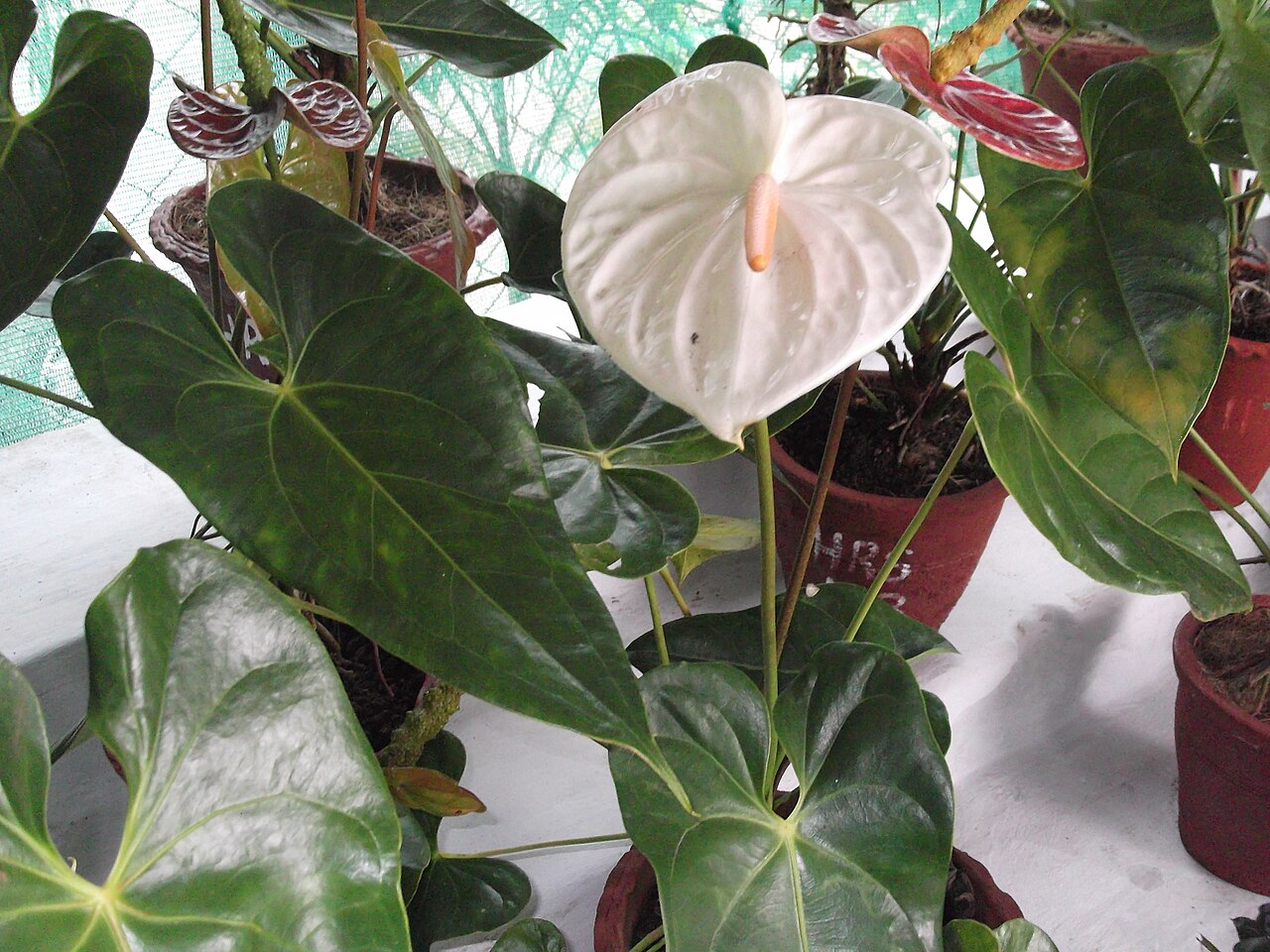
Photo: Yercaud-elango, CC BY-SA 4.0, from Wikimedia Commons 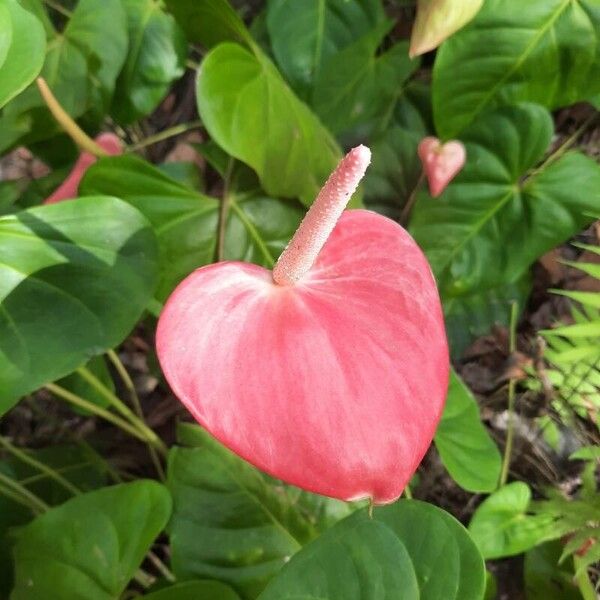
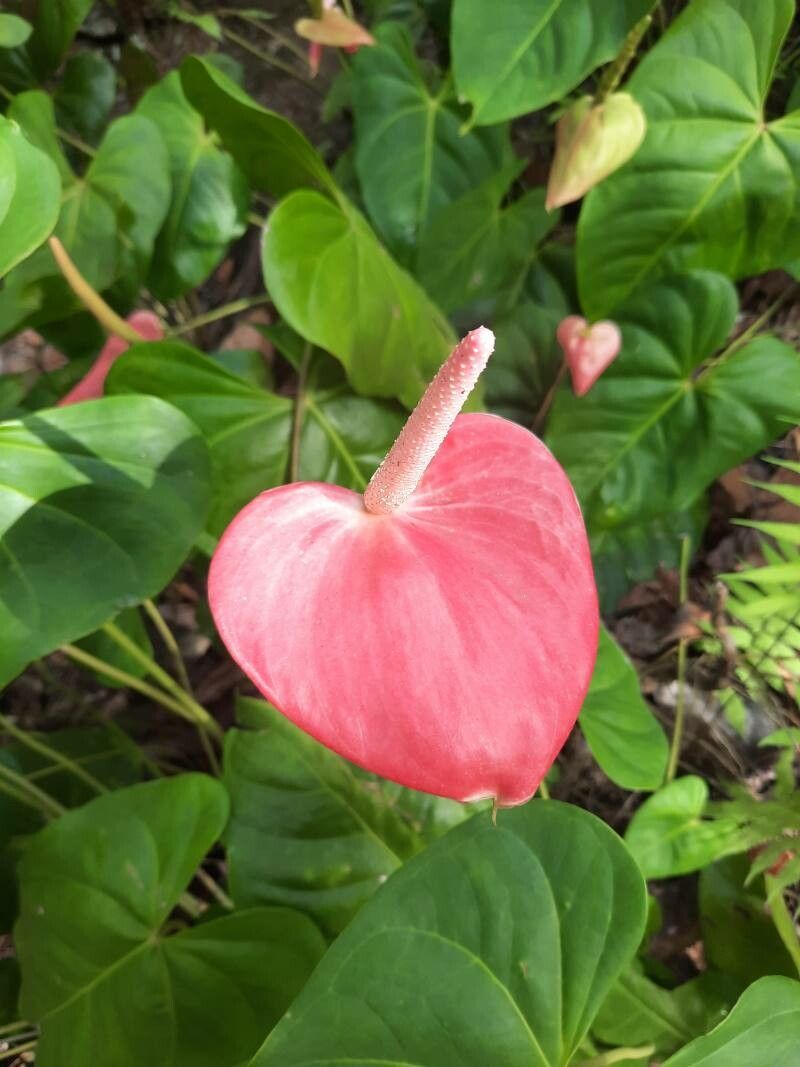
Photo: Jahyute Daniel, CC BY-SA 4.0, from Pl@ntNet via GBIF 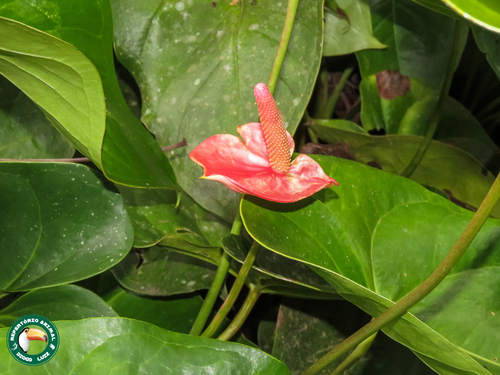
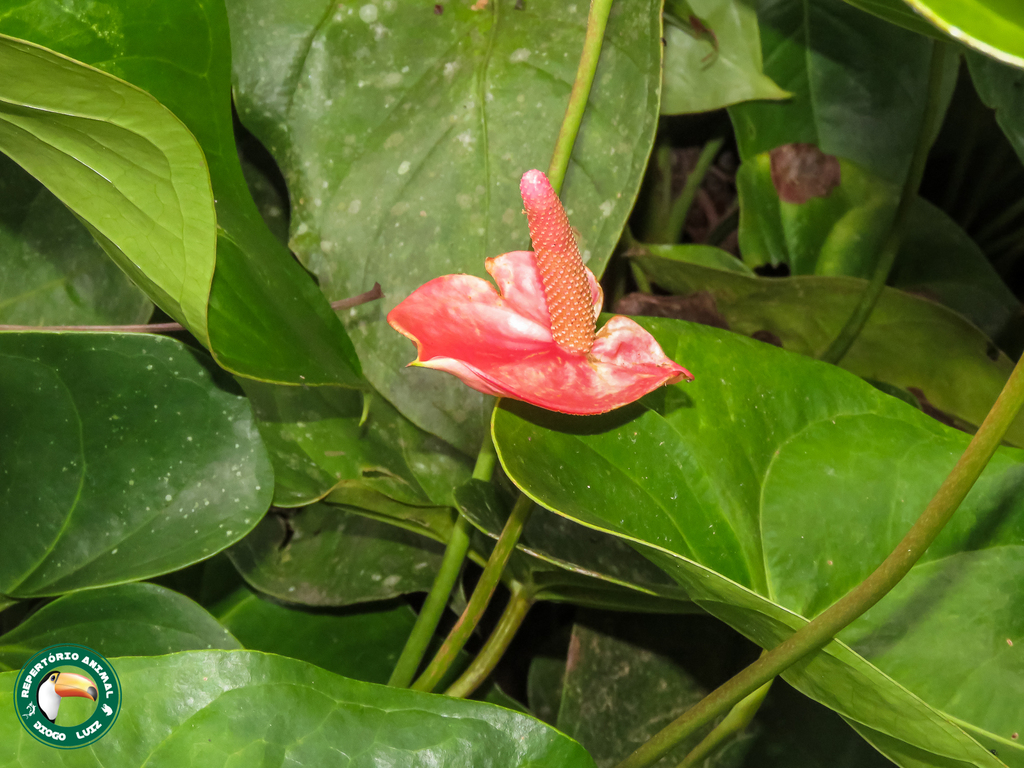
Photo: Diogo Luiz, CC BY 4.0, from iNaturalist 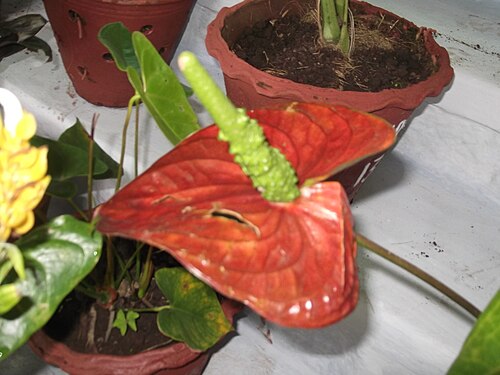
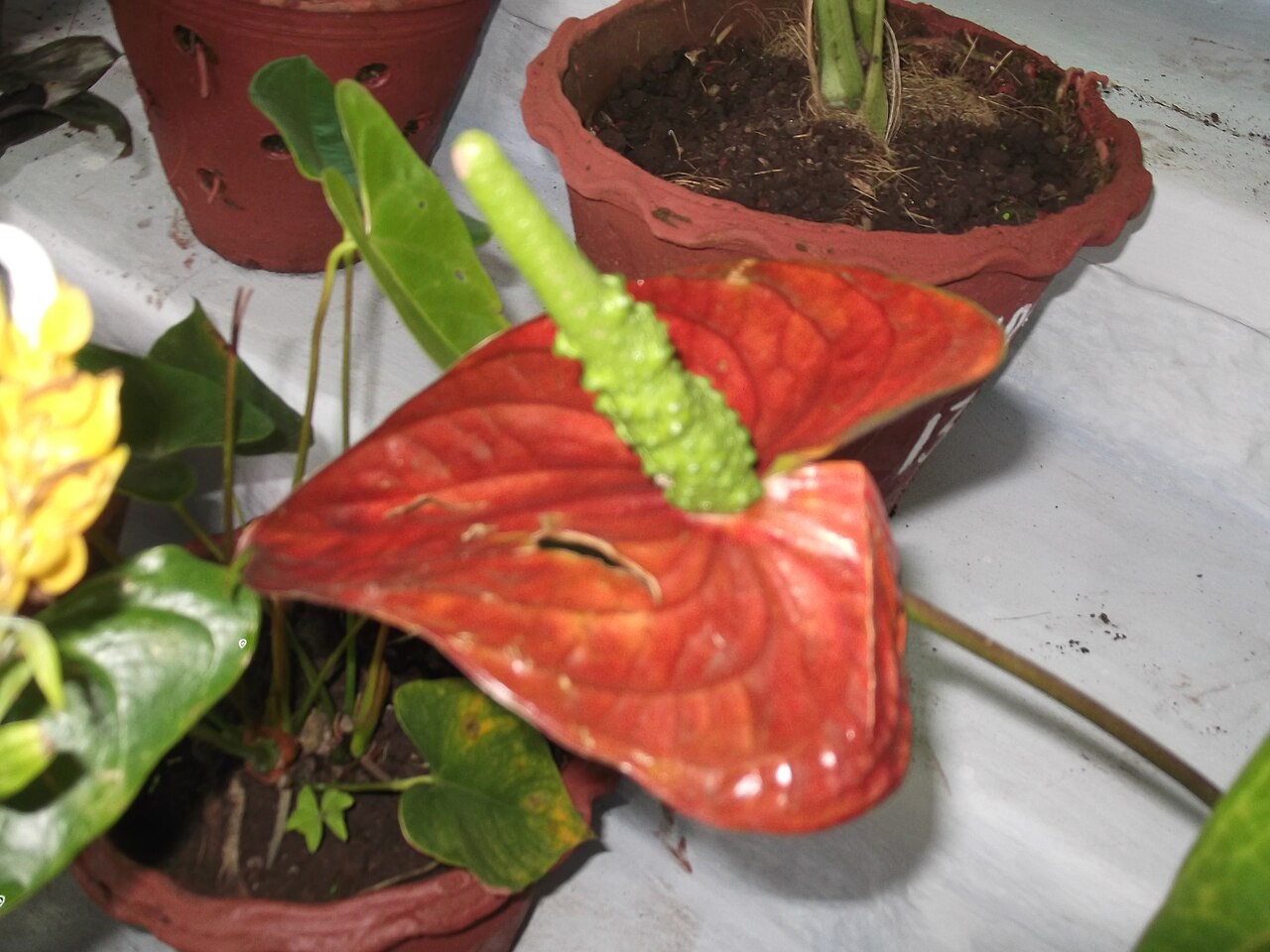
Photo: Yercaud-elango, CC BY-SA 4.0, from Wikimedia Commons
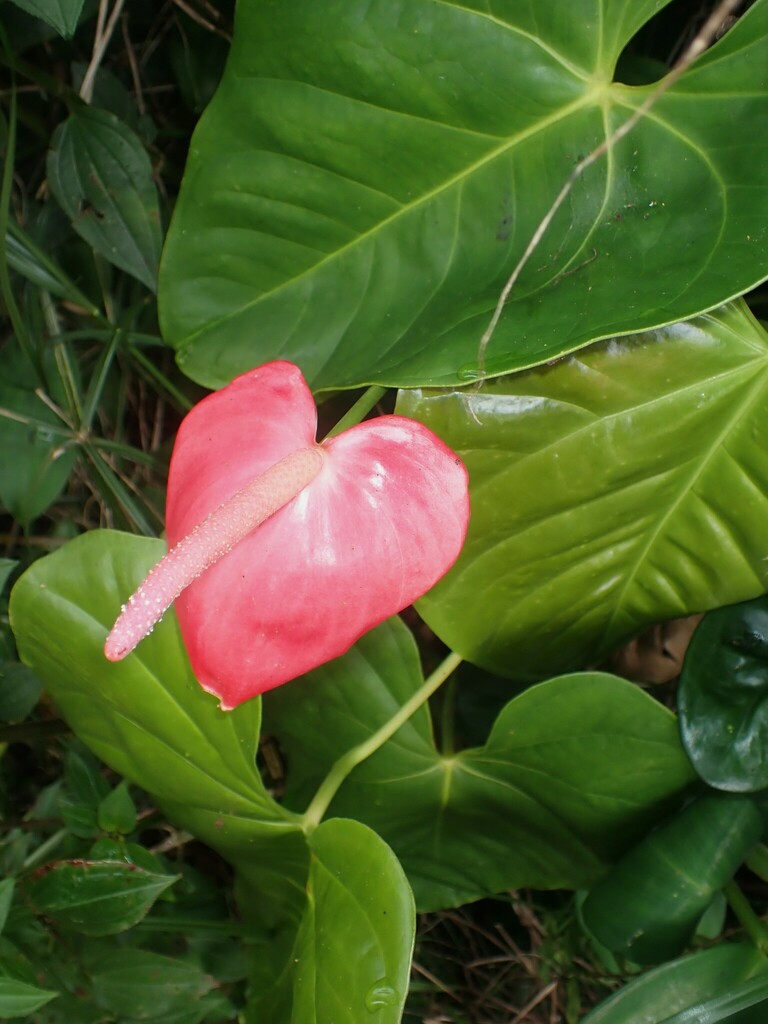
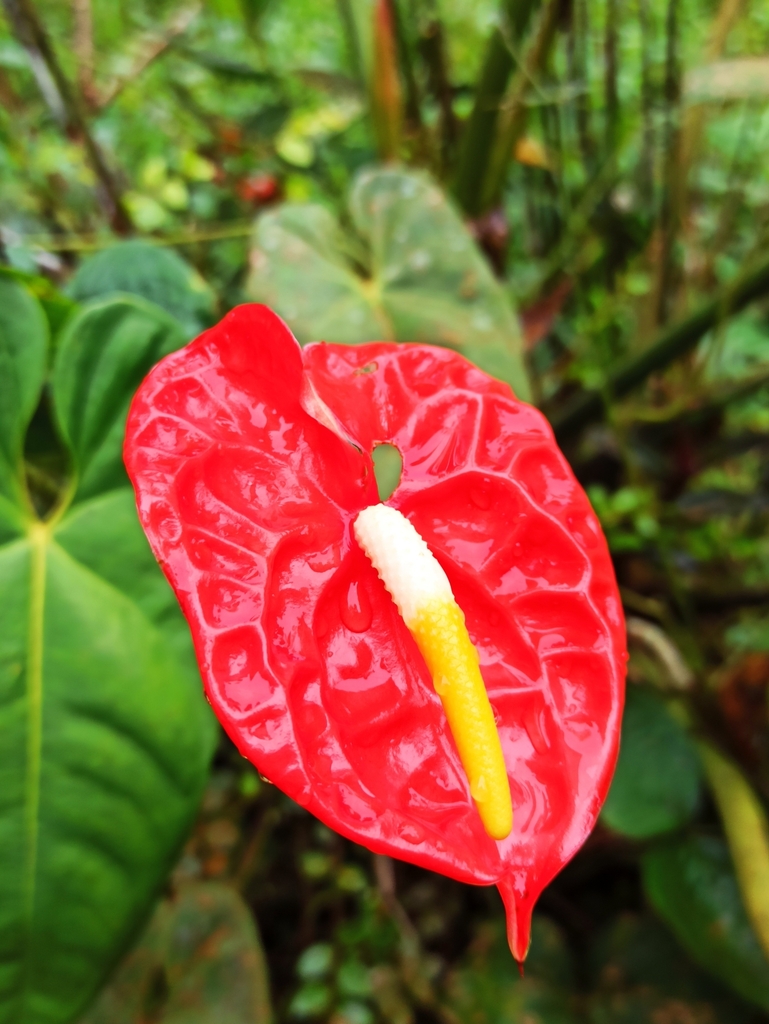
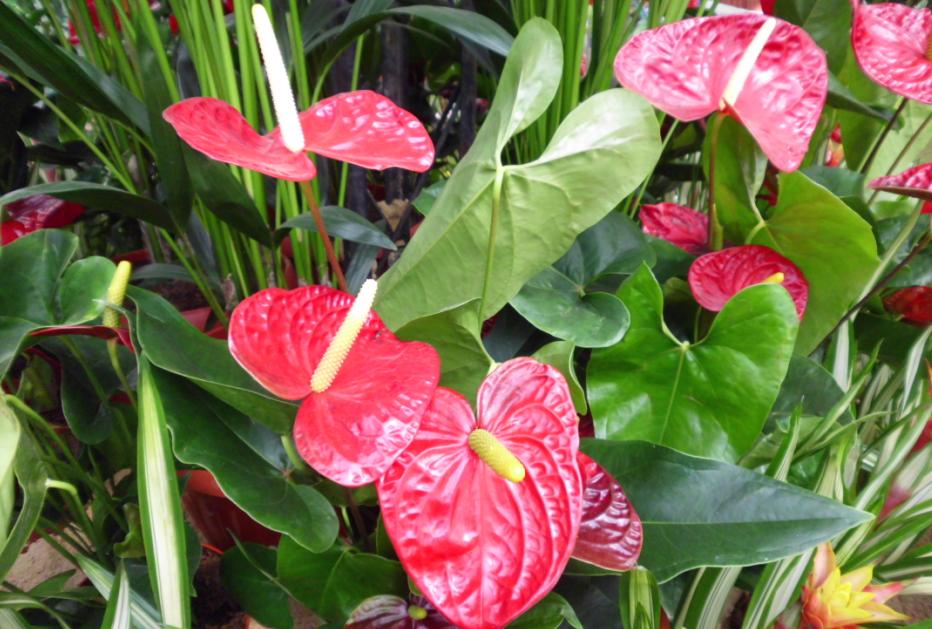
More in Anthurium
- Anthurium scherzerianumAraceae
- Anthurium crystallinumAraceae
- Anthurium andicolaAraceae
- Anthurium bakeriAraceae
- Anthurium crassinerviumAraceae
- Anthurium eggersiiAraceae
- Anthurium hookeriAraceae
- Anthurium magnificumAraceae
- Anthurium acauleAraceae
- Anthurium amoenumAraceae
- Anthurium argyrostachyumAraceae
- Anthurium obtusumAraceae
Sources: classification, synonyms from World Flora Online Plant List (2026-06, CC0 1.0); common names, popularity from Wikidata (2026-10-26, CC0 1.0); common names, US characteristics from USDA PLANTS Database (2025-05-29, CC0 1.0). About our plant data.